Before embarking on your next drywall project, careful planning and preparation are essential to ensure a smooth and successful outcome. Whether you’re renovating a single room or tackling an entire house, taking the time to understand the necessary steps can make a significant difference.
Let’s look at what to do before starting your next drywall project to ensure a professional and high-quality finish. With the proper groundwork, you can better handle any challenges that arise and achieve professional-looking results.
Assess the Scope of Your Project
Before purchasing any materials or tools, you need to understand the scope of your project. This will help you determine the amount of drywall sheets, joint compound, and other necessary supplies you need for the job. Take measurements of each wall and ceiling to calculate square footage accurately. Additionally, note any unique features, such as windows, doors, and corners, that may require special attention during installation. By assessing the scope beforehand, you can avoid making multiple trips to the hardware store and ensure a more efficient and cost-effective process.
Prepare Your Workspace
Preparing your workspace is crucial for ensuring a safe and hassle-free project. Clean up any debris or clutter in the room to provide ample space for working. Cover any floors or furniture with drop cloths, plastic sheets, or old blankets to protect them from dust and potential damage. You should also ensure proper ventilation in the room by opening windows or using fans if possible.
Gather Your Tools and Materials
Having all the necessary tools and materials on hand before starting your project can save you time and frustration. The most commonly used tools for drywall projects include:
- A utility knife
- Tape measure
- T-square
- Screwdriver or drill
- A drywall lift (if working on ceilings)
As for materials, make sure you have enough drywall sheets, joint compounds, screws or nails, corner beads, and sandpaper. Additionally, consider investing in drywall saw, rasp, and other specialized tools for more efficient and precise cuts.
Practice Proper Safety Measures
Drywall projects can involve heavy lifting, sharp tools, and exposure to dust and debris. Practice proper safety measures to protect yourself from potential injuries. Wear protective gear such as gloves, goggles, and a dust mask when handling materials or using power tools. Use caution when climbing ladders or working on scaffolding, and always follow manufacturer instructions for equipment usage.
Learn the Techniques
Before diving into your project, familiarize yourself with the different techniques used in drywall installation. This includes properly cutting drywall sheets, taping and mudding joints, and sanding for a smooth finish. There are many resources available online, such as tutorials and videos, that can provide step-by-step instructions on each technique. Additionally, consider practicing on scrap pieces of drywall before starting your project to build confidence and improve your skills.
Proper planning, preparation, safety measures, and technique are all things you should do before starting your next drywall project. There are many different reasons for drywall damage that can inspire you to start your project, from repairing a hole to creating a new wall. By following these steps and having the right tools and materials at your disposal, you can achieve professional-looking results that will last for years to come. Remember to take your time, stay organized, and don’t hesitate to seek help or advice if needed.
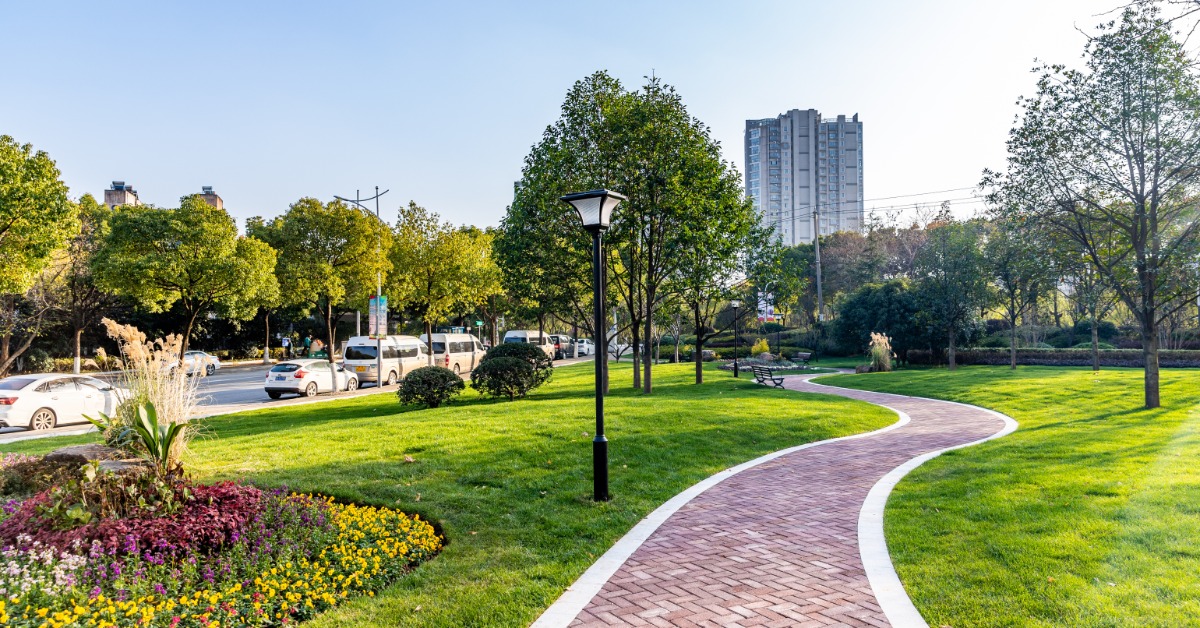
Commercial landscaping shapes the first impression visitors have when approaching a property. Healthy plants and clean garden beds can make an office building, retail center, or other commercial property feel welcoming. However, elaborate landscaping can also require frequent watering, trimming, weeding, and seasonal replacement.
Commercial building owners don’t have to choose between attractive landscaping and manageable upkeep. Smart design choices can reduce routine maintenance without leaving the property looking bare. Plant selection, irrigation, garden layout, and soil care can all make outdoor spaces easier to manage. When you build efficiency into the landscape from the start, you can maintain professional curb appeal without creating unnecessary work. Check out these easy ways to create a lower-maintenance garden. >
Choose Hardy Plants
Plant selection has a major influence on long-term maintenance. Delicate plants may require frequent watering, pruning, fertilizing, or protection from changing weather.
Choose plants that thrive in your local climate and suit the conditions around your building. Pay attention to sunlight, soil drainage, and available space before selecting varieties. Plants that naturally fit the site usually require less attention after they establish strong root systems.
Native plants can offer another practical option because they already thrive in the region. Many native varieties tolerate local rainfall patterns and seasonal temperature changes without intensive care.
Commercial property owners should also consider mature plant size. A shrub that quickly outgrows its location can create years of unnecessary trimming.
Add More Ground Cover
Large open beds can quickly fill with weeds if gardeners leave too much bare soil. Ground-cover plants create a living layer that fills those spaces and reduces opportunities for unwanted plants to grow.
In the right landscape, ground cover can cut maintenance time in half by reducing routine mowing, weeding, and other repetitive tasks. Low-growing plants can also create a finished appearance across areas where grass struggles.
Ground cover works especially well around trees, on slopes, and beside building foundations. Certain varieties can tolerate shade or poor soil better than traditional turf.
Choose species that fit the specific conditions around the property. Avoid aggressive plants that could spread into areas where you don’t want them.
Reduce Lawn Areas
A large lawn can look attractive, but it requires regular mowing throughout the growing season. It may also need watering, fertilizing, and weed control.
Commercial building owners can reduce those tasks by replacing unnecessary lawn sections with lower-maintenance alternatives. Garden beds, ground cover, decorative stone, or defined hardscape areas can reduce the amount of grass crews need to maintain.
Start with awkward sections that already create problems. Narrow strips beside parking lots or small patches around signs often take extra time to mow.
Reducing turf in these spaces can simplify the landscape while creating room for plants that add more texture and visual interest.
Use Mulch Wisely
Mulch can make commercial garden beds easier to manage while giving the landscape a polished appearance.
A consistent mulch layer helps limit weed growth by blocking sunlight from reaching weed seeds. Mulch also slows moisture loss from the soil, which can reduce how often plants need irrigation during dry weather.
Organic mulch gradually breaks down and adds material to the soil. However, crews may need to refresh it periodically to maintain an even appearance.
Avoid piling mulch directly against tree trunks or plant stems. Give each plant a little breathing room so excessive moisture doesn’t collect around the base.
A well-defined mulch bed can also make cleanup easier because maintenance crews can quickly identify where lawn areas end and planting areas begin.
Improve Irrigation
An inefficient watering system creates extra work and wastes resources. Sprinklers that water sidewalks or parking lots don’t help plants, while poorly placed irrigation can leave some sections too dry.
Drip irrigation offers a practical option for many commercial planting beds. It delivers water close to plant roots rather than spraying an entire area. That targeted approach can reduce evaporation and limit water on surrounding hard surfaces.
Property owners should also divide irrigation into zones when different parts of the landscape have different needs. Sunny beds may require a different watering schedule than shaded areas.
Check irrigation equipment regularly for broken heads, clogged emitters, or leaks. Correcting small problems early can prevent plant damage and unnecessary water use.
Group Similar Plants
Random plant placement can complicate landscape maintenance. When plants with very different needs share the same bed, watering and pruning become harder to manage efficiently.
Group plants according to similar water and sunlight needs. This approach makes irrigation schedules easier to control and reduces the chance that one plant receives too much water while another receives too little.
Grouping plants by mature size can also simplify pruning. Tall shrubs can occupy areas where they have room to grow, while compact plants can fill spaces near walkways or entrances.
Thoughtful placement creates a more organized appearance and gives maintenance crews a predictable way to care for each section.
Improve the Soil
Healthy soil supports stronger plants, and stronger plants usually require less corrective care.
Before adding large planting areas, evaluate the soil’s drainage and whether it has become compacted. Construction activity often leaves commercial properties with dense soil, making it difficult for roots to spread.
Adding suitable organic material can improve soil structure in many planting beds. Better soil can help roots access moisture and nutrients more effectively.
Proper drainage also deserves attention. Areas that stay saturated after rainfall can damage plants and encourage landscape problems. Addressing drainage before installing new plants can prevent repeated replacements later.
Define Garden Edges
Clear borders make commercial landscapes easier to maintain. Without defined edges, grass can spread into garden beds and make the property look untidy.
Edging creates a physical boundary between lawn and planting areas. Maintenance crews can follow those lines when mowing or trimming, which speeds up routine work.
Property owners can choose metal edging, stone, concrete, or other durable materials that complement the building. The best choice should withstand regular landscaping activity without shifting frequently.
Consistent borders also strengthen the overall design. Even a simple planting arrangement can look intentional when crisp edges frame it.
Limit High-Maintenance Flowers
Seasonal flowers bring bright color to commercial properties, but large annual displays can require significant labor. Crews often need to remove old plants and install new ones several times throughout the year.
You don’t need to eliminate seasonal color completely. Instead, concentrate annual flowers near entrances, signs, or other highly visible areas.
Use longer-lasting perennials throughout larger garden beds. Perennials return across growing seasons and can reduce the need for frequent replacement.
This combination lets commercial properties maintain visual interest while directing the most intensive care toward smaller areas.
Create Wider Planting Beds
Small, scattered garden beds often take more time to maintain than a few larger planting areas. Crews may have to move equipment repeatedly and trim around numerous tight corners.
Larger beds can simplify maintenance routes. They also give shrubs and perennials more room to reach their mature size without interfering with walkways.
Consider combining several nearby planting areas when redesigning an existing commercial landscape. A larger continuous bed can create a stronger visual statement while reducing complicated mowing patterns.
Simple shapes usually require less edging and trimming than intricate bed designs. Clean curves or straight lines can create an attractive appearance without adding unnecessary maintenance.
Plan for Every Season
A low-maintenance commercial garden should remain attractive beyond spring and summer. If every plant loses its visual appeal at the same time, the property can look empty for months.
Include plants that offer structure during cooler seasons. Evergreen shrubs can maintain greenery, while ornamental grasses can contribute texture after summer flowers fade.
Consider seasonal cleanup requirements when choosing plants. Some varieties drop large amounts of fruit, branches, or leaves around sidewalks and parking areas. Those plants may create more work than their appearance justifies.
Year-round planning helps you create a landscape that stays presentable without constant seasonal redesign.
Schedule Preventive Care
Low maintenance doesn’t mean no maintenance. Commercial gardens still need regular attention, but a proactive schedule can prevent small issues from creating expensive work.
Plan routine inspections for irrigation problems, weed growth, damaged plants, and overgrown branches. Addressing these concerns early usually takes less time than correcting them after several months.
Pruning at the appropriate time can also help shrubs maintain a natural shape without constant trimming. Proper plant placement further reduces how often crews need to control growth.
A consistent maintenance schedule gives building owners more predictable landscaping needs and helps the property maintain a professional appearance throughout the year.
Build a Smarter Landscape
Commercial building owners can create attractive gardens without committing to constant upkeep. The biggest improvements often come from designing the landscape around long-term efficiency rather than short-term appearance.
A lower-maintenance garden should still look intentional and inviting. When you plan around the way plants grow and the amount of care they require, you can create commercial landscaping that supports curb appeal without consuming an excessive amount of time or resources.










