

Rockin Robin SongFlying The Web For News.


Consumer Daily Reports

Kids' toys and activities are part of this week's recall roundup

By News Desk of ConsumerAffairs
April 17, 2026

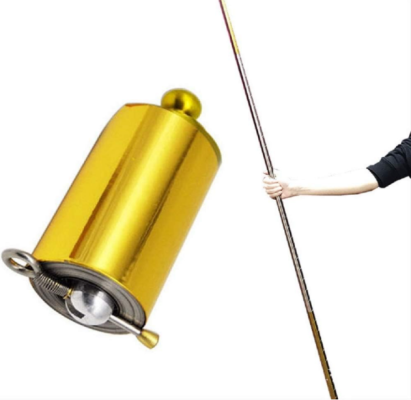
Magic Pocket Staff toy can snap open

Xingwenfeng is recalling nvyue Magic Pocket Staffs sold on Amazon after reports that the staff can expand unexpectedly, causing eye and laceration injuries.

  • Specific hazard: The protective pin can fail and the staff can expand too rapidly, creating projectile and laceration hazards.
  • Scope/stats: About 25,000 units sold on Amazon.com from September 2020 through March 2026 for $8 to $26; 163 incident reports including eye, face and hand injuries.
  • Immediate action: Stop using the staff immediately and request a full refund following the companys photo-and-disposal instructions.
Product

Xingwenfeng is recalling nvyue Magic Pocket Staffs sold in gold, silver or black and in 110 cm or 150 cm expanded lengths. The products arrive tightly wound into a compressed cylinder, and the protective pin is often not fully engaged. The recall follows reports that the staff can deploy suddenly, striking users.

The hazard

The protective pin mechanism can fail to prevent unintentional expansion, and even when engaged the staff can expand too rapidly for consumers to react. CPSC said it has received 163 reports of incidents involving injuries to the eyes, face and hands, including corneal lacerations, temporary vision loss and injuries requiring stitches; many reports involved children as young as 9.

What to do

Consumers should stop using the Magic Pocket Staff immediately and contact Xingwenfeng for a full refund. Consumers will be asked to write their initials and the current date on the staff with a permanent marker and email a photo of the marked product, then follow instructions to safely expand the staff before disposal and throw it away. Do not sell or give away the recalled product.

Company contact

Email Xingwenfeng at nvyue_recall@163.com, or go to Amazons Product Safety Alerts page and locate the notice listed in the recall.

Source


Childrens activity cube has small parts risk

Melofaver US is recalling ATOYUS Childrens Activity Cubes sold on Amazon because parts can detach and create choking hazards for young children.

  • Specific hazard: Xylophone screws and clock hands can detach, and the mallets spherical ends also pose a choking hazard.
  • Scope/stats: About 70 units sold on Amazon.com from January 2026 through February 2026 for about $26; no incidents reported.
  • Immediate action: Stop using the toy, keep it away from children, and contact Melofaver US for a full refund after destroying the product as instructed.

Product

Shen Zhen Zhuoyuechaoqun Electronic Commerce Co., Ltd., doing business as Melofaver US, is recalling ATOYUS branded childrens wooden activity cubes (Model No. GLBB554) sold with a playmat, mallet and multiple activity panels. The multi-sided cube includes features such as a bead maze, shape sorter, xylophone, learning clock and gears. The recall was issued because detachable components can become small parts for children under 3.

The hazard

CPSC said the toys violate the small parts ban because the xylophone screws and clock hands can detach on a toy intended for children under three, creating a choking hazard. The toys also violate the mandatory standard for childrens toys because the included mallets have spherical ends that can pose a choking risk. No injuries have been reported.

What to do

Consumers should immediately stop using the recalled toys, take them away from children, and contact Melofaver US for a full refund. Consumers will be asked to destroy the toy by writing recalled on all sides of the cube and cutting the playmat in half, then email a photo of the destroyed items before disposing of the product.

Company contact

Email Melofaver US at ATOYUSActivityCubeRecall@outlook.com.

Source


Tea kettle handle can detach when heated

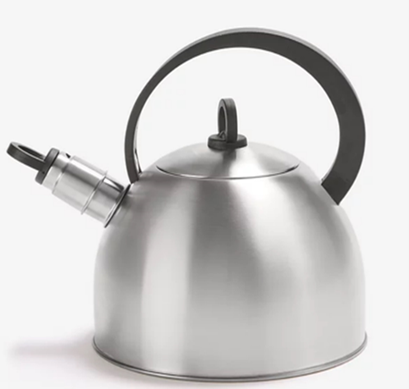
Macys is recalling Arch Studio tea kettles because the handle can detach during use, creating a burn hazard.

  • Specific hazard: The handle can detach when the kettle is heated, raising the risk of spills and burns.
  • Scope/stats: About 4,600 kettles sold at Macys stores and macys.com from August 2025 through February 2026 for about $50; three handle-detachment reports and no injuries.
  • Immediate action: Stop using the kettle and request a full refund; return the product using the prepaid label after completing the recall form.
Product

Macys Merchandising Group, Inc. is recalling Arch Studio-branded stainless-steel tea kettles with black handles and a 1.9-quart capacity. The kettles measure about 10.7 inches long, 7.59 inches wide and 8.62 inches high, and HJ10525 is etched on the underside. The company issued the recall after reports that the handle can detach during heating.

The hazard

According to CPSC, the tea kettles handle can detach during use when heated, which can cause hot liquid to spill and lead to serious burn injuries. Macys has received three reports of the handle detaching; no injuries were reported.

What to do

Consumers should stop using the recalled tea kettles immediately and contact Macys for a full refund in the form of a check for the purchase price. Consumers are instructed to complete a recall form to receive a prepaid shipping label and return the kettle; no receipt is required.

Company contact

Call Macys at 888-256-1541 (8:30 a.m. to 6 p.m. ET, Monday through Friday), email teakettle@realtimeresults.net, or visit https://www.recallrtr.com/teakettle.

Source


Pressure washer recalled for electrocution hazard

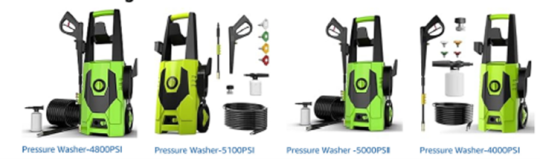
Agiiman is recalling certain electric pressure washers sold on Amazon because they lack built-in GFCI protection, raising shock and electrocution risks.

  • Specific hazard: The pressure washers lack an integral ground-fault circuit-interrupter (GFCI), which helps prevent fatal shocks.
  • Scope/stats: About 80 units sold on Amazon.com from October 2025 through November 2025 for about $90; no incidents reported.
  • Immediate action: Stop using the washer and request a full refund after cutting the power cord and providing a photo as proof of destruction.
Product

Jiangxi Runfuyuan Biotechnology Co., Ltd., doing business as Agiiman, is recalling Agiiman electric pressure washers rated from 4,000 to 5,100 PSI. The recalled washers are green and black or yellow and black and were sold with a 20-foot pressure hose and a 35-foot power cord. The recall was issued because the washers do not include an integral GFCI.

The hazard

CPSC warned that the pressure washers lack an integral GFCI, posing a serious risk of injury or death from shock and electrocution. Pressure washers are commonly used around water, which increases the danger if electrical protection is missing. No incidents or injuries have been reported.

What to do

Consumers should stop using the recalled pressure washers immediately and contact Agiiman for a full refund. The company will ask consumers to cut the power cord in half to destroy the unit and email a photo of the destroyed washer before disposing of it.

Company contact

Email Agiiman at agiimanservice@163.com.

Source


Casely power banks reannounced after fatal fire

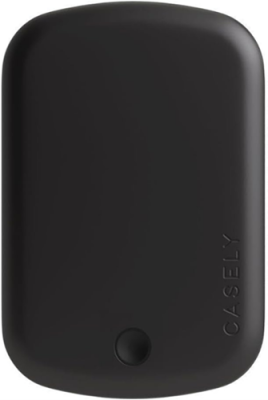
Casely reannounced its recall of Wireless Portable Power Banks after additional overheating and fire reports, including a fatality linked to a post-recall incident.

  • Specific hazard: The lithium-ion battery can overheat and ignite, creating serious fire and burn hazards.
  • Scope/stats: About 429,200 units (previously recalled in April 2025) sold online from March 2022 through September 2024 for $30 to $70; 28 additional reports, including one fatality and a serious airplane incident.
  • Immediate action: Stop using the power bank and request a free replacement; dispose of the device according to local rules for lithium-ion batteries.
Product

Casely is reannouncing the recall of its Wireless Portable Power Banks (Model E33A), which were sold online including at getcasely.com and Amazon. The company previously recalled the power banks in April 2025, but CPSC said more incidents were reported after that announcement. The hazard involves lithium-ion batteries that can overheat, swell, ignite or explode.

The hazard

CPSC said the recalled power banks lithium-ion battery can overheat and ignite, posing a risk of serious injury or death from fire and burns. Since the recall was first announced, there have been 28 additional consumer reports of overheating, expansion or fire, including two incidents that resulted in one fatality and one serious incident on an airplane. CPSC described an August 2024 incident in which a 75-year-old New Jersey woman suffered severe burns after a power bank caught fire and exploded while charging on her lap and later died from complications; a February 2026 airplane incident caused first-degree burns to a 47-year-old woman.

What to do

Consumers should immediately stop using the recalled wireless portable power banks and contact Casely for a free replacement. To obtain a replacement, consumers must submit two photographs through the companys recall webpage: one photo showing Recalled and the date written on the front of the device in permanent marker, and a second photo showing the model number on the back. Consumers should dispose of the power banks in accordance with local and state regulations for lithium-ion batteries.

Company contact

Call Casely at 888-964-9331 (9 a.m. to 5 p.m. ET, Monday through Friday), email recall@getcasely.com, or visit https://www.getcasely.com/pages/2025-recall.

Source


Generator fuel leak risk during first fill

Generac is recalling certain portable generators because fuel can leak from the carburetor during initial fueling, raising fire and burn risks.

  • Specific hazard: Gasoline can leak from the carburetor when first filling the generator, posing fire and burn hazards.
  • Scope/stats: About 149,400 generators sold in the U.S. (plus about 260 in Canada) from May 2025 through February 2026 for $600 to $1,300; 114 leak reports and no injuries.
  • Immediate action: Contact Generac for a repair; consumers with units already filled past E without leakage may be able to continue use as directed in the notice.
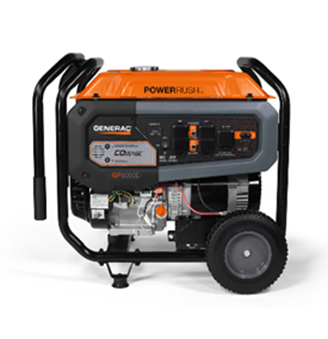
Product

Generac Power Systems is recalling certain Generac Portable Generators sold at major home improvement and hardware retailers and online. The issue involves a potential fuel leak from the carburetor when consumers first add gasoline. Because gasoline vapors can ignite, the company is directing owners to obtain a repair.

The hazard

CPSC said that when first filling the recalled generator with gasoline, fuel can leak from the carburetor, posing a risk of serious injury or death from fire or burns. Generac reported 114 fuel-leak reports and no injuries. CPSC noted that consumers whose generators have previously been filled with enough gasoline to move the gauge off E, or have been used without any gasoline leakage, can continue to be used.

What to do

Consumers should follow Generacs recall instructions to determine whether their unit needs service and to obtain the repair. If your generator has never been fueled, treat the first fill as the highest-risk moment and use caution, including keeping the unit away from ignition sources and following the manufacturers guidance until the repair is completed.

Company contact

Call Generac at 800-396-9951 (8 a.m. to 5 p.m. CT, Monday through Friday) or visit https://www.generac.com/about/recalls/GP-Carburetor.

Source


Electric pressure washer recalled for missing GFCI

Fengrong Tool is recalling electric pressure washers sold on Amazon because the units lack integral GFCI protection, creating shock and electrocution hazards.

  • Specific hazard: The pressure washers do not include an integral GFCI, increasing the risk of electric shock and electrocution.
  • Scope/stats: About 500 units sold on Amazon.com from October 2025 through January 2026 for $80 to $130; no incidents reported.
  • Immediate action: Stop using the washer and request a full refund after cutting the unplugged power cord and sending a photo to the company.
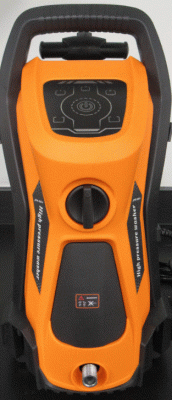
Product

Ningboaonadianzishangwuyouxiangongsi., doing business as Fengrong Tool, is recalling Fengrong Tool electric pressure washers sold in orange or green with black. The washers were marketed with features including a touch screen, five nozzles, and two-wheel or four-wheel configurations, with High pressure washer printed on the side. The recall was issued because the units lack an integral GFCI.

The hazard

CPSC said the recalled pressure washers lack an integral ground-fault circuit-interrupter (GFCI), a safety device designed to reduce the likelihood of fatal electric shock. Using a pressure washer around water and wet surfaces can increase the danger when GFCI protection is missing. No incidents or injuries have been reported.

What to do

Consumers should stop using the recalled pressure washers immediately and contact Fengrong Tool for a full refund. Consumers will be instructed to destroy the washer by cutting the unplugged power cord and emailing a photo of the destroyed unit before disposing of it.

Company contact

Email Fengrong Tool at fengrongservice@163.com.

Source


Pet vet toy parts expose button batteries

Letokids is recalling Sanlebi Pet Vet Playsets because button cell batteries in two components can be accessed by children, creating ingestion and internal burn risks.

  • Specific hazard: Button cell batteries in the nail grinder and otoscope can be easily accessed, creating a severe ingestion hazard.
  • Scope/stats: About 4,650 units sold on Amazon.com from June 2025 through January 2026 for $20 to $26; no incidents reported.
  • Immediate action: Remove the nail grinder and otoscope from children, take out and properly dispose of the batteries, and contact the company for the offered remedy.
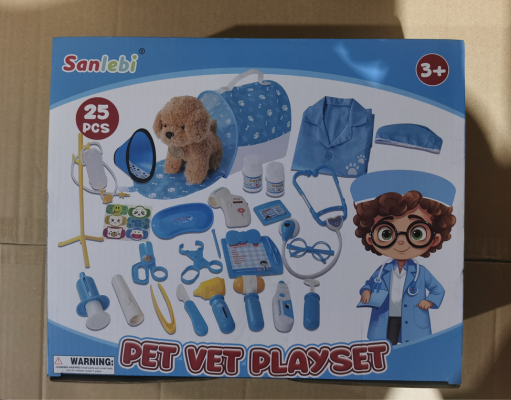
Product

Guangzhou Letao Keji Youxiangongsi, doing business as Letokids, is recalling the Sanlebi Pet Vet Playset (model MX094), a 25-piece role-play set sold in blue and white. CPSC said button cell batteries in the toy nail grinder and otoscope can be accessed by children. Button battery ingestion can cause rapid, life-threatening internal chemical burns.

The hazard

CPSC said the playset violates the mandatory standard for toys because the button cell batteries in the nail grinder and otoscope can be easily accessed. If swallowed, button cell or coin batteries can cause serious injuries, including internal chemical burns, and death. No incidents or injuries have been reported.

What to do

Consumers should immediately take the nail grinder and otoscope away from children, stop using them, and remove and properly dispose of the batteries. Consumers will be asked to throw away the nail grinder and otoscope components and email a photo of the disposed components to receive either a $5 refund or a replacement nail grinder and otoscope.

Company contact

Email Letokids at letorecall@outlook.com.

Source


Sweetcrispy pressure washer lacks shock protection

Sweetcrispy is recalling electric pressure washers sold on Amazon because the units lack integral GFCI protection, creating shock and electrocution risks.

  • Specific hazard: The washers lack an integral GFCI, which can leave users vulnerable to electric shock and electrocution.
  • Scope/stats: About 2,300 units sold on Amazon.com from July 2025 through January 2026 for $60 to $130; no incidents reported.
  • Immediate action: Stop using the washer and request a full refund by destroying the unit (cutting the power cord) and submitting a photo.
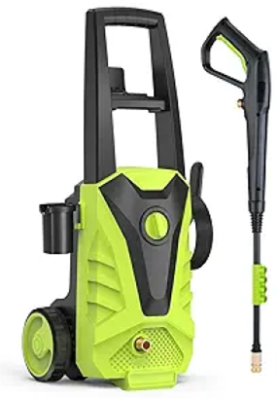
Product

Zhejiang Hengjian Home Furnishing Co Ltd., doing business as Sweetcrispy, is recalling Sweetcrispy 2 GPM electric pressure washers, model XCJ-K01. The recalled washers are green or blue with black and were sold with accessories including a foam cannon, five quick-disconnect nozzles and a 23-foot hose. The recall was issued because the pressure washers lack integral GFCI protection.

The hazard

CPSC said the recalled pressure washers lack an integral ground-fault circuit-interrupter (GFCI), posing a serious risk of injury or death from shock and electrocution hazards. Because pressure washers are used around water, missing electrical protections can significantly increase the risk. No incidents or injuries have been reported.

What to do

Consumers should stop using the recalled pressure washers immediately and contact Sweetcrispy for a full refund. Consumers will be asked to destroy the pressure washer by cutting the unplugged power cord and emailing a photo of the destroyed product, then dispose of the unit.

Company contact

Call 877-820-7778 (9 a.m. to 4 p.m. PT, Monday through Friday), email LR023784@outlook.com, or visit https://www.sweetcrispy.com/pages/product-safety-recall-notice-sweetcrispy-pressure-washer.

Source


LED finger lights recalled for battery access

ZMC Group is recalling LED Finger Beam Lights because children can access the button batteries, creating a potentially deadly ingestion hazard.

  • Specific hazard: Button cell batteries can be easily accessed; swallowed batteries can cause internal chemical burns and death.
  • Scope/stats: About 14,400 units sold at discount stores nationwide from August 2025 through March 2026 for about $1; no incidents reported.
  • Immediate action: Keep the product away from children, remove the batteries, and contact ZMC Group for a refund or replacement after destroying the toy as directed.
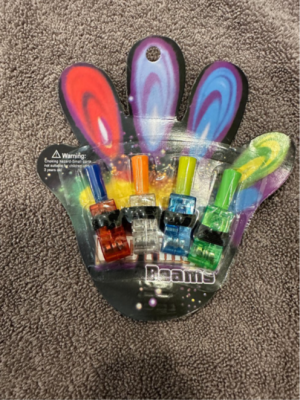
Product

ZMC Group, Inc. of Los Angeles is recalling LED Finger Beam Lights (model A10-8), a low-cost toy sold in packaging shaped like a hand. Each unit comes in four colors of light (red, white, blue and green) and contains three pre-installed AG3 button cell batteries. The recall was issued because the batteries can be accessed by children.

The hazard

CPSC said the recalled toys violate the mandatory safety standard for childrens toys because the button cell batteries can be easily accessed. If swallowed, button cell or coin batteries can cause severe internal chemical burns and can be fatal. No incidents or injuries have been reported.

What to do

Consumers should take the LED Finger Beam Lights away from children and stop using them immediately. Consumers should remove the batteries, break each component in half, and submit a photo of the destroyed pieces to ZMC Group to receive a full refund or replacement product.

Company contact

Call 888-407-3225 (9:30 a.m. to 5:30 p.m. PT, Monday through Friday), email recallzmctoy@gmail.com, or visit www.zmcgroupinc.com and click Recall.

Source


CPSC warning: Sperax treadmills can stop suddenly

CPSC is warning consumers to stop using Sperax Walking Pads and Treadmills immediately after reports of sudden speed changes, abrupt stops, and overheating that can lead to falls, burns and fires.

  • Specific hazard: Units can unexpectedly change speeds or stop abruptly, and may overheat or ignite, creating fall and fire/burn hazards.
  • Scope/stats: Sold online through e-commerce platforms including Amazon.com, Walmart.com, NewEgg.com and eBay.com; the warning covers models Pro, Q1, RM-01 and RM-02.
  • Immediate action: Stop using the walking pads/treadmills and dispose of them; do not sell or give them away.
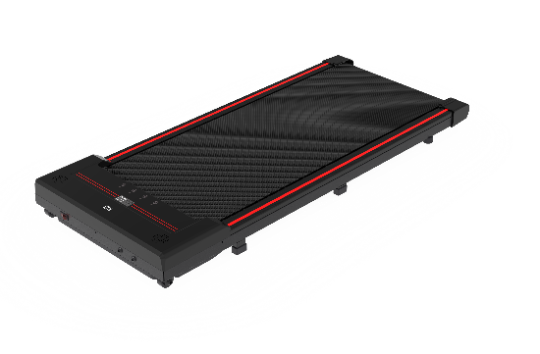
Product

The U.S. Consumer Product Safety Commission issued a public safety warning urging consumers to stop using Sperax Walking Pads and Treadmills immediately. The affected products were marketed under the Sperax brand and are black with red trim, including models Pro, Q1, RM-01 and RM-02. CPSC said the products can behave unpredictably and may also pose thermal risks.

The hazard

CPSC said the walking pads and treadmills can suddenly and unexpectedly change speeds and come to an abrupt stop, which can cause users to lose balance, fall and suffer serious injuries. The agency also warned about risks of overheating, fires and other thermal incidents, creating potential burn and fire hazards.

What to do

CPSC urges consumers to stop using the walking pads and treadmills immediately and dispose of them. Consumers should not sell or give away the products, and should report incidents or injuries involving these items to CPSC.

Company contact

Consumers can report incidents involving the Sperax Walking Pads or Treadmills, or any product-related injury, to CPSC at www.SaferProducts.gov.

Source


Good Brain Tonic recalled for botulism risk

Liquid Blenz Corp. is recalling all codes of Good Brain Tonic nationwide because of a potential botulism hazard.

  • Specific hazard: Potential foodborne illness risk from botulism, which can be life-threatening.
  • Scope/stats: Nationwide distribution in retail stores and via internet sales; affected product includes 16 oz (UPC 860010984468) and 32 oz (UPC 860010984475) bottles.
  • Immediate action: Do not consume the product and return it to the place of purchase for a full refund.
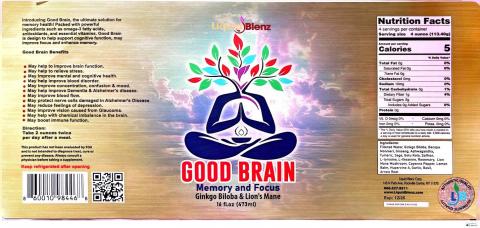
Product

Liquid Blenz Corp. is recalling its Good Brain Tonic after FDA posted a notice citing a possible health risk tied to botulism. The recall applies to all codes of Good Brain Tonic, including 16 oz and 32 oz bottles identified by the listed UPC codes. The product was distributed nationwide both in stores and through online sales.

The hazard

FDA warned that botulism is a potentially fatal form


Posted: 2026-04-17 19:26:30

Get Full News Story On Consumer Affairs


Listen to this article. Speaker link opens in a new window.
Text To Speech BETA Test Version.


More News From This Category
Consumer News: Sleep experts want this to be the last time Americans change their clocks
Thu, 08 Oct 2026 22:07:08 +0000

Experts are urging lawmakers to make standard time permanent for better sleep and safety

By Kristen Dalli of ConsumerAffairs
October 8, 2026
  • Americans will turn their clocks back one hour on Nov. 1 for the annual fall back time change.

  • Sleep experts are pushing Congress to make standard time permanent instead of continuing seasonal clock changes.

  • For now, consumers can make the transition easier by prioritizing sleep, morning sunlight, and a consistent schedule.


The annual fall back time change is almost here. On Sunday, Nov. 1, Americans will turn their clocks back one hour, beginning another stretch of standard time.

But sleep experts say they would like this to be the last time Americans have to make the switch.

The American Academy of Sleep Medicine and the Coalition for Permanent Standard Time are urging lawmakers to eliminate seasonal clock changes and keep the country on standard time year-round. Their position is that permanent standard time better matches the body's natural sleep-wake cycle and could support sleep, safety, and overall well-being.

Changing the clocks can have consequences for sleep, health, and safety, yet we require millions of Americans to do it twice a year, said Dr. Karin Johnson, sleep medicine physician and co-chair of the coalitions steering committee. This should be the last time we ever have to change our clocks. Lawmakers have an opportunity to end this cycle for good by choosing permanent standard time for brighter mornings, better sleep, and safer streets.

Why sleep experts favor standard time

There are currently two different approaches being considered in Congress. The Sunshine Protection Act, H.R. 139, would make daylight saving time permanent. The Sunshine for Our Kids Act, H.R. 9638, would establish permanent standard time nationwide.

The sleep experts support the latter option because sunlight plays an important role in regulating the body's internal clock. Brighter mornings can help people wake up, stay alert, and maintain healthier sleep patterns.

Permanent daylight saving time, on the other hand, would mean darker winter mornings. According to the experts, losing that morning light could interfere with sleep, mood, and daytime functioning. The group also points to the country's previous experience with year-round daylight saving time, which was reversed after concerns about dark mornings and public safety.

What consumers can do this fall

Whatever lawmakers ultimately decide, consumers still have to deal with the Nov. 1 time change.

The American Academy of Sleep Medicine recommends getting at least seven hours of sleep in the days before and after the change. It also suggests gradually shifting bedtime later in the days leading up to the transition, along with other routines such as meals and exercise.

Once the clocks change, sticking to a consistent wake-up time can help. Getting outside for morning sunlight may also help reset the body's internal clock. Consumers should also be mindful of afternoon caffeine while adjusting, particularly if it could interfere with nighttime sleep.

Parents may want to give children and teenagers some extra time to adjust, while keeping their bedtime routines consistent.

"Americans are tired of changing their clocks, Dr. Johnson added. As policymakers consider ways to end this practice, we encourage them to follow the science. Permanent standard time offers the best alignment with the bodys internal clock, making it the healthiest choice for sleep, safety, and well-being. The benefits are especially important for our adolescents and teens, who are particularly sensitive to the loss of morning light, helping to reduce depression and improve school performance."

Read More ...


Consumer News: Job scammers have a type this year: Here’s who’s on the list
Thu, 08 Oct 2026 22:07:08 +0000

Veterans, caregivers, and even cybersecurity professionals are finding themselves in scammers crosshairs

By Kristen Dalli of ConsumerAffairs
October 8, 2026
  • Job scammers are increasingly targeting specific groups: This includes veterans, parents and caregivers returning to work, and cybersecurity professionals.

  • Watch for red flags: Things like unsolicited job offers, personal email addresses, requests for sensitive information, and demands for money during the hiring process.

  • Know what to do if you suspect a scam: Job seekers should stop communicating, preserve evidence, protect their finances, and report the incident to the appropriate agencies and websites.


Job hunting can be stressful enough without having to wonder whether the job posting in front of you is even real. But scammers are increasingly taking advantage of people who may be especially eager to find work, tailoring fake job opportunities to specific groups and their circumstances.

Veterans leaving the military, parents and caregivers returning to the workforce, and even cybersecurity professionals are among those being targeted. With cyber-enabled crime continuing to rise, cybersecurity experts say job seekers should be especially careful about who they trust during the hiring process.

ConsumerAffairs spoke with Serena Sullivan, Cybersecurity Professor at National University, to learn more about how these groups are being targeted and what they can do to protect themselves.

How scammers are targeting job seekers

Sullivan explained that these can be presented in many different forms, and oftentimes, the job ads are written to appeal to certain types of candidates, taking advantage of generalizations about certain types of candidates.

A candidate may encounter fake job postings on all the job-seeking platforms, Sullivan said. No job-related website is immune from these types of postings. Attackers who are trying to scam people through job ads are typically going to use language and job descriptions that will appeal to different types of workers.

For example, a veteran with a clearance would likely be searching for a contracting position that requires clearance, whereas returning parents might be looking for a position that allows them to work around their childs school schedule.

Know the red flags to look for

Sullivan shared some of the top red flags that all job seekers should be aware of:

  • A company reaching out through an unsolicited phone call, text message or email with a too-good-to-refuse offer.

  • Emails that do not originate with professional domains, instead relying on Gmail, Yahoo, and other freely available email services.

  • A company asking the candidate to share hiring information, such as home address, social security number, banking information for direct deposit, or other personal details prior to an interview, or directly after a job interview.

In nearly all types of , including this one, attackers often rely on a sense of urgency, guiding the candidate through a fast process from initial contact to hiring, Sullivan explained. A massive red flag is if a company solicits money from a candidate. The scammers could request the candidate pay for training, buy equipment, or pay a fee to have an application processed.

Most legitimate companies will not ask for personal information via email, so if the company asks the candidate to fill out a Word document and send it via email, which would be an indicator of nefarious activity. Most larger companies use a hiring portal, such as Workday to manage recruits, so if they attacker is claiming to be from a large company, then sends the candidate a Word document, or even a link to fill out a JotForm or Google form, for example, then it would be a warning sign to the candidate that something unusual is happening.

Protecting your personal information in the job search

If youre on the job hunt, its important not to share all of your personal details right off the bat especially if youre uncertain about the legitimacy of a job posting.

A best practice for candidates is to visit the companys website by searching for it in a web browser, not using a website address that the scammer provided, Sullivan said. The job description should be listed on the companys official careers website. If the job is not listed, it could indicate the job is a scam.

What to do if youve fallen victim to a job scam

Job candidates who think they may have been targeted with a fake job opportunity can follow some steps to protect themselves.

Here are Sullivans best tips:

  • If you immediately recognize the contact as fake, stop communicating with the scammer.

  • Save the emails, text messages, or other documentation.

  • Take screenshots of fake websites, write down the timeline of how the situation progressed, and preserve the evidence in a safe place.

  • If the attacker obtained banking or other financial information, take immediate steps to notify your bank or credit card companies to report the fraud.

  • If the attacker was able to obtain your SSN, contact the three credit reporting agencies and put a hold on your social security number. The IRS will mail you a PIN, effectively stopping attackers from using the SSN.

  • Contact the Federal Trade Commission, the Federal Bureau of Investigation, and report the fake ad to the job-seeking website where the candidate encountered the ad.

  • If the attacker was impersonating a legitimate company, you can contact the company to provide the details of the attack to their security team.

Read More ...


Consumer News: How to score the best deals on Thanksgiving travel
Thu, 08 Oct 2026 22:07:08 +0000

A little flexibility and knowing when to book can help travelers keep more money in their wallets this holiday season

By Kristen Dalli of ConsumerAffairs
October 8, 2026
  • Stay flexible: Shifting your travel dates or destination by even a day or two could help you find lower prices.

  • Time your trip carefully: Avoiding peak travel days around Thanksgiving, such as the Wednesday before and Sunday after, may help you save.

  • Consider alternatives to hotels: Splitting a vacation home with family or friends and cooking some meals yourself could lower your overall costs.


Thanksgiving travel can get expensive quickly, especially for people trying to squeeze in a trip during one of the busiest times of the year.

But travelers dont necessarily have to pay top dollar to get where theyre going. A few smart moves, such as being flexible with travel dates, comparing different options, and watching for last-minute deals, could help bring the cost down.

ConsumerAffairs spoke with Alex Alioto, co-founder and head of growth at Whimstay, who shared some tips for travelers looking to save on their Thanksgiving getaways. From when to start looking to where travelers may find the biggest opportunities for savings, a little planning can go a long way when holiday travel costs start adding up.

Stay flexible on dates and destination

This is Aliotos top piece of advice when it comes to finding deals on Thanksgiving travel.

Flexibility is your biggest lever, he said. Travelers who can shift their dates by a day or two, or consider a destination that isn't the obvious choice, almost always come out ahead.

He explained that November is still considered somewhat of the shoulder travel season that in-between peak travel season for a lot of ski and mountain destinations. If this is what youre looking for this Thanksgiving season, Alioto says youre likely to find solid deals in places like Lake Tahoe, where cabins and lodges are quieter and more relaxed than they'll be by Christmas.

Know when to book and when to travel

If youre traveling by plane over the holidays, its best to give yourself a bit more of a cushion in terms of when to book. But if youre taking a roadtrip, you have a bit more flexibility.

For flights, the sweet spot is generally a couple of months out, so if you haven't booked yet, now is the time to start watching fares, Alioto recommended. For accommodations, there's more room to wait. Many properties still have open dates as the holiday approaches, and owners often get more flexible on price once they see a Thanksgiving week that hasn't filled.

If you're driving to a drive-to destination, you have even more flexibility to book closer in.

If your plans arent set in stone yet, Alioto says there are some days to avoid around Thanksgiving week.

The peak days are the Wednesday before and the Sunday after, so avoiding those is the easiest way to save, he said. Flying on Thanksgiving Day itself, or on the Tuesday before, is typically cheaper, and returning on the Saturday after or the following Monday or Tuesday can help too. Even shifting by a single day can make a noticeable difference.

Get creative

One of the best ways to save on Thanksgiving travel is to think about how to maximize space for your money.

Instead of paying for two hotel rooms, a family can split a single home with multiple bedrooms, which usually works out cheaper per person, Alioto said.

A full kitchen is the other big one. Cooking a few meals yourselves, or even a Thanksgiving dinner, saves a lot compared with eating out for every meal on a holiday week, when restaurants are also more crowded and pricier. And a home gives everyone room to spread out, which matters when you're traveling with kids or extended family.

Final tips

Some of the last things to consider for Thanksgiving travel: shoulder days and last-minute booking.

Shoulder days are an easy win, Alioto said. Arriving a day or two before the holiday crush, or staying through the weekend after, can lower your nightly rate and make the trip feel less rushed.

Last-minute booking is worth a look too, since owners would often rather fill an open night at a discount than leave it empty. Tools built for that window, like Whimstay, can be a helpful place to check as your dates get closer, especially for bookings within about 30 days of check-in.

Read More ...


Consumer News: Why does Costco check your receipt at the door? It's not just about shoplifting
Thu, 08 Oct 2026 22:07:07 +0000

That quick stop at the exit can catch checkout mistakes including ones that cost you money

By Kyle James of ConsumerAffairs
October 8, 2026
  • It's not just theft prevention: Costco says the primary reason for checking receipts is to make sure purchases were processed correctly.

  • It can catch an overcharge: The employee at the door isn't only looking for merchandise you didn't pay for.

  • And yes, there's a reason for that Sharpie: Marking the receipt shows that it's already been checked.


You paid for your Costco haul. The cashier handed you a receipt. You're 20 feet from freedom and then you inevitably hit another line.

A Costco employee wants to see your receipt. It might seem redundant because after all, didn't a Costco employee, or Costco's self-checkout machine, just ring everything up?

But Costco says there's a practical reason for that final check, and it isn't simply to catch shoplifters: They're checking Costco's work, too.

According to Costco, receipt checks are standard practice at its warehouses because the company wants to make sure purchases were correctly processed by its cashiers. Costco calls the process an effective way of maintaining accurate inventory while also ensuring members were charged correctly.

In other words, the employee isn't just looking for a $50 package of steaks hidden under the toilet paper. They're also looking for checkout mistakes.

For example, perhaps the cashier accidentally scanned a case of drinks twice. Or maybe you bought two of an item but were charged for three. Or maybe you bought gift cards or an expensive item that needed retrieval. The check before you leave verifies that you actually received what you paid for.

The receipt check gives Costco one last chance to catch an error before you reach the parking lot.

Pro tip: Don't automatically treat the receipt checker as an obstacle between you and the Costco food court. If you've got an expensive or unusually large order, pay attention while they're checking. They could potentially spot a mistake you missed.

So what's with the Sharpie?

After looking at your cart and receipt, the Costco employee typically marks the receipt before handing it back. That black mark shows that the receipt has already gone through the exit-check process.

And that's where one of the more interesting Costco urban legends comes in.

The story goes that without the mark, a dishonest shopper could buy a cart full of merchandise, take it to the car, then walk back into Costco with the original receipt.

They could theoretically load another cart with the same merchandise, walk toward the exit, and present the original receipt as proof they'd paid for everything. Essentially getting two carts of merchandise for the price of one.

It's a clever explanation for the Sharpie, and variations of the story have circulated among Costco shoppers for years.

And those smiley faces employees sometimes draw for kids? That's more Costco tradition than sophisticated loss-prevention technology.

Can you just refuse the receipt check?

Costco isn't quite the same as walking out of a typical supermarket. It's a membership club, and its current membership conditions explicitly say that receipts and merchandise will be inspected as members leave the warehouse.

So when you become a Costco member, you're agreeing to the policy as part of the membership rules. That's an important distinction in the perennial debate over whether shoppers have to stop for receipt checkers.

At Costco, the simpler consumer answer is that you agreed to the receipt inspection when you signed up.

Trying to save 30 seconds by blowing past the employee at the door probably isn't worth turning it into a membership issue.

The receipt checker may actually save you money

It's easy to look at Costco's receipt check as loss prevention. And obviously, making sure merchandise leaving the warehouse has been paid for helps Costco control its inventory.

But Costco's own explanation emphasizes something shoppers sometimes overlook: The check also helps make sure you paid the correct amount.

So next time you're standing there wondering why someone needs to inspect a receipt that was printed 45 seconds ago, remember they're not necessarily checking whether you did something wrong they're checking if Costco did, too.

Read More ...


Consumer News: As prices rise, buying second-hand has become a mainstream shopping habit
Thu, 08 Oct 2026 19:07:08 +0000

A new report finds secondhand purchases extend beyond thrift-store clothing

By Mark Huffman of ConsumerAffairs
October 8, 2026
  • A new survey found that 76% of Americans bought something secondhand in the past year, while nearly nine in 10 have purchased used goods at some point.

  • Younger consumers lead the trend, and nearly half of Americans already buy luxury items secondhand or would consider doing so.

  • Rising prices could encourage more resale shopping, as 53% said they would likely buy used more often if new products become more expensive.


Browsing through thrift and second-hand stores has long been an enjoyable shopping experience for a niche group of consumers. With inflation, its gone mainstream.

Buying secondhand has become a routine part of shopping for many Americans, according to a new report from The Consumer Collective.

The consumer insights and advisory firms report, Second Nature: The State of Secondhand Shopping in America, found that 76% of Americans purchased used goods during the past year. Nearly nine in 10 have bought something secondhand at some point, according to the companys announcement.

The findings suggest resale is becoming an increasingly important competitor for retailers selling new merchandise.

Younger shoppers lead

Millennials had the highest rate of secondhand purchasing in the past year, at 89%, followed by Generation Z at 85%. Among Americans age 62 and older, 59% reported buying used.

The survey also found that 44% of respondents were buying more secondhand merchandise than two years earlier. That figure reached 66% among Gen Z consumers.

Luxury goods are part of the shift. Nearly half of respondents 49% already purchase luxury items used or would consider it. That figure measures both existing buyers and potential customers, rather than current purchases alone.

Prices could push more purchases toward resale

Higher prices for new products could strengthen demand for secondhand alternatives. Some 53% of respondents said they would likely shop secondhand more often if prices for new merchandise continued rising.

For some consumers, used goods already account for a substantial share of purchases: One in three said more than a quarter of what they buy is secondhand.

Jessica Ramrez, co-founder of The Consumer Collective, said the implications extend across product categories.

Over time, we expect to see consumers gravitation towards secondhand pull spend from other retailers, Ramrez said in the announcement.

That is the firms forecast, rather than a measured decline in traditional retail sales. But the survey points to a consumer audience increasingly willing to consider previously owned merchandise when deciding where to spend.

The findings come from an online survey of 400 U.S. adults conducted in August 2026. The firm says the figures were stratified to U.S. Census demographics unless otherwise noted. The results describe respondents reported shopping habits and intentions, rather than tracked retail transactions.


As prices rise, buying second-hand has become a mainstream shopping habit

Photo By CNET

Read More ...


Related Bing News Results
Consumer Reports Tested 7 Cottage Cheese Brands — These 2 Came Out on Top
Thu, 08 Oct 2026 05:01:00 GMT
Buy the best version of this versatile, high-protein dairy product.
Not Pyrex: Consumer Reports says this stainless steel food container set is nearly perfect
Sun, 04 Oct 2026 06:39:00 GMT
Your new favorite food storage container set could be this pick from Consumer Reports, which received an almost perfect rating from the platform.
New Study by Consumer Reports reveals 9 in 10 Americans targeted by a cyberattack or digital scam attempt
Thu, 01 Oct 2026 03:00:00 GMT
Washington, DC – Consumer Reports (CR), along with Aspen Digital and the Global Cyber Alliance, released the fifth annual Consumer Cyber Readiness Report today, marking the beginning of Cybersecurity ...
Consumer Reports' Top Fast Food Breakfast Sandwich Offers Major Nutrition
Sun, 27 Sep 2026 12:39:00 GMT
Consumer Reports ranked this chain's fast food breakfast sandwich highly when it comes to nutritional value, without compromising on overall taste.
Kia, Mazda among Consumer Reports' 10 least reliable cars for 2026
Thu, 18 Dec 2025 10:55:00 GMT
Here's a year-end list you don't want to see your car on. Consumer Reports issued their 2026 Automotive Report Card Dec. 4, and included among its findings was a list of the least reliable cars for ...

Blow Us A Whistle


RobinsPost Print On Demand Refund Policy With Printify
Printify

Related Product Search/Búsqueda de productos relacionados

Amazon Logo





