

Rockin Robin SongFlying The Web For News.
RobinPost Logo Amazon Prime Deals


Consumer Daily Reports

Furniture, sandals, toys, and more are part of this week's recall roundup

By News Desk of ConsumerAffairs
July 17, 2026

Recall roundup: Consumer products and food alerts

Here is a roundup of newly announced recalls and safety warnings affecting home goods, children's products, apparel, household chemicals and food. Consumers should check products carefully and follow the instructions from the recalling firm or agency.

Currey chandeliers pose electrocution risk

Currey & Company is recalling hundreds of Nottaway chandeliers because some fixtures lack proper electrical grounding and can create a potentially deadly shock hazard.

  • The chandeliers can lack proper grounding, creating a risk of serious injury or death from electrocution.
  • About 447 units were sold nationwide and online from November 2025 through May 2026 for between $3,500 and $5,200.
  • Consumers should stop using the recalled chandeliers immediately and contact Currey & Company for a free replacement and installation assistance.

Product

Currey & Company, of Atlanta, Georgia, is recalling Nottaway chandeliers sold in gold, bronze and champagne finishes and in two sizes. The iron-and-brass fixtures include two-tier and three-tier versions, and only units with no visible screw on the outside of the top distributor cap are part of the recall.

The hazard

The recalled light fixtures do not have proper electrical grounding, which can expose consumers to a serious electrocution risk. No incidents or injuries had been reported at the time of the recall announcement.

What to do

Consumers should stop using the chandelier immediately and contact Currey & Company for a free replacement chandelier. The company said it will cover shipping and installation, reimburse consumers for the cost of removing the recalled chandelier and installing the new one by a licensed electrician, and provide a prepaid return package for the old fixture.

Company contact

Currey & Company can be reached toll-free at 800-899-7047 from 8:30 a.m. to 5:30 p.m. ET Monday through Friday, by email at recall@curreyco.com, or online at https://www.curreyandcompany.com/legalities/recall/ or www.curreyandcompany.com by clicking on Recall at the bottom of the page.

Source


SDADI step stools can trap children

Yiwushi Bihe Trading is recalling SDADI kitchen step stools after reports that the towers can collapse or tip and allow a child's torso to pass through side openings.

  • The tower stools can collapse or tip over, and the front and back openings can create entrapment risks for children.
  • About 5,952 units were sold on Amazon.com, Walmart.com, Target.com and Best Buy.com from April 2024 through September 2025 for between $45 and $155.
  • Consumers should stop using the stools immediately, keep them away from children and request a full refund.

Product

Yiwushi Bihe Trading Co., Ltd., of China, is recalling SDADI Kitchen Step Stools, models LT01 and LT05. The children's tower stools were marketed for kitchen use but can become unstable during normal use.

The hazard

The recalled stools can collapse or tip over while a child is standing on them, creating serious fall and tip-over dangers. In addition, a child's torso can fit through the front and back openings, posing an entrapment hazard. The company said it is aware of eight reports of instability or tip-overs, including four injuries involving scrapes, cuts and bruises.

What to do

Consumers should stop using the recalled stools immediately, store them where children cannot access them and contact Yiwushi Bihe Trading for a full refund. Because the risk involves both instability and entrapment, families should not continue using the stools while waiting for a response.

Company contact

Yiwushi Bihe Trading can be reached by email at john@SDADI.net.

Source


Target sandals create choking danger

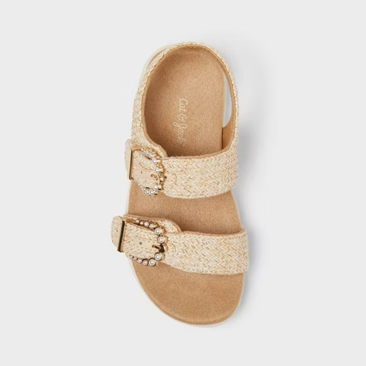
Target is recalling Cat & Jack children's sandals because decorative pearls can detach and create a choking hazard for young children.

  • The sandals' plastic pearls can fall off and create a serious choking hazard.
  • About 211,000 pairs were sold at Target stores nationwide and on target.com from January 2026 through May 2026 for about $20.
  • Consumers should stop using the sandals immediately, take them away from children and return them for a full refund.
Product

Target, of Minneapolis, is recalling Cat & Jack-branded children's sandals sold in tan with two raffia straps, gold buckles and plastic pearls. The sandals were sold in toddler sizes 5T through 12T, with the brand printed on the sole and bottom.

The hazard

The pearls attached to the sandals can detach during use, creating a choking hazard for children. Target said it received 23 reports of pearls falling off the shoes. No injuries had been reported.

What to do

Consumers should stop using the recalled sandals immediately and take them away from children. Target is offering a full refund and said consumers can return the sandals to any Target store or use a prepaid label to send them back by mail.

Company contact

Target can be reached toll-free at 800-591-3869 from 7 a.m. to 10 p.m. CT daily, online at www.target.com/help/articles/news-safety/product-recalls, or at www.target.com by clicking on Recalls at the bottom of the page.

Source


Finger light toys expose button batteries

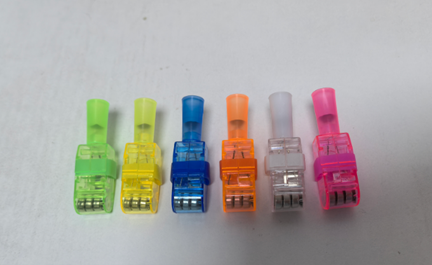
Delightmi is recalling Oitnlaughter projecting finger light toys sold on Amazon because children can access the internal button cell batteries.

  • The toys violate the mandatory toy safety standard because button cell batteries are easily accessible and can cause internal burns or death if swallowed.
  • About 1,012 sets were sold on Amazon.com from July 2025 through April 2026 for about $14.
  • Consumers should stop using the toys immediately, keep them away from children and contact Delightmi for a full refund.
Product

Shenzhen Dami Trading Co., Ltd., doing business as Delightmi, is recalling Oitnlaughter-branded LED Finger Lights sold in sets of 36. The multi-colored finger lights project animal images including a tiger, elephant, rabbit, panda, butterfly and duck when activated.

The hazard

Each finger light contains three button cell batteries, and the toys fail the mandatory safety standard because children can access those batteries too easily. If swallowed, button cell or coin batteries can cause severe internal chemical burns and can be fatal. No incidents or injuries had been reported.

What to do

Consumers should stop using the recalled toys immediately and take them away from children. Delightmi is offering a full refund, but consumers will be asked to dispose of the finger lights in the trash and send a photo of the discarded product to the company by email.

Company contact

Delightmi can be reached by email at delightmi@outlook.com.

Source


Wayfair dressers can tip over

Wayfair-sold Wade Logan Annyka fabric dressers are being recalled because the units can tip if not anchored and do not meet the federal clothing storage safety standard.

  • The dressers are unstable when not anchored to a wall, creating tip-over and entrapment hazards for children.
  • About 180 units were sold on Wayfair.com from September 2023 through May 2026 for about $98.
  • Consumers should stop using unanchored dressers immediately, move them away from children and contact the importer for a full refund.

Product

Ningbo Jiangdong Peter International Trading is recalling Wade Logan Annyka 9-Drawer Fabric Dressers imported from China and sold through Wayfair. The fabric-and-metal dressers came in black, brown, gray and white and measure about 39.4 inches long, 11.8 inches wide and 39.4 inches tall.

The hazard

The dressers can tip over if they are not anchored to the wall, creating a serious risk of injury or death to children from tip-over and entrapment. The units also violate the mandatory federal standard for clothing storage units required by the STURDY Act. No incidents or injuries had been reported.

What to do

Consumers should stop using the recalled dressers immediately if they are not anchored to the wall and place them where children cannot access them. The importer said consumers should contact the company for instructions on identifying affected units and disposing of the dressers to receive a full refund, and they will be asked to submit a photo showing disposal.

Company contact

Ningbo Jiangdong Peter International Trading can be reached toll-free at 833-423-1158 from 8 a.m. to 5 p.m. ET Monday through Friday or by email at annykarecall@yeah.net.

Source


Flashgitz copper cup contains dangerous lead

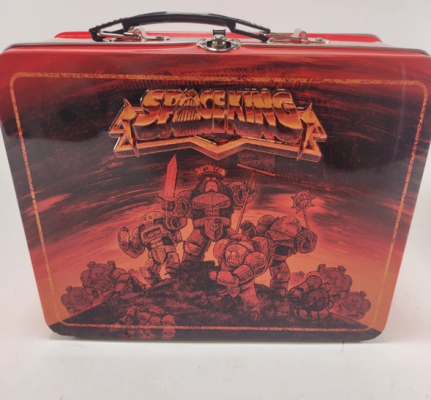
Warren James is recalling the copper cup included in Flashgitz Relic Lunch Boxes because the drinking vessel contains excessive lead.

  • The copper cup contains high lead levels for a drinking vessel, creating a poisoning hazard for adults and children.
  • About 7,000 cups were sold as part of Flashgitz-branded Space King No Girls Allowed Relic Lunch Boxes from September 2025 through October 2025 for about $25.
  • Consumers should stop using the cup immediately and contact Warren James for a replacement cup.
Product

Warren James, Inc., of Santa Monica, California, is recalling only the copper cup packed inside Flashgitz-branded Space King No Girls Allowed Relic Lunch Boxes. The retro-style box also included a figurine, a Zippo lighter case, a pack of condoms and other collectibles, but those other items are not part of the recall.

The hazard

The copper cup contains lead concentrations above what is allowed for drinking vessels. Lead is toxic if ingested and can cause adverse health effects in both adults and children. No incidents or injuries had been reported.

What to do

Consumers should stop using the recalled cups immediately and contact the company for replacement instructions. The firm said customers who bought the lunch boxes directly from Warren James will be sent a free replacement cup using the address from the original order, and consumers should dispose of the recalled cup according to local waste rules. The lunch box and other contents can continue to be used.

Company contact

Warren James can be reached by email at customersupport@warrenjames.org Monday through Friday from 9 a.m. to 5 p.m. ET, or online at https://flashgitz.shop/recall or https://flashgitz.shop by clicking on Recall.

Source


Madewell sweaters raise fire concerns

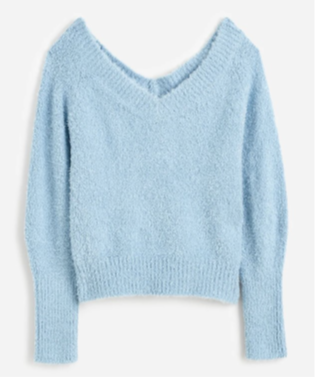
Madewell is recalling two women's sweater styles because the garments do not meet the federal flammability standard for clothing textiles.

  • The sweaters violate the mandatory clothing textile standard and pose a risk of burn injuries or death if they catch fire.
  • About 5,900 sweaters were sold at Madewell and T.J. Maxx stores nationwide and online from December 2024 through October 2025 for between $138 and $148.
  • Consumers should stop using the sweaters immediately and contact Madewell for a refund or store credit.
Product

J. Crew Group, LLC is recalling two Madewell-branded styles: the Double V-Neck Pullover and V-Neck Cardigan. The long-sleeve sweaters were sold in light blue and cream, with or without buttons, in sizes XS through L, and carry style numbers NT611 or NT612.

The hazard

The sweaters fail to meet the federal standard for clothing textiles, creating a risk of serious burn injuries or death. The company said it received one report of a sweater catching fire, though no injuries were reported.

What to do

Consumers should stop using the recalled sweaters immediately and contact Madewell for a full refund in the original form of payment or store credit. The company said consumers will be asked to destroy the sweaters by cutting them in half, send a photo of the destroyed product by email and then dispose of the garments.

Company contact

Madewell can be reached toll-free at 866-544-1937 from 9 a.m. to 9 p.m. ET Monday through Sunday, by email at 24-7@madewell.com, or online at www.madewell.com/c/product-recall/ or Madewell.com by clicking Recall.

Source


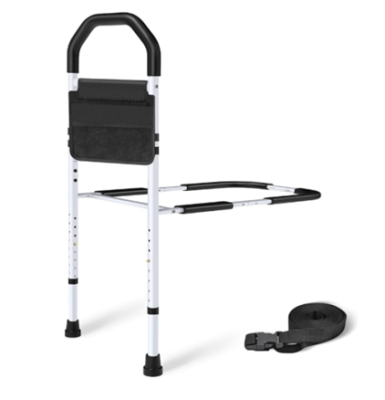
Adult bed rails pose entrapment threat

MNIENT adult portable bed rails sold on Amazon are being recalled because users can become trapped in or around the rails and face a risk of asphyxiation.

  • The bed rails can create entrapment and asphyxiation hazards, and they also fail stability and push-pin safety requirements.
  • About 330 units were sold on Amazon.com from January 2026 through March 2026 for about $66.
  • Consumers should stop using the bed rails immediately and contact the seller for a full refund.
Product

Zhuzhoushizuisuanshangmaoyouxiangongsi is recalling MNIENT-branded adult portable bed rails, model LQX-110055. The recalled rails have a white frame, black foam rubber handle grips and a black fabric pouch, and they measure about 13 inches wide by 39 inches high.

The hazard

The recalled rails violate the mandatory federal standard for adult portable bed rails because users can become entrapped in the rail or between the rail and the mattress, which creates a risk of death by asphyxiation. CPSC also said the rails do not meet structural stability or retention strap requirements, creating a fall hazard, and the push pins and pin holes are incorrectly sized, creating a laceration hazard. No incidents or injuries had been reported.

What to do

Consumers should stop using the recalled bed rails immediately and contact the seller for a full refund. The company said consumers will be asked to cut the foam padding on the handle grips, take a photo of the destroyed rail and email that photo before receiving the refund.

Company contact

Zhuzhoushizuisuanshangmaoyouxiangongsi can be reached by email at mnientrecall@outlook.com.

Source


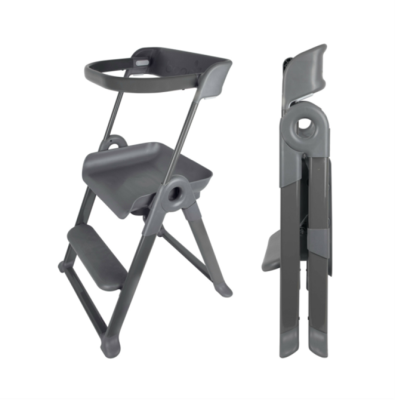
Boon toddler towers can tip

TOMY is recalling Boon PIVOT collapsible toddler tower kitchen step stools after reports that the towers can become unstable and tip while children are using them.

  • The toddler towers can tip over while in use, creating serious tip-over and fall hazards.
  • About 116,908 units were sold in the United States, plus about 2,033 in Canada, through Target.com, Amazon.com and Babylist.com from January 2023 through June 2026 for around $150.
  • Consumers should stop using the towers immediately and contact TOMY for a free repair part.
Product

TOMY International, Inc., of Oak Brook, Illinois, is recalling Boon PIVOT Toddler Tower Kids Kitchen Step Stools sold in gray and white. The metal-and-plastic towers measure about 22 inches wide, 23 inches deep and 35 inches tall, with the word boon visible along the top rail.

The hazard

The recalled toddler towers can tip over while a child is standing on them. TOMY said it is aware of 11 reports that the towers were unstable and shifted, leaned or otherwise moved unexpectedly. No injuries had been reported at the time of the recall.

What to do

Consumers should stop using the recalled towers immediately and store them away from children until they are repaired. TOMY said it will provide a stabilizing repair part and installation instructions at no cost, and the parts will be mailed directly to consumers.

Company contact

TOMY can be reached toll free at 866-725-4407 from 8 a.m. to 4 p.m. CT Monday through Friday, by email at cs@tomy.com, or online at https://recall.tomy.com/pivot or https://us.tomy.com by clicking on Product Recalls at the top of the page.

Source


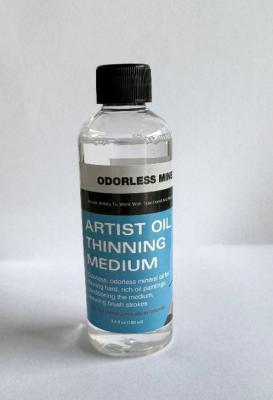
Paint thinner bottles lack child-resistant caps

Shenzhen Gudebo Technology is recalling Liizousuda paint thinner bottles because the packaging is not child-resistant, creating a poisoning risk for young children.

  • The bottles contain petroleum distillates and do not have required child-resistant packaging, creating a risk of poisoning and potentially fatal lung injury if swallowed.
  • About 4,200 bottles were sold on Amazon.com from March 2025 through February 2026 for about $10.
  • Consumers should move the product out of children's reach immediately and contact the seller for a replacement bottle with a child-resistant closure.
Product

Shenzhen Gudebo Technology Co. Ltd., of China, is recalling Liizousuda paint thinner bottles sold as Odorless Mineral Spirit and Artist Oil Thinning Medium. The recalled product comes in a clear bottle with a black cap and a wraparound label.

The hazard

The paint thinner contains low-viscosity petroleum distillates, which federal law requires to be sold in child-resistant packaging. CPSC said the bottles are not child-resistant, creating a poisoning risk if young children swallow the contents. Petroleum distillates can also enter the lungs and cause chemical pneumonia or pulmonary damage, which can be fatal. No incidents or injuries had been reported.

What to do

Consumers should immediately secure the recalled paint thinner out of the sight and reach of children and contact Shenzhen Gudebo Technology for instructions. The company said it will provide a replacement bottle with a child-resistant closure, and consumers should transfer the contents from the recalled bottle into that safer container.

Company contact

Shenzhen Gudebo Technology can be reached by email at gudebo888@outlook.com.

Source


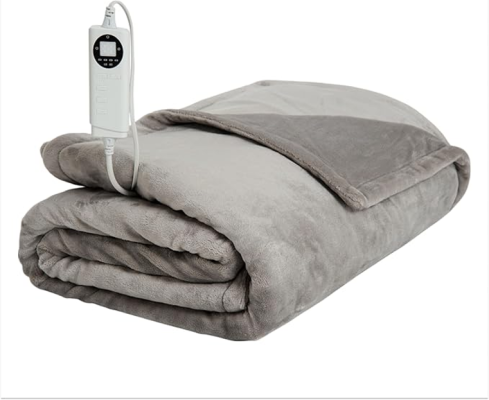
Melinora heated blankets pose burn risk

CPSC is warning consumers to stop using Melinora electric heated blankets immediately because the internal heating elements can overheat and melt through the fabric.

  • The blankets can overheat and melt through the polyester material, creating burn and fire hazards.
  • The products were sold on Amazon.com from February 2025 through October 2025 in multiple sizes.
  • Consumers should stop using the blankets immediately, dispose of them and never sell or give them away.
Product

CPSC issued a safety warning covering Melinora Electric Heated Blankets sold online. The gray polyester fleece blankets are machine washable, come in multiple sizes and include an attached white remote with 10 heat settings.

The hazard

According to CPSC, the internal wire heating elements can overheat and melt through the blanket's polyester fabric. That can expose consumers to burns and can also ignite a fire. The warning notice did not list a remedy from a company and instead urged consumers to stop using the product.

What to do

Consumers should stop using the defective blankets immediately and dispose of them. CPSC said consumers should not sell the blankets, donate them or give them away to anyone else because the hazard remains with the product.

Company contact

CPSC asked consumers to report any incidents involving injury or product defects at www.SaferProducts.gov.

Source


Houswise fire pits can erupt

CPSC is warning consumers to stop using Houswise tabletop fire pits because they can trigger uncontrolled pool fires and flame jetting.

  • The fire pits can cause pooled alcohol fires and flame jetting from fuel containers, creating a risk of severe or fatal burns.
  • The products were sold on Houswise.com, Amazon.com, Walmart.com and other websites since March 2023.
  • Consumers should stop using the fire pits immediately, dispose of them and do not resell or give them away.
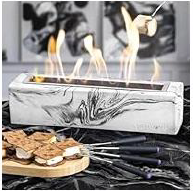
Product

CPSC issued a warning about Houswise Tabletop Fire Pits sold through the company's website and major online marketplaces. The agency said the products can behave unpredictably when used with alcohol fuel.

The hazard

CPSC said using the fire pits can result in uncontrolled pool fires, in which flames spread across pooled or spilled alcohol, and can also cause flame jetting from fuel containers. Those events can produce serious or fatal burn injuries. The warning urges consumers to stop using the products right away.

What to do

Consumers should stop using the tabletop fire pits immediately and dispose of them. CPSC also said consumers should not sell, donate or give away the fire pits because other people could suffer the same severe burn risks.

Company contact

CPSC asked consumers to report any incidents involving injury or product defects at www.SaferProducts.gov.

Source


Rice balls recalled over peanuts

Khong Guan Corporation is recalling Glutinous Rice Balls with Black Sesame Filling because the product may contain undeclared peanuts.

  • The product may contain undeclared peanuts, creating a risk of serious or life-threatening allergic reactions for people with peanut allergies.
  • The affected product carries UPC 6-908791-000053 and date code 10/19/2027 and was distributed in AZ, CA, CO, HI, NJ, NV, OR, TX and WA through online and retail stores.
  • Consumers should not eat the product and should return it to the place of purchase for a full refund.

Product

Khong Guan Corporation issued an FDA-posted recall for Glutinous Rice Balls with Black Sesame Filling. The problem is an undeclared peanut risk, which means the product label may not adequately warn allergic consumers before they eat it.

The hazard

People who have a peanut allergy or severe sensitivity to peanuts face the risk of serious or life-threatening allergic reactions if they consume the affected rice balls. The FDA notice did not list illnesses in the supplied recall summary, but the risk is considered serious because allergic reactions can escalate quickly.

What to do

Consumers who purchased the affected product should not consume it. The company said customers should return it to the place of purchase for a full refund, and households with allergy concerns should make sure the product is removed from freezers or food storage areas promptly.

Company contact

Khong Guan Corp. can be reached at 1-877-889-8968.

Source


Expanded rice ball recall widens

Khong Guan Corporation has expanded its peanut-allergen recall to include an additional black-and-white variety of glutinous rice balls with black sesame filling.

  • The affected products may contain undeclared peanuts, creating a serious or life-threatening allergy risk for sensitive consumers.
  • The expanded recall covers two UPCs and multiple use-by dates distributed in AZ, CA, CO, HI, NJ, NV, OR, TX and WA from June 2, 2026 to July 8, 2026 through online and retail stores.
  • Consumers should not consume the recalled rice balls and should return them to the place of purchase for a full refund.

Product

In an expanded FDA-posted recall, Khong Guan Corporation said the action now includes both Glutinous Rice Balls with Black Sesame Filling and Black & White Glutinous Rice Balls with Black Sesame Filling. The expanded notice identifies UPC 6908791000053 with use-by dates 9/22/2027 and 10/19/2027, and UPC 6908791000084 with use-by date 10/19/2027.

The hazard

As with the earlier recall, the risk is undeclared peanuts. For consumers with a peanut allergy or severe sensitivity, eating the affected rice balls could trigger a serious or life-threatening allergic reaction. The expanded recall broadens the number of products consumers should check in their homes.

What to do

Consumers who purchased any of the listed products should not eat them and should return them to the place of purchase for a full refund. Anyone managing food allergies should verify both the UPC and use-by date on packages before deciding whether a product is affected.

Company contact

Khong Guan Corp. can be reached at 1-877-889-8968.

Source


Posted: 2026-07-17 19:32:36

Get Full News Story On Consumer Affairs


More News From This Category
Consumer News: Energy drinks can give you a boost — but your heart may pay the price
Tue, 18 Aug 2026 16:07:12 +0000

A cardiologist explains how these drinks affect your body

By Mark Huffman of ConsumerAffairs
August 18, 2026
  • Energy drinks can contain anywhere from 80 to 400 milligrams or more of caffeine per can, along with sugar and other stimulants that may affect the heart and blood vessels.

  • Research cited by a UTHealth Houston cardiologist found that a large energy drink can impair blood vessels ability to expand within just 90 minutes.

  • Healthy adults should keep total caffeine consumption below 400 milligrams a day, while children, teens, and certain higher-risk adults should avoid energy drinks, according toa cardiologist.


That energy drink promising to get you through an afternoon slump may do more than make you feel awake.

Energy drinks typically combine caffeine with sugar and ingredients such as taurine, guarana, ginseng, and B vitamins. While that mixture can temporarily increase alertness, it can also raise heart rate and blood pressure and affect how blood vessels function, according to Dr. John Higgins, a professor of medicine and sports cardiology at McGovern Medical School at UTHealth Houston.

Caffeine works by blocking adenosine, a chemical in the brain involved in making us feel tired. Its effects can kick in within 30 to 120 minutes and persist for hours, depending on factors such as genetics and a person's tolerance to caffeine.

Some energy drinks also pack a significant amount of sugar 50 grams or more in a single can, according to Higgins. That can contribute to a short-lived energy boost followed by a crash.

The ingredients aren't always straightforward

Consumers looking at the label may find more than caffeine.

Guarana and yerba mate, for example, can add additional caffeine. Other ingredients can include taurine and stimulants such as yohimbine, which Higgins says may increase anxiety, blood pressure, and the risk of heart rhythm problems.

Proprietary blends can make it more difficult to determine exactly how much of an individual ingredient a drink contains because manufacturers may disclose the combined weight of several ingredients rather than the amount of each one.

And those enormous doses of B vitamins advertised on some cans aren't necessarily providing extra energy. Higgins says taking far more than the recommended daily amount won't produce additional energy in someone who isn't deficient.

Your blood vessels may react quickly

The potential cardiovascular effects are one of the bigger concerns.

Research cited by Higgins found energy drinks increased systolic blood pressure by about 4.4 mmHg on average. Another trial found that an energy drink produced greater changes in the heart's electrical activity than caffeine alone, suggesting that the combination of ingredients may matter.

Higgins' own research has found effects on blood vessel function. In one study involving healthy young adults, consuming a large energy drink reduced the blood vessels' ability to relax and expand by nearly half within 90 minutes.

Another finding cited by Higgins involved a 24-ounce energy drink. A measure of artery function known as peak flow-mediated dilation dropped from 5.9% to 1.9% after 90 minutes despite relatively little change in participants' heart rate and blood pressure.

That means a person might not necessarily feel that something is happening to their cardiovascular system.

Severe reactions aren't the norm, but cases involving irregular heart rhythms, chest pain, and cardiac arrest have been associated with heavy or rapid energy-drink consumption, particularly among people with underlying heart problems.

More common side effects include headaches, jitters, insomnia, nausea, and heart palpitations. One survey cited by Higgins found that more than half of young people who consumed energy drinks reported at least one adverse reaction.

How much is too much?

There's no universal answer because caffeine content varies enormously. One can may contain about 80 milligrams while another can pack 400 milligrams or more.

Higgins recommends healthy adults limit their total caffeine intake from all sources to less than 400 milligrams per day. That includes coffee, tea, soda, supplements, pre-workout products, and energy drinks. He also advises against combining several stimulant-containing products during the same day or mixing energy drinks with alcohol.

Children and teenagers should avoid energy drinks entirely, Higgins says. Women who are pregnant or breastfeeding, have high blood pressure or heart conditions, or are particularly sensitive to caffeine should also avoid them.

Consumers should also remember that energy drinks and sports drinks aren't the same thing. Sports drinks are intended to replace fluids and electrolytes, while energy drinks contain stimulants and shouldn't be used primarily for hydration.

Finally, some symptoms warrant immediate attention. Higgins says people should stop consuming caffeine and seek medical help if they experience chest pain, fainting, a racing or irregular heartbeat, severe shortness of breath, confusion, or seizures.


Energy drinks can give you a boost — but your heart may pay the price

Photo By CNET

Read More ...


Consumer News: Why is Google buying defunct Spirit Airlines’ internal data?
Tue, 18 Aug 2026 16:07:12 +0000

The company said it plans to use it to train AI

By Mark Huffman of ConsumerAffairs
August 18, 2026
  • Google agreed to pay $10 million for a massive collection of Spirit Airlines internal business data, including employee emails, Microsoft Teams chats, spreadsheets, calendars and operational information.

  • The companies say customer information and personally identifiable information will be excluded, with the data de-identified by a third party before Google receives it.

  • Even with those safeguards, the unusual sale raises privacy questions for former Spirit employees whose workplace communications could ultimately be used to help develop and train Googles AI systems.


Google is preparing to spend $10 million on an unusual asset from bankrupt Spirit Airlines: its data.

The technology giant won a bankruptcy auction for a vast collection of the airlines internal digital records, including roughly 100 million emails and 500 million Microsoft Teams chats, according to reports on court filings. The package also includes documents, spreadsheets, calendar information, software and data related to areas such as marketing, productivity and airline operations.

Google has said the information could be used to improve its products and train artificial intelligence models. The transaction still requires bankruptcy court approval, with a hearing scheduled for Aug. 19.

The deal illustrates how valuable private corporate information is becoming as technology companies seek new sources of data for AI development. But it also raises an important question: What happens to the privacy of the people whose emails and workplace conversations are part of the dataset?

What data is Google getting?

This isn't primarily a database of passenger records.

The assets reportedly include Spirit employees emails, Teams conversations, calendars and spreadsheets, along with business and operational information. Google outbid AI data company Mercor, which offered $7.5 million for the assets.

That distinction matters for consumers. Reports on the proposed transaction say customer information and personally identifiable information will not be included in the data Google ultimately receives. A third party is expected to de-identify the material before the transfer is completed.

"We acquired part of an enterprise dataset from Spirit Airlines, which can be helpful in improving our products and AI models," a Google spokesperson said in a statement.

"We will not receive any personal information from this dataset. Any data we receive will be rigorously scrubbed of any personally identifiable information by a third party before receipt."

That means travelers shouldn't assume Google is purchasing a database containing their names, credit card numbers or individual booking histories. Based on the publicly reported terms of the deal, those types of customer records are supposed to be excluded.

So, are there privacy concerns?

Potentially but they are different from the most obvious concern that Google might suddenly receive millions of Spirit passengers personal details.

Complicated privacy issue

The more complicated privacy issue involves employees and other people who may appear in Spirit's internal communications.

Workplace emails and chat messages can contain names, opinions, personnel discussions, conversations with vendors and other information that wasn't necessarily written with the expectation that it would someday become training material for another company's AI systems.

De-identification should substantially reduce that risk if it is done effectively. But removing obvious identifiers such as names and email addresses doesn't necessarily eliminate every possibility that a person could be identified from context, particularly across an enormous collection of interconnected communications.

There is also a broader question of expectations. Employees generally understand that workplace communications belong to their employer and may be retained or reviewed. Selling hundreds of millions of those communications as an asset in bankruptcy for AI development is a considerably less familiar use.

The scale makes the issue particularly significant: reported figures put the collection at about 100 million emails and 500 million Teams conversations.

Consumers have reason to pay attention

Spirit has faced privacy litigation before, although it is unrelated to Google's proposed purchase.

In May, a federal appeals court addressed a lawsuit alleging that Spirit used third-party "session replay" software capable of recording website visitors' interactions. The court upheld dismissal because the plaintiffs had not adequately established a concrete privacy injury, while modifying the dismissal to be without prejudice.

That case does not establish that Google's data purchase creates a privacy violation. It does, however, demonstrate how questions about what companies collect, how information is used and what constitutes a legally recognizable privacy injury can become complicated quickly.

A new kind of asset in bankruptcy

Perhaps the biggest significance of Google's purchase is what it says about the value of corporate data itself.

Bankrupt companies traditionally sell aircraft, real estate, intellectual property and other tangible or clearly defined assets to repay creditors. The Spirit auction suggests years of internal emails, chats and operational records can also carry a multimillion-dollar price tag particularly when AI companies are looking for large collections of real-world information unavailable on the public internet.

Google's $10 million bid also wasn't uncontested. Mercor's competing $7.5 million offer demonstrates that more than one AI company saw substantial value in the dataset.


Why is Google buying defunct Spirit Airlines’ internal data?

Photo By CNET

Read More ...


Consumer News: Bond yields are rising: For consumers, that’s good and bad news
Tue, 18 Aug 2026 16:07:12 +0000

Borrowing costs are rising, but so is the return on savings

By Mark Huffman of ConsumerAffairs
August 18, 2026
  • Long-term Treasury yields are climbing to levels not seen in years, as investors worry about inflation, higher government borrowing, and geopolitical risks.

  • Higher yields can make mortgages and other loans more expensive, putting additional pressure on consumers already facing elevated borrowing costs.

  • There is an upside: Savers and investors can earn more on Treasurys and may continue to find attractive rates on CDs and high-yield savings accounts.


Treasury bond yields are climbing sharply, and the move could show up in consumers finances in ways that are both painful and potentially profitable.

The yield on the benchmark 10-year U.S. Treasury was around 4.74% Tuesday, near its highest level since early 2025, while the 30-year yield climbed above 5.2%, reaching its highest level since 2007.

That matters well beyond Wall Street. Treasury yields act as a benchmark for borrowing costs throughout the economy, influencing everything from mortgage rates to corporate borrowing. They can also affect how much consumers earn on relatively safe places to keep their money.

Why are Treasury yields rising?

Bond prices and yields move in opposite directions. When investors sell Treasury bonds, their prices fall and their yields rise. Right now, investors are demanding more compensation to hold long-term government debt.

One reason is inflation.

Oil prices have climbed amid continuing conflict involving the U.S. and Iran and uncertainty surrounding the Strait of Hormuz. Higher energy costs can feed into transportation, manufacturing, and ultimately consumer prices, raising concerns that inflation could remain elevated.

Inflation is particularly important for long-term bonds because it erodes the purchasing power of the fixed payments investors receive. If investors believe inflation will be higher in the future, they generally demand higher yields to compensate for that risk.

Another concern is government borrowing.

The federal government continues to run large budget deficits, requiring the Treasury to issue substantial amounts of debt. Investors may demand higher yields when the supply of bonds increases, particularly if they become concerned about the government's longer-term fiscal trajectory.

The federal budget deficit reached $432 billion in July, up 48% from a year earlier, according to Treasury data cited by FXStreet.

The selloff also isn't confined to the United States. Government bond yields in Germany, Japan, and other major economies have risen sharply, suggesting investors around the world are reassessing inflation, government debt, and the returns they require for lending money over long periods.

The bad news: Borrowing could stay expensive

For consumers, the most immediate downside is housing.

Mortgage rates aren't set directly by the Federal Reserve. Instead, 30-year fixed mortgage rates tend to move with longer-term bond yields, particularly the 10-year Treasury.

That means a sustained increase in Treasury yields can put upward pressure on mortgage rates even without the Fed raising its benchmark interest rate.

For prospective homebuyers, that can significantly change affordability. A higher mortgage rate increases the monthly payment on the same house and can reduce how much buyers can comfortably borrow.

It is also unwelcome news for homeowners waiting for rates to fall so they can refinance.

Higher Treasury yields can ripple through other borrowing markets as well. Auto loans, business loans, and some other forms of credit can become more expensive as lenders face higher market interest rates.

Credit card rates are somewhat different because they're more closely tied to short-term rates and the prime rate. So a jump in the 10-year Treasury does not automatically produce an equivalent jump in credit card APRs.

The good news: Savers can earn more

What's painful for borrowers can be beneficial for savers.

When Treasury yields rise, newly issued government securities offer investors higher returns. Consumers buying Treasury bills, notes, or bonds can therefore lock in yields that would have been difficult to find during the ultra-low-rate years following the financial crisis and pandemic.

Higher market interest rates can also help keep yields on CDs, money-market accounts, and high-yield savings accounts attractive as banks compete for deposits.

Some high-yield savings accounts are currently offering annual percentage yields as high as roughly 4.5%, although rates vary considerably by institution and can change quickly.

Consumers should remember that savings-account rates don't track the 10-year Treasury perfectly. They're generally more sensitive to the Fed's short-term interest-rate policy.

An environment of elevated market rates is generally better for savers than the near-zero-rate environment consumers experienced for much of the 2010s.

There's another catch for bond investors

Existing bondholders don't necessarily benefit when yields rise.

Because bond prices fall when yields rise, investors who already own longer-term bonds can see the market value of those investments decline.

Someone who holds an individual Treasury until maturity can generally expect to receive its face value at maturity, assuming the U.S. government makes its required payments. But an investor who needs to sell before maturity could receive less than they originally paid.

Bond mutual funds and exchange-traded funds can also decline when yields rise, particularly funds holding longer-duration bonds.

What consumers should watch next

The big question is whether the surge in yields proves temporary or becomes a lasting shift toward higher long-term borrowing costs.

Inflation will be central to that answer. So will oil prices, federal borrowing, and expectations for Federal Reserve policy.

The latest Federal Reserve data illustrate an unusual divide in the interest-rate market. The effective federal funds rate was about 3.63%, while the 10-year Treasury recently stood near 4.7% and the 30-year around 5.25%.

That gap suggests investors want considerably more compensation for lending money over decades than for very short periods.

For consumers, the result is a mixed bag: People trying to borrow money especially to buy a home have another reason to hope yields come back down. People with cash to save or invest, however, may have more opportunities to earn meaningful interest without taking on substantial risk.

In short, rising Treasury yields aren't simply a Wall Street story. They're changing the price of money making it more expensive to borrow and potentially more rewarding to save.


Bond yields are rising: For consumers, that’s good and bad news

Photo By CNET

Read More ...


Consumer News: Rising prices are eroding Americans’ loyalty to familiar brands
Tue, 18 Aug 2026 13:07:16 +0000

A survey shows most consumers think retailers are using inflation as an excuse

By Mark Huffman of ConsumerAffairs
August 18, 2026
  • 85% of Americans believe brands and retailers use inflation to justify larger-than-necessary price increases, according to an Omnisend survey.

  • More than half of respondents said they have stopped buying from brands they once preferred as prices climbed.

  • Nearly one-third reported using credit to pay for essentials such as groceries, rent, utilities and medical bills.


American consumers increasingly suspect companies are using inflation as cover to overchargeand many are responding by abandoning brands they once favored.

A survey commissioned by e-commerce marketing company Omnisend found that 85% of respondents believe brands and retailers often use inflation to raise prices more than necessary. About 67% said higher prices have changed how they view previously favored brands, while 56% reported that they have stopped buying from them altogether.

An additional 22% said they now trust those brands less, according to the findings.

Consumers did not reject all price increases. Respondents were most willing to pay more when the higher price reflected improved product quality, cited by 19%; better wages for workers, cited by 16%; or increased ingredient and material costs, cited by 15%.

Consumers expect an explanation

Marty Bauer, an e-commerce expert at Omnisend, said the findings indicate that customers expect companies to explain why prices are rising. Greater transparency, he said, has become part of the value shoppers expect from brands.

The survey also points to mounting pressure on household finances. Thirty percent of respondents said they had used credit during the previous three months to cover necessities, including groceries, gasoline, utilities, rent or medical expenses. Twenty percent had borrowed from friends or family, while 18% used buy-now-pay-later services and 17% tapped savings intended for another purpose.

Groceries emerged as the most acute source of concern. Thirty percent described grocery spending as the everyday expense that felt most out of control.

Most noticeable at supermarkets

Consumers also said supermarkets were where shrinkflationreducing a products size without lowering its pricewas most apparent. Sixty-five percent identified groceries as the category in which the practice was most obvious, 59% said they noticed it regularly and 29% considered it the most unfair form of a price increase.

Omnisend commissioned the survey, which research company Cint conducted in June 2026 among 1,075 U.S. consumers. Quotas for age, gender, income and residence were used to create what the company described as a nationally representative sample.

The reported margin of error was plus or minus three percentage points. Because the findings are based on self-reported responses to a company-sponsored survey, they measure consumers perceptions and experiences rather than whether individual companies have raised prices beyond their underlying costs.


Rising prices are eroding Americans’ loyalty to familiar brands

Photo By CNET

Read More ...


Consumer News: Thanks to AI, your vacation photos may be helping scammers target you
Tue, 18 Aug 2026 13:07:15 +0000

For scammers, a picture is worth a thousand dollars (or more)

By Mark Huffman of ConsumerAffairs
August 18, 2026
  • Artificial intelligence can now analyze ordinary social media photos and determine where they were taken even when location data and geotags have been removed.

  • Scammers can use those details to make phishing messages more convincing, such as sending a fake bank fraud alert that references a place the victim recently visited.

  • Consumers can reduce the risk by limiting who sees their social media posts, waiting until they return home to share vacation photos and independently verifying unexpected messages before clicking links or providing information.


That vacation photo you posted on Instagram or Facebook may tell a scammer considerably more than you realize.

Artificial intelligence tools have become remarkably good at figuring out where a photograph was taken simply by examining what's visible in the image. That means removing a photo's GPS information or skipping the location tag may no longer be enough to conceal where you are or where you've recently been.

New research from cybersecurity company McAfee demonstrates how that capability could give scammers another way to personalize their attacks.

McAfee Labs tested more than 21,000 publicly available travel photos with two freely accessible AI models. Google's Gemma3 27B correctly identified the city and country in 87% of the photos, while Qwen3 VL 30B did so in 91%, according to McAfee.

In other words, in roughly nine out of 10 cases, an AI model could determine where a travel photo was taken based on the image itself.

That's potentially valuable information for a scammer.

How a vacation photo can become a phishing tool

Imagine posting several photos while vacationing in Spain. None are geotagged, and your captions don't say where you are.

An AI system may not need those clues.

It can analyze features in the photographs including architecture, signs, storefronts and natural surroundings and potentially determine the location. Even photos without famous landmarks can contain useful visual clues. McAfee found that when its AI models failed to identify the correct city, they could still frequently determine the country.

Now imagine receiving a text that appears to come from your bank:

"We detected unusual activity on your card in Spain. Click here immediately to verify these transactions."

The fact that you really are in Spain makes the message considerably more believable.

But the scammer didn't necessarily get the information from your bank or steal your GPS data. Your vacation pictures may have supplied the clue.

The criminal's objective is still familiar: Get the victim to click a phishing link, disclose account credentials, provide personal information or send money. AI simply provides another way to make the bait more convincing.

McAfee researchers say the technology can turn information hidden in ordinary photos into material for highly targeted .

AI is changing an old scammer tactic

Personalized phishing isn't new. Criminals have long collected information about potential victims from social media, public records and data breaches.

What AI changes is the amount of work required to analyze that information.

A criminal once might have needed considerable research or specialized knowledge to identify an obscure location from a photograph. AI can automate much of that analysis and potentially perform it at scale.

The FBI has already warned that generative AI is making financial fraud easier to produce and more believable. Criminals are using AI-generated text for phishing and social engineering, synthetic images to support fraudulent identities and voice cloning to impersonate relatives and other trusted people, according to the agency.

The photo-geolocation technique is another example of the same broader change: AI doesn't necessarily create an entirely new crime. Instead, it can make familiar faster, cheaper and much more personalized.

Your photos can be useful to scammers in other ways

Location isn't the only information criminals can extract from social media photos.

The FBI warned in December 2025 about criminals taking publicly available photographs and altering them to create fake "proof of life" images for virtual kidnapping . In those schemes, criminals contact someone claiming to have kidnapped a loved one, then use manipulated photos or videos to make the threat appear genuine and demand a ransom.

The examples illustrate an important change in how consumers should think about posting photographs online.

A picture isn't merely something other people can see anymore. It can also be data that an AI system can analyze, categorize, manipulate and combine with other publicly available information.

How consumers can protect themselves

You don't have to stop sharing vacation pictures, but it's worth reconsidering when, where and with whom you share them.

Wait until you're home to post travel photos. Posting pictures in real time can reveal that you're away from home and give criminals timely information they can incorporate into a scam. McAfee recommends avoiding real-time sharing of your location and travel itinerary.

Make social media accounts more private. Review who can see your photos, stories and older posts. The FBI recommends limiting online access to images and voice recordings and restricting social media followers to people you know.

Remember that removing a geotag isn't enough. AI can infer a location from what's actually visible in the photograph. Signs and landmarks are obvious clues, but architecture, vegetation and other seemingly insignificant details may also help identify a location.

Be suspicious when an unexpected message knows something about you. A text that correctly identifies your vacation destination, bank, employer or relative may feel authentic. But accurate personal information is no longer strong evidence that the sender is legitimate.

Don't use the contact information in a suspicious message to verify it. If a text claims to be from your bank, don't click its link or call the number it provides. Open your bank's official app or contact the institution using a number you independently know is legitimate. The FBI specifically recommends hanging up on suspicious callers and independently finding the organization's real contact information.

Treat urgency as a warning sign. Scammers frequently try to prevent victims from stopping to investigate by claiming an account will be closed, money is being stolen or a loved one is in danger. The FBI warns consumers to slow down and verify urgent claims independently.

The new rule: Personal information isn't proof

Consumers have traditionally been taught to look for obvious signs of phishing: bad grammar, generic greetings, strange email addresses or messages that don't make sense.

AI is weakening some of those warning signs.

A scammer can generate polished writing, clone a voice, manipulate an image and now potentially examine someone's social media photographs to determine where that person has traveled.

That makes one rule increasingly important: Just because someone knows something about you doesn't mean they are who they claim to be.

A bank alert that names the city you're visiting may be legitimate. But the location itself shouldn't convince you.

Verify the message independently before you click, call or pay.


Thanks to AI, your vacation photos may be helping scammers target you

Photo By CNET

Read More ...


Related Bing News Results
The hands down worst place to buy kitchen appliances, per Consumer Reports
Sun, 16 Aug 2026 11:39:00 GMT
If you're shopping for kitchen appliances, you should avoid going to this store -- it was rated the lowest overall in a Consumer Reports survey.

Not Crock-Pot, not Instant Pot: Consumer Reports' highest rated multi-cooker
Sat, 15 Aug 2026 09:10:00 GMT
Consumer Reports has rated the top multi-cookers for 2026, and you might be surprised to learn that the top-performing product isn't Crock-Pot or Instant Pot.

Consumer Reports Labels Explained: Recommended, Top Pick, Best Brand, Best of, and Smart Buy
Tue, 10 Feb 2026 03:30:00 GMT
Consumer Reports (CR) uses several designations to help shoppers quickly identify products and services that rate well in our independent evaluations. When data is available, these designations also ...

Consumer Reports unveils top 10 vehicles for 2026. See which cars made the list.
Wed, 04 Feb 2026 14:40:00 GMT
Consumer Reports' verdict on the top new cars for 2026 is in, and it brings some welcome news for car shoppers looking to cut down on their fuel use while also staying safe on the road. This year's ...

Consumer Reports |Experts warn against daily use of protein supplements
Mon, 20 Oct 2025 22:57:00 GMT
Protein powders and shakes are more popular than ever, often touted as workout fuel or even meal replacements. But a new Consumer Reports investigation reveals a hidden risk: some of these supplements ...


Blow Us A Whistle


RobinsPost Print On Demand Refund Policy With Printify
Printify

Related Product Search/Búsqueda de productos relacionados

Amazon Logo




