

Rockin Robin SongFlying The Web For News.

Article Tools/Herramientas de artículos

Consumer Daily Reports

Researchers identify when use becomes more common and which substances teens report using most often

By Kristen Dalli of ConsumerAffairs
July 31, 2026
  • A national study found that alcohol, cannabis, and nicotine use increased steadily from ages 9 to 17, with more than one-third of teens reporting lifetime use of at least one substance by age 16.

  • Girls began reporting higher rates of alcohol, cannabis, nicotine, and multiple-substance use than boys starting around age 13.

  • Researchers say the findings provide an updated picture of when substance use typically emerges during adolescence, helping inform future prevention efforts.


Substance use during the teenage years remains a major public health concern, but new research suggests it tends to develop gradually rather than appearing suddenly in high school.

Researchers from the University of California San Diego analyzed one of the nation's largest long-term studies of young people to better understand when adolescents begin experimenting with substances and how those patterns change as they get older.

The study found that alcohol, cannabis, and nicotine were the substances most commonly reported by participants, with use increasing steadily throughout adolescence. By age 16, about 38% of teens had reported using at least one of those substances at some point in their lives. Researchers also found that nearly 15% of participants reported using more than one substance, with nicotine and cannabis being the most common combination.

How researchers tracked substance use over time

The findings were based on data from 11,880 children and adolescents participating in the national Adolescent Brain Cognitive Development (ABCD) Study, one of the largest long-term studies of youth in the United States.

Participants were followed from ages 9 to 17 through annual and mid-year assessments conducted between 2016 and early 2024.

Rather than looking at a single snapshot in time, researchers examined how substance use changed as the same participants grew older. They also compared patterns between boys and girls and looked at both single-substance use and polysubstance use, which refers to using two or more substances.

To help ensure the findings reflected U.S. adolescents more broadly, the researchers adjusted their estimates to match national demographic characteristics.

What the findings could mean for families

One of the clearest patterns involved differences between boys and girls. Before age 12, boys reported slightly higher rates of substance use. Beginning around age 13, however, girls reported higher rates of alcohol, cannabis, and nicotine use, with the largest gap seen for nicotine.

At age 14, for example, 11.3% of girls reported nicotine use compared with 8% of boys, while cannabis use was reported by 8.8% of girls versus 7% of boys and alcohol use by 8.3% of girls compared with 6.5% of boys. These differences also extended to polysubstance use, particularly combinations involving nicotine.

The researchers say these updated estimates provide an important benchmark for understanding when substance use typically emerges during adolescence.

They note that tracking these patterns can help scientists better study how early substance use may relate to brain development, mental health, and long-term health outcomes, while also informing future prevention and intervention efforts.


Posted: 2026-07-31 15:24:09
Get Full News Story On Consumer Affairs


More News From This Category
Consumer News: How to cook for your family member on a GLP-1 this Thanksgiving
Wed, 25 Nov 2026 17:07:13 +0000
How to cook for your family member on a GLP-1 this Thanksgiving

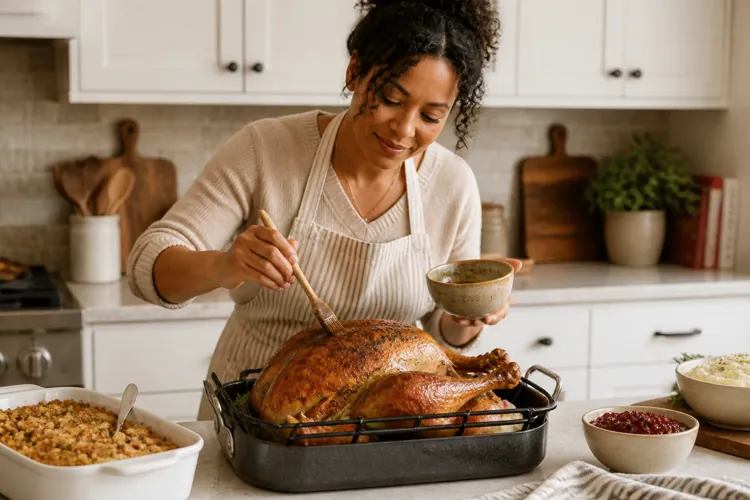
Some people taking GLP-1 medications report dulled taste and smell, which can make familiar Thanksgiving dishes taste different than they used to. Fresh herbs, botanical spices, citrus zest, and varied textures may help make holiday dishes more appealing to people experiencing changes in taste. You don't have to overhaul your Thanksgiving menu; small adjustments and an open mind can help everyone...


Consumer News: How to stay healthy while traveling this holiday season
Wed, 25 Nov 2026 17:07:12 +0000
How to stay healthy while traveling this holiday season

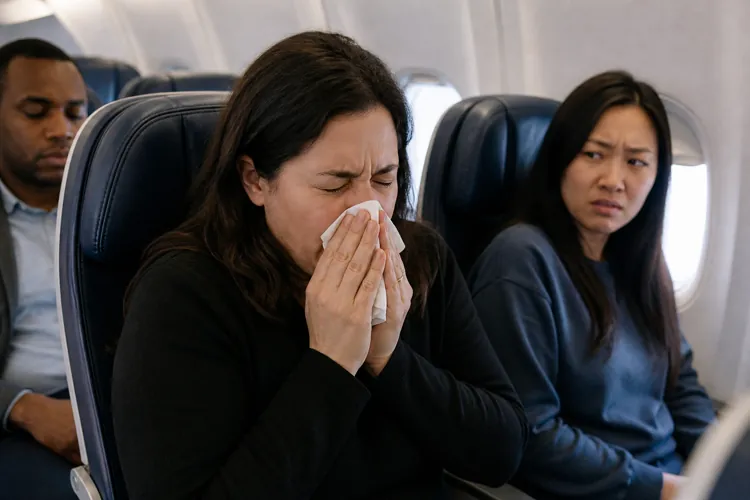
Holiday travel can increase exposure to germs, dehydration, fatigue, and other health concerns. Staying hydrated, moving around regularly, and keeping medications handy can make trips more comfortable. A few simple precautions, including masking in crowded spaces and getting enough sleep, can help travelers protect their health. Holiday travel can be exciting, but spending hours in crowded airport...


Consumer News: Strong winds could keep Macy’s Parade balloons grounded this Thanksgiving
Wed, 25 Nov 2026 17:07:12 +0000
Strong winds could keep Macy’s Parade balloons grounded this Thanksgiving

Strong winds and periods of rain could complicate Thursday's Macy's Thanksgiving Day Parade, particularly for its giant character balloons. Wind gusts exceeding New York City's safety limits could force organizers to ground the balloons entirely. The parade itself is unlikely to be canceled, but spectators may see a different version of the festivities than they expect. The 100th Macy's Thanksgivi...


Consumer News: 5 ways to use AI to save money on Black Friday and beyond — with copy-and-paste prompts to get you started
Wed, 25 Nov 2026 17:07:11 +0000
5 ways to use AI to save money on Black Friday and beyond — with copy-and-paste prompts to get you started

Turn AI into your bargain hunter: Use ChatGPT or Gemini to compare products and uncover cheaper alternatives. Stop falling for inflated discounts: AI can help investigate whether a Black Friday sale is really a bargain. Steal these five prompts: Copy and paste them into your favorite AI assistant to shop smarter this holiday season. Holiday shoppers have a new tool in their money-saving arsenal th...


Consumer News: Dried herring and croaker recalled in 31 states over botulism risk
Wed, 25 Nov 2026 14:07:12 +0000
Dried herring and croaker recalled in 31 states over botulism risk

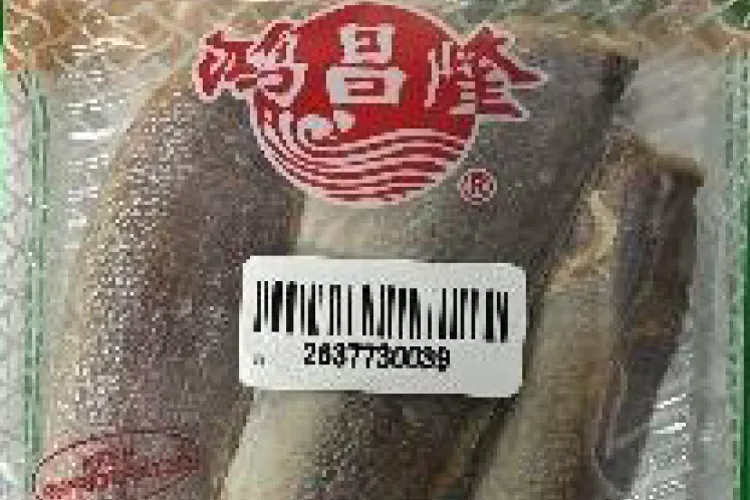
Prime Food Processing is recalling 425 cases of dried herring and dried croaker over a potential botulism risk. The three affected lots went to Asian grocery stores across 31 states. The company said it had received no reports of illness linked to the products when it issued the notices. Consumers should avoid eating the recalled fish and return it, along with its packaging, to the store for a ful...


Related Bing News Results
Consumer Reports says these are the best healthy snack crackers
Thu, 26 Nov 2026 09:39:00 GMT
Eating healthy doesn't need to be difficult, even if you're a snacker. If you want to enjoy a healthy snack, Consumer Reports says these are the best crackers.
Consumer Reports tests kids’ vitamins
Mon, 23 Nov 2026 22:00:37 GMT
Consumer Reports tested popular children’s vitamins for heavy metals and label accuracy.
Consumer Reports tests kids vitamins for heavy metals, label accuracy
Sat, 14 Nov 2026 07:02:00 GMT
Approximately 1 in 3 kids under age 19 regularly take a dietary supplement, according to the Centers for Disease Control and Prevention. But do kids’ vitamins actually contain what they say on the ...
Consumer Reports reveals 2026 best car brands with affordable winners
Wed, 10 Dec 2025 12:17:00 GMT
Foreign brands snagged 9 of top 10 spots on Consumer Reports magazine's 2026 Automotive Brand Report Card. Jeep placed last. Early adopters pay for innovation with reliability issues. The average ...
Consumer Reports Labels, Explained: Recommended, Top Pick, Best Brand, Best of, Smart Buy, and #1 in Brand Reliability
Thu, 15 Oct 2026 03:00:00 GMT
Consumer Reports (CR) uses several designations to help shoppers quickly identify products and services that perform well in our independent evaluations. When data is available, these designations ...

Blow Us A Whistle


RobinsPost Print On Demand Refund Policy With Printify
Printify

Related Product Search/Búsqueda de productos relacionados

Amazon Logo