Kids' toys, bike gear, and electric blankets are part of this week's recall roundup
September 18, 2026
Recall Roundup: Toys, home goods, supplements and food alerts
This roundup covers newly announced recalls and safety warnings from the Consumer Product Safety Commission and Food and Drug Administration.
Jerify magnetic toy sets hospitalize children
Colerinsec is recalling Jerify magnetic stick-figure toy sets after two children reportedly removed and swallowed magnets and were hospitalized.
- The toy figures can release loose high-powered magnets, creating a potentially deadly ingestion hazard.
- About 38,507 sets were sold on Amazon.com from October 2022 through May 2026, and two incidents led to hospitalizations.
- Consumers should take the toys away from children immediately, stop using them and contact Colerinsec for a full refund.

Hefei Hanchan Network Technology Co., Ltd., dba Colerinsec, of China, is recalling Jerify Magnetic Humanoid Toys 30 PCS, a colorful 30-piece set of human-shaped magnetic figures sold in an unlabeled clear bag inside a brown Jerify box. The magnets are embedded in the hands and feet, and the CPSC said the toy sets violate the mandatory federal standard for toys because the magnets can come loose.
The hazard
When high-powered magnets are swallowed, they can attract each other or other metal objects inside the body and become lodged in the digestive system. That can cause intestinal perforations, twisting, blockages, blood poisoning and death. CPSC and the firm said they know of two cases in which children removed and ingested magnets from the limbs, and both children were hospitalized.
What to do
Consumers should immediately take the recalled toys away from children and stop using them. Colerinsec is offering a full refund and is asking buyers to throw away the toys and submit a photo of the disposed products to the company by email.
Company contact
Consumers can contact Colerinsec by email at coushdwugintwer@163.com.
Source
JKMAX heated blankets linked to burns
JKMAX is recalling heated blankets and heating pads after hundreds of overheating reports, including dozens of burn injuries.
- The internal wire heating elements can overheat, creating fire and burn hazards.
- About 195,000 units were sold on Amazon.com from September 2022 through July 2026, and the firm received 577 reports, including 53 burn injuries.
- Consumers should stop using the recalled blankets and pads immediately and contact JKMAX for a full refund.
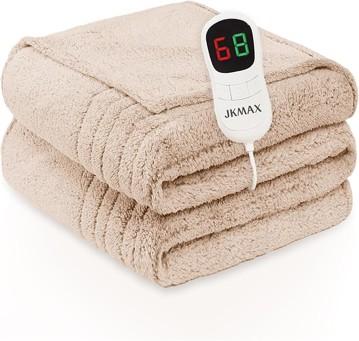
Jiande Pengshuai Trading Co., Ltd, of China, is recalling all JKMax heating pads and heated blankets, including models JKMAX-002, JKMAX-7284B, JKMAX-6284B, JKMAX-10090B, JKMAX-8490B and JKMAX-6284B. The machine-washable polyester products were sold in blue, gray, brown and red and came in multiple sizes with a detachable white remote control.
The hazard
According to the CPSC, the products' internal heating wires can overheat and lead to smoking, melting or burning. JKMax said it has received 577 reports of overheating problems and 53 burn injuries tied to the recalled blankets and pads.
What to do
Consumers should stop using the heated blankets and heating pads right away. JKMAX is offering a full refund, and consumers can start the process by phone, email, the recall website or through Amazon's recalls and product safety alerts page.
Company contact
JKMAX can be reached toll-free at 800-917-5732 from 8:30 a.m. to 6 p.m. ET Monday through Friday, by email at JkmaxRecall@outlook.com, online at www.jkmaxrecall.com, or through amazon.com by clicking Recalls and Product Safety Alerts at the bottom of the page.
Source
Target-sold fire truck toy poses choking risk
Melissa & Doug is recalling a Target-exclusive fire truck activity board because a plastic piece can detach and become a choking hazard.
- The toy's fire hose port can come loose and detach, posing a risk of serious injury from choking.
- About 84,000 units were sold at Target stores and Target.com from July 2025 through August 2026, and the firm received 26 reports of the part coming loose.
- Consumers should stop using the toy immediately and register with Melissa & Doug for a replacement, refund or store credit.
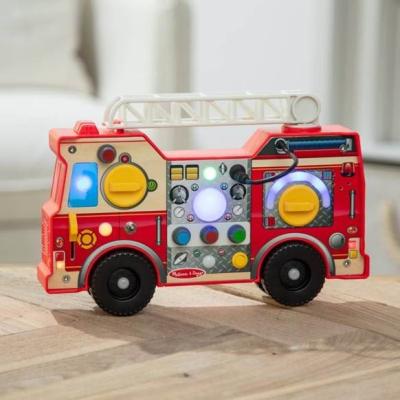
Melissa & Doug, of Wilton, Connecticut, is recalling its Lights and Sound Fire Truck, a compact red plastic fire engine with spinning wheels, a rotating white ladder and busy-board activities that activate lights and sounds. The recalled toys were sold only at Target and can be identified by specified date wheels on the battery compartment and packaging codes OET 25100, OET 25150 or OET 26064.
The hazard
The black plastic connector that resembles a fire hose can detach from the toy. The firm has received 26 reports of the small port coming loose and one report of a minor cut, according to the CPSC.
What to do
Consumers should stop using the activity board immediately. Melissa & Doug is offering a free replacement fire truck activity board, a $30 refund by check or a $40 Melissaanddoug.com store credit. Buyers will be asked to remove the batteries, write RECALL and a unique code on the front, cut off the black hose, upload a photo of the destroyed product and then dispose of it in household trash after confirmation.
Company contact
Melissa & Doug can be reached toll-free at 800-718-5365 from 9 a.m. to 5 p.m. ET Monday through Friday, online at www.melissaanddoug.com/recall, or through www.melissaanddoug.com by clicking Recall at the bottom of the page.
Source
Basecamp bicycle helmets fail safety tests
Tongyang Cycling is recalling Basecamp bicycle helmets because they do not meet federal helmet requirements and may not protect riders in a crash.
- The helmets fail required impact, stability and certification standards and also lack required button cell battery warnings.
- About 315 helmets were sold on Amazon.com from July 2024 through July 2026, and no injuries were reported.
- Consumers should stop using the helmets immediately, destroy them as instructed and request a full refund.
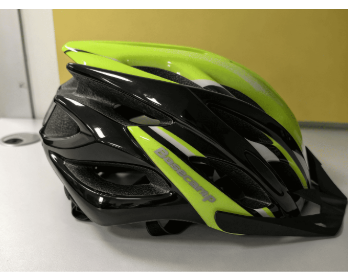
HK Tongyang Technology Co., Ltd., dba Tongyang Cycling, is recalling Basecamp-branded bicycle helmets, model HT-10, sold in green and black in medium/large size. The helmets were marketed for heads measuring about 22.44 to 24.41 inches around.
The hazard
The CPSC said the helmets violate the mandatory safety standard for bicycle helmets because they do not comply with impact attenuation, positional stability and certification requirements. That means the helmets can fail to protect a rider in a crash, creating a serious risk of head injury or death. The helmets also include a button cell battery that lacks warning labels required by Reeses Law, raising an additional risk if a battery is swallowed.
What to do
Consumers should stop using the recalled helmets right away and contact Tongyang Cycling for a full refund. The company is asking buyers to cut the straps, send a photo of the destroyed helmet by email and then dispose of the product.
Company contact
Consumers can contact Tongyang Cycling by email at tongyangshangwuus@hotmail.com or online at http://www.basecampbike.com/index.php?main_page=page&id=15 or www.basecampbike.com by clicking Recall at the top of the page.
Source
SHEIN teething toys create choking danger
SHEIN is recalling Pull & Chew Montessori Teething Toys because the silicone strings are too long and too small under the federal toy standard.
- The silicone strings can reach the back of a child's throat and become lodged, creating a deadly choking hazard.
- About 644 toys were sold on SHEIN.com from December 2025 through April 2026, and no incidents were reported.
- Consumers should stop using the teething toys immediately, take them away from children and contact SHEIN for a refund.
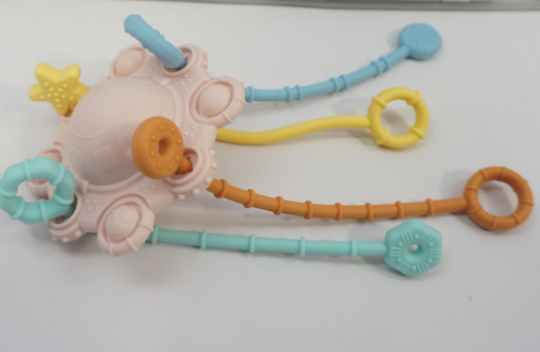
SHEIN Distribution Corporation, of Los Angeles, is recalling Pull & Chew Montessori Teething Toys sold in green, pink, yellow and blue. The silicone toys have four multicolored strings and were packaged in a clear and white plastic pouch marked BABY PRODUCTS and Crafted in Gentle Care, with recalled SKUs printed on the package.
The hazard
The CPSC said the recalled toys violate the mandatory safety standard for toys because the silicone strings are smaller and longer than permitted. Those strings can reach the back of the throat and become stuck, posing a risk of respiratory distress and choking.
What to do
Consumers should stop using the teething toys immediately and keep them away from children. SHEIN is offering a refund and is asking buyers to cut the silicone strings, email a photo of the destroyed toy and then dispose of it.
Company contact
SHEIN can be reached toll-free at 833-853-8668 from 9 a.m. to 6 p.m. PT Monday through Friday, by email at productrecall@shein.com, online at https://us.shein.com/product-recalls/list, or through https://us.shein.com by clicking Product Recalls at the bottom of the page.
Source
Squishy bun toys contain dangerous water beads
Toyworld168 is recalling Rainbow Mystery Squishy Bun Toys because the water beads inside can expand beyond what federal rules allow.
- The toys contain water beads that can expand inside a child's body, creating ingestion, choking and intestinal obstruction hazards.
- About 276 toys were sold at various third-party stores nationwide from June 2026 through July 2026, and no incidents were reported.
- Consumers should stop using the toys immediately and contact Toyworld168 for a full refund.
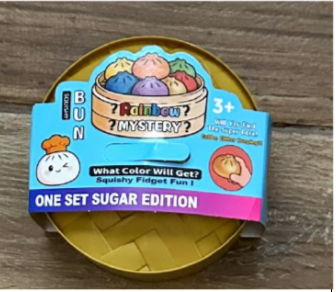
Toyworld168 Inc., of Orlando, Florida, is recalling Rainbow Mystery Squishy Bun Toys, translucent green squishy toys filled with glitter and water beads and packed in a tan plastic container shaped like a bamboo steamer. The removable package labeling says Rainbow MYSTERY and SUGAR EDITION.
The hazard
The CPSC said the water beads inside the toys expand larger than permitted under the mandatory toy safety standard. If swallowed, water beads can cause choking and intestinal blockages, leading to severe discomfort, vomiting, dehydration and a risk of death for a child.
What to do
Consumers should stop using the recalled toys immediately and contact Toyworld168 for a full refund. The company is asking buyers to write RECALLED in permanent marker on the squishy bun and its tan container, throw the toy away and email a photo of the disposed product.
Company contact
Consumers can contact Toyworld168 by email at toyworld16850@gmail.com.
Source
Sauna360 expands hybrid sauna bench recall
Sauna360 is expanding an earlier recall after finding that the previous fix for collapsing sauna benches did not work.
- The benches can collapse, causing consumers to fall, and the earlier repair has been deemed ineffective.
- About 6,000 sauna rooms are covered, and the firm reported 77 additional bench-break incidents with six injuries.
- Consumers should stop using the saunas immediately, even if they already received the 2025 repair, and schedule a new free repair.
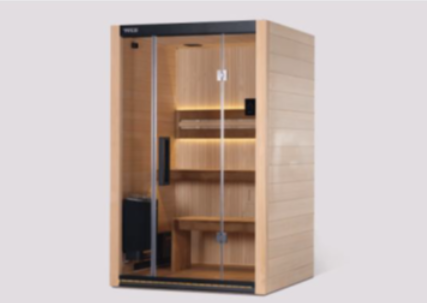
Sauna360 has expanded its recall of Tyl branded Halmstad and Kiruna Hybrid sauna rooms because the bench seating can still fail. The products were sold through distributors nationwide, and the latest notice covers bench seating in those sauna rooms first recalled in October 2025.
The hazard
The benches can collapse under users, posing a fall hazard. Sauna360 said it received 77 additional reports of benches breaking, including six injuries. Reported injuries included head and neck injuries for one consumer and a sprained ankle for another.
What to do
Consumers should stop using the affected saunas immediately, including units that already received the previous recall remedy. Sauna360 says it will provide a professional installer to retrofit the benches with additional hardware and supports at no cost.
Company contact
Sauna360 can be reached toll-free at 866-936-5962 from 8 a.m. to 5 p.m. ET Monday through Friday, by email at recall@sauna360.com, online at https://sauna360.com/product-recall, or through www.sauna360.com by clicking Recall at the bottom of the page.
Source
BedsPick mattresses fail federal flammability rules
Regfear is recalling BedsPick mattresses because they do not meet the mandatory federal flammability standard.
- The mattresses pose a serious fire risk because they violate the federal flammability standard for mattresses.
- About 818 queen-size mattresses were sold on Amazon.com from February 2025 through May 2026, and no incidents were reported.
- Consumers should stop using the recalled mattresses immediately and contact Regfear for a full refund.
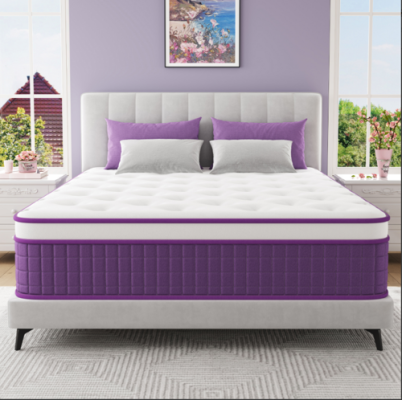
Regfear Ltd., of Raleigh, North Carolina, is recalling two styles of BedsPick branded 12-inch queen mattresses sold compressed in a box. The mattresses have a white top with either purple sides or gray sides, and affected units carry prototype IDs AMGSW066 or AMGSW067 and model numbers SME004 or AMG005197_12_Q_GLT on a sewn-in label.
The hazard
The CPSC said the mattresses violate the mandatory flammability standard for mattresses. Products that fail that standard can ignite more readily and increase the risk of serious injury or death in a fire.
What to do
Consumers should stop using the recalled mattresses immediately and contact Regfear for a full refund. Buyers will be asked to destroy the mattress, write Recalled on the top surface, email a photo of the destroyed mattress and provide written confirmation of disposal before the refund is issued.
Company contact
Regfear can be reached toll-free at 800-614-1901 from 9 a.m. to 5 p.m. ET Monday through Friday, except federal holidays, or by email at BedsPickRecall@outlook.com.
Source
Esjay busy boards pose choking threat
Esjay US is recalling toddler busy board toys because red knobs can detach, creating a deadly small-parts hazard for children under 3.
- The red knobs can detach from the toy, violating the small parts ban and posing a choking hazard.
- About 276,000 busy boards were sold on Amazon.com from March 2023 through July 2026, and no incidents were reported.
- Consumers should take the toy away from children immediately, discard the affected page and request a replacement page from Esjay.
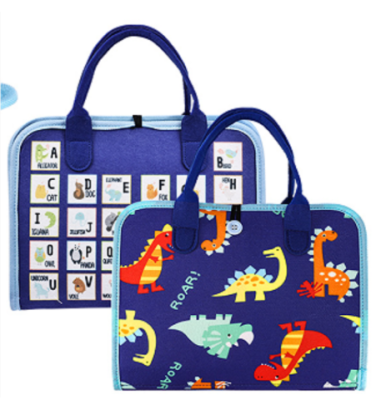
Shenzhen Yishijie Technology Co., Ltd., dba Esjay US, of China, is recalling Esjay Toddler Busy Board Montessori Toys sold in blue felt with carrying handles, elastic cords and dinosaur graphics on the front. The recall focuses on the second page, the one with red knobs, in the five-page activity board.
The hazard
The CPSC said the toy violates the federal small parts ban for products intended for children younger than 3 because the red knobs can detach. Small detached parts can be swallowed and block a young child's airway.
What to do
Consumers should take the recalled toy away from children and stop using it immediately. Esjay is offering a repair in the form of a replacement page. Buyers are instructed to unzip the page with red knobs, write RECALLED on both sides, throw it away and send a photo of the disposed page to the company.
Company contact
Esjay US can be reached at 888-206-9309 from 9 a.m. to 5 p.m. PT Monday through Friday, by email at esjay-service@outlook.com, online at www.esjay.store/recall, or through www.esjay.store by clicking Recall at the top of the page.
Source
LANCHEZ pressure washers pose electrocution risk
LANCHEZ is recalling certain electric pressure washers because they lack key electrical protections required to reduce shock hazards.
- The pressure washers lack an integral GFCI and have a power cord that may encourage extension-cord use, creating shock and electrocution hazards.
- 329 units were sold on Amazon.com, Walmart.com and Temu.com from February 2026 through June 2026, and CPSC is aware of one report of a missing GFCI.
- Consumers should stop using the recalled pressure washers immediately, destroy the cord as instructed and request a full refund.
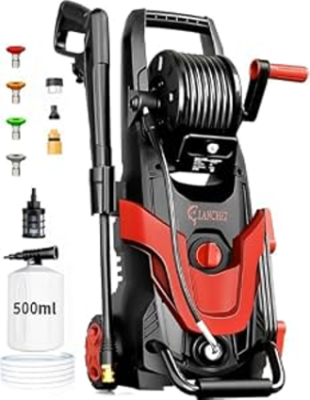
Ningbo Lanchez E-Commerce Co., Ltd. of China is recalling LANCHEZ-branded 3.2 GPM electric pressure washers sold in blue-and-black and red-and-black. The recalled units, model KLC-BULL135C, came with a soap tank, four quick-disconnect nozzles and a 23-foot hose; only units without a GFCI or adequate-length power cord are included.
The hazard
The CPSC said the pressure washers lack an integral ground-fault circuit-interrupter and an adequate-length power cord. That combination can increase the risk that consumers use an extension cord around water, creating serious shock and electrocution hazards.
What to do
Consumers should stop using the recalled pressure washers immediately and contact LANCHEZ for a full refund. The company is asking buyers to unplug the washer, cut the power cord in half, send a photo of the destroyed unit showing the model number and then dispose of the product.
Company contact
Consumers can contact LANCHEZ by email at service@lanchezpumps.com or online at https://www.amazon.com/lanchez by clicking on Product Recalls at the top of the page.
Source
CPSC warns on Hererod jump starters
CPSC is urging consumers to stop using Hererod jump starters and power banks immediately because the lithium-ion batteries can explode and catch fire.
- The internal lithium-ion batteries can explode and ignite, creating serious fire risks.
- The warning covers Hererod models PW40 and EW40 sold on Amazon.com, CarKart.com and eBay.com from August 2024 through August 2026.
- Consumers should stop using the products immediately and dispose of them under local hazardous-waste rules.
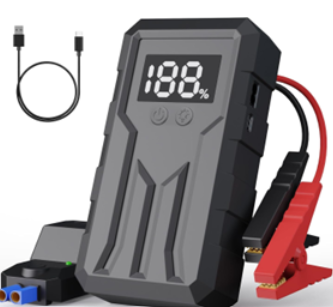
The CPSC issued a warning about Hererod jump starters and power banks, models PW40 and EW40, that were sold online by multiple retailers. The agency said consumers should stop using the products immediately because of the risk that the internal batteries can fail violently.
The hazard
According to the CPSC, the products contain lithium-ion batteries that can explode and ignite. Battery fires can spread quickly, produce intense heat and be difficult to extinguish, creating a risk of serious injury or death.
What to do
Consumers should stop using the jump starters and power banks right away. The CPSC said the products should be disposed of immediately in accordance with local hazardous-waste disposal procedures, rather than tossed into ordinary household trash.
Company contact
The CPSC warning did not list company contact information for Hererod. Consumers can use the agency notice linked below for the full safety warning and disposal guidance.
Source
CPSC warns about Jocoevol dressers
CPSC is warning consumers to stop using Jocoevol 6-Drawer Dressers unless they are securely anchored because the units can tip over and trap children.
- The dressers are unstable if not anchored to the wall, creating tip-over and entrapment hazards.
- The warning covers units sold on Amazon.com from about December 2024 through June 2026 for about $160.
- Consumers should stop using the dresser immediately and either dispose of it under local rules or anchor it securely to the wall.
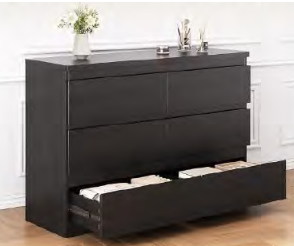
The CPSC is warning consumers about Jocoevol 6-Drawer Dressers sold online because the products violate the mandatory federal standard for clothing storage units. The agency said the dressers can become dangerously unstable when they are not anchored to a wall.
The hazard
Unstable dressers can tip over, especially if a child climbs on or pulls open drawers. Tip-over incidents can cause crushing injuries, entrapment and death, and the CPSC said these dressers do not comply with the safety standard designed to reduce that risk.
What to do
Consumers should stop using the dressers immediately unless they are securely anchored to the wall. The CPSC said owners should dispose of the dressers in accordance with local requirements or anchor them securely, and should not sell or give away the units.
Company contact
The CPSC warning did not include firm contact information for Jocoevol. Consumers can review the full warning through the source link below.
Source
CPSC warns on XIOYIG infant walkers
CPSC is warning families to stop using XIOYIG infant walkers because they can roll through doorways and over stairs.
- The walkers can fit through a standard doorway and fail to stop at the edge of a step, creating a serious fall hazard.
- The warning covers walkers sold on Walmart.com from March 2026 through July 2026 for about $73, and they may also have been sold elsewhere.
- Consumers should stop using the walkers immediately, dispose of them and never resell or give them away.
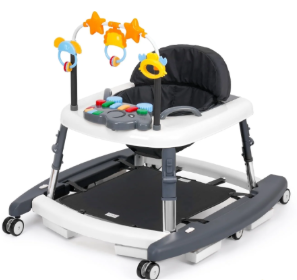
The CPSC issued a safety warning for XIOYIG Infant Walkers sold online. The agency said the walkers violate the mandatory federal safety standard for infant walkers, which is intended to prevent serious falls down steps.
The hazard
According to the CPSC, the walkers can pass through a standard doorway and also fail to stop at the edge of a stairway or step. Those design failures can allow a child in the walker to tumble down stairs, which can cause serious injury or death.
What to do
Consumers should stop using the infant walkers immediately and dispose of them. The CPSC also said these hazardous walkers should not be sold, donated or given away to another family.
Company contact
The CPSC did not provide firm contact information for XIOYIG. The agency asked consumers to report incidents involving injury or product defects at www.SaferProducts.gov.
Source
Pool drain covers pose drowning hazard
CPSC is warning consumers to remove Lanyitongke pool drain covers immediately because they do not meet federal safety requirements meant to prevent entrapment.
- The drain covers lack required markings and safety information, creating entrapment and drowning hazards.
- The warning covers covers sold on Amazon.com from April 2026 through June 2026 for about $9, and they may have been sold on other platforms.
- Consumers should remove, replace and dispose of the drain covers immediately and stop using affected pools until compliant covers are installed.
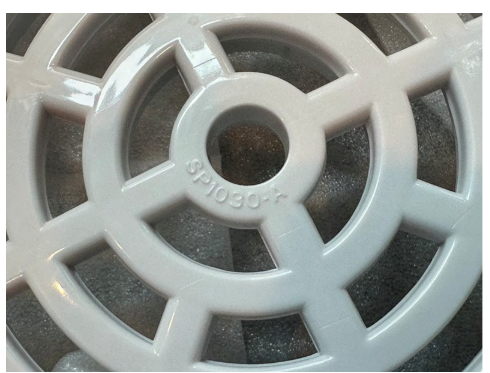
The CPSC is warning consumers about Lanyitongke Pool Drain Covers sold online because the products violate the Virginia Graeme Baker Pool and Spa Safety Act. The agency said the covers do not bear required product markings and also fail to provide required service-life, installation and maintenance information.
The hazard
Improper or noncompliant drain covers can create dangerous suction and entrapment risks in pools and spas. The CPSC said those hazards can lead to drowning and other serious injuries, especially for children.
What to do
Consumers should remove and replace the drain covers immediately and should not use pools with the covers installed until compliant replacements are in place. The CPSC also said owners should dispose of the covers, not sell or give them away, make sure pools and spas have VGBA-compliant covers and teach children to stay away from drains.
Company contact
The CPSC did not list firm contact information for Lanyitongke. The agency asked consumers to report incidents involving injury or product defects at www.SaferProducts.gov.
Source
CPSC warns on Pvauert infant walkers
CPSC is warning consumers to stop using Pvauert infant walkers because they can roll through doorways and fail at stair edges.
- The walkers can fit through a standard doorway and fail to stop at the edge of a step, creating a fall hazard.
- The warning covers foldable Pvauert walkers, model CT02, sold on Amazon.com from October 2025 through June 2026 for about $65.
- Consumers should stop using the walkers immediately, dispose of them and not resell or give them away.
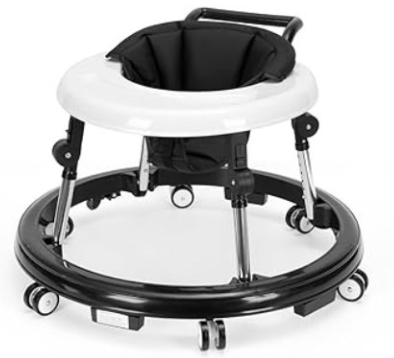
The CPSC issued a warning about Pvauert Infant Walkers, foldable walkers with nine adjustable height settings, a tray, a round base and six-wheel assemblies sold in black, green, pink and white. The label on the underside of the seat identifies them as Product Name: Infant baby walker with model number CT02.
The hazard
The agency said the walkers violate the mandatory federal standard for infant walkers because they can fit through a standard doorway and do not stop at the edge of a step. Those failures create a risk that a child can roll into a dangerous fall down stairs.
What to do
Consumers should stop using the infant walkers immediately and dispose of them. The CPSC said these hazardous walkers should not be sold secondhand or passed along to other families.
Company contact
The CPSC warning did not include firm contact information for Pvauert. Consumers can review the agency's full notice through the source link below.
Source
biQ-FEL recalled over hidden drug ingredients
A&P Creations is recalling biQ-FEL nationwide because the product contains undeclared sildenafil and tadalafil.
- The product contains hidden prescription-drug ingredients that can dangerously interact with nitrates and sharply lower blood pressure.
- The recall covers biQ-FEL 500 mL products with lots biQ-f001-06-25 and biQ-003-01-26 distributed in the U.S. through Amazon, Walmart.com and naturefuel.us.
- Consumers should stop using the product immediately and destroy it.
A&P Creations LLC has issued a nationwide recall for biQ-FEL after FDA testing found undeclared sildenafil and tadalafil in the product. Those ingredients are found in prescription drugs and were not listed on the label, which means consumers may unknowingly expose themselves to a serious medication risk.
The hazard
Undeclared sildenafil and tadalafil can interact with nitrates used in medicines such as nitroglycerin and may lower blood pressure to dangerous levels. The risk can be especially significant for people with diabetes, high blood pressure, high cholesterol or heart disease, who may be more likely to take nitrate medications.
What to do
Consumers who have the recalled biQ-FEL should stop using it immediately and destroy the product. Anyone concerned about health effects should contact a medical professional.
Company contact
Consumers can contact A&P Creations LLC by email at ecommerce@naturefuel.us.
Source
So Delicious dessert may contain stones
So Delicious Dairy Free is recalling certain Salted Caramel Cluster non-dairy frozen dessert pints because they may contain small stones or other hard material.
- The dessert may contain foreign material, including small stones and other hard objects.
- The recall covers SKU 136603, UPC 744473476138, with best-by dates on and before April 3, 2028, distributed to retail stores across the United States.
- Consumers should not eat the product and should contact the company for a refund or replacement coupon.
So Delicious Dairy Free has issued a voluntary recall of Salted Caramel Cluster Non-Dairy Frozen Dessert pints distributed to retail stores nationwide. The company said the affected product may contain foreign objects that could injure consumers if eaten.
The hazard
Hard foreign material such as small stones can present choking and dental injury risks and can also cause mouth or digestive injuries if swallowed. The recall notice did not list injuries, but consumers are being told not to consume the product.
What to do
Consumers who purchased the affected pints should not eat them. The company said buyers can contact the So Delicious Dairy Free Consumer Care Line for a replacement coupon or a refund.
Company contact
Consumers can contact the So Delicious Dairy Free Consumer Care Line at 1-833-367-8975 or through https://sodeliciousdairyfree.com/contact-us/. Media inquiries can be sent to US.media@danone.com.
Source
X10 supplement recalled over hidden drugs
A&P Creations is recalling X10 Natural Enhancement Supplement nationwide because it contains undeclared sildenafil and tadalafil.
- The supplement contains hidden prescription-drug ingredients that can dangerously interact with nitrate medications.
- The recall covers UPC 7708075247094 and lots F090824LN16, F170325LN19 and F300326LN28 sold through Amazon, Walmart.com and naturefuel.us.
- Consumers should stop using the supplement immediately and destroy or dispose of it.
A&P Creations LLC has announced a nationwide recall of X10 Natural Enhancement Supplement after finding undeclared sildenafil and tadalafil in the product. The supplement was distributed to U.S. consumers between Dec. 15, 2024, and June 11, 2026, through major online marketplaces and the company's website.
The hazard
Like the biQ-FEL recall, the hidden ingredients can interact with nitrates found in some prescription drugs, including nitroglycerin, and may lower blood pressure to dangerous levels. People with diabetes, high blood pressure, high cholesterol or heart disease may face particular risk because they are more likely to take nitrates.
What to do
Consumers should stop using the recalled X10 supplement immediately and destroy or otherwise dispose of the product. Anyone who has taken the supplement and has health concerns should consult a health care provider.
Company contact
A&P Creations LLC can be reached at ecommerce@naturefuel.us Monday through Friday from 9 a.m. to 4 p.m. ET.
Source
Compounded injectables recalled over endotoxin levels
Centric Compounding is recalling three injectable products nationwide because testing found elevated endotoxin levels.
- Elevated endotoxin levels in injectable products can trigger severe inflammatory reactions, shock and death.
- The recall covers certain lots of compounded Glutathione, Myers Cocktail and Tri-Immune Boost distributed nationwide to patients and prescribers.
- Consumers should stop using the affected vials, discard them and contact the company about replacements.
Centric Compounding is voluntarily recalling compounded Glutathione 200 mg/mL 30 mL multidose vials, Myers Cocktail 30 mL multidose vials and Tri-Immune Boost 30 mL multidose vials. The company said the affected products were distributed nationwide through home delivery to patients and delivery to prescribers.
The hazard
FDA said there is a reasonable probability that injectable products with elevated endotoxin levels could cause major medical events, including fevers, low blood pressure, inflammatory reactions, anaphylactic shock and death. Because these are injectable products, contamination concerns can become serious quickly.
What to do
Consumers who have the recalled products should stop using them and discard any affected vials. Centric Compounding said it is notifying distributors and customers by email and arranging replacements for all recalled products.
Company contact
Centric Compounding can be reached at 833-777-6664 or by email at info@centriccompounding.com.
Source
Whole Foods cheese alert cites egg
Whole Foods Market has issued an allergy alert for Cabricharme Cheese because the product may contain undeclared egg.
- The cheese may expose people with egg allergies to a serious or life-threatening allergic reaction.
- The alert covers PLU 57953 and 54670 with best-by dates up to and including Oct. 7, 2026, sold at 18 Whole Foods stores in seven states.
- Customers should not eat the cheese, should destroy it and can seek a full refund with a valid receipt.
Whole Foods Market has issued an allergy alert on Cabricharme Cheese sold in the specialty cheese departments of 18 stores in Arizona, California, Connecticut, Massachusetts, New Jersey, New York and Rhode Island. The problem is undeclared egg, which can pose a serious risk to people with egg allergies or sensitivities.
The hazard
For people who are allergic or highly sensitive to eggs, eating the mislabeled cheese could trigger a severe or life-threatening allergic reaction. The FDA notice did not list injuries, but allergy recalls are treated urgently because even a small exposure can be dangerous.
What to do
Customers who purchased the affected cheese should not consume it. Whole Foods said shoppers do not need to return the product and are urged to destroy it; those with a valid receipt can obtain a full refund from the place of purchase.
Company contact
Consumers can call 1-844-936-8255. Media inquiries can be sent to amazon-pr@amazon.com.
Source
Photo By CNET








