Rockin Robin SongFlying The Web For News.


Consumer Daily Reports

New research suggests fathers of girls may be more attentive, committed partners to the mothers of their children

By Kristen Dalli of ConsumerAffairs
October 2, 2026
  • Fathers of daughters reported higher levels of attachment, commitment, trust, and intimacy with their partners than fathers of sons.

  • Researchers surveyed nearly 1,700 parents across three separate studies to explore whether having a daughter was linked to fathers relationship behaviors.

  • The researchers say the reason for the difference isnt clear, but how fathers treat their partners could also shape what daughters learn to expect from future relationships.


Having a child can change a couples relationship in plenty of ways. But new research from Rutgers University suggests the sex of the child may also play a role in how fathers approach their relationships.

The study, published in Personality and Individual Differences, found that fathers of daughters showed higher levels of attachment, commitment, trust, and intimacy toward the mothers of their children than fathers of sons.

That doesnt necessarily mean fathers of girls are better parents. Instead, the researchers found a difference in how fathers appeared to engage with their partners.

Having a daughter appears to be protective of the primary parent relationship, researcher Kristina Durante, professor and research fellow at the Center for Women in Business, said in a news release. When men have daughters, it alters their psychologies in interesting ways, including, as we found, higher levels of commitment to the mother.

How researchers studied the connection

The researchers conducted three surveys involving nearly 1,700 parents across the United States.

In the first survey, they asked fathers of daughters under age 18 about the quality of their relationships with their childrens mothers. A second survey looked at the issue from the other side, asking mothers of daughters how they viewed the fathers behavior toward them.

The researchers also wanted to determine whether any differences existed before men became fathers. So, in the third survey, they recruited people who were expecting a baby during the final trimester of pregnancy. Their questions were designed to determine whether differences in relationship behavior were already present or appeared after the participants became parents.

What the findings could mean

Across the research, fathers of daughters were perceived as being more attentive to their partners. Both the fathers themselves and the mothers of their children reported higher levels of relationship commitment and other measures of pair-bonding.

The researchers aren't sure exactly why having a daughter was associated with this difference. One possibility is that fathers may become more conscious of the example they're setting for their daughters. A father who is supportive and committed to his partner may unintentionally demonstrate what a healthy relationship can look like.

The researchers also pointed to other possibilities, including changes in relationship expectations and cultural ideas about protecting daughters. They emphasized that these are possible explanations, rather than established reasons for the findings.

For families, the researchers say the potential significance may extend beyond the parents themselves: How a father treats his partner could help shape what his daughter comes to expect from men and relationships later in life.

Relationships are enormously beneficial to men, but historically they've been especially critical for women, said Durante. A father who's actively working at his own partnership is showing his daughter that this kind of investment from a man is possible, and worth expecting.


Posted: 2026-10-02 15:30:02

Get Full News Story On Consumer Affairs


More News From This Category
Consumer News: GLP-1s may raise nutrition concerns for kids
Fri, 02 Oct 2026 19:07:16 +0000

New research finds nutritional deficiencies were diagnosed in nearly 1 in 6 children within a year of treatment

By Kristen Dalli of ConsumerAffairs
October 2, 2026
  • Nearly 17% of children in the study were diagnosed with a nutritional deficiency or related complication within a year of starting a GLP-1 medication.

  • Vitamin D deficiency was the most common issue, affecting 12.4% of patients within one year.

  • Nutrition counseling was relatively uncommon after children started GLP-1 treatment, with just 23.3% receiving it within six months.


GLP-1 medications have become an increasingly common treatment for children and teens with obesity, prediabetes or type 2 diabetes. These medications can help control blood sugar and reduce appetite, but that reduction in appetite also means some children may eat less overall.

For children and teenagers, getting enough nutrients is especially important because their bodies are still growing and developing. Researchers from Lurie Children's Hospital of Chicago wanted to take a closer look at whether nutritional deficiencies were being diagnosed among young people taking GLP-1 medications.

As appropriate pediatric use of GLP-1s becomes more widespread, we need to understand the risks during periods of rapid growth and pubertal development, senior author Justin Ryder, Ph.D., said in a news release. Nutrients such as vitamin D, iron, and calcium are of particular concern during adolescence, when deficiencies may have lasting implications for skeletal health and overall development.

Nutritional support needs to play a critical role once treatment with a GLP-1 medication is initiated. In our study, however, we found that only 5% of patients received nutritional counseling within 30 days of GLP-1 treatment and less than 25% received nutritional counseling within six months.

How the study worked

Researchers analyzed national health insurance claims data covering more than 100 million people between 2017 and 2022. They identified 2,031 children ages 10 to 17 who had recently started taking a GLP-1 medication and had no documented nutritional deficiency during the six months before treatment.

The researchers then looked at medical claims for up to one year after treatment began to identify diagnoses involving nutritional deficiencies or related complications. They also looked at whether patients received nutrition therapy or counseling and how soon that care occurred after starting medication.

Most of the children in the study had type 2 diabetes or obesity. Liraglutide was the most commonly prescribed GLP-1 medication, followed by dulaglutide and semaglutide.

Importantly, this was a retrospective study based on insurance claims. That means it can show patterns in diagnoses and care, but it cannot establish that GLP-1 medications directly caused the nutritional deficiencies.

What the researchers found

Within six months, 10.2% of the children had been diagnosed with at least one nutritional deficiency or related complication. By one year, that figure had risen to 16.8% nearly one in six patients.

Vitamin D deficiency was by far the most common finding, diagnosed in 12.4% of children within a year. Nutritional anemia was diagnosed in 1.5%, while iron-deficiency anemia was diagnosed in 1.4%.

Nutrition counseling also wasn't common. Only 5.8% of children had received nutrition therapy within 30 days of starting a GLP-1, and 23.3% had received it within six months.

The researchers say the findings highlight the importance of monitoring nutrition when children begin GLP-1 treatment. The study doesn't show that every child taking these medications will develop a deficiency, but it does suggest that it may be important to add nutrition counseling into pediatric GLP-1 care.

We hope that our study findings bring much needed recognition to the importance of proactive nutritional management when GLP-1s are prescribed to children, as opposed to waiting until a nutritional deficiency is diagnosed, said Dr. Ryder. Knowing the risks, we are in a much better position to prevent harm to children treated with GLP-1s during a pivotal period in their lives.

Read More ...


Consumer News: Exercise may ease pain with less effort than you think
Fri, 02 Oct 2026 19:07:15 +0000

New research finds shorter, gentler workouts may still offer meaningful relief

By Kristen Dalli of ConsumerAffairs
October 2, 2026
  • A large review found exercise reduced both acute and chronic pain across several conditions.

  • Lower-intensity and shorter exercise programs were linked to greater pain reductions.

  • Some benefits were seen with less than two hours of exercise per week.


When youre in pain, exercise might sound like the last thing you want to do. But new research suggests that moving your body doesnt necessarily have to mean pushing through a tough workout to see benefits.

Researchers from Adelaide University looked at a large body of existing research and found that exercise was associated with reduced pain across a variety of conditions. The research included musculoskeletal, neurological, inflammatory, and cancer-related pain.

The findings also challenge the idea that more exercise automatically means more pain relief. In fact, shorter and lower-intensity programs showed greater reductions in pain.

When we exercise, our body releases chemicals including endorphins and serotonin that can help reduce how strongly we feel pain and increase our pain tolerance, researcher Dr. Ben Singh said in a news release. Additionally, it helps calm inflammation and change the way our brain responds to pain, while also improving mood.

These effects help explain why exercise can be such a powerful tool for pain management. Yet despite the evidence, it isnt used as routinely as it could be and is rarely prescribed with the same precision as medication. Instead, people experiencing pain may be told to stay active, rather than being given a specific, evidence-based exercise program that considers what type of exercise to do, how hard to work and for how long.

Researchers looked at thousands of studies

Rather than conducting a single exercise trial, researchers performed whats known as an umbrella review. This involves bringing together findings from multiple systematic reviews to get a broader look at the evidence.

The researchers searched 11 databases for systematic reviews that included randomized controlled trials comparing exercise with control groups. They excluded reviews that didnt include a meta-analysis, werent based on randomized controlled trials, or focused mainly on laboratory-induced pain.

Ultimately, the researchers included 157 systematic reviews covering 2,736 randomized controlled trials and 221,279 participants. The studies looked at several types of exercise, including aerobic and resistance exercise as well as yoga, Pilates, and tai chi.

Less exercise may still make a difference

Overall, exercise was linked to a reduction in pain of about 1.1 points on a 0-to-10 pain scale. The researchers noted that this was about 60% larger than the average pain relief reported for common pain medications in separate trials involving chronic pain.

Importantly, the benefits werent limited to lengthy or intense workouts. The study found greater pain reductions with lower-intensity exercise and programs lasting less than 12 weeks. Significant benefits were also seen in programs involving less than two hours of exercise per week.

For people dealing with pain, that could make exercise feel a little more manageable. The findings suggest that pain relief may not require hours at the gym or an especially demanding routine. Instead, gentler forms of movement including activities such as walking, yoga, Pilates, or tai chi may provide meaningful benefits depending on the person and their condition.

Healthcare providers need definitive guidance, not just whether exercise helps, but which exercises work for which patients, and how to prescribe them effectively, Dr. Singh said.

These findings should provide clinicians with considerable flexibility and increased confidence to prescribe exercise as a core, scalable component of pain management across diverse conditions. At a time when were looking for safe and effective ways to manage pain beyond medication, these findings provide strong evidence for making exercise a more routine part of pain care.

Read More ...


Consumer News: Touring a house this weekend? 5 red flags that could turn your dream home into a money pit
Fri, 02 Oct 2026 19:07:14 +0000

You don't have to be a home inspector to spot clues that a house could be hiding expensive problems

By Kyle James of ConsumerAffairs
October 2, 2026
  • Look beyond the staging: Fresh paint, candles, and air fresheners can make a house look and smell great but they can also make problems harder to notice.

  • Some warning signs are surprisingly easy to spot: Water stains, certain cracks, aging equipment. and pest evidence deserve a closer look.

  • Spotting a red flag doesn't mean you should walk away: Take a photo, ask questions, and make sure your home inspector investigates it before you buy.


It's easy to fall for a house with a beautiful kitchen, freshly painted walls, and perfectly staged furniture.

But while you're imagining where the couch will go, you could be walking right past clues that the house may need thousands of dollars in repairs.

A recent Boston.com report asked real estate and home-inspection experts what buyers should watch for during a showing. Their advice is to not just look at the countertops and floor plan, but to look for clues that could point to water, structural, pest, or other expensive problems.

Here are five red flags worth watching for and what to do if you spot one.

1. Water stains or suspiciously fresh paint

Start by looking up.

Boston.com notes that water stains on ceilings and walls can point to a roof, plumbing, or HVAC leak. But also pay attention to areas that appear to have been recently repainted, particularly if it's just one section of a ceiling.

If you see fresh paint on a ceiling, dont automatically assume theyre hiding damage. Think of it simply as a reason to ask what was painted and why.

What to do: Take a picture of anything suspicious, ask whether there has been a previous lea, and specifically ask your inspector to investigate the area.

2. Cracks that look different from ordinary settling

A small crack doesn't automatically mean a house has foundation problems.

But home inspector Alex Steinberg told Boston.com that cracks deserve more attention when they're wide roughly 1/8 to 1/4 inch or more horizontal, or located around doors and windows.

What to do: Don't try to diagnose a foundation yourself. Photograph concerning cracks and show them to your home inspector, who may recommend evaluation by a structural engineer.

3. A house that smells suspiciously good

A home filled with candles, plug-in air fresheners, or other strong fragrances may simply have a seller trying to create a pleasant showing.

But Boston.com notes that strong fragrances can also make it harder for buyers to notice odors from mold, pets, or other problems.

What to do: Open closets and spend some time in the basement, bathrooms, and other areas away from the staged living spaces. If you notice a musty or unusual odor, ask about it and flag it for your inspector.

4. Major systems that look old

You don't need to know how to inspect a furnace to notice that it looks ancient.

The recommendation here is to pay attention to major systems and components such as the roof, HVAC system, water heater, plumbing, and electrical panel. Just because it might be old, doesnt mean the equipment is defective, but it could mean you're buying a house that will soon need an expensive replacement.

What to do: Ask the age of the roof, HVAC system, and water heater and request documentation showing when they were installed, repaired, or serviced.

5. Signs you're not the only one living there

Look inside cabinets, underneath sinks, and along basement walls for droppings, gnaw marks, or other evidence of rodents or insects.

Boston.com's experts also recommend checking wood for signs of termite damage and paying attention to areas where pests could be getting into the house.

What to do: If you see evidence of pests, photograph it and ask that it be specifically investigated before you buy.

A red flag isn't necessarily a deal breaker

The point isn't to conduct your own home inspection. It's to notice potential problems before you become emotionally committed to the house.

If something looks wrong during a showing, photograph it, ask the seller or agent about it, and request documentation for previous repairs. Then give your questions and photos to your home inspector.

A beautiful house can still come with an ugly repair bill.

So, during that first walkthrough, don't just ask yourself whether you love the house. Start figuring out what the house could cost you after you own it.

Read More ...


Consumer News: Consumer product safety recall roundup for October 02, 2026
Fri, 02 Oct 2026 19:07:14 +0000

Bikes, lamps, and mattresses are part of this week's recall roundup

By News Desk of ConsumerAffairs
October 2, 2026

Recall roundup: Bikes, lamps, toys and food products

Here is a look at newly announced recalls and safety warnings issued by the Consumer Product Safety Commission, Food and Drug Administration and USDAs Food Safety and Inspection Service.

Urban Arrow cargo e-bikes pose fall risk

Gazelle USA is recalling Urban Arrow cargo electric bikes because a seat post bolt can break and cause the seat to loosen during use.

  • The front bolt in the seat post clamping mechanism can break, creating a fall hazard.
  • About 1,032 bicycles were sold in the U.S., with another 134 sold in Canada, at specialty bike stores from 2016 through 2022 for about $9,000.
  • Consumers should stop using the recalled bicycles immediately and request a free replacement seat post and saddle.

Product

Gazelle USA LLC, of Santa Cruz, California, is recalling Urban Arrow cargo electric bikes sold as the Urban Arrow Family, Shorty, Cargo L/XL and Tender 1000/1500 models. The recalled bikes have aluminum frames, reinforced foam cargo boxes marked Urban Arrow, and seat posts with two silver bolts. Regulators said a bolt in the seat post clamp can fail and make the seat unstable while riding.

The hazard

The problem involves the front bolt in the seat post clamping mechanism. If that bolt breaks, the seat can become loose and shift unexpectedly, increasing the risk that a rider will fall. The firm has received nine reports of damage or wear to the saddle-seat post connection, though no injuries have been reported.

What to do

Consumers should stop using the recalled bicycles immediately. Gazelle USA is offering a free replacement seat post and saddle that owners can install themselves without special tools or have installed at no charge by an Urban Arrow dealer. Consumers will be asked to complete a recall registration form at https://forms.gle/1Nir9NrR7aJcpwRk8, and they can find the nearest dealer at https://urbanarrow.com/dealers.

Company contact

Gazelle USA can be reached toll-free at 800-838-5388 from 9 a.m. to 5 p.m. PT Monday through Friday, by email at recall.na@urbanarrow.com, or online at https://urbanarrow.com/en-na/recall or https://urbanarrow.com/en-na and clicking Product Recalls at the bottom of the page.

Source


Cupcakes and Cashmere lamps can ignite

Designs Direct is recalling Cupcakes and Cashmere three-light floor lamps sold at HomeGoods after reports of smoking, melting and burns.

  • The lamp cord or internal wiring can smoke, melt, spark, overheat or ignite, creating fire and burn hazards.
  • About 4,200 lamps were sold at HomeGoods stores from June 2025 through July 2026 for between $79 and $89, and the firm has received 11 incident reports including two shock and burn injuries.
  • Consumers should turn the lamps off, unplug them immediately, destroy the cord as instructed and seek a full refund.

Designs Direct LLC, doing business as Designs Direct Creative Group, is recalling Cupcakes and Cashmere Brand Three-Light Floor Lamps, models 7927-OZ and 7927-OZ1. The 63-inch-tall lamps have three 6-inch glass globe shades and were sold in a gold finish with either multicolored or cream shades. The recall covers lamps identified by model numbers on a sticker under the base and, for HomeGoods shoppers, certain style numbers on the original hangtag.

The hazard

According to the CPSC, the lamp cord or internal wiring can fail when the lamp is plugged in or switched on. That defect can cause smoking, melting, sparking, overheating or ignition, posing a risk of serious injury from fire and burn hazards. The firm said it has received 11 reports of incidents, including two injuries involving shock and burns.

What to do

Consumers should stop using the recalled lamp immediately, switch it off and unplug it. To receive a full refund, consumers will be asked to cut the cord and provide a photograph showing the destroyed lamp, following the instructions at https://www.designsdirectllc.com/recalls/. Designs Direct said refunds will be issued within 15 days after it receives the photo proof of destruction.

Company contact

Designs Direct can be reached toll-free at 888-425-9692 between 9 a.m. and 5 p.m. ET Monday through Friday, by email at recall@designsdirectllc.com, or online at https://www.designsdirectllc.com/recalls/ or https://www.designsdirectllc.com and clicking Recalls at the top of the page.

Source


Expert Grill brushes pose ingestion hazard

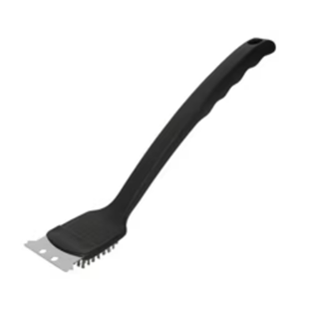
Walmart is recalling more than 4.4 million Expert Grill wire-bristle grill brushes because loose metal bristles can end up in food.

  • Small metal wire bristles can detach from the brush, stick to the grill or food, and cause serious internal injuries if swallowed.
  • About 4,477,655 brushes were sold by Walmart and on Walmart.com from January 2021 through August 2026 for between $1 and $28.
  • Consumers should stop using the brushes immediately and contact Walmart for a full refund or store credit.
Product

Walmart Inc., of Bentonville, Arkansas, is recalling Metal Wire Bristle Grill Brushes sold under the Expert Grill brand. The brushes were widely available in stores and online for several years. The concern is that small metal bristles can come loose during cleaning and later be swallowed with food.

The hazard

Wire-bristle grill brushes have long drawn scrutiny because detached bristles can embed in grilled food or remain on grill grates. If ingested, the bristles can puncture or injure the mouth, throat, stomach or intestines and may require surgery to remove. In this recall, no incidents or injuries had been reported at the time of the announcement.

What to do

Consumers should stop using the recalled grill brushes immediately. Walmart said customers can contact the company for a full refund or a credit that can be used at any Walmart store or on Walmart.com. Consumers will be asked either to return the recalled brushes to Walmart or discard them.

Company contact

Walmart can be reached toll-free at 800-925-6278 from 7 a.m. to 9 p.m. CT Monday through Friday, or online at www.walmart.com/help, https://corporate.walmart.com/recalls, or www.walmart.com and clicking Product Recalls at the bottom of the page.

Source


ZAREI camping showers can catch fire

Golden Resale is recalling portable camping showers because the immersion heater can ignite if it is not fully submerged in water.

  • The immersion heater can quickly ignite when it is partially or completely out of water, creating a fire hazard that can cause serious injury or death.
  • About 400 units were sold on Amazon.com and Walmart.com from February 2026 through August 2026 for about $60.
  • Consumers should stop using the camping showers immediately and contact Golden Resale to begin the refund process.
Product

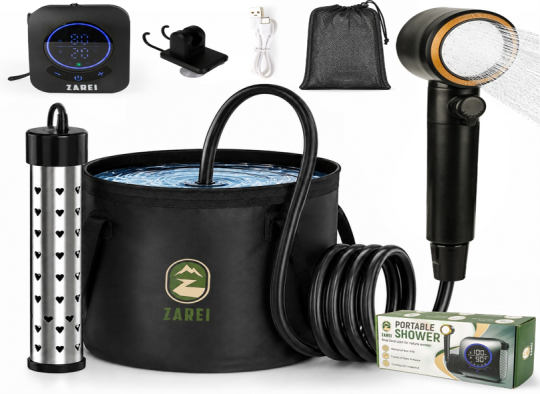
Golden Resale LLC, of Mesa, Arizona, is recalling Portable Camping Showers sold with a black rechargeable shower pump, black shower head with gold trim, black hose, collapsible 5-gallon bucket and 1500-watt metal immersion heater. The products carry the ZAREI name on the bucket and under the display of the shower pump. Regulators said the immersion heater, identifiable by heart-shaped openings in its metal housing, can ignite if used out of water.

The hazard

The main danger is the heater element. If the immersion heater is partially or fully out of water, it can heat up rapidly and ignite, creating a fire risk serious enough to cause severe injury or death. No incidents or injuries had been reported when the recall was announced.

What to do

Consumers should stop using the Portable Camping Showers immediately. Golden Resale is offering a full refund, with the refund process initiated through Amazon or Walmarts return systems. Consumers who continue with the refund process will be sent a free prepaid package to return the recalled camping shower, and the refund will be issued in the same form of payment used for the original purchase.

Company contact

Golden Resale can be reached toll-free at 855-927-3440 from 8 a.m. to 5 p.m. Monday through Friday and from 8 a.m. to 12 p.m. PT on Saturday and Sunday, or by email at golden.resale0624@gmail.com.

Source


Mystery dumpling toys contain dangerous water beads

LLK Trading is recalling Mochi Malrang Mystery Dumpling Toys because the water beads inside can expand and create deadly ingestion and obstruction hazards for children.

  • The toys violate the mandatory safety standard for toys because the water beads inside expand larger than permitted and can cause choking, intestinal blockage and death if swallowed.
  • About 480 toys were sold at Easy Wholesale in San Jose, California, in July 2026 for about $10.
  • Consumers should stop using the toys immediately, mark them RECALLED, discard them and send a photo to the firm for a refund.
Product

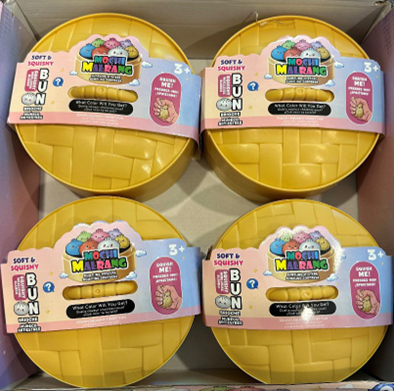
LLK Trading Inc. is recalling Mochi Malrang Mystery Dumpling Toys sold in tan plastic containers shaped like bamboo steamers. The translucent red squishy toys contain glitter and water beads and feature a cartoon face, with SOFT and SQUISHY and MOCHI MALRANG printed on the removable package labeling. The CPSC said the water beads inside can expand beyond the legal limit for childrens products.

The hazard

Water beads can be especially dangerous because they may look harmless but can swell after being swallowed. In this case, the agency said the beads inside the dumpling toys pose ingestion, choking and intestinal obstruction hazards, potentially causing severe discomfort, vomiting, dehydration and a risk of death to a child. No incidents or injuries had been reported.

What to do

Consumers should stop using the mystery dumpling toys immediately and keep them away from children. To obtain a full refund, LLK Trading said consumers should write RECALLED in permanent marker on the squishy dumpling and its tan plastic container, throw both items away, and email a photo showing the discarded products to llktradinginc@gmail.com.

Company contact

LLK Trading can be contacted by email at llktradinginc@gmail.com.

Source


Bonnlo bunk beds can collapse

The CPSC is warning consumers to stop using Bonnlo twin-over-twin bunk beds because failing slats can cause the upper bunk to collapse.

  • The top bunk slats can fail, causing the frame and upper bunk to collapse and creating asphyxiation and injury hazards.
  • The bunk beds were sold on Amazon.com, Abunda.com, eBay.com and Walmart.com from January 2019 through September 2026 for between $140 and $170.
  • Consumers should immediately remove, replace and dispose of the bunk beds and should not sell or give them away.

Product

The CPSC issued a safety warning for Bonnlo-branded twin-over-twin bunk beds sold online in black, gray and white metal-frame versions. The beds measure about 78 inches wide, 41.5 inches deep and 65 inches high and include a ladder. The agency said the top bunk slats can fail, causing a dangerous collapse.

The hazard

When the upper slats give way, the top bunk and frame can collapse unexpectedly. That can trap or injure occupants and create a risk of serious injury or death, including asphyxiation. The CPSC warning urges consumers to treat the beds as hazardous products and get them out of use immediately.

What to do

Consumers should stop using the bunk beds right away. The CPSC said the beds should be removed, replaced and disposed of, and consumers should not sell them secondhand or give them away to others. Anyone who has experienced a product defect or injury involving the beds should file a report with the agency.

Company contact

The CPSC asks consumers to report incidents involving injury or product defects at www.SaferProducts.gov.

Source


Bettergoods Alfredo fettuccine recalled for listeria

Gias Foods is recalling Bettergoods Authentic Italian Lemon Alfredo Fettuccine sold at Walmart stores nationwide because of possible Listeria contamination.

  • The pasta may be contaminated with Listeria monocytogenes, which can cause serious or sometimes fatal infections, especially in pregnant people, older adults and those with weakened immune systems.
  • The recall covers all lot codes of Bettergoods Authentic Italian Lemon Alfredo Fettuccine with UPC 194346442706 distributed nationwide at Walmart stores.
  • Consumers should not eat the product and should return it to the place of purchase for a full refund.

Gias Foods, Inc. is recalling Bettergoods Authentic Italian Lemon Alfredo Fettuccine after identifying a possible health risk tied to Listeria monocytogenes. The affected product was distributed nationwide through Walmart stores and the recall applies to all lot codes bearing UPC 194346442706. The FDA notice warns consumers not to consume the pasta.

The hazard

Listeria monocytogenes can cause serious and sometimes fatal infections in young children, older adults and people with weakened immune systems. Healthy people may experience shorter-term symptoms such as high fever, severe headache, stiffness, nausea, abdominal pain and diarrhea, while infections during pregnancy can lead to miscarriages or stillbirths. The FDA notice did not list reported illnesses in the information provided here.

What to do

Consumers who purchased Bettergoods Authentic Italian Lemon Alfredo Fettuccine should not eat it. Gias Foods said customers should return the product to the place of purchase for a full refund.

Company contact

Consumers can contact the company by email at sales@giasfoods.com.

Source


Sempio chicken stew recalled over import lapse

Sempio Food Services is recalling ready-to-eat chicken stew products because they were imported from South Korea without required U.S. import reinspection.

  • The products were imported without the benefit of import reinspection, prompting a high-risk Class I recall tied to an import violation.
  • The recall covers Sempio Korean Ginseng CHICKEN STEW CLASSIC and Sempio Korean Ginseng CHICKEN STEW RICH with a best-by date of Sept. 29, 2027, distributed in eight states.
  • Consumers should not eat the products and should throw them away or return them to the place of purchase.

Sempio Food Services Inc. is recalling ready-to-eat chicken stew products sold as Sempio Korean Ginseng CHICKEN STEW CLASSIC and Sempio Korean Ginseng CHICKEN STEW RICH. The USDAs Food Safety and Inspection Service said the products were imported from the Republic of Korea without the benefit of import reinspection into the United States. The affected products were distributed to retailers and distributors in Florida, Georgia, Illinois, Maryland, New Jersey, New York, Pennsylvania and Virginia.

The hazard

FSIS classified the action as a high-risk Class I recall related to an import violation. The affected products bear a best-by date of Sept. 29, 2027, the Korean establishment number GIA15001 and shipping mark MK-2026-0422-01. Because the products did not receive the required import reinspection, consumers are being told not to consume them.

What to do

Consumers who bought these chicken stew products should not eat them. Retailers should not sell them, and consumers should either throw the products away or return them to the place of purchase.

Company contact

Daniel Park, president of Sempio Food Services, USA, can be reached at 562-207-9540, Ext. 101, or by email at dypark3438@sempiofs.net.

Source


Consumer product safety recall roundup for October 02, 2026

Photo By CNET

Read More ...


Related Bing News Results
Some popular household electronics banned by FTC because of national security concerns
Fri, 02 Oct 2026 05:22:26 GMT
Federal cybersecurity bans are changing which new routers, robot vacuums, drones, and other connected devices can be sold in the U.S. Consumer Reports says the changes could eventually affect product ...

Consumer Reports' Top Fast Food Breakfast Sandwich Offers Major Nutrition
Sun, 27 Sep 2026 12:39:00 GMT
Consumer Reports ranked this chain's fast food breakfast sandwich highly when it comes to nutritional value, without compromising on overall taste.

The best mini-fridge for dorm season 2026, per Consumer Reports
Sat, 26 Sep 2026 13:39:00 GMT
Stocking up on dorm room supplies for the 2026 season? You should grab this dorm mini-fridge, according to Consumer Reports' recent ranking.

New study finds many prenatal vitamins fail to meet label accuracy
Mon, 14 Sep 2026 03:16:53 GMT
A Consumer Reports study of 17 prenatal vitamins found that most failed to meet label accuracy standards despite containing no harmful levels of contaminants.

Consumer Reports Tested 30 Frozen Meals — These Brands Came Out on Top
Fri, 11 Sep 2026 02:01:00 GMT
Consumer Reports analyzed 30 frozen meals from 10 brands, evaluating them based on taste and nutrition. The organization identified two brands that stood out above the rest and two that it doesn't ...


Blow Us A Whistle


RobinsPost Print On Demand Refund Policy With Printify
Printify

Related Product Search/Búsqueda de productos relacionados

Amazon Logo







