

Rockin Robin SongFlying The Web For News.

Article Tools/Herramientas de artículos

Consumer Daily Reports

A viral iced-coffee debate reveals some surprisingly useful rules for making a better first impression

By Kyle James of ConsumerAffairs
October 7, 2026
  • A recruiter recently sparked a viral debate: A recent TikTok video warned job candidates that walking into an interview carrying an iced coffee can make the meeting appear too casual.

  • Hiring experts are divided: Some say it's a needless distraction, while others say employers shouldn't judge candidates based on what's in their cup.

  • The safest strategy isn't complicated: Finish your coffee before walking in, keep your hands free, and eliminate anything that could distract from the conversation.


You researched the company. Practiced your answers. Picked out what you're going to wear.

But could the iced coffee you grabbed on the way to the interview actually hurt your chances of getting the job?

While this may seem obvious for older generations, apparently, its now up for debate with Gen Z.

Recruiter Caitlin Wehniainen recently sparked an online argument after advising job seekers, particularly Gen Z applicants, not to walk into interviews carrying an iced coffee.

Her reasoning wasn't really about caffeine. She argued that arriving with a drink can make the interview look like just another stop between errands rather than an important professional meeting.

That might sound ridiculously picky to some. And plenty of hiring experts think it is.

But if you're trying to land a job, its worth asking yourself, Why give an interviewer something irrelevant to judge you on?

Here are five easy ways to avoid doing exactly that.

1. Finish the coffee before you walk in

You don't need to give up your morning caffeine. Just finish it in the car, lobby, or outside.

Megan Slabinski, a district president at staffing company Robert Half, told Fortune that an iced coffee probably won't make or break an interview, but she wouldn't recommend bringing one into the room. Drinks can be distracting, messy, and leave you juggling something when you're trying to introduce yourself.

The easy rule is to walk into the interview with no drink, your phone put away, and your hands free.

If the interviewer offers you coffee or water once you're inside, that's different. Feel free to accept the drink at that point.

2. Don't obsess over the coffee think about distractions

This is probably the more useful lesson. An interviewer may not care whatsoever about your Starbucks cup.

But a buzzing phone, jangling keys, giant tote bag, sunglasses on your head, or breakfast sandwich you're still finishing can all compete for attention.

You want the interviewer remembering what you said, not what you carried into the room.

Indeed's interview guidance similarly recommends paying attention to your behavior and body language from the moment you enter the building, not just once the formal interview begins.

3. Treat the lobby as part of the interview

Your interview doesn't necessarily start when somebody asks, Tell me about yourself. It may start when you walk through the front door.

Indeed notes that receptionists, security personnel, and other employees you encounter may be asked for feedback about you. So be polite to the receptionist. Don't complain about parking. Don't take a loud phone call in the lobby. And don't spend 10 minutes scrolling TikTok while waiting for your interviewer.

Assume you're being interviewed from the moment you arrive.

4. When you don't know the company's culture, play it safe

This is where the iced-coffee argument gets interesting.

Some workplaces couldn't care less, while at another company, the person interviewing you may consider it unprofessional.

And you usually don't know which interviewer you're getting. That's why when you're unsure how casual a workplace is, show up one notch more polished than you think is necessary.

That doesn't mean wearing a suit to interview at a surf shop. It means removing the little variables that don't help you get hired.

5. Spend your energy on what actually matters

Don't walk away from this thinking employers are secretly keeping an iced-coffee blacklist.

They're not.

Several hiring experts interviewed by Fortune pushed back on the whole debate. Trent Cotton, head of talent insights at recruiting software company iCIMS, argued that a cup of coffee says essentially nothing about whether someone can do the job.

And that's worth remembering.

Your preparation, communication, experience, and the questions you ask are far more important than what's in your cup. Indeed recommends researching the employer, reviewing the job description, practicing likely questions, and preparing thoughtful questions of your own before the interview.

But job interviews are also short, imperfect human interactions where first impressions matter. So drink the coffee, but just finish it before you walk through the door.


Posted: 2026-10-07 16:36:28
Get Full News Story On Consumer Affairs


More News From This Category
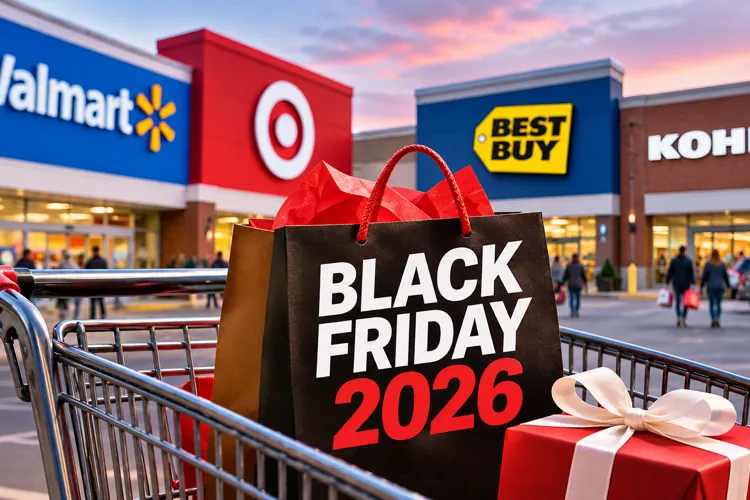
Consumer News: Black Friday 2026: Mark your calendar for these major retailer sales
Fri, 13 Nov 2026 23:07:09 +0000
Black Friday 2026: Mark your calendar for these major retailer sales

Black Friday isn't just one day anymore. For many of America's biggest retailers, it's become a weeks-long shopping event, with early discounts appearing well before Thanksgiving. And that creates a problem for shoppers: How do you know when to buy, especially when Amazon, Walmart, Target, and other major retailers are all running promotions on different schedules? This year, Black Friday falls on...


Consumer News: Apple's $2,000 folding iPhone comes with a potentially expensive catch
Fri, 13 Nov 2026 20:07:12 +0000
Apple's $2,000 folding iPhone comes with a potentially expensive catch

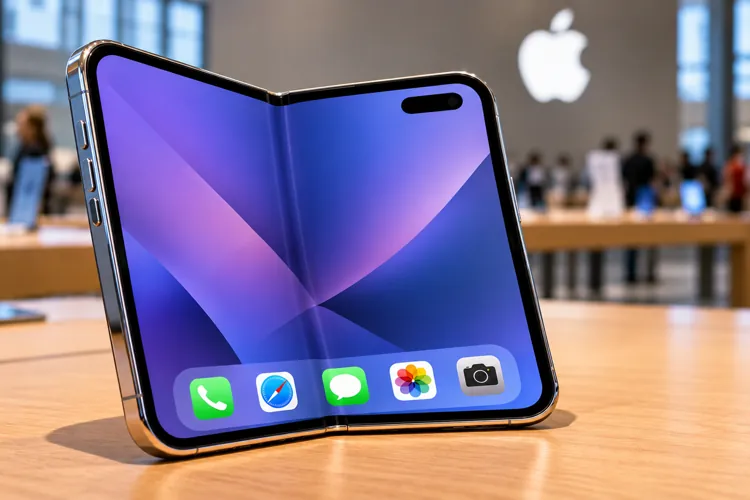
Apple's new iPhone Duo starts at $1,999: However, repairing its folding screen without coverage could cost another $999. Early durability tests offer mixed results: The hinge survived thousands of folds, but the crease down the middle of the screen became more noticeable. AppleCare+ can reduce repair bills considerably: But shoppers need to factor in the cost of coverage and understand what's cove...


Consumer News: More green space may help kids focus and learn
Fri, 13 Nov 2026 17:07:11 +0000
More green space may help kids focus and learn

Children living in greener neighborhoods performed better on attention and achievement assessments. Researchers analyzed data from nearly 12,000 children across the United States. Better air quality may help explain why access to green spaces is associated with stronger cognitive performance. Between schoolwork, screen time, and everyday distractions, children have plenty of things competing for t...


Consumer News: Late-night snacking could come with an unexpected health risk
Fri, 13 Nov 2026 17:07:11 +0000
Late-night snacking could come with an unexpected health risk

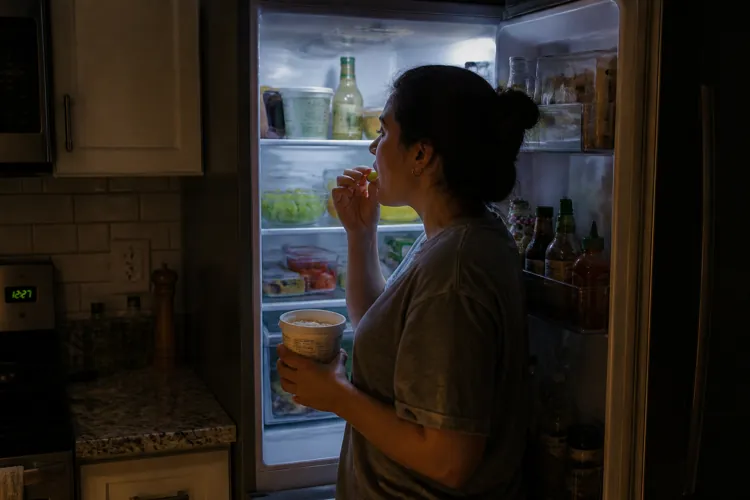
Researchers found that people who reported eating late at night had a 20% to 30% higher rate of liver disease. The study examined health and lifestyle information from nearly 200,000 participants across three long-running research projects. Researchers say finishing meals several hours before bedtime may support liver health, although more research is needed to confirm the connection. Late-night s...


Consumer News: Are all ultra-processed foods bad for you? A major study offers a surprising answer
Fri, 13 Nov 2026 17:07:11 +0000
Are all ultra-processed foods bad for you? A major study offers a surprising answer

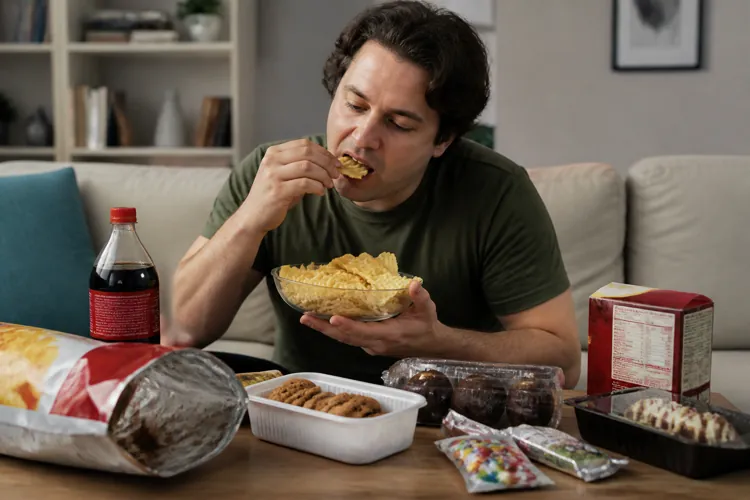
Researchers found no overall association between eating more ultra-processed foods and developing colorectal cancer. Ultra-processed whole grains and dairy products were associated with lower cancer rates, while processed meats were associated with higher rates. The findings suggest that a food's nutritional content may matter more than its level of processing when considering colorectal cancer ri...


Related Bing News Results
Consumer Reports tests kids vitamins for heavy metals, label accuracy
Sat, 14 Nov 2026 07:02:22 GMT
Approximately 1 in 3 kids under age 19 regularly take a dietary supplement, according to the Centers for Disease Control and Prevention. But do kids’ vitamins actually contain what they say on the ...
Consumer Reports investigation: Do kids' vitamins contain what they say on the label?
Thu, 12 Nov 2026 08:04:00 GMT
Here’s what parents need to know before giving their child a daily vitamin.
Consumer Reports finds some kids’ vitamins contain up to 5 times the nutrients listed on labels
Wed, 11 Nov 2026 01:31:00 GMT
Consumer Reports tested 21 children’s vitamins and found each had at least one nutrient level that differed from its label—sometimes by as much as 500%. All products were considered safe, with heavy ...
Consumer Reports Labels, Explained: Recommended, Top Pick, Best Brand, Best of, Smart Buy, and #1 in Brand Reliability
Thu, 15 Oct 2026 03:00:00 GMT
Consumer Reports (CR) uses several designations to help shoppers quickly identify products and services that perform well in our independent evaluations. When data is available, these designations ...
Consumer Reports retests protein powders, finds safer options
Wed, 18 Feb 2026 17:22:00 GMT
Last year, Consumer Reports tested dozens of popular protein powders and ready-to-drink shakes and found more than two-thirds contained concerning levels of lead. The investigation raised questions ...

Blow Us A Whistle


RobinsPost Print On Demand Refund Policy With Printify
Printify

Related Product Search/Búsqueda de productos relacionados

Amazon Logo