Rockin Robin SongFlying The Web For News.

Article Tools/Herramientas de artículos

Consumer Daily Reports

Scammers may use fake Amazon alerts, delivery notices, and urgent requests to catch shoppers off guard

By Kristen Dalli of ConsumerAffairs
October 7, 2026
  • Scammers may use fake Amazon alerts, delivery notices, and urgent offers to pressure shoppers into acting quickly.

  • AI shopping tools can make it easier to shop, but consumers should think twice before sharing personal or financial information with them.

  • Taking a moment to pause, question suspicious messages, and verify offers independently can help keep your information safe.


Prime Day may be a major shopping event, but consumers shouldnt wait to start watching for .

TrendLife found that 84.2% of the 3,887 Amazon-related it tracked in the U.S. in June occurred during the two weeks leading up to Prime Day. That means shoppers may already have gotten suspicious texts, emails, and other messages designed to look like they came from Amazon or a delivery company.

So what should shoppers watch for?

ConsumerAffairs spoke with Lynette Owens, vice president of consumer education and marketing at TrendLife, who shared some tips for spotting potential and protecting personal information before clicking on that next Prime Day deal.

Scammers exploit trust

Owens explained that scammers prey on one consumers trust of brands like Amazon, UPS, FedEx, etc.

are designed to trigger an emotional response and make people less likely to question the legitimacy of the source, she said. They tap into feelings of scarcity, fear, and excitement to pressure consumers into acting before they have time to think.

A message claiming a Prime membership payment has failed, a delivery is being held, or an exclusive offer is about to expire can create just enough pressure for someone to click a link or share personal information without verifying if the claim is reputable.

Owens said the key is recognizing that urgency is often a deliberate tactic. She encourages consumers to give pause when a message pressures you to act immediately and verify it independently rather than responding through the message itself.

Be careful of AI shopping tools

Many consumers utilize AI shopping tools for discounts, extra coupons, or extra assistance tracking down the best buys. However, Owens warns against sharing too much personal information with an AI chatbot.

From names and financial details to shopping habits and daily routines, these details can reveal a lot about a person, she said. When sharing sensitive details with AI tools, consumers may not fully understand where that information is being stored, how it is being utilized or who may have access to it.

This is risky because the more personal information that is exposed, the more consumers are at risk of identity theft, targeted phishing attacks or , or hijacked bank accounts.

Share as little as possible

As Prime Day leads into holiday shopping, Owens hopes that consumers stay vigilant when sharing any information with AI chatbots.

Here are some of Owens best tips for staying safe when shopping online this holiday season:

  • Maintain critical thinking while using AI to shop. Before sharing any personal information, take care to consider whether or not it is necessary and if so, consider sharing as minimally as possible.

  • Avoid entering sensitive details into an AI chatbot. This includes payment information or personal identifiers. Consumers should trust their instincts and be overly cautious about how revealing they are with an AI tool.

  • The same principle applies to unexpected messages, deals, and recommendations generated or shared online. Scammers are increasingly good at making fraudulent offers and requests that appear legitimate, particularly during busy shopping periods. Taking a moment to pause and question the legitimacy of the offer and the source can go a long way toward protecting yourself and your family.

As AI becomes a bigger part of how families shop, search for information, and manage their digital lives, it's equally important to think about how we protect our personal information, Owens said. Technology can make everyday tasks easier, but consumers should understand the risks and take steps to protect themselves.


Posted: 2026-10-07 18:30:20

Get Full News Story On Consumer Affairs


More News From This Category
Consumer News: Nearly 40% of Gen Z are buying Christmas gifts for people they don't even like
Sat, 21 Nov 2026 14:07:10 +0000
Nearly 40% of Gen Z are buying Christmas gifts for people they don't even like

Guilt is driving holiday spending: 38% of Gen Z plan to buy gifts for people they don't even like. It's costing shoppers real money: Nearly half of those buying gifts for people they dislike expect to spend $200 or more. You can break the cycle: Setting spending limits, suggesting gift exchanges, and having honest conversations can help protect your holiday budget. Holiday shopping is supposed to...


Consumer News: The Christmas shopping trick hiding in the gift card aisle: How to get $100 for $80
Fri, 20 Nov 2026 20:07:10 +0000
The Christmas shopping trick hiding in the gift card aisle: How to get $100 for $80

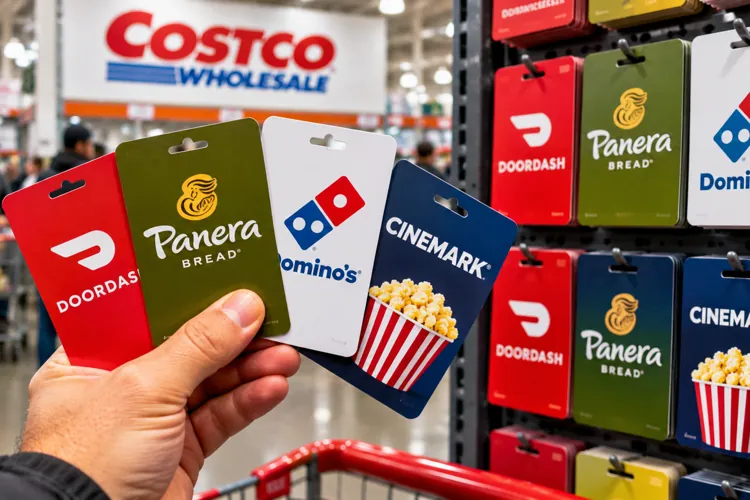
Discounted gift cards can mean instant savings: Most Costco and Sam's Club locations sell gift cards for 20% or more below face value. Holiday promotions can put extra money in your pocket: Kroger offers bonus fuel points on qualifying gift cards, while Barnes & Noble is offering a $10 bonus on $100 purchases. You don't have to give them as gifts: Buy discounted cards for places where you alre...


Consumer News: Your Instagram habits may reveal more than your carefully curated highlights
Fri, 20 Nov 2026 17:07:10 +0000
Your Instagram habits may reveal more than your carefully curated highlights

A new study found that Instagram activity could help researchers identify patterns associated with emotional and social loneliness. People who reported feeling lonelier tended to share fewer photos featuring other people and use more past-focused language. Researchers say social media activity could eventually help identify people who need support, but privacy and accuracy remain important concern...


Consumer News: Thanksgiving food safety starts before the first bite. Here's what to know
Fri, 20 Nov 2026 17:07:10 +0000
Thanksgiving food safety starts before the first bite. Here's what to know

Rutgers experts say consumers should check food recalls before shopping for or preparing Thanksgiving dinner. Proper turkey thawing, food temperatures, and leftover storage are important steps in preventing foodborne illness. Holiday guests can also bring potential hazards for children and pets, including medications, cannabis products, and certain foods. Thanksgiving dinner involves plenty of pla...


Consumer News: Most cannabis products are still missing important label information
Fri, 20 Nov 2026 17:07:09 +0000
Most cannabis products are still missing important label information

A new study found that just 14% of cannabis products sampled at Colorado dispensaries included all required label information. Expiration dates and recommended storage instructions were among the most commonly missing details. Researchers say incomplete labels could make it harder for consumers to understand what they're buying and use cannabis products safely. When purchasing cannabis, consumers...


Related Bing News Results
Consumer Reports' highest-rated nonstick cookware set is under $200
Tue, 17 Nov 2026 09:39:00 GMT
The quality of your cookware can make or break how you operate in your kitchen, so we want you to know which set Consumer Reports thinks is worth your time.
10 Vehicles Consumer Reports Rates Highly for Ride Comfort
Sat, 07 Nov 2026 09:15:00 GMT
Ride comfort plays an important role when choosing a vehicle, especially for drivers who spend long hours commuting, travel with family, or regularly cover ...
Consumer Reports finds some kids’ vitamins contain up to 5 times the nutrients listed on labels
Wed, 11 Nov 2026 01:31:00 GMT
Consumer Reports tested 21 children’s vitamins and found each had at least one nutrient level that differed from its label—sometimes by as much as 500%. All products were considered safe, with heavy ...
Consumer Reports tests kids vitamins for heavy metals, label accuracy
Sat, 14 Nov 2026 07:02:00 GMT
Approximately 1 in 3 kids under age 19 regularly take a dietary supplement, according to the Centers for Disease Control and Prevention. But do kids’ vitamins actually contain what they say on the ...

Blow Us A Whistle


RobinsPost Print On Demand Refund Policy With Printify
Printify

Related Product Search/Búsqueda de productos relacionados

Amazon Logo