For calendars, workplaces, schools, and community organizations, Indigenous Peoples’ Day 2026 lands on Monday, October 12. The date may look familiar because it coincides with the federal Columbus Day holiday, but how it is named, observed, and marked varies widely by state, city, school district, and employer.
That difference is the practical starting point. Indigenous Peoples’ Day is not a single, uniform national event with one official program. It is a day that many communities use to recognize Native American, Alaska Native, and Indigenous peoples, their continuing cultures, sovereignty, history, and contributions. Other places continue to observe Columbus Day, observe both names, or set their own local approach.
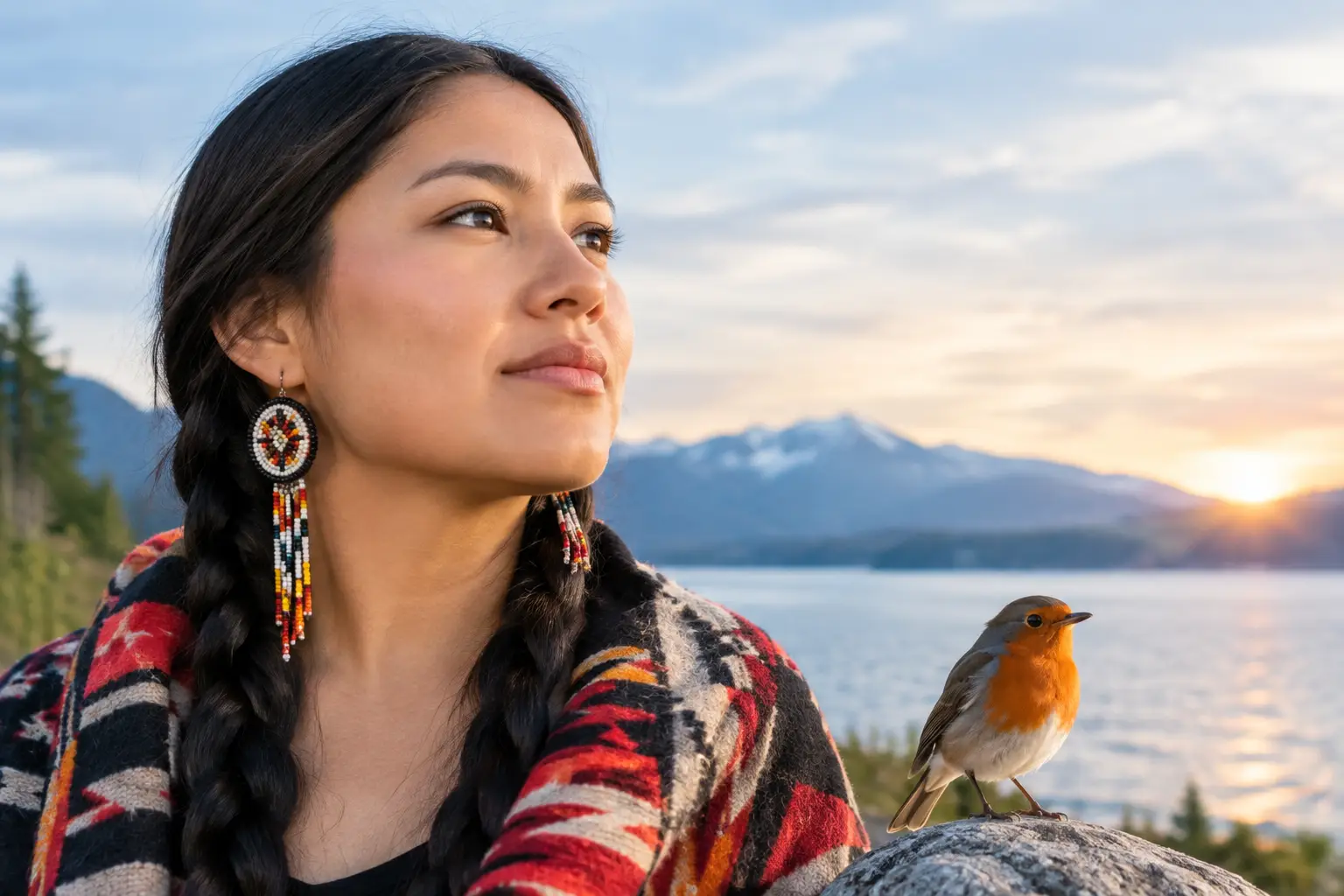
For readers tracking holiday schedules, local events, education coverage, and public-interest news, October 12 is likely to bring a full stream of announcements, museum programs, civic gatherings, school resources, and discussions about history and public policy. The most useful coverage will identify who is hosting an event, which Indigenous communities are involved, and whether the activity is open to the public.
Indigenous Peoples’ Day 2026: The Date and Status
Indigenous Peoples’ Day 2026 falls on the second Monday in October. In the United States, Columbus Day remains a federal holiday, meaning federal offices may close and some services may operate on holiday schedules. Banks, post offices, public transit systems, schools, and private businesses each set their own policies, so a federal holiday does not automatically mean every local service will close.
Indigenous Peoples’ Day, by contrast, is recognized through state, local, tribal, and institutional decisions. Some governments have replaced Columbus Day with Indigenous Peoples’ Day. Some recognize both. Some have not made an official change but may still host educational or cultural programming.
This matters because holiday labels can affect school calendars, city meeting schedules, library programming, public statements, and the language used in local reporting. It also means readers should avoid assuming that an observance in one state applies everywhere else. Check official notices from your city, county, school district, employer, and nearby cultural institutions before making plans.
Why the Observance Matters
The day asks the public to look beyond the traditional Columbus-centered account often presented in American schools and public ceremonies. For many Indigenous people, that account leaves out colonization, forced removal, broken treaties, land loss, boarding schools, and the long-term effects of federal and state policies.
Recognition is not only about revisiting the past. Indigenous peoples are present-day communities with distinct nations, governments, languages, artistic traditions, businesses, environmental leadership, and legal interests. A meaningful observance makes room for that reality instead of treating Native history as a chapter that ended long ago.
The wording also matters. “Indigenous peoples” is a broad term, not a substitute for every community’s preferred name or identity. When reporting on or attending a local event, use the nation or tribal affiliation named by the speakers and organizers when it is available. A program led by the Navajo Nation, for example, should not be flattened into a generic reference if its own materials identify the community more specifically.
There is also no single Indigenous perspective on every issue. More than 570 federally recognized tribes exist in the United States, alongside state-recognized tribes and other Native communities. Their histories, languages, geographic ties, and priorities differ. Good coverage and good participation leave room for those differences.
What to Watch for on October 12
The strongest Indigenous Peoples’ Day programming is usually community-led or created in direct partnership with tribal nations, Native-led organizations, artists, educators, and historians. That involvement is more than a courtesy. It helps ensure that an event reflects living knowledge and local context rather than relying on outdated narratives.
Museums and libraries may feature exhibits, author talks, film screenings, archival collections, or reading lists. Colleges can host lectures or panel discussions on Indigenous law, language revitalization, public health, land stewardship, or contemporary art. Cities may hold proclamations, cultural celebrations, or public forums. Some events are celebratory; others focus on remembrance, advocacy, or policy questions. Each can serve a purpose, but they are not interchangeable.
For families, an event with hands-on activities can be a useful introduction, especially if the presenters explain the cultural context and avoid turning traditions into costumes or crafts detached from their meaning. For adults seeking deeper context, look for talks led by Native scholars, writers, elected leaders, cultural practitioners, or representatives of nearby tribal nations.
News coverage may also focus on debates over holiday names. Those debates can become polarized quickly, particularly when framed as a simple choice between honoring one group and erasing another. A more accurate frame is that public commemoration shapes whose stories are elevated and how a community understands its own history. Naming decisions are symbolic, but they can also lead to changes in curricula, public programming, and civic relationships.
How to Participate Respectfully
Start locally. Learn whose ancestral homelands include the place where you live, work, or travel, then seek information from tribal governments and Native-led organizations rather than relying only on generic summaries. Local history can be complex, particularly in areas affected by displacement, migration, or overlapping tribal ties, so treat introductory material as a beginning rather than a final answer.
If you attend a public event, follow the organizer’s guidance on photography, recording, seating, and participation. Not every song, prayer, ceremony, or cultural practice is intended for casual documentation or social media. A public invitation does not erase the need for basic courtesy.
Support can take practical forms. Buy books, art, and goods directly from Native authors, artists, and businesses when possible. Visit a Native-led museum or cultural center. Attend a public lecture. Subscribe to reporting from Indigenous journalists. If you share information online, amplify the work of the organizers and speakers instead of reposting unverified claims, romanticized images, or broad statements about what all Indigenous people think.
Schools and workplaces can do more than issue a one-day message. A thoughtful approach might include Native-led training or speakers, accurate educational materials, paid time for employees to attend local programs, and a review of whether internal resources use respectful, current language. The right approach depends on the organization’s location, relationships, and budget. A small employer may begin with a local educational event; a public institution may have a larger responsibility to build ongoing partnerships.
Questions to Ask Before Sharing or Attending
As October 12 approaches, a few checks can improve both planning and coverage. Who organized the event? Are Native voices leading it? Does the description name specific tribes, nations, or speakers? Is the event educational, ceremonial, political, commercial, or a combination of these?
It is also worth checking whether an event charges admission and where the money goes. Paid programming is not inherently a problem - artists, educators, and cultural organizations deserve to be compensated. But transparency matters, especially when a non-Native organization is presenting Indigenous culture as an attraction.
For journalists, community groups, and social media users, accuracy should come before speed. Confirm spellings, titles, tribal affiliations, event times, and location details with the host organization. Avoid describing a tribe in the past tense unless the story is specifically historical. And do not use a land acknowledgment as a substitute for reporting on the current people and issues connected to that land.
Planning for a Better Conversation
Indigenous Peoples’ Day can be a useful annual marker, but it should not carry the entire burden of public education. The most valuable next step after October 12 is continued attention: follow a local tribal government’s public updates, read Native authors across genres, attend programs throughout the year, and notice where Indigenous perspectives are missing from conversations about housing, conservation, education, healthcare, or voting rights.
For 2026, the clearest way to approach the day is with curiosity, specificity, and a willingness to listen. Check local schedules, choose sources with direct community knowledge, and let the people most connected to an event define what they want the public to understand.