A dawn bird walk can change the way a neighborhood looks. So can seeing a rehabilitated hawk returned to the wild, joining a creek cleanup, or learning why a patch of native plants matters to pollinators. National Wildlife Day events turn those moments into practical local action, giving families, students, and curious residents a reason to look more closely at the animals and habitats around them.
Observed annually on September 4, National Wildlife Day is often marked by zoos, aquariums, wildlife rehabilitation centers, parks, schools, and conservation groups. The strongest programs do more than offer an animal photo opportunity. They explain the pressure facing local species, introduce people doing the daily work of rescue or habitat care, and give visitors a realistic way to help after the event ends.
What National Wildlife Day Events Can Look Like
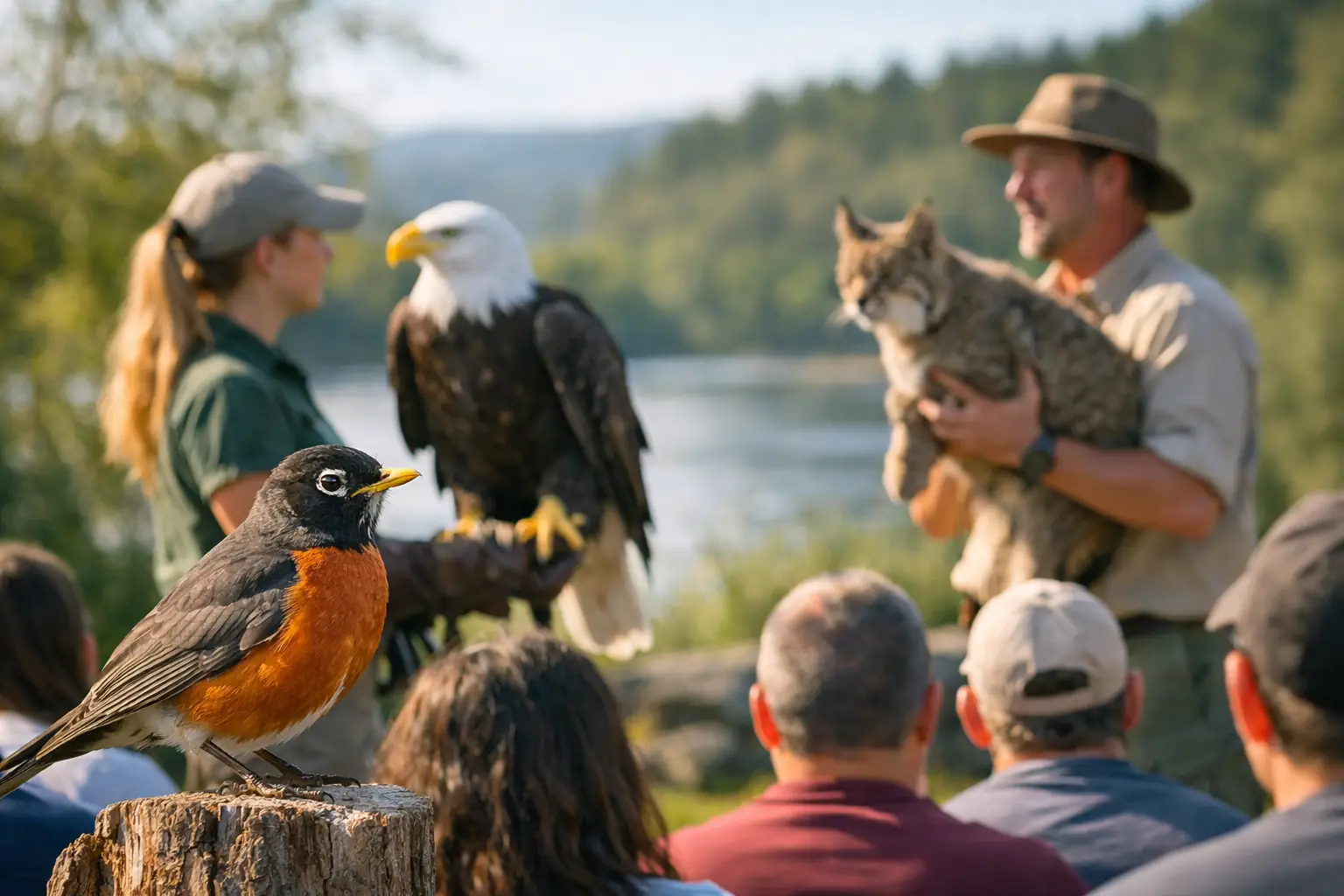
There is no single national schedule or required format, so activities vary widely by region and organization. A large city zoo may run keeper talks, conservation demonstrations, and timed presentations. A county park may host a guided nature walk or a family station focused on tracks, feathers, and native insects. Smaller wildlife centers may use the day to share rehabilitation stories, collect supplies, or raise funds for veterinary care.
Common event formats include:
- Guided bird, butterfly, wetland, or woodland walks led by naturalists
- Wildlife rehabilitation center open houses and educational animal presentations
- Habitat restoration projects, including native planting, litter removal, and invasive plant removal
- Zoo, aquarium, museum, and nature center talks about endangered species and conservation work
- Online panels, classroom activities, wildlife camera streams, and citizen-science observations
Some programs happen exactly on September 4, while others are held during the nearest weekend to make attendance easier. That flexibility is useful for working adults and families, but it also means event details can change quickly. Check the host organization’s current notice before traveling, especially for outdoor activities affected by weather, trail conditions, or wildfire restrictions.
How to Find National Wildlife Day Events Near You
Start locally. City and county parks departments, state wildlife agencies, public libraries, botanical gardens, zoos, nature centers, and wildlife rehabilitation organizations are often the most reliable sources for public programming. Search for the observance along with your city, county, or state, then look at the organizer rather than relying only on an event listing reposted elsewhere.
A broader search can uncover virtual programming from universities, museums, and national conservation organizations. Virtual events are particularly useful for people who do not live near a major facility, cannot travel, or want a specialist talk on a species outside their region. They can also be a good fit for classrooms and community groups looking for a shared activity.
When comparing options, look beyond the headline. Confirm whether registration is required, whether children are welcome, how long the program lasts, and whether there is a fee or suggested donation. For a guided walk, check the terrain, restroom access, parking, weather policy, and recommended clothing. A one-hour beginner bird walk and a three-mile restoration project may both be family-friendly in theory, but they call for very different preparation.
RobinsPost readers who follow local news and events can also watch for wildlife stories that identify a nearby rescue center, park project, or seasonal animal issue. Reports about injured animals, drought conditions, migration, coastal nesting, or habitat development often point to the groups doing meaningful work on the ground.
Choose Events That Put Wildlife First
Wildlife events can be memorable without treating animals as entertainment. A responsible organizer keeps a respectful distance, avoids unnecessary handling, and makes animal welfare part of the program rather than an afterthought. This matters most when an event involves live animals, nesting areas, or species that are easily stressed by noise and crowds.
Ask a few straightforward questions before attending. Is the host a recognized park agency, accredited facility, licensed rehabilitation center, school, or established conservation group? Does the description explain what attendees will learn or contribute? Are there clear rules about feeding, touching, photographing, or approaching animals? Good programs do not promise close encounters with wild creatures. They teach people why space, quiet, and proper habitat are often the best forms of care.
Be wary of events that use vague rescue claims, sell interactions with wild animals, or encourage participants to bring home feathers, eggs, turtles, frogs, or other wildlife. Rules differ by species and location, but many animals and animal parts are protected. When in doubt, leave what you find, take photographs from a distance, and ask a qualified guide.
There is also a practical trade-off between a polished event at a major attraction and a smaller volunteer-led project. The larger event may have easier access, structured programming, and exhibits for children. The local project may offer fewer amenities but a more direct connection to a trail, creek, beach, or habitat that needs help. Either can be worthwhile if the organization is transparent and the activity fits your interests.
Make the Day Useful for Families and Communities
For children, the best National Wildlife Day events give them a job, not just a lecture. A scavenger hunt for signs of animal life, a native-seed planting station, a simple observation journal, or a chance to identify calls and tracks can hold attention longer than a dense presentation. Adults can help by framing the day around questions: What does this animal need to survive? What has changed in its habitat? What can people change?
Schools, workplaces, and neighborhood groups can participate even without arranging a formal field trip. A lunch-hour presentation with a local naturalist, a collection of approved rehabilitation-center supplies, or a group cleanup in a permitted public space can create a focused observance. Projects should be coordinated with land managers when possible. Well-meaning volunteers can accidentally disturb nesting sites or remove vegetation that provides food and shelter.
If you are planning an event, keep the invitation specific. “Help restore a pollinator garden from 9 to 11 a.m.” is more useful than “Celebrate wildlife.” State what people should bring, who can participate, where proceeds or donations go, and what impact the activity is intended to have. Clear information builds trust and helps people choose an event they can genuinely complete.
Small Actions After the Event Matter More
A National Wildlife Day program works best when it starts a habit. The next step may be as simple as keeping pets under control outdoors, securing trash, reducing outdoor light during migration, or planting a small area with locally appropriate native species. In other places, the most helpful action is reporting an injured animal to a qualified rehabilitator rather than trying to treat it at home.
Residents can also pay attention to seasonal guidance. Feeding wildlife, for example, is not automatically helpful and can spread disease or change animal behavior. Backyard feeding practices, yard maintenance, and water features all depend on local conditions and species. Advice from a nearby wildlife agency or established rehabilitation organization is generally more useful than a one-size-fits-all social media tip.
The value of National Wildlife Day is not measured by how many animal photos appear online. It is measured in better choices: a child who learns not to chase a shorebird, a homeowner who leaves a brush pile through winter, a volunteer who returns to maintain a trail, or a community that notices what is living alongside it. Pick an event that respects wildlife, bring someone who has not been before, and leave with one action you can keep doing.