Do you enjoy making lei, and want to grow your own flowers to use in your creations? Here are some of the most popular flowers used in traditional and contemporary lei making, what makes each one a great pick for stringing, and how you can grow them at home with a few simple tips.
Plumeria
Plumeria is a traditional flower used for lei making. It’s a favorite because its waxy petals hold their shape during stringing and release a sweet fragrance. Plenty of direct sunlight encourages the plant to produce a fuller display of blooms.
Plumeria dislikes sitting in wet ground, especially during cooler months when growth slows. Gardeners outside tropical regions can grow it in a large pot and bring it inside before frost arrives. Let the soil dry between waterings, then resume deeper watering when warm weather returns.
Tuberose
Tuberose brings a rich fragrance that becomes stronger after sunset, so even a small cluster of blooms can perfume an entire lei. The flowers grow along tall stalks, and each narrow blossom threads neatly without taking over the design.
Long hours of sun give tuberose the warmth it needs to bloom. Plant the bulbs in loose soil after the danger of frost has passed. Container growing gives you more control in cooler regions. Water when the upper soil dries, and remove spent flowers so the plant keeps directing energy toward healthy growth.
Pikake
Pikake produces small white flowers with a deep jasmine scent. Its compact size works beautifully in tightly strung lei, especially when you want fragrance without large petals crowding the strand. The plant loves warmth and bright light, but intense afternoon sun can scorch it in very hot areas.
Yellow leaves often point to wet roots or poor drainage. Give pikake rich soil that releases extra water, then prune it lightly after a blooming cycle. Regular trimming keeps the shrub from becoming leggy and encourages new flowering growth near the tips.
Orchids
Orchids give lei a crisp shape and long-lasting color, which explains why dendrobium blooms appear so frequently in floral strands. They look delicate, but the plants aren’t as fussy as their reputation suggests.
Dendrobiums mainly need bright filtered light and good airflow around their roots. Let the potting medium begin to dry before watering again. A loose orchid bark mix prevents the roots from sitting in trapped moisture. During active growth, a diluted orchid fertilizer supports new canes that later produce the flowers you’ll harvest.
Crown Flower
Crown flower earns its name from the pointed center of each bloom, which gives the petals a small crown-like shape. The lavender or white flowers add structure to lei and remain attractive after picking. This shrub loves heat, so place it where it receives plenty of sun.
It can grow quite large in tropical areas. Pruning after flowering keeps it within reach and encourages branching. Wear gloves when cutting stems because the plant releases a milky sap that can irritate your skin. Allow cut blooms to rest before stringing them.
Hibiscus
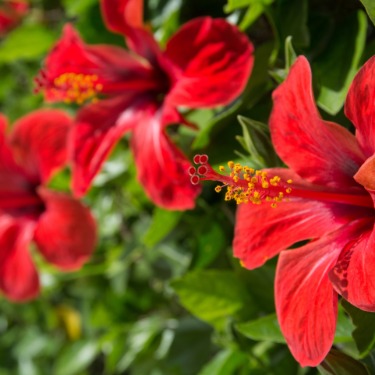
Hibiscus gives you broad petals and vivid color, though the flowers bruise more easily than thicker lei blooms. That doesn’t rule them out. You just need to handle them gently and make the lei close to the time you plan to wear it.
Hibiscus wants direct sun and regular water during warm weather. If buds fall before opening, the plant may be drying too deeply between waterings. Container plants also need room for their roots, so repot when growth slows or water races through the pot without soaking the soil.
Gardenia
Gardenia brings creamy white petals and a fragrance that stands out even when you mix it with other flowers. The blooms look luxurious, but the plant has opinions about its soil. A little demanding? Yes.
Gardenias prefer acidic soil with even moisture around the roots. Hard water can raise the soil pH over time, which leaves the foliage yellow while the veins remain green. An acid-forming fertilizer can correct that issue. Give the shrub morning sun with afternoon shade in hot climates, and avoid touching the petals too much because skin oils can discolor them.
Stephanotis
Stephanotis produces white, star-shaped flowers with firm petals and a light fragrance. Its blooms work well when you want a neat strand with a formal look. The plant grows as a vine, so it needs a trellis or another support as the stems lengthen.
It also grows indoors when it receives bright light near a window. Keep the soil lightly moist during active growth without leaving the pot soggy. Cooler nights can encourage flowering, though sudden temperature swings may cause buds to drop before they open. Turn indoor pots regularly for even growth.
Marigolds
Marigolds bring bold gold or orange color to lei, and they’re far easier to grow than many tropical flowers. You can start them from seed after frost has passed, then enjoy blooms through much of the warm season.
Deadheading keeps new buds coming instead of letting the plant spend energy on seeds. Marigolds prefer full sun and soil that doesn’t remain wet after rain. Water near the base so the flower heads remain dry. Taller African marigolds give you fuller blooms, while smaller varieties suit tighter designs.
Roses
Roses add soft petals and a recognizable scent to lei, especially when you use small blooms or separate petals for a layered strand. You don’t need perfect exhibition roses for this job. In fact, flowers picked just as they begin to open hold together better than fully spread blooms.
Removing faded blossoms above a healthy set of leaves encourages repeated flowering. Roses also need several hours of sun and deep watering at the soil line. Good spacing between plants lets foliage dry after rain, which reduces common leaf problems.
Grow a Lei Garden You’ll Enjoy Using
The right flowers for your lei garden depend on your weather and the type of strand you enjoy making. Fragrance lovers may lean toward pikake or tuberose, while gardeners who want bright color may prefer orchids or marigolds. You don’t need to plant everything at the same time.
Begin with one flower that suits your space, learn its blooming cycle, and build from there. The best flowers to grow for making lei are the ones you can care for confidently and harvest at the right time.
Bio: Casey is a passionate copyeditor highly motivated to provide compelling SEO content. Her expertise spans technical, consumer, and lifestyle industries with an emphasis on readability and detail.