On September 30, Botswana pauses for a national celebration known locally as Boipuso, the Setswana word for independence. Botswana Independence Day marks the moment in 1966 when the country ended British colonial rule and began governing itself as a sovereign republic. For a nation often recognized for political stability, conservation, and diamond wealth, the holiday is also a public reminder that those achievements were not guaranteed.
The day brings flags, public ceremonies, music, dance, speeches, and community events across the country. It can also bring road closures, altered business hours, busy domestic travel, and a heightened sense of national pride. For readers following African affairs, planning a trip, or looking for context behind the annual celebrations, the story of Botswana’s independence offers much more than a date on the calendar.
Botswana Independence Day and the Road to 1966
Before independence, Botswana was known as the Bechuanaland Protectorate. Britain established the protectorate in 1885, largely to prevent the territory from being absorbed by surrounding colonial powers. Unlike many territories under direct colonial administration, Bechuanaland was governed with limited local resources and little major infrastructure investment.
Its administrative capital was, unusually, outside the territory itself, in Mafikeng in what is now South Africa. That arrangement underscored how peripheral Bechuanaland was to British priorities. At independence, Botswana faced serious constraints: few paved roads, a small number of secondary schools, limited public services, and a narrow formal economy centered on cattle farming and migrant labor.
The path toward self-rule accelerated in the 1960s as independence movements reshaped Africa. Seretse Khama, who had become a prominent political leader after years of personal and political controversy under colonial rule, helped lead the transition. His marriage to Ruth Williams, a white English woman, had provoked opposition from both South African apartheid authorities and British officials. The couple’s experience became part of a wider national story about self-determination and dignity.
On September 30, 1966, the new Republic of Botswana was born. Seretse Khama became its first president, and the capital was established in Gaborone. The country joined the Commonwealth and adopted democratic institutions that, despite real pressures and political debate, have endured longer than in many post-colonial states.
Why the Celebration Carries More Weight Than a Public Holiday
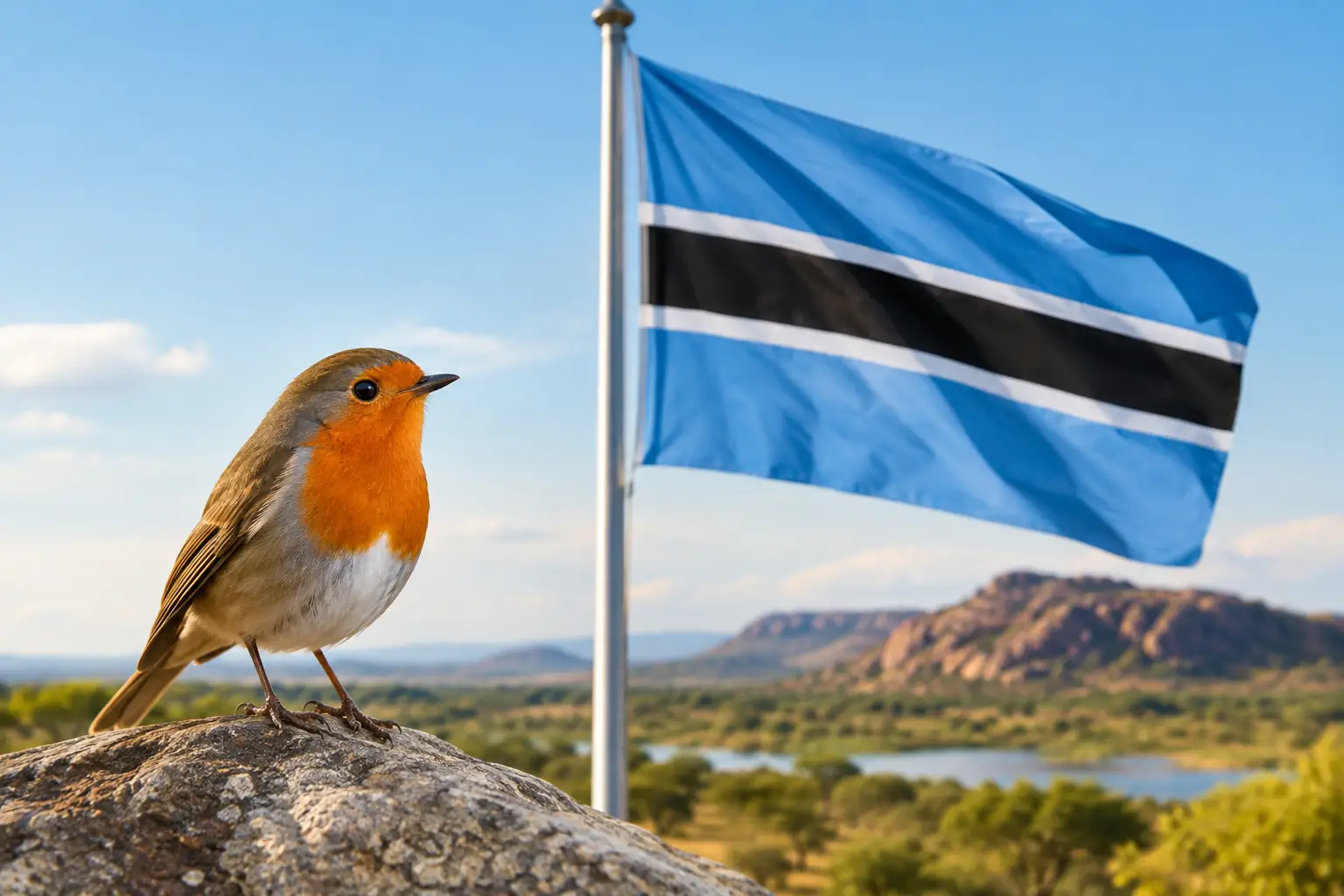
Independence Day celebrations naturally include national symbols: the blue, black, and white flag; patriotic songs; formal addresses; school performances; and cultural displays. Yet the holiday’s deeper significance lies in the contrast between Botswana’s starting point and its later development.
Soon after independence, major diamond deposits were discovered. Revenue from diamonds transformed public finances and helped fund roads, schools, clinics, water systems, and other national priorities. Botswana developed one of Africa’s best-known records for steady economic growth during the late 20th century, while also maintaining regular elections and a comparatively stable civil service.
That success story needs context, not slogans. Diamond wealth created opportunity, but it also made the economy heavily dependent on one industry. Botswana continues to face unemployment, income inequality, water pressures, and the challenge of creating enough private-sector jobs for a young population. Conservation-driven tourism is another major source of income, but it can be vulnerable to global travel conditions, climate disruption, and debates over land use.
This is why Boipuso is not simply an occasion to celebrate past progress. It is a moment to consider what national independence requires over time: accountable institutions, economic choices, cultural confidence, and practical investment in the next generation.
A celebration of unity in a diverse country
Botswana’s population includes the Tswana majority alongside a range of other communities, languages, and cultural traditions. Setswana and English are official languages, but they do not represent every language spoken in the country. Independence Day can highlight a shared national identity while making room for regional customs, traditional dance, food, dress, and local performance.
Public events often blend official protocol with community celebration. In Gaborone, government ceremonies and major performances may attract national attention. In towns and villages, schools, civic groups, churches, families, and cultural organizations can shape observances in more local ways. The exact program changes from year to year, so travelers and news readers should treat old schedules as background rather than a guarantee of what will happen next September 30.
What Happens on Botswana Independence Day
The national holiday is marked throughout Botswana, with the largest official focus generally centered on Gaborone. Government leaders may deliver speeches reflecting on the country’s history, current priorities, and international role. National flags are displayed widely, and broadcasts often feature commemorative programming, interviews, music, and coverage of public gatherings.
Schools play an important role before and around the holiday. Students may prepare poems, songs, traditional dances, debates, or presentations about independence and civic responsibility. These events give the day an intergenerational character: older citizens remember the early decades of nationhood, while younger participants encounter the history as a living part of their education.
Cultural programming can include dikgafela and other dance traditions, choral music, fashion, food vendors, and performances that showcase local identity. The experience differs by location. A visitor hoping for a single festival format may be disappointed; Botswana Independence Day is a nationwide observance, not one uniform event with the same schedule in every community.
The public holiday also affects everyday logistics. Government offices, banks, and some businesses may close or operate on reduced hours. Transport can be busier around popular events, while accommodation may be in higher demand in places hosting large celebrations or attracting holiday travelers. Restaurants, hotels, lodges, and tourism operators may remain open, but their schedules can vary.
Planning Around the September 30 Holiday
For visitors, Independence Day can be an excellent time to see Botswana’s civic and cultural life beyond safari itineraries. It also requires a little planning. Confirm local event details close to the date, reserve accommodation early if traveling to Gaborone or another event hub, and allow extra time for transportation. Respectful participation matters: ask before photographing individuals, especially at smaller community or school events, and follow directions from organizers or security personnel.
Late September is also part of Botswana’s dry season. Wildlife viewing can be strong in many areas because animals gather near water sources, but daytime heat can be intense and evenings may be cool. A trip that combines the holiday with the Okavango Delta, Chobe National Park, or the Kalahari can be rewarding, though it involves very different travel conditions than a city celebration.
For news followers, the holiday is a useful annual checkpoint for coverage of Botswana’s economy, regional diplomacy, conservation policies, mining sector, and public health priorities. Official speeches can signal areas of policy emphasis, while local reporting often captures public concerns that do not fit neatly into international headlines. Watching both perspectives produces a fuller view.
Independence, Democracy, and Botswana’s Regional Role
Botswana’s independence is frequently discussed alongside its reputation for multiparty elections and rule-based government. The country has held regular elections since 1965, before formal independence, and has avoided the military coups and prolonged one-party rule seen in parts of the region. That record has supported its standing in southern Africa and in international forums.
Still, democracy is not a finished achievement. Botswana has active debates over political competition, media freedom, minority rights, land, employment, and the management of natural resources. The country’s reputation for stability should not erase those debates. Instead, they show why independence remains an ongoing civic project rather than a historical milestone completed in 1966.
Botswana also holds an important position in regional discussions through the Southern African Development Community. Its choices on trade, migration, wildlife conservation, and neighboring conflicts can carry influence beyond its borders. During Independence Day observances, national pride often sits alongside a broader message of African cooperation and peaceful regional development.
A Date Worth Watching Each Year
September 30 offers a clear window into Botswana’s past and present: a country that began independence with limited resources, built durable public institutions, and continues to confront difficult questions about prosperity and inclusion. The flag ceremonies and performances matter because they connect those questions to a shared national memory.
Whether you are following international news, researching southern Africa, or planning a future visit, watch for Botswana Independence Day coverage that includes both the official celebrations and the voices from communities celebrating Boipuso in their own way. That is where the holiday becomes more than a ceremony and becomes a useful lens on the country itself.