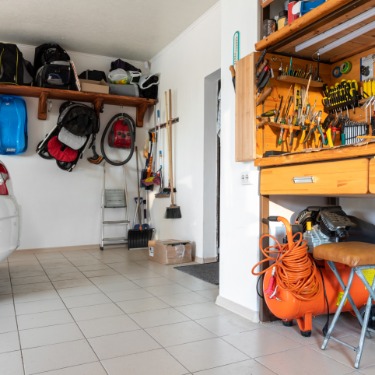
A garage can easily become one of the most underused spaces in a home. While its primary purpose may be to shelter vehicles, the available square footage can support far more than parking. With thoughtful planning, homeowners can create room for storage, hobbies, household projects, exercise, maintenance tasks, and other activities without sacrificing the garage's basic functionality.
The challenge is finding a balance. Filling every available corner with cabinets, equipment, boxes, and tools can quickly make the garage difficult to navigate. On the other hand, leaving the space completely dedicated to vehicles may mean missing opportunities to make the home more functional. creating a garage that works for more than just parking starts with deciding how the space should support everyday routines and then organizing it around those priorities.
Start With How You Actually Use the Garage
Before purchasing storage products or rearranging equipment, consider what regularly happens in the garage. Some households primarily need storage for lawn equipment and seasonal decorations. Others use the garage for woodworking, automotive maintenance, gardening, exercise, or recreational equipment.
These activities should influence the layout. A household that frequently works on bicycles, for example, may benefit from an accessible repair area. Someone who enjoys gardening might want a small workstation near the garage door where soil, tools, pots, and supplies can be handled without carrying them through the house.
Planning around real habits helps prevent wasted space. Instead of trying to create a garage that accommodates every imaginable activity, concentrate on the functions that will actually be useful.
Divide the Garage Into Functional Zones
Creating zones can make a multipurpose garage easier to manage. Rather than allowing unrelated items to accumulate wherever there is room, assign portions of the garage to particular activities or categories.
One area might contain automotive supplies, while another holds lawn and garden equipment. Sports gear can occupy its own section, and frequently used household tools can remain close to a workbench. Seasonal items that are only needed a few times each year can be placed farther from the primary traffic areas.
Zones also make it easier for everyone in the household to return items to the correct location. When belongings have obvious destinations, maintaining organization requires less effort.
Make Better Use of the Walls
Floor space is usually the most valuable real estate in a garage. Vehicles, lawn equipment, workbenches, rolling toolboxes, and other large objects already compete for it. Moving smaller items onto walls can free up substantial room without requiring a larger garage.
Shelving, hooks, cabinets, pegboards, and wall-mounted storage systems can hold everything from hand tools to bicycles. Homeowners considering adjustable wall storage can also look at the role of slatwall panels in garage organization when deciding how to use vertical surfaces more effectively.
The best wall-storage approach depends on what needs to be stored. Frequently used items should generally remain visible and easy to reach, while less frequently used belongings can occupy higher or less convenient areas.
Keep the Center of the Garage Flexible
It can be tempting to fill open garage space simply because it is available. However, maintaining some flexibility makes the room far more useful.
Open floor space can temporarily accommodate projects, vehicle maintenance, exercise equipment, furniture repairs, or household tasks that require extra room. When the project is finished, portable equipment can be returned to its designated storage area.
Mobile workbenches, rolling cabinets, folding tables, and other movable furnishings can support this approach. Instead of permanently committing valuable square footage to a single purpose, these items allow the garage to change according to the task at hand.
Create a Practical Work Area
Even homeowners who do not consider themselves serious DIY enthusiasts can benefit from having a dedicated work surface. Small repairs, painting projects, furniture assembly, equipment maintenance, and craft projects are often easier to handle in a garage than inside the home.
A basic work area does not need to dominate the room. A sturdy bench against a wall may provide enough space for most household projects. Keeping frequently used tools nearby reduces the amount of time spent searching for supplies.
Lighting deserves attention as well. A dim garage may be adequate for parking but frustrating for detailed tasks. Improving overhead lighting or adding task lighting above a workbench can make the area safer and more comfortable to use.
Think Beyond Traditional Storage
Garages tend to become holding areas for belongings that do not have obvious places elsewhere. Over time, this can result in stacks of boxes that consume valuable space without providing much practical value.
Instead of simply finding ways to store more, consider whether everything needs to remain in the garage. Items that are broken, outdated, duplicated, or no longer used may be better donated, recycled, sold, or discarded.
Reducing unnecessary belongings makes organization significantly easier. It also leaves more room for activities that add genuine functionality to the space. Storage should support how the garage is used rather than becoming the garage's primary purpose.
Use Organization to Make the Space Easier to Maintain
A functional garage should not require constant effort to keep it organized. Storage decisions are more effective when they account for how often belongings are used, where they naturally enter and leave the space, and how easily household members can put them away. Establishing clear categories for tools, sports equipment, cleaning supplies, and seasonal belongings can prevent unrelated items from gradually collecting together.
Homeowners who struggle with accumulated belongings may also benefit from considering practical approaches to garage organization when deciding how to sort, group, and arrange everything. Once unnecessary items have been removed and the remaining belongings have logical locations, maintaining the garage becomes much simpler.
Plan Around Frequently Used Equipment
Accessibility matters just as much as storage capacity. A garage may look organized while still being inconvenient if everyday items are buried behind seasonal belongings.
Consider how often each category of equipment is used. Lawn tools may need to remain close to the garage door during warmer months, while snow-removal equipment may deserve that position during winter. Sports equipment used several times each week should generally be easier to reach than holiday decorations.
Storage arrangements can change throughout the year. Rotating seasonal items between prime and secondary storage areas prevents the garage from being permanently organized around equipment that is only occasionally needed.
Get More Value From the Space You Already Have
Adding usable space to a home does not always require building an addition or converting an entire room. Sometimes the opportunity already exists in a garage that is being used primarily as a parking area or oversized storage closet.
The goal is not to fit as many functions as possible into a single room. It is to make the available square footage serve the household more effectively. By prioritizing accessibility, flexibility, and realistic daily needs, designing a garage that serves purposes beyond simply parking vehicles can turn an overlooked area into one of the most practical spaces in the home.
Bio: Casey is a passionate copyeditor highly motivated to provide compelling SEO content. Her expertise spans technical, consumer, and lifestyle industries with an emphasis on readability and detail.