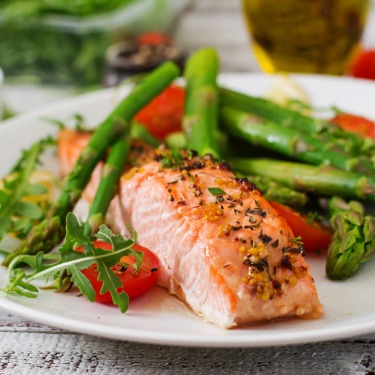
After a packed day, dinner can feel like one more responsibility competing for whatever energy remains. You want something nourishing, but you may also want a meal that feels more exciting than grilled chicken staring sadly at steamed broccoli. Healthy eating becomes much easier to sustain when dinner delivers genuine satisfaction instead of feeling like culinary punishment. A few thoughtful upgrades can make weeknight meals taste indulgent while still supporting a balanced lifestyle.
For busy women balancing work, family, workouts, errands, and approximately 400 tiny decisions, simplicity matters. You don’t need restaurant-level technique or Sunday afternoons devoted entirely to food containers. Instead, build dinners around flavorful proteins, produce you actually enjoy, practical carbohydrates, and satisfying fats. When food tastes good and fits real life, healthy habits become much easier to repeat. Consider these healthy dinner upgrades that still feel indulgent and don’t require an abundance of time.
Give Seafood the Main-Character Treatment
Seafood can instantly make an ordinary dinner feel more special without requiring a complicated recipe. Salmon often gets all the attention, but rotating different fish keeps dinner interesting and introduces new textures and flavors. Sablefish, also called black cod, offers an especially luxurious option because its naturally high oil content creates soft, velvety flesh. NOAA also identifies sablefish as a source of protein and long-chain omega-3 fatty acids, including EPA and DHA.
This combination explains the rich and buttery mouthfeel of sablefish without requiring a heavy cream sauce to manufacture richness. Try pairing it with roasted vegetables, brown rice, farro, or a bright cabbage slaw to create contrast. An acidic component, such as lemon, vinegar, or a citrus-based sauce, can balance the fish’s natural richness beautifully. Suddenly Tuesday dinner feels considerably more expensive than Tuesday dinner actually was.
Upgrade the Sides, Not Just the Entrée
Healthy dinners sometimes fail because people concentrate entirely on the protein and treat everything beside it as an obligation. Vegetables deserve better than becoming the joyless supporting cast. Roasting can deepen their flavor, while herbs, citrus, toasted seeds, yogurt-based sauces, or modest amounts of flavorful cheese can add interest. Those small additions can transform a plate without turning dinner preparation into an elaborate project.
You can use the same approach with grains and starches. Instead of plain rice every night, add herbs, scallions, toasted nuts, or roasted vegetables. Dress a baked sweet potato with Greek yogurt and seasonings, or turn quinoa into a warm salad rather than leaving it tragically beige. The goal isn’t to make every ingredient “perfect,” but to create a meal you genuinely want to eat.
Build Around Foods That Keep You Satisfied
A dinner that leaves you rummaging through the pantry an hour later probably needs adjustment. Including protein, fiber-rich plant foods, and enough overall food to satisfy your appetite can make dinner feel more complete. Your needs may change depending on your activity level, schedule, health goals, and individual nutritional requirements. Instead of following rigid social-media formulas, pay attention to what keeps you energized and comfortably satisfied.
This mindset also creates room for pleasure. A flavorful dressing or piece of crusty bread doesn’t somehow erase the vegetables beside it. Healthy eating works better as a consistent pattern than as an evening performance of dietary perfection. Dinner should support your life, not become another test you can somehow fail.
Fix Meal Prep Before Abandoning It
Meal prep sounds wonderfully organized until Sunday disappears beneath a mountain of containers. Many reasons you’re failing at meal prep have much less to do with discipline and more to do with choosing a system that demands too much time. Preparing seven complete meals in advance may work beautifully for one household and feel intolerably repetitive for another. Busy schedules often respond better to flexible preparation.
Try prepping components rather than identical finished dinners. Cook one grain, wash or chop produce, prepare a versatile protein, and make one sauce that can work across several meals. Then turn those ingredients into different combinations during the week. You gain convenience without feeling sentenced to Thursday’s third consecutive encounter with the exact same chicken bowl.
Keep a Few Shortcut Ingredients Ready
Convenience foods can absolutely belong in a health-conscious kitchen. Frozen vegetables, canned beans, microwavable whole grains, bagged salad, and precut produce can dramatically reduce the effort required to put dinner together. Their greatest advantage may simply be making the nourishing choice easier on evenings when motivation disappears. There is no medal for chopping every carrot yourself.
A useful weeknight kitchen might include:
- Frozen vegetables that roast or sauté quickly
- Canned beans for bowls, soups, and salads
- Precooked grains for fast side dishes
- Flavorful sauces or dressings you genuinely enjoy
- Easy proteins that require minimal preparation
Keep your personal staples practical rather than aspirational. Buying ingredients for the imaginary version of yourself who happily cooks for 90 minutes every Wednesday usually creates expensive compost. Stock food that matches the evenings you actually experience. Convenience can support consistency rather than undermine it.
Make Restaurant Techniques Work at Home
Restaurant food often tastes memorable because cooks pay attention to contrast. They combine richness with acidity, soft textures with crisp elements, or savory ingredients with a hint of sweetness. You can borrow that principle without pouring butter over everything within reach. A squeeze of lemon, crunchy toasted seeds, fresh herbs, or tangy yogurt sauce can change the entire personality of a simple dinner.
Presentation also helps, especially when you have eaten approximately half your meals standing beside a kitchen counter. Use an actual plate, add something colorful, and sit down when your schedule allows it. Those choices will not alter a meal’s nutritional composition, but they can make dinner feel more intentional. Enjoyment matters when you want a habit to survive longer than one enthusiastic week.
Let Healthy Eating Fit Your Actual Life
Healthy dinner upgrades will not help much if it requires time and energy you rarely have. Start with things that solve your real obstacles, whether that means buying frozen vegetables, exploring richer seafood, or preparing ingredients ahead. Leave enough flexibility for family schedules, restaurant nights, celebrations, and evenings when a sandwich absolutely counts as dinner. Balance becomes much more achievable when you stop demanding flawless execution.
Indulgent and nourishing don’t need to sit on opposite sides of the table. Flavorful ingredients, smart shortcuts, and satisfying combinations can make weeknight food something you anticipate rather than tolerate. Build meals around what supports your health while keeping pleasure firmly on the menu. Your dinner routine should make a busy life easier—and ideally taste excellent while doing it.
Looking for more fitness & wellness related content? See more articles on The Blog.
Bio: Casey is a passionate copyeditor highly motivated to provide compelling SEO content. Her expertise spans technical, consumer, and lifestyle industries with an emphasis on readability and detail.