The 2026 rugby league world cup is more than a major international tournament. It is a test of where the sport is headed: toward bigger Pacific influence, wider women’s and wheelchair competition, and a more focused format designed to make every fixture matter. With Australia and Papua New Guinea set to share hosting duties, the event places rugby league’s established power base alongside one of its most passionate national audiences.
For viewers, the appeal is immediate. International rugby league produces matchups that domestic competitions rarely can, from historic Australia-England pressure games to the energy and flair brought by Samoa, Tonga, Fiji, Papua New Guinea, and New Zealand. For the sport’s organizers, though, the 2026 tournament also carries a larger responsibility: turn that excitement into a global event that is easy to follow across live television, highlights, news coverage, and social video.
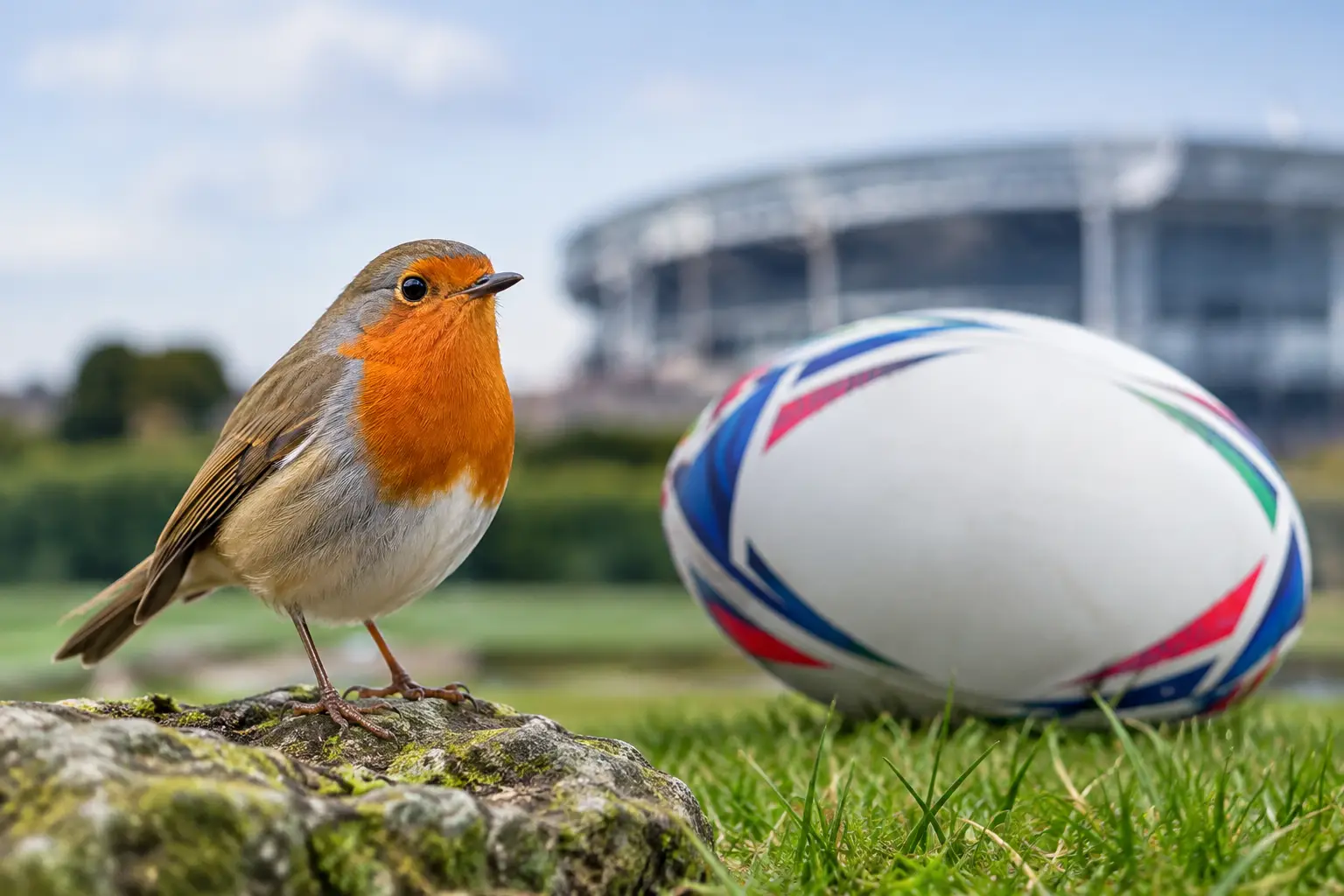
Why the 2026 Rugby League World Cup matters
The tournament arrives after a period of change for international rugby league. The previous World Cup in England showed the appetite for a multi-competition event, with men’s, women’s, and wheelchair tournaments staged in the same window. It also demonstrated that international fixtures can command attention well beyond traditional club rivalries when the calendar, venues, and broadcast coverage are coordinated properly.
The 2026 edition is expected to continue that broader approach while using a leaner men’s field than the 16-team format seen in 2022. A smaller competition can be a trade-off. It may reduce opportunities for emerging nations to appear on the sport’s biggest stage, but it can also limit one-sided results and create a shorter, more intense schedule for casual fans to follow.
That balance will be closely watched. Rugby league needs meaningful pathways for developing teams, yet a World Cup also needs high-stakes games that pull in viewers who do not follow every international qualifying campaign. The quality of the draw, the clarity of the format, and the visibility of matches outside Australia will all shape the public response.
Australia and Papua New Guinea share the spotlight
Australia remains the sport’s commercial and competitive center, with large stadiums, established broadcasters, and a deep pool of elite players. Papua New Guinea brings something equally valuable: rugby league is embedded in its national identity in a way few sports can match anywhere in the world.
That makes the co-hosting arrangement significant rather than symbolic. Matches in Papua New Guinea can give the tournament a distinct atmosphere and introduce global audiences to supporters for whom a World Cup fixture is a national occasion. At the same time, hosting across two countries brings practical questions around travel, venue readiness, team logistics, ticket access, and broadcast infrastructure.
The final venue plan and fixture list should be treated as the official reference point when released or updated by tournament organizers. Fans planning a trip should avoid booking around early rumors, particularly for games involving high-demand teams. International tournaments can move kickoff times or venues for operational and broadcast reasons.
The value of a Pacific-centered World Cup
The Pacific nations are no longer simply difficult opponents on the edge of the competition. They are central to the sport’s modern identity. Samoa’s run to the 2022 men’s final was a defining moment, while Tonga’s rise over the past decade changed expectations about who can challenge the traditional powers.
Many players representing Pacific nations are already stars in Australia’s National Rugby League or England’s Super League. What changes in World Cup competition is the emotional context. Heritage, family ties, national representation, and the chance to reshape the sport’s hierarchy can produce a level of intensity that regular-season club games cannot replicate.
Papua New Guinea’s role as co-host adds another layer. A strong home performance would be one of the tournament’s biggest stories, but the country’s importance is not limited to results. Its inclusion recognizes the depth of its rugby league culture and gives the event a more representative regional identity.
The competitions beyond the men’s tournament
A modern Rugby League World Cup should not be covered as a men-only event with side tournaments attached. The women’s and wheelchair competitions are major parts of the schedule, each with their own elite players, rivalries, and competitive questions.
Women’s rugby league has expanded rapidly through investment in professional and semi-professional pathways, especially in Australia and England. The World Cup provides the clearest international measure of that progress. Australia and New Zealand have set a high standard, but other nations have been building depth, and a tightly planned tournament can help new audiences identify the players and teams driving the game forward.
Wheelchair rugby league is one of the sport’s most accessible and compelling formats to watch. It is fast, physical, tactically demanding, and played in mixed-gender teams. Its growing audience is not based on novelty. Fans return because the competition is highly skilled and because close games can turn quickly on pressure kicking, possession, and defensive organization.
Coverage matters here. Broadcasters and news platforms that give these tournaments dedicated match reports, clips, fixtures, and player features will make it far easier for new fans to follow the full World Cup rather than only its headline games.
Teams and storylines to follow
Australia will enter any World Cup conversation as a benchmark. Its depth means that selection debates can be as compelling as some tournament matches, particularly in the spine positions and across the outside backs. The challenge for the Kangaroos is expectation: anything short of a deep run is viewed as a major surprise.
England will carry the hopes of many Northern Hemisphere fans and will be judged on whether it can translate strong club talent into sustained success against the southern powers. A World Cup hosted in the Pacific region creates a demanding travel and climate adjustment, but it also gives England a clear chance to prove it can win under unfamiliar conditions.
New Zealand, Samoa, Tonga, Fiji, and Papua New Guinea each have the personnel or home-region momentum to influence the tournament. France and other qualifying nations will be important to the event’s competitive depth, too. Final team lists, eligibility decisions, injuries, and club release arrangements can change the picture quickly, so preseason predictions should be held lightly.
The most compelling storyline may be whether the gap at the top continues to close. One upset can alter a group, a knockout bracket, and the tone of an entire World Cup. Recent international results have made that possibility feel more realistic than it did a generation ago.
How to follow the tournament without missing the important moments
A tournament with multiple competitions and host locations can become confusing if fans rely on scattered posts and incomplete schedules. The simplest approach is to track the official fixtures, then use a reliable news hub for match reports, lineup updates, injury news, postgame reaction, and video highlights.
Time zones will matter for U.S. viewers. Games played in Australia and Papua New Guinea may fall overnight or early in the morning, depending on the venue and network schedule. Checking replay availability before match day is useful, especially for fans hoping to follow several teams rather than only the final rounds.
For readers using a broad news destination such as RobinsPost, creating a regular check-in around team names, tournament updates, and video coverage can help separate confirmed reporting from speculation. This is particularly useful near squad announcements, ticket releases, venue changes, and knockout-stage scheduling.
What will define success in 2026?
Winning the trophy will define the champions, but the tournament’s broader success will be measured differently. Strong crowds in both host nations, competitive games, visible women’s and wheelchair coverage, reliable broadcasts, and clear access to highlights would all strengthen the sport’s international calendar.
There is also a longer-term question. Will the event leave more young players, local supporters, sponsors, and broadcasters invested in international rugby league once the final whistle has blown? A World Cup creates attention for a few weeks. The real opportunity is giving that attention somewhere to go afterward.
As fixtures, squads, and viewing details become clearer, follow the confirmed information closely and leave room for surprises. Rugby league World Cups are at their best when the expected giants arrive, but the tournament belongs to the team that gives supporters a new reason to believe.