The question around Lilo & Stitch 2 Filming In Hawaii carries more weight than a typical movie-location update. Hawaii is not just a recognizable backdrop for this story. Oahu's neighborhoods, beaches, family life, music, and local sense of place are central to why Lilo & Stitch has endured for more than two decades. If Disney moves forward with another live-action chapter, where cameras roll will shape how audiences and Hawaii residents judge the project.
Disney confirmed that a live-action Lilo & Stitch sequel was in development after the first film's major audience response. But development news is not the same as a locked production schedule. A sequel announcement does not automatically confirm shooting dates, a full cast return, a director, or a Hawaii filming permit. For readers tracking entertainment updates, that distinction is the key one.
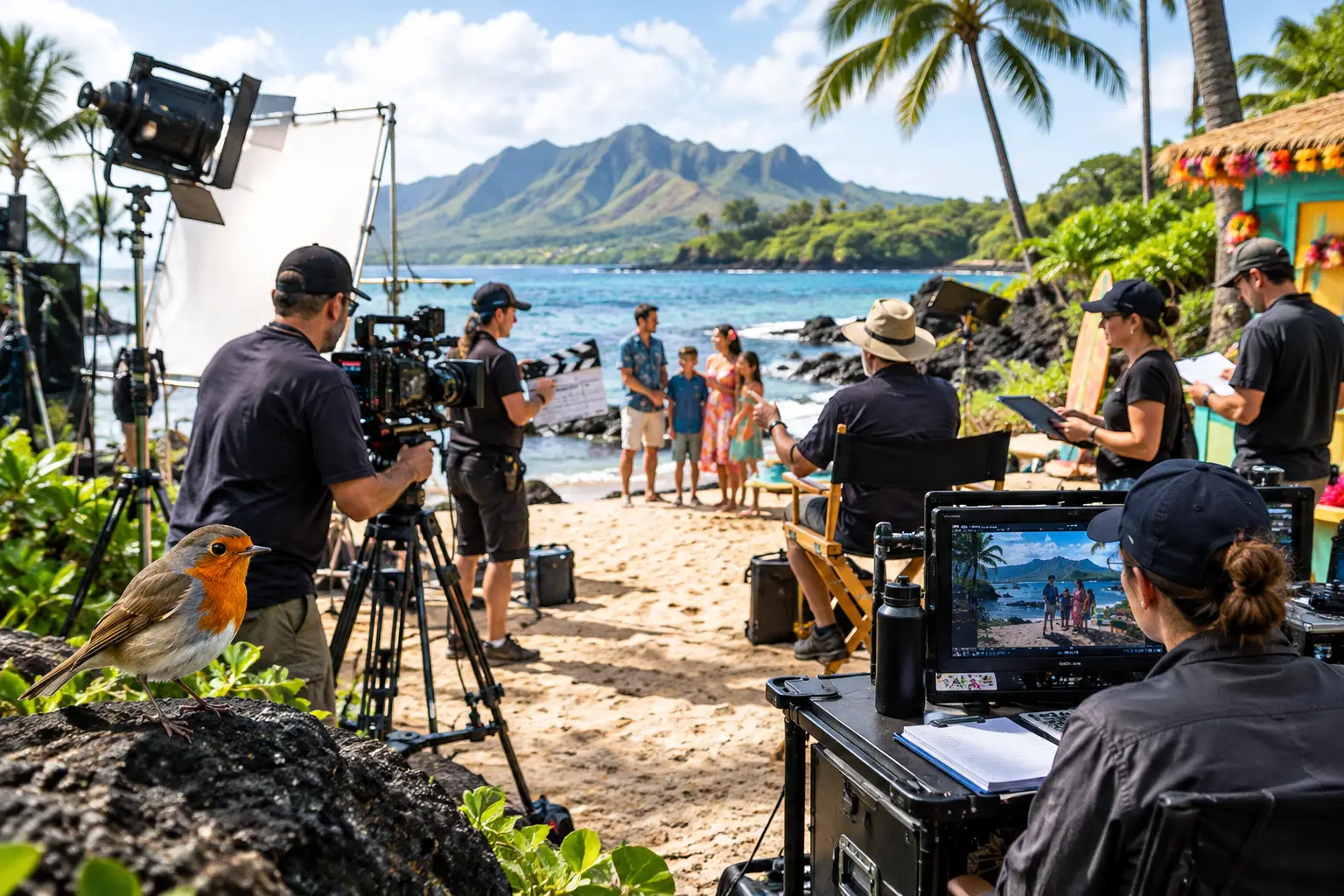
Lilo & Stitch 2 Filming In Hawaii: The Current Status
Publicly, the clearest confirmed development is that Disney intends to continue the live-action franchise. Detailed production information can arrive in stages: first a creative team, then casting notices, then location work, and finally a formal start-of-production announcement. Until a studio, production office, or recognized local film authority confirms dates and locations, reports of a Hawaii shoot should be treated as possibility rather than fact.
There is also a naming issue that can create confusion. The 2005 animated release Lilo & Stitch 2: Stitch Has a Glitch already exists, and it was an animated continuation, not a film production shot in Hawaii. Current discussion about a new "Lilo & Stitch 2" generally refers to a potential sequel to Disney's live-action version.
That matters when scanning headlines and social posts. A fan-made poster, a recycled cast photo, or a report about the earlier animated sequel can quickly look like fresh production news. The strongest indicators are a Disney announcement, a verified cast or filmmaker statement, a formal production listing, or location notices from reliable Hawaii film-industry channels.
Why Hawaii Remains the Logical Choice
The first live-action film used Hawaii in a meaningful way, bringing production activity to Oahu and placing local landscapes at the center of a global Disney release. Returning would offer continuity that cannot be fully recreated on a mainland soundstage. The visual elements are obvious - coastal roads, lush mountain views, rain, surf, and densely connected communities - but the bigger advantage is emotional credibility.
Lilo's story is rooted in the idea of ohana, or family, and in the everyday pressures facing a small household. The setting helps make the fantasy believable. Stitch may arrive from outer space, but the film works because the family and community around him feel lived in. A sequel that shifts too far from Hawaii could still be entertaining, but it would face a tougher task in preserving that identity.
Production in Hawaii can also create local economic activity. Large shoots may hire area crew members, rent equipment, book lodging, use transportation services, and employ local performers. Those benefits are real, although they should not be overstated. Film work is often temporary, and a high-profile production can create traffic, access restrictions, and pressure on locations already popular with visitors.
For a franchise with a strong connection to the islands, the practical question is not simply whether Hawaii looks right on screen. It is whether the production can work respectfully with residents, businesses, cultural advisers, and public agencies while limiting disruption.
What a Hawaii Production Would Need to Get Right
A return to Hawaii would bring high expectations. The first live-action adaptation prompted wide discussion about representation, casting, visual choices, and how a major studio should adapt material that draws so heavily from Hawaiian culture. A sequel would be watched even more closely because it would no longer have the benefit of being a first attempt.
Cultural consultation should be part of the work from the earliest stages, not a final review after major creative decisions are set. That includes dialogue, music, costume choices, family dynamics, place names, and the way the islands are presented to worldwide viewers. Hawaii should not be reduced to scenery between action scenes.
The production would also need to balance recognizable locations with community access. Filmmakers often need beach, road, and neighborhood permits, but residents need clear notice and realistic plans for parking, noise, public safety, and business operations. When productions communicate early and directly, they are more likely to earn cooperation rather than frustration.
There is a financial trade-off as well. Hawaii filming can be more expensive than building similar-looking environments elsewhere, especially when travel, shipping, weather delays, and limited availability are factored in. Studio executives may choose a mixed approach: exterior work in Hawaii paired with controlled interior shooting on stages. That would not necessarily mean the sequel has abandoned its Hawaiian roots. It may simply reflect how big productions manage cost and scheduling.
Cast and Story Questions Are Still Open
Where a sequel films depends partly on what story Disney chooses to tell. If the plot remains centered on Lilo, Nani, Stitch, and their island community, Hawaii would make the most narrative sense. If the story expands into a broader science-fiction adventure, production could spread across multiple locations and stages.
Fans will also be looking for continuity in the characters who made the first live-action film work. Returning performers can help a sequel feel connected, but contracts, scheduling, age changes for younger actors, and creative direction all affect final casting. Disney may also introduce new characters, particularly if it draws from the larger animated franchise, which has several alien experiments and recurring figures beyond Stitch.
This is why location news often arrives later than fans expect. Producers need a workable script, budget, availability plan, and creative strategy before they can commit to a public filming schedule. Even then, dates can move because of weather, labor needs, or production changes.
How to Follow the News Without Chasing Rumors
For movie fans, the wait for concrete details can invite speculation. The most useful approach is to watch for official updates and treat unverified claims carefully. Entertainment reporting often begins with small clues, but clues are not confirmation.
Pay particular attention to announcements that identify a director, producers, returning cast members, a production start window, or a specific Hawaii location. Those details are harder to invent and easier to check against later developments. Broad claims such as "filming starts soon" deserve more caution when they do not name a source or date.
It is also worth remembering that a title can change before cameras roll. Disney may call the project a sequel internally, use a subtitle, or choose another franchise label for marketing. Search interest around Lilo & Stitch 2 is useful, but it should not be mistaken for an official title confirmation.
For Hawaii residents and travelers, a confirmed production may bring practical updates about street closures, beach access, public notices, and casting opportunities. Until those notices appear through legitimate channels, avoid making travel or business decisions based on social-media claims.
The best sign of progress will be specific, verifiable information rather than louder rumors. If Disney confirms a Hawaii shoot, the story will be bigger than a familiar location returning to a movie screen. It will be a test of whether a global franchise can come back to the place that gave it its heart and work there with care.