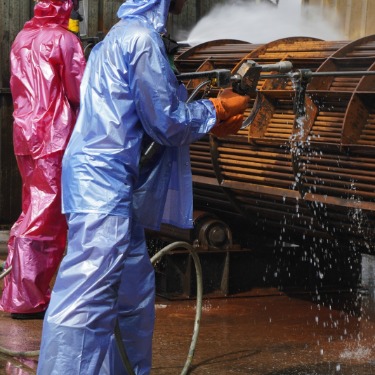
Industrial cleaning keeps production moving, but it can also create a steady stream of expenses. Fresh solvent arrives, and used liquid eventually leaves as waste. Replacement chemicals and disposal can quietly drain your budget.
The good news is that greener cleaning doesn’t always require an expensive overhaul. Small changes to when you clean and how you handle materials can reduce waste while maintaining the standards your products demand. The smartest improvements start with a close look at your current process. Keep reading to explore how to make industrial cleaning greener and cheaper.
See Where Money Goes
Start by tracking how much cleaning solution your facility purchases and how quickly employees use it. Compare those figures with the volume of waste your operation sends out. Identify the jobs that consume the most solvent rather than assuming every department has the same needs.
Include disposal charges and labor when you review the expense. A cleaning process might use inexpensive chemicals but demand frequent drum changes or lengthy equipment downtime. Once you understand the full cost, you can identify improvements that offer more than a lower purchase price.
Rethink Cleaning Frequency
Not every piece of equipment needs the same cleaning schedule. Some operations require frequent cleaning to meet quality requirements, while others follow a routine that no longer matches the work. Review each process with your production and quality teams before making changes.
Consider whether scheduling similar jobs together could reduce changeovers and unnecessary washing. That adjustment may save solvent without altering the cleaning method itself. Keep cleanliness specifications at the center of the decision, so fewer wash cycles never come at the expense of product quality.
Remove Residue First
The less residue a solvent must dissolve, the longer a cleaning bath may remain useful. Depending on the part and contamination, workers might remove loose debris with a suitable scraper or use a compatible dry-wiping method before washing.
Choose methods that won’t scratch critical surfaces or spread hazardous dust. Ask your team which deposits make cleaning difficult, then match pretreatment to those conditions. A few thoughtful steps before the wash can help you use less chemical during the more expensive part of the process.
Control Every Wash
Using more cleaning solution doesn’t automatically produce a cleaner part. Excessive spraying can increase waste, especially when liquid runs off the workpiece without doing useful work. Review nozzle settings and how operators position parts during cleaning.
A properly matched parts washer may circulate solution through the cleaning area instead of relying on repeated fresh applications. Set operating procedures around the equipment manufacturer’s guidance and your quality requirements. Consistent settings help reduce unnecessary consumption while giving the team a repeatable process to follow.
Try Better Alternatives
Some jobs can use water-based cleaners or a less hazardous product instead of a traditional solvent. Others need specific chemical properties to remove oils or prepare a surface for finishing. The right choice depends on the soil and the material underneath it.
Test alternatives on representative parts before switching across the facility. Check whether the alternative cleans well without slowing drying. Confirm compatibility with downstream processes. A product with a greener label won’t help your budget if it requires repeated washes or causes rejected parts. Look at the entire cleaning cycle before choosing.
Stop Evaporation Losses
Open containers allow volatile solvents to escape even when no one is cleaning. Poor transfer practices can also waste chemicals through drips or splashes. Ask employees to close approved containers promptly and follow safe handling procedures during every transfer.
Pay special attention to ventilation and fire protection when your operation uses flammable liquids. Consult the applicable safety requirements and the supplier’s instructions before changing equipment or workflows. Preventing avoidable losses protects valuable solvent, but never sacrifice proper ventilation for lower consumption.
Recover Used Solvent
For facilities that generate a consistent stream of compatible spent solvent, recovery equipment may offer significant value. Distillation systems can separate recoverable liquid from certain contaminants, giving operators a chance to reuse solvent in suitable cleaning tasks.
That’s how solvent recovery systems reduce cleaning costs when the recovered material meets process requirements. Instead of purchasing a full replacement volume after every cleaning cycle, a facility may buy less fresh solvent. Recovery isn’t universal, though. Check solvent compatibility and the quality of the recovered liquid before making reuse part of your standard procedure.
Keep Recovery Practical
An on-site recycler adds responsibilities alongside potential savings. Your team needs suitable equipment and proper training. Operators also need a clear plan for managing concentrated residues. Energy use also belongs in the calculation.
When a facility avoids unnecessary replacement purchases and waste shipments, on-site solvent processing improves sustainability in ways managers can track. Compare those benefits with operating costs and applicable regulatory requirements. Choose equipment that matches your actual waste volume rather than buying excess capacity that will sit idle. A realistic fit supports better financial results over time.
Separate Waste Carefully
Mixing different spent solvents can complicate recovery and increase disposal costs. Give employees clear instructions about which materials belong in each approved container. Label the containers according to the waste’s characteristics and applicable rules.
Don’t combine substances simply because they came from nearby workstations. Incompatible chemicals can create dangerous reactions, and mixed waste may no longer suit your recycling process. Work with your environmental or safety lead to set collection procedures. Good separation habits make it easier to recover usable liquid and handle the remaining waste responsibly.
Maintain Your Equipment
A neglected washer can consume extra solution while delivering inconsistent cleaning. Check filters and seals according to the manufacturer’s maintenance schedule. Look for leaks or worn components before they turn into larger problems.
Give employees a simple way to report changes in cleaning performance. If a machine suddenly needs longer cycles, investigate the cause instead of increasing chemical use immediately. Routine maintenance helps your team protect equipment and avoid wasting materials while fixing preventable problems.
Bring Employees Along
The people who clean parts every day often notice waste that reports don’t reveal. Ask them where solvent spills occur or which procedures create unnecessary rework. Invite suggestions and test promising ideas within your safety and quality requirements.
Explain how new procedures help the business, using concrete examples of reduced chemical purchases or easier waste handling. Train everyone on the approved process and follow up when questions arise. A workable routine needs employee participation, not just a notice on a wall.
Measure the Full Return
Before celebrating lower solvent orders, check whether your facility has reduced total cleaning expenses. Compare chemical purchases and disposal invoices against the same production volume. Include energy costs and equipment upkeep if you’ve introduced recovery technology.
Track cleaning quality, too. Lower spending loses its appeal when rejected parts or repeated washes increase. Review results over several production cycles so a busy week doesn’t distort your conclusions. Clear numbers help you decide which improvements deserve a permanent place in the workflow.
Build a Cleaner Operation
Greener industrial cleaning starts with thoughtful choices, not a single miracle product. Limit cleaning to what production requires, and recover suitable materials when the numbers support it. These decisions can reduce environmental impact while protecting production quality.
You don’t need to change everything at once. Start with the area that wastes the most resources, measure the results, and build on what works. A more efficient cleaning process can become a reliable advantage for your facility and your budget.
Bio: Casey is a passionate copyeditor highly motivated to provide compelling SEO content. Her expertise spans technical, consumer, and lifestyle industries with an emphasis on readability and detail.