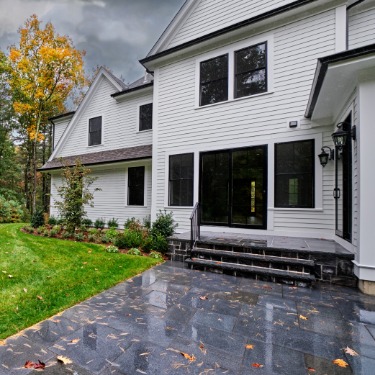
Rain can turn a beautiful home into a maintenance nightmare when homeowners overlook weather-resistant improvements. From leaking roofs to soggy backyards, excessive moisture creates challenges that go beyond the occasional puddle.
Fortunately, thoughtful renovations can protect your property while making everyday life more comfortable. The key is planning home improvements that work with rainy climates rather than fighting them.
Home improvement trends often highlight stunning outdoor spaces and modern architectural features. However, those picture-perfect renovations need practical solutions when rain dominates the forecast. A little planning today can prevent expensive surprises tomorrow.
Start With a Thorough Roof Inspection
Your roof serves as your home's first defense against persistent rainfall. Even minor roofing problems can let moisture into your attic and damage interior structures. Before investing in cosmetic upgrades, inspect your roof for missing shingles and deteriorating flashing. Addressing these concerns early helps prevent water damage from spreading throughout your property.
Consider roofing materials that perform well in consistently wet environments. Metal roofing offers excellent water resistance and can provide decades of reliable protection with proper installation. Asphalt shingles also perform well when homeowners choose products suited to their climate. Consult a roofing professional to choose materials that complement your home's structure and local weather conditions.
Improve Your Gutters and Drainage Systems
Gutters may not win any home design awards, but they play a major role in protecting your property. Heavy rainfall can overwhelm undersized gutters and send water cascading toward your foundation.
This overflow can damage landscaping and contribute to moisture problems in your basement. Upgrading your gutter system helps direct rainwater away from vulnerable areas.
Choose gutters that accommodate your region's typical rainfall intensity. Larger downspouts can improve water flow during powerful storms, while gutter guards may reduce debris accumulation. Regular cleaning also keeps your drainage system working properly year-round.
Protect Your Foundation From Excess Moisture
Water pooling around your foundation can create serious structural concerns over time. Persistent moisture can contribute to cracks and basement leaks, especially when poor drainage lets water accumulate. These warning signs often reveal drainage problems that deserve immediate attention.
Proper grading helps rainwater travel away from your house instead of toward it. In some situations, a drainage specialist may recommend French drains or additional waterproofing measures.
Homes with basements may also benefit from sump pumps that manage groundwater intrusion. Addressing foundation moisture early protects your investment and reduces the likelihood of costly repairs.
Choose Exterior Materials That Handle Wet Weather
Not every attractive exterior material performs equally well in rainy environments. Some surfaces absorb moisture more readily and require frequent maintenance to prevent deterioration.
When planning renovations, prioritize materials that resist water penetration while complementing your home's architectural style. Smart material choices can reduce long-term upkeep without sacrificing curb appeal.
Fiber cement siding offers a durable option for homeowners who want moisture resistance and attractive finishes. Vinyl siding also provides practical protection when contractors install it with appropriate flashing and drainage details. Wood siding can work in wet climates, but it generally demands more consistent maintenance. Whatever material you choose, proper installation remains essential for preventing trapped moisture.
Upgrade Windows and Doors for Better Weather Protection
Windows and exterior doors create potential entry points for rainwater, especially during wind-driven storms. Aging seals and deteriorating frames can let moisture into surrounding walls. Inspect these openings for water stains or drafts that suggest failing weather protection. Replacing problematic components can improve indoor comfort while reducing moisture-related damage.
Look for windows with reliable water-resistance ratings and installation systems that suit your climate. Proper flashing helps redirect rainwater away from vulnerable wall openings. Exterior doors should also feature effective weatherstripping and thresholds that limit water intrusion. These improvements can strengthen your home's protection without dramatically changing its appearance.
Design Outdoor Living Spaces Around Rainfall
Rainy weather shouldn't force homeowners to abandon their outdoor living dreams. A thoughtfully designed patio can provide a comfortable gathering space even when clouds dominate the sky.
Covered patios offer valuable shelter while creating opportunities for year-round outdoor enjoyment. However, the structure must direct rainwater away from seating areas and nearby walls.
Roof slope deserves special attention when planning patio improvements. Researching pitch settings for rain shed on patio covers can help homeowners recognize why different roofing materials require specific slopes. A qualified contractor can calculate an appropriate pitch based on manufacturer requirements and local building codes.
Create Landscaping That Manages Rain Naturally
Your landscaping can do more than improve your home's appearance. Thoughtful yard design can help manage stormwater and reduce runoff around vulnerable areas. Instead of letting rain collect in inconvenient spots, consider landscape features that encourage controlled drainage. These improvements can create a healthier outdoor environment while enhancing your property's visual appeal.
Rain gardens offer an attractive way to manage runoff from appropriate areas of your property. Native plants that tolerate wet conditions can also reduce maintenance demands during rainy seasons.
Permeable paving may help water soak into suitable ground surfaces instead of collecting on walkways. Always consider soil conditions and drainage patterns before introducing major landscape changes.
Build a Renovation Budget Around Weather Priorities
Rain-resistant renovations can be expensive, so financial planning is essential. Instead of tackling every improvement at once, prioritize projects that address existing water damage or immediate safety concerns.
A structured budget helps homeowners distinguish urgent repairs from upgrades that can wait. This approach also keeps decorative projects from using funds needed for critical maintenance.
Consider organizing your renovation priorities around the following concerns:
- Immediate repairs: Fix active roof leaks and drainage failures before they cause additional damage.
- Preventive improvements: Upgrade vulnerable exterior materials or aging weather seals before problems develop.
- Outdoor enhancements: Invest in covered patios or improved landscaping after addressing major moisture concerns.
- Emergency reserves: Set aside additional funds for unexpected repairs that contractors uncover during renovations.
Request detailed estimates from qualified contractors before committing to major improvements. Compare material warranties and maintenance requirements instead of focusing only on initial prices. Careful coordination can reduce construction delays and help protect exposed areas during renovations.
Plan for Long-Term Maintenance
Even the best weather-resistant improvements require occasional attention. Seasonal inspections help homeowners identify small concerns before persistent rainfall turns them into expensive repairs.
Create a maintenance schedule that covers roofing conditions and exterior drainage performance. Consistent upkeep can extend the lifespan of your improvements while preserving their effectiveness.
Watch how your property behaves during heavy storms. Water stains or recurring puddles can reveal problems that remain invisible during dry weather. Document these issues and consult professionals when conditions suggest underlying damage. Staying proactive makes future renovations easier to manage and helps maintain your home's overall condition.
Make Your Home Ready for Whatever the Forecast Brings
Planning home improvements for rainy climates requires more than choosing attractive finishes or following popular renovation trends. Successful projects address how moisture moves around your property and how building materials respond to repeated exposure.
The best renovations combine practical protection with thoughtful design. Whether you're upgrading your roof or transforming an outdoor patio, every improvement should contribute to long-term durability. With careful planning and regular maintenance, your home can handle rainy days without losing its charm.
Bio: Casey is a passionate copyeditor highly motivated to provide compelling SEO content. Her expertise spans technical, consumer, and lifestyle industries with an emphasis on readability and detail.