

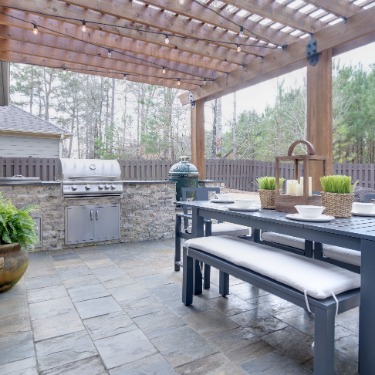
An outdoor kitchen can turn an ordinary backyard into a welcoming place for everyday meals and relaxed gatherings. However, installing a grill and countertop does not automatically create a space that feels convenient or inviting. Learning how to make the most out of your outdoor kitchen means considering how you cook, entertain, and spend time outside. Thoughtful improvements can help you use the space more often while reducing unnecessary work. Whether your kitchen is newly installed or several years old, practical adjustments can make outdoor cooking feel easier and more enjoyable throughout the seasons.
Arrange Your Kitchen Around Everyday Cooking
Start by observing how you move while preparing meals outside. Notice where you set ingredients, where you reach for utensils, and how often you return indoors. These small movements reveal whether your current setup supports your cooking habits or creates avoidable interruptions. Keep frequently used supplies near the equipment where you need them.
When you plan an outdoor kitchen layout, prioritize comfortable walking paths between cooking and preparation areas. Leave enough counter space beside the grill for trays and finished food. Position storage so opening a cabinet does not block someone passing behind you. If guests regularly gather nearby, create a natural boundary between the cooking zone and their seating area. This arrangement helps everyone enjoy the space without crowding the person preparing dinner.
Make Counter Space More Useful
Countertops serve as much more than places to set plates. They provide room to season ingredients, assemble dishes, and manage hot cookware safely. If your existing surfaces feel crowded, remove decorative items that interfere with meal preparation. Consider adding a compact preparation cart when permanent construction is not practical.
A sturdy cutting board can protect your work surface, while a heat-resistant resting area gives hot pans a safe destination. Keep one section clear for serving when friends visit. Wiping surfaces immediately after cooking also prevents grease from building up and makes the kitchen more welcoming the next time you use it.
Create Storage That Simplifies Cleanup
Constant trips between indoor cabinets and the backyard can make even a simple dinner feel demanding. Weather-resistant drawers and enclosed cabinets offer convenient places for outdoor cooking essentials. Store grilling tools close to the grill and place serving supplies where you normally arrange meals. Use containers that protect smaller items from moisture and insects.
Avoid filling every cabinet with supplies you rarely use. Instead, organize storage around the meals you prepare most often. Keep cleaning materials in a designated compartment away from food preparation surfaces. Bringing vulnerable items indoors during extended periods of bad weather can prevent unnecessary replacements.
Add Lighting for Evening Meals
Good lighting extends the hours when you can comfortably enjoy your outdoor kitchen. Bright task lighting above the grill helps you see food clearly while cooking after sunset. Softer illumination near the dining area creates a relaxed atmosphere without shining directly into guests' eyes. Place lights where they illuminate walking paths and changes in elevation.
Select fixtures intended for outdoor conditions and position electrical connections appropriately. If your kitchen already has overhead structures, consider lighting underneath them to reduce shadows across the countertop. A balanced setup makes evening cooking more comfortable without overwhelming the backyard.
Protect the Space From Changing Weather
Sun exposure can make outdoor cooking uncomfortable during hot afternoons. A pergola or suitable shade structure can improve comfort, provided it maintains safe clearances around cooking equipment. Position seating where guests can avoid direct sunlight without moving into the cook's workspace. For rainy conditions, consider weather protection that does not trap smoke or interfere with ventilation.
Pay attention to seasonal changes in your climate. Protective covers help shield compatible appliances when they are not in use, but follow manufacturer instructions for cooling and covering equipment. Drain or winterize plumbing where freezing temperatures threaten pipes. A little seasonal preparation helps preserve your investment and makes reopening the kitchen easier when pleasant weather returns.
Choose Equipment That Matches Your Habits
Outdoor kitchens can accommodate impressive appliances, but more equipment does not necessarily improve your experience. Think about the foods you prepare regularly before investing in upgrades. Someone who frequently cooks vegetables might appreciate a dedicated griddle, while a household that hosts large dinners may benefit more from additional refrigeration.
Consider how often you will use each feature and how much maintenance it requires. Equipment should fit your available space without compromising safe movement around hot surfaces. Check the manufacturer's installation requirements before adding appliances to an existing setup. Choosing features based on actual habits helps you avoid spending money on equipment that rarely leaves its protective cover.
Make Dining and Entertaining Comfortable
A functional cooking area becomes more enjoyable when guests have a comfortable place to gather. Arrange dining furniture within easy reach of the kitchen while maintaining separation from hot appliances. Choose seating that encourages conversation and allows people to move without squeezing around chair legs.
A nearby serving counter can reduce traffic through the cooking area during larger gatherings. If you regularly host family meals, provide enough table space for everyone to eat comfortably. Small conveniences, such as accessible napkins and a nearby trash container, can also make entertaining feel less hectic.
Keep Maintenance Manageable
A clean outdoor kitchen feels more inviting and usually requires less effort to maintain over time. After each meal, remove food residue from cooking surfaces according to the appliance instructions. Wipe countertops with cleaners appropriate for their materials, and empty trash before odors attract pests. Allow equipment to cool fully before cleaning or covering it.
Schedule occasional inspections of cabinet hardware and weather seals. Look for signs of rust, water intrusion, or loose connections that need attention. Keep grease management components clean to reduce fire risks. When an appliance develops a problem involving gas or electricity, arrange professional service rather than attempting an uncertain repair. Consistent upkeep makes spontaneous outdoor meals easier to enjoy.
Make Your Outdoor Kitchen Part of Daily Life
The best outdoor kitchen is one you actually use, not simply one that looks impressive. Begin with easy meals on pleasant evenings instead of reserving the space for special occasions. Prepare ingredients indoors when that saves time, then finish cooking outside while enjoying fresh air.
Understanding how to make the most out of your outdoor kitchen ultimately comes down to creating a space that suits your routines. Improve the details that cause frustration, maintain the features you already enjoy, and adjust your setup as your needs change. With a practical approach, outdoor cooking can become a comfortable part of everyday home life.
Bio: Casey is a passionate copyeditor highly motivated to provide compelling SEO content. Her expertise spans technical, consumer, and lifestyle industries with an emphasis on readability and detail.