


FIFA World Cup 2026 Coverage
Live Schedule • Scores • Videos • News
FIFA World Cup 2026 Schedule
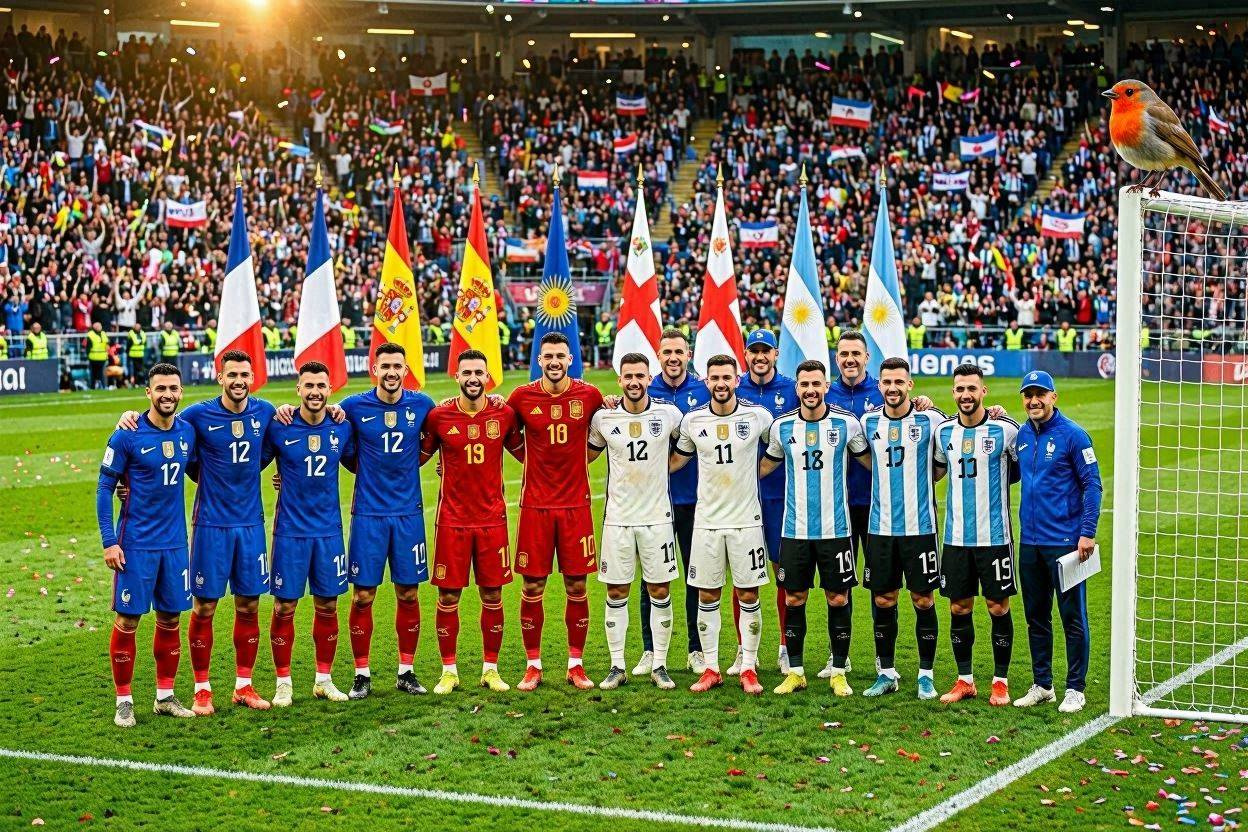
Congratulations To Spain For Never Giving Up
Spain Dazzles With Technical Brilliance in 1-0 World Cup Victory
England Secures Bronze With a Thrilling 6–4 Triumph at Miami Stadium
Spain VS Argentina July 19th For The Trophy
Click Here For Full World Cup Schedule
Group Stage: Opening Matches
Knockout Rounds
Live Scores & Standings
W,D,L,Pts - Win, Draw, Loss, PointsLatest Videos
Fox News Sports Live Stream
World Cup News
FIFA World Cup 2026 — Full Tournament Overview
Overview of the 2026 FIFA World Cup
The 2026 FIFA World Cup marks a historic milestone as the first tournament hosted by three nations — the United States, Canada, and Mexico — and the first to feature an expanded 48‑team format. This expansion increases the number of matches, host cities, and global participation, making it one of the most ambitious sporting events ever staged.
The tournament will take place across 16 host cities, including major hubs like Los Angeles, New York/New Jersey, Toronto, Vancouver, Mexico City, and Dallas. With more teams, more fans, and more travel, FIFA 2026 is expected to be the largest World Cup in history.
History of the FIFA World Cup
The FIFA World Cup began in 1930, hosted by Uruguay, and has since become the world’s most‑watched sporting event. Over the decades, the tournament has evolved through changes in format, expansion of participating nations, advances in broadcasting, and increased global influence.
The 2026 edition continues this evolution with the largest field of teams ever, reflecting the sport’s global growth and the increasing competitiveness of national teams from every continent.
Teams and Qualification
The 2026 World Cup features 48 national teams, up from 32. This expansion allows more representation from Africa, Asia, CONCACAF, and other confederations, giving emerging football nations a greater chance to compete on the world stage.
Host nations USA, Canada, and Mexico automatically qualify. The remaining teams qualify through regional competitions organized by each confederation. Because qualification formats and standings can change, fans should always confirm details through official FIFA communications and regional football confederations.
Geopolitical Context and Controversies
As with many global sporting events, the 2026 World Cup exists within a broader geopolitical landscape. Some participating or aspiring nations may be involved in international disputes or conflicts, and their status can be affected by decisions from FIFA and other governing bodies.
Russia
Following the invasion of Ukraine, Russia has faced suspensions from various international competitions. Their participation in future FIFA tournaments depends on evolving decisions by FIFA and international authorities. Fans should rely on official announcements for the most current information.
Ukraine
Ukraine continues to compete in international football despite the ongoing conflict. Their qualification campaigns have drawn significant global attention and support, symbolizing resilience and national pride.
Iran and Other Nations
Iran’s national team has periodically been at the center of discussions related to domestic politics and human rights concerns. Other countries experiencing internal unrest or diplomatic tensions may also face scrutiny or logistical challenges around major tournaments.
For accurate, up‑to‑date information on political or conflict‑related issues, fans should consult trusted international news outlets and official statements from FIFA and regional confederations.
How to Get Tickets
Tickets for FIFA 2026 are sold exclusively through FIFA’s official ticketing platform. Fans should be cautious of unofficial resellers and only use verified partners or the official portal to avoid fraud or invalid tickets.
Ticket sales are typically organized in phases, which may include:
- Random selection draws for high‑demand matches
- First‑come, first‑served sales windows
- Team‑specific ticket packages for following a particular nation
- Hospitality packages with premium seating and services
Fans are encouraged to create a FIFA ticketing account early, subscribe to official updates, and verify all purchase details directly on FIFA’s website.
Travel Information for USA, Canada, and Mexico
With three host countries and 16 cities, travel planning is a crucial part of the FIFA 2026 experience. Entry requirements, transportation options, and local conditions can vary significantly between locations.
Visas and Entry Requirements
Each host country maintains its own immigration rules:
- United States: Many visitors use the Visa Waiver Program (ESTA), while others require a visa.
- Canada: Many travelers need an Electronic Travel Authorization (eTA) or visa.
- Mexico: Numerous nationalities can enter visa‑free for tourism, while others require a visa.
Fans should always verify requirements through official government websites before booking travel.
Transportation Between Host Cities
Distances between host cities can be large, especially within the United States. Common options include:
- Domestic flights between major hubs
- Intercity buses and regional rail (where available)
- Rental cars for flexible travel
Planning routes in advance and allowing extra time between matches is recommended, especially when crossing borders.
Accommodation and Local Conditions
Demand for hotels, rentals, and other lodging will be extremely high in host cities during the tournament. Booking early is strongly advised. Weather conditions in June and July can range from hot and humid in some U.S. and Mexican cities to milder climates in Canadian venues.
Host Cities and Stadiums
The 16 host cities are spread across North America, showcasing a mix of iconic stadiums and modern arenas.
United States (11 cities)
- New York/New Jersey
- Los Angeles
- Dallas
- Miami
- Atlanta
- Seattle
- San Francisco Bay Area
- Philadelphia
- Houston
- Kansas City
- Boston
Canada (2 cities)
- Toronto
- Vancouver
Mexico (3 cities)
- Mexico City
- Guadalajara
- Monterrey
Many of these stadiums have undergone or will undergo upgrades to meet FIFA standards for capacity, accessibility, and broadcast infrastructure.
Broadcasting and Streaming
Broadcast rights for the 2026 World Cup are allocated regionally. In the United States, coverage is expected to be carried by major sports networks and their streaming platforms, while other regions will have their own official broadcasters.
Fans should check with local television providers and official FIFA announcements to confirm where and how to watch matches live or on demand.
Final Thoughts
The 2026 FIFA World Cup is poised to be the largest and most globally connected edition of the tournament to date. With an expanded field of teams, three host nations, and unprecedented levels of fan engagement, it represents a new era for world football.
Whether you are following your national team, exploring new host cities, or simply enjoying the spectacle of the world’s game on its biggest stage, FIFA 2026 promises to deliver unforgettable moments on and off the pitch.