Rockin Robin SongFlying The Web For News.
RobinsPost Logo RobinsPost Amazon


Consumer Daily Reports

[unable to retrieve full-text content]

Scammers are targeting online retailers but consumers could be left holding the bag

By Mark Huffman Consumer News: What’s the ‘bag of sugar’ scam and could you be a victim? of ConsumerAffairs
January 30, 2025

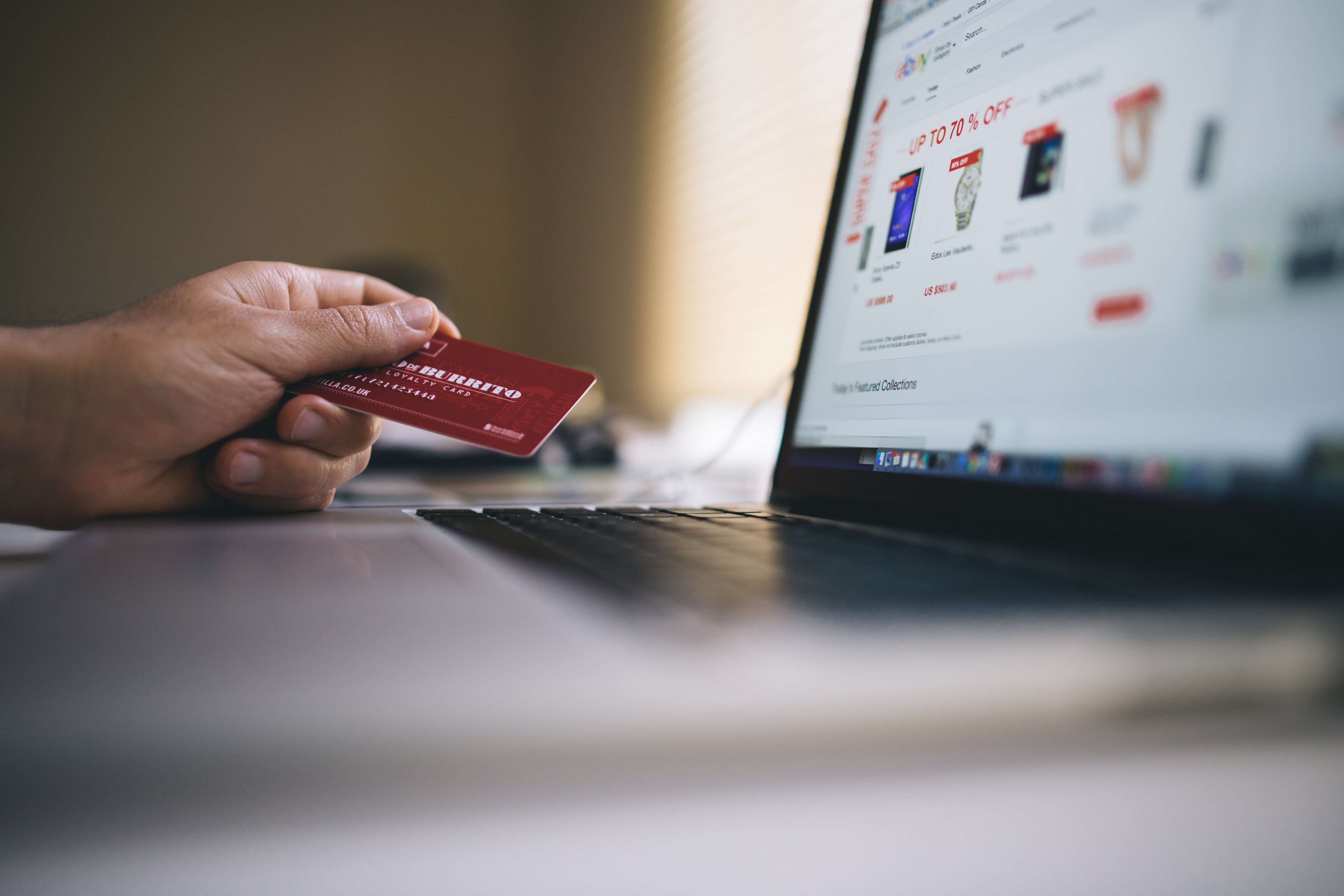
Its called the bag of sugar scam but it might be more accurately called the boomerang scam. Because instead of a large online retailer like Amazon being the victim, an innocent consumer is left holding the bag.

The scam has its roots in lenientcorporate return policies. These policies have become so lax that if a consumer complains that they never received the product or didnt order the product in the first place, the retailer is likely to give the consumer their money back, even though they have the ordered product in their possession.

Theres also a name for that digital shoplifting and a survey by the antifraud tech company Socure found that 55% of Gen Z consumers and 49% of millennials earning more than $100,000 a year admit to digital shoplifting at least once.

Even though ripping off the system has become very easy, organized thieves are making it foolproof by keeping the product and returning the box in which the product came. To fool the retailer, they carefully open the box and fill it with bags of sugar and other items so that the box weighs approximately the same.

How consumers get scamed

Next, they carefully reseal the box so that it doesnt appear to have been opened and send it back to the retailer. Once it arrives, the box usually goes back into the warehouse until a consumer orders the same thing.

Without opening the box to check its contents, the retailer ships it to the unsuspecting consumer, who is shocked when they open the box and find, not the microwave oven they ordered but four 10-pound bags of sugar.

Consumer authorities generally attribute the rise in return scams to the fact that large online retailers have found it cheaper it absorb the cost of the item, rather than set up a system to make sure all returns are legitimate. They say social media posts advocating these schemes arent helping.


Photo Credit: Consumer Affairs News Department Images


Posted: 2025-01-30 12:10:28

Get Full News Story On Consumer Affairs


Listen to this article. Speaker link opens in a new window.
Text To Speech BETA Test Version.


More News From This Category
Consumer News: Coffee hasn’t been this expensive in decades — and your receipt is proving it
Thu, 18 Dec 2025 05:07:06 +0000

You dont have to quit caffeine to stop overpaying

By Kyle James of ConsumerAffairs
December 18, 2025
  • Grocery-store ground roast coffee averaged $9.14/lb in September, up from $6.47/lb a year earlier a 41% jump thats showing up on receipts fast

  • Weather-driven supply hits + a surge in wholesale arabica prices pushed costs up, and tariffs added fuel at the worst time. Even with tariff rollbacks, shelf prices usually lag

  • Do quick cost-per-cup math (home brew is still far cheaper), buy extra duringsales and freeze abag, and watch the unit price for shrinkflation


If your normal bag of ground coffee is starting to feel like more of a splurge item, youre not imagining things. Federal pricing data shows supermarket coffee is up sharply. As of September, a pound of ground roast coffee averaged about $9.14, up from $6.47 a year earlier. Thats a whopping 41% jump in just 12 months.

Whats behind the coffee spike

Weather problems tightened supply

Coffee is considered a picky crop, and production disruptions like bad weather in the major growing regions, can affect supply quickly. When harvests come up short, roasters and importers scramble, and so costs naturally climb.

Wholesale coffee prices surged

In early 2025, arabica coffee futures pushed above $4.30 per pound at one point, with traders pointing to limited availability and even some panic in the market.

Think of futures prices as a benchmark for what many buyers pay for their beans. So, when you see a big jump like we saw earlier this year, it tends to show up down the road at grocery stores and coffee chains.

Tariffs added cost at the worst time

In April 2025, the U.S. imposed a 10% base tariff on many imports and layered on additional duties that varied by country. These included goods the U.S. doesnt really produce domestically, like coffee.

In mid-November, the White House rolled back tariffs on more than 200 food products, including coffee, with the changes taking effect retroactively.

The National Coffee Association said removing reciprocal tariffs should ease cost pressures for coffee drinkers and the businesses that depend on imports.

Then, on Nov. 21, Reuters reported the administration removed a remaining 40% tariff on many Brazilian agricultural imports, including green coffee beans. This was a big deal because Brazil supplies about a third of U.S. coffee beans.

Why prices may not drop overnight

Even if the tariff line item disappears, retail prices usually lag behind for a while. This is because roasters buy beans months ahead, retailers adjust prices in cycles, and brands rarely cut shelf prices the moment their costs ease.

Coffee shops have nudged prices up, too. Toasts menu data shows the median price of a regular coffee on restaurant menus was $3.57 in October 2025, up 3.2% from a year earlier.

The coffee price playbook for shoppers

Here are five money moves that will help you saveon your next cup:

1. Do the cost-per-cup math (its sobering)

A pound of coffee can make roughly 22 standard 12-ounce cups at home if youre using about 20g per cup.

At $9.14 per pound, thats about 42 cents per cup before milk and sugar versus about $3.50 for a basic caf coffee. I know its boring and you've probably heard it a hundred times, but brew your own cup of joe at home and save big.

2. Buy on deal, then bank the savings

When your coffee go-to brand hits a real sale, grab two bags and freeze one. Sealed coffee holds up well in the freezer, and buying at the low point beats paying whatever the shelf tag says next week.

3. Use store brands strategically

If your go-to brand jumped 30% to 50%, a private-label or club-store option can bring your cost per cup back to earth. Test one bag before you commit, then buy larger sizes when you find a winner.

4. Stop paying the add-on tax at coffee shops

If youre buying out of habit, keep the ritual but downgrade the order: drip instead of latte, fewer pumps, skip the foam. Most of the coffee inflation you feel at cafs comes from extras.

5. Watch for shrinkflation

Coffee brands love to keep the sticker price steady and quietly reduce the ounces. Always compare the unit price (per ounce or per pound) on the shelf tag, not the number printed on the bag.


Read More ...


Consumer News: Walmart, Pepsi accused of manipulating prices
Wed, 17 Dec 2025 23:07:07 +0000

The price-fixing scheme went on for a decade, the suit charges

By James R. Hood of ConsumerAffairs
December 17, 2025
  • Plaintiffs allege Pepsi and Walmart coordinated pricing to inflate soft drink costs nationwide
  • Lawsuit claims Walmart received preferential wholesale prices while rivals paid more

  • Case follows FTCs decision to drop a Robinson-Patman Act lawsuit against Pepsi

PepsiCo and Walmart have been accused in a new consumer class action lawsuit of orchestrating a decade-long price-fixing scheme that allegedly inflated the cost of Pepsi soft drinks at retailers across the United States.

The lawsuit, filed Monday in federal court in New York, alleges the two companies entered into an unlawful agreement that gave Walmart preferential wholesale pricing on Pepsi products while forcing competing retailers to pay higher prices. Plaintiffs say the arrangement violated federal antitrust law and ultimately harmed consumers by driving up retail prices outside Walmart stores.

Allegations of preferential pricing

According to the complaint, Pepsi offered Walmart favorable pricing and other incentives designed to maintain a consistent price gap that allowed the retail giant to sell Pepsi products at lower prices than its competitors. To preserve that gap, the lawsuit alleges, Pepsi raised wholesale prices charged to other retailers, effectively shifting higher costs onto consumers who did not shop at Walmart.

The plaintiffs contend that the pricing arrangement discouraged competition among retailers and insulated Walmart from price pressure, while smaller chains and independent stores were left at a disadvantage.

Link to prior FTC enforcement

The consumer lawsuit follows the Federal Trade Commissions decision in May to drop a case brought during President Joe Bidens administration accusing Pepsi of violating the Robinson-Patman Act, a 1936 law aimed at preventing discriminatory pricing practices that favor large buyers over smaller competitors.

The FTCs case named Pepsi as the sole defendant and did not include Walmart. In that matter, the agency alleged Pepsi had offered preferential pricing and promotional benefits to Walmart while denying similar terms to other retailers. Pepsi denied wrongdoing, and the case was later withdrawn by the agency.

Plaintiffs in the new lawsuit cite similar conduct, arguing that Pepsis alleged preferential treatment of Walmart went beyond lawful discounting and crossed into anticompetitive coordination.

Proposed nationwide consumer class

The proposed class includes all U.S. consumers who purchased Pepsi soft drinks from non-Walmart retailers since January 2015. The lawsuit seeks damages and other relief on behalf of consumers who allegedly paid higher prices as a result of the claimed scheme.

Pepsi and Walmart have not yet publicly responded to the new lawsuit. The case adds to ongoing scrutiny of pricing practices between major manufacturers and dominant retailers, particularly as regulators and private plaintiffs examine whether discount arrangements unlawfully harm competition and consumers.


Read More ...


Consumer News: FBI urges trafficking survivors to apply for Backpage compensation
Wed, 17 Dec 2025 23:07:06 +0000

Free legal help being offered for victims, who must apply by March 31, 2026

By James R. Hood of ConsumerAffairs
December 17, 2025
  • Victims trafficked through Backpage or CityXGuide may be eligible for compensation from a $200 million DOJ fund

  • The program covers financial losses such as medical care, counseling, and lost income

  • Survivors must apply by March 31, 2026


Federal authorities are urging people who were sex trafficked through the classified advertising sites Backpage and CityXGuide to apply for compensation through a special Department of Justice program before a March 31, 2026, deadline.

The FBI and DOJ announced the launch of the Backpage Compensation Program in July, following the forfeiture of roughly $200 million in assets connected to the sites. The money is intended to compensate trafficking survivors for eligible financial losses suffered between 2004 and 2020, including medical expenses, counseling costs, and lost income.

Officials say the effort is focused on ensuring that as much of the forfeited money as possible reaches survivors.

The goal is to return as much of the $200 million as possible to victims of trafficking, said Desirae Tolhurst, a special agent with the FBIs Phoenix Field Office who led the Backpage investigation.

Documentation is key to claims

Tolhurst said documentation is the most critical element in securing compensation, but acknowledged that gathering records can be challenging for survivors.

Medical records, receipts, emails, and even copies or screenshots of online advertisements can help support claims, she said. However, aliases, prepaid burner phones, and fake contact information were common in trafficking situations, making verification more difficult.

So its not as straightforward as you might think, Tolhurst said.

Because of those challenges, federal agencies have expanded outreach efforts, including digital media campaigns and partnerships with more than 100 nonprofit organizations and service providers, to help victims understand the program and navigate the application process.

NCMEC connects survivors with free legal help

One of those partners is the National Center for Missing & Exploited Children, which has created a Backpage Survivor Remission Network to help eligible individuals pursue compensation.

NCMEC launched its outreach effort on Sept. 4, and by early December 2025 had connected more than 370 trafficking survivors with lawyers from about 35 national law firms providing pro bono services, according to the organization.

Weve been able to elevate our partnership with law firms, medical health clinicians, and so many others and bring them into the fold to support the larger good of this compensation process, said Yiota Souras, NCMECs chief legal officer.

Survivors are allowed to file petitions on their own, but Souras emphasized that free assistance is available.

I certainly think its important to know that people can complete petitions on their own and submit them, she said. But I think its also important to know there are free resources available to help a trusted partner to walk alongside survivors and help them through this.

Background on Backpage and CityXGuide

Photo

Backpage.com was once one of the largest online classified advertising platforms in the United States. From 2004 until its seizure in 2018, federal prosecutors say the site was widely used to facilitate commercial sex and sex trafficking, including the trafficking of minors.

The federal government seized Backpage.com in April 2018 and later brought criminal charges and civil forfeiture actions against its owners and operators. Several were convicted of crimes including conspiring to facilitate unlawful commercial sex and money laundering and were sentenced to federal prison.

CityXGuide later emerged as a successor site and operated until June 2020, when it was also shut down.

Data recovered from Backpages databases dates back to 2004, but officials note that its reliability varies because ads often used aliases, obscured images, and outdated phone numbers.

Who is eligible and how to apply

Individuals may qualify for compensation if they were trafficked through advertisements posted on:

  • Backpage.com between Jan. 1, 2004, and April 6, 2018

  • CityXGuide between April 8, 2018, and June 19, 2020

Victims may file petitions themselves, through a representative, or through the estate of a victim who has died.

More information about eligibility and the application process is available at BackpageRemission.com.


Read More ...


Consumer News: Stop overpaying at Home Depot: 7 ways to spend less without buying junk
Wed, 17 Dec 2025 20:07:06 +0000

The tricks arent coupons - theyre policies, timing, and scoring used tool deals

By Kyle James of ConsumerAffairs
December 17, 2025
  • Price match identical items, then hunt yellow tags: .06 = clearance, .03 = final markdown (check the tag date)

  • Do a 10-second app check in the aisle. If its cheaper online, buy online and choose store pickup

  • Use the money-saver lane: check Daily Deals, save receipts with free Pro Xtra, and rent or buy retired rental tools instead of buying new


The Home Depot is one of those stores where its easy to overspend because a tool often looks like a deal and you think you cant live without it. The trick to saving at Home Depot isnt about a being a coupon wizard or DIY expert. Its all about knowing a few policies + pricing secrets + timing tricks that consistently cut your total bill.

Here are 7 Home Depot hacks that will change the way you shop in the land of orange aprons moving forward.

Get a Home Depot price match

Home Depots price-match policy is pretty clear, as long as the item is identical (same brand/model/size), and the competitor has it in-stock, theyll match the lower price.

Heres how to make it happen in 60 seconds:

  • Pull up the competitors product page on your phone.
  • Zoom in on the model number and the in-stock message to make sure it qualifies.
  • Bring the exact Home Depot listing to an employee and theyll verify it and get you the lower price.

Pro tip: Keep in mind that most price-match attempts fail because people show similar items. Home Depot tells you up front that the item must be identical, down to the color.

Learn to decode the Home Depot price tag

Photo

Over the years Ive had several friendly Home Depot employees help me decode their price tags. Information you can use to figure out how good of a deal youre actually getting in-store.

Heres what you need to know:

  • Prices ending in .06 on a yellow price sticker: An employee who handles price changes at his store told me a yellow tag with a price ending in .06 is on clearance and typically has about six weeks before the next markdown.
  • Prices ending in .03 on a yellow price sticker: The employee also told me that if an item still hasnt sold after that 6-week window, it may drop again to an ending price of .03. Thats basically the last call price. In his experience, once an item reaches .03, it has about three weeks before its liquidated and removed for good.

Pro tip: Always check the date printed at the bottom of the yellow tag. Its a great clue for how long the item has been sitting on the shelf and whether another markdown is likely coming soon. If theres a lot of inventory, and its almost been six weeks since the tag was created, wait and come back next week and get it even cheaper.

Always check online vs. in-store pricing

The Home Depot website explicitly says that HomeDepot.com will not match their in-store prices, and stores do not match their online pricing.

The translation for smart shoppers is that the same item can often be cheaper depending on where you click/pay. Ive even had employees verify this over the years and they always tell me to shop one against the other, and always look for the best price.

The fastest way to stop overpaying:

  • When standing in an aisle at The Home Depot, pull out their app and search the exact item.
  • If the online price is cheaper, dont overthink it. Just buy it online, choose store pickup, and grab it on the way out and move on with your life.

Why it matters:

If Home Depot wont match their own website (and the website wont match the store), your discount is sometimes going to be simply choosing the cheaper checkout lane.

Start with Daily Deals before you pay full price

Most shoppers are not aware that Home Depot has a Daily Deals / Special Buy of the Day page that rotates deals across appliances, home dcor, and home improvement items.

This is where you should always check first when your purchase is not time critical, especially if youre not shopping for a particular brand, just the best deal.

Look for great deals on the following:

  • Lighting
  • Rugs
  • Storage/organization
  • Small appliances
  • Some tool bundles

Heres what the smart shopper does:

  • If your project can wait 4872 hours, be sure to check Daily Deals first.
  • If todays deals arent in the category you need, check back again tomorrow.

Home Depot literally tells you its a one-day deal setup, so the savings often comes down to timing and the ability to wait for the deal you need.

Join Pro Xtra even if youre not a Pro

Home Depots FREE Pro Xtra program is framed as a Pro loyalty program with some cool perks, promos, and the ability to track your spending.

Heres why regular shoppers should care:

Home improvement returns and price adjustments live and die by your proof of purchase. If youre doing a project over several weeks or months, that paper receipt is basically guaranteed to vanish.

Use Pro Xtra for the boring money-saver stuff:

  • Track purchases/spend (useful for projects and warranty claims)
  • Keep receipts organized instead of digging through your car console

If you dont want to sign-up for a Pro Xtra account, at least be aware that Home Depot offers the ability to look-up your receipt through your regular account.

Pro tip: If youre knee deep in a DIY project and still in the planning phase, be sure to look for quantity discounts from Home Depot before you make any purchases. You can get savings up to 20% when buying large quantities of lumber, building hardware, insulation, and even roofing materials.

Rent the expensive tool youll use once

Most Home Depot locations have a full tool and equipment rental operation. Using their tool rentals is one of the most practical save hundreds moves because buying tools for one project is how budgets explode.

Renting usually beats buying for:

  • Floor sanders
  • Pressure washers
  • Tile saws
  • Post-hole augers
  • Carpet cleaners

Quick decision rule (simple, not perfect):

  • If you wont realistically use it 23 more times, renting is often the cheaper path.

Also, renting forces you to finish the job quickly as youre getting charged by the day. This basically forces you to save money and get the job done in a timely manner.

The underrated hack: buy retired rental tools

Photo

Heres a Home Depot trick most shoppers dont even know exists. Some stores actually sell their retired rental tools at a huge discount.

That means you can sometimes get a legit brand-name tool for way less because its being cycled out of their rental fleet.

How to use this without wasting a Saturday:

  • Go to the stores Tool Rental area.
  • Ask: Do you sell retired rental tools? What do you have right now?
  • Inspect it like youre buying a used car:
    • Check the cord/battery contacts
    • Look for cracks, missing guards, stripped screws
    • Ask whats included (case, charger, accessories)
  • Or visit their Used Tools page on their website and enter your Zip Code to see if your local store has used tools available for purchase.

Why its worth it:

If you want to own an expensive tool but cant justify the brand new price, retired rentals can really help your budget. Think of them as cheaper than new, but way better than sketchy marketplace tool listings.


Read More ...


Consumer News: Illegal gambling class actions pile up against online sweepstakes firms
Wed, 17 Dec 2025 20:07:05 +0000

What consumers should know about online sweepstakes casinos

By James R. Hood of ConsumerAffairs
December 17, 2025
  • Dozens of lawsuits accuse sweepstakes casinos of operating illegal gambling platforms
  • Utah has emerged as a focal point due to its strict gambling ban and double-damages law

  • Attorneys warn companies to avoid states taking aggressive enforcement stances


A wave of class action lawsuits is targeting companies that offer online sweepstakes casino games, with plaintiffs alleging the platforms amount to illegal gambling in states that strictly prohibit wagering.

At least 23 class actions were filed in federal court in Utah last month alone, according to court records, marking a sharp escalation in litigation against companies that allow users to purchase virtual coins to play casino-style games that can lead to cash-equivalent prizes. The lawsuits are part of a broader national trend that has drawn increasing scrutiny from regulators, courts, and gaming attorneys.

Utah becomes a litigation hotspot

All of the recent Utah cases were brought by plaintiffs firmPeters Scofield and Hedin, which accuse sweepstakes operators of violating Utahs explicit ban on online gambling. The complaints allege that companies market their products as legal entertainment or promotional sweepstakes while, in practice, running unlicensed gambling operations.

Under Utah law, gambling is broadly defined as risking anything of value on a game of chance, and the state permits plaintiffs to seek double damages for losses tied to illegal gambling. That combination has made Utah an attractive venue for class actions, even when the companies involved are based elsewhere.

One complaint describes a sweepstakes platform as a dangerous and plainly unlawful gambling enterprise that allows players to spend money to acquire in-game currency used in slot-style and casino games.

The lawsuits seek injunctions blocking the platforms from operating in Utah, refunds of money spent by players, and statutory damages.

How sweepstakes models are being challenged

The cases focus on the dual-currency business model common among sweepstakes casinos. Players typically buy gold coins for entertainment purposes and receive sweepstakes coins as a bonus. Those sweepstakes coins can be used to play games of chance and, in some cases, redeemed for cash or cash-equivalent prizes.

Plaintiffs argue that the structure is a legal fiction designed to evade gambling laws and that the sweepstakes coins function as a thing of value under state statutes. Several complaints allege the platforms mirror traditional online casinos in everything but name, offering the same economic risks and rewards without regulatory oversight.

Defendants named in recent suits include operators behind brands such as Pulsz, JefeBet, and other popular sweepstakes casino platforms. Similar lawsuits have also been filed in states including Ohio, signaling that the legal risk is not limited to Utah.


What consumers should know about online sweepstakes casinos

They may be illegal where you live
Sweepstakes casinos operate in a legal gray area. While companies often market the games as free-to-play promotions, courts and regulators in some statesespecially Utahsay the platforms may violate state gambling laws. Whats legal in one state may be illegal in another.

Buying virtual coins can still count as gambling
Most sweepstakes casinos use a dual-currency system, where players buy one type of virtual coin and receive another that can be used to play games of chance. Lawsuits argue that if those games can lead to cash or cash-equivalent prizes, the activity may still qualify as gambling under state law.

You may have limited consumer protections
Unlike licensed casinos, sweepstakes platforms often operate without oversight from state gaming regulators. That can mean fewer safeguards around fairness, dispute resolution, or responsible gamingand less recourse if something goes wrong.

Refunds are not guaranteed
If a court ultimately finds a platform is operating illegally, players are not automatically entitled to refunds. Some lawsuits seek repayment and damages, but outcomes vary, and cases can take years to resolve.

Terms of service can limit your options
Many platforms include arbitration clauses that require disputes to be resolved privately instead of in court. Some judges have enforced those clauses, which can limit consumers ability to join class actions.

Check your state laws before playing
Consumer advocates recommend reviewing your states gambling laws before spending money on sweepstakes casino sites. If a platform appears to require payment to play games of chance with prize outcomes, it may carry legal and financial risk.


Legal experts urge caution for operators

Gaming attorneys say the surge in lawsuits reflects growing skepticism toward the sweepstakes casino model, particularly in states with aggressive enforcement histories.

Jeremy Kleiman, a member at Saiber who advises gaming and technology clients, has warned companies to steer clear of states that have brought enforcement actions against sweepstakes operators or are considering legislation targeting the industry. Even where companies ultimately prevail, the cost of defending dozens of class actions can be substantial.

Some operators have succeeded in slowing litigation by pointing to arbitration clauses in user agreements, but courts have not been uniform in their rulings. In several cases, judges have allowed claims to proceed past early dismissal stages.

Broader pressure on the industry

The class actions come amid heightened regulatory attention to online gaming models that blur the line between entertainment and gambling. State regulators and attorneys general in multiple jurisdictions are reviewing whether sweepstakes casinos comply with local law, while advertising platforms have tightened policies governing how the sites can be promoted.

Consumer advocates argue the lawsuits highlight gaps in oversight that leave players exposed to financial harm without the protections that apply to licensed gambling.

As litigation continues to mount, legal observers say the sweepstakes casino industry may face a pivotal momentone that could force major changes to business models or push lawmakers to clarify whether the platforms can legally operate at all.


Read More ...


Related Bing News Results


Blow Us A Whistle


Related Product Search/Búsqueda de productos relacionados

Amazon Logo