Steamers, infant toys, ovens, and more on this week's recall roundup
March 20, 2026
Aisstxoer adult bike helmet may fail
A pink Aisstxoer adult bicycle helmet sold on Amazon is being recalled because it fails key federal helmet safety requirements and may not protect riders in a crash.
- Specific hazard: The helmet does not meet mandatory impact attenuation, positional stability, and certification requirements, raising the risk of serious head injury or death.
- Scope/stats: About 200 units sold on Amazon.com from October 2025 through November 2025 for about $25.
- Immediate action: Stop using the recalled helmet immediately and request a full refund after destroying it as directed.
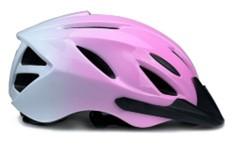
Shenzhenshiyongxintaidianziyouxiangongsi (Shenzhen Yongxintai Electronics Co., Ltd.), doing business as YXTDZ Store, is recalling Aisstxoer adult bicycle helmets sold in pink, size large. The recalled helmets have black padding and straps, a black buckle, and a black adjustment knob at the back; Aisstxoer and the size appear on a white label on the packaging, and model GH018L is printed inside the helmet. The helmets are being recalled because they fail to meet mandatory federal performance and certification requirements.
The hazard
According to the CPSC, the helmets violate the mandatory safety standard for bicycle helmets due to noncompliance with impact attenuation, positional stability, and certification requirements. In a crash, the helmet can fail to protect the rider, increasing the risk of serious injury or death from head injury. No incidents or injuries have been reported.
What to do
Consumers should stop using the recalled adult helmets immediately and contact YXTDZ Store for a full refund. Consumers will be asked to destroy the helmet by cutting the straps and then email a photo of the destroyed helmet to yxtdzamz@126.com.
Company contact
YXTDZ Store can be reached by email at yxtdzamz@126.com.
Source
Wagner power steamers can cause burns
Wagner 900 Series power steamers are being recalled after reports that hot hoses and expelled hot water can burn users during and after operation.
- Specific hazard: The hose can become excessively hot and the nozzle/gun can expel hot water, creating a serious burn hazard.
- Scope/stats: About 700,000 units sold in the U.S. (plus about 8,000 in Canada) from November 2018 to March 2026 for $130 to $200.
- Immediate action: Stop using the steamer and contact Wagner for a free repair kit.
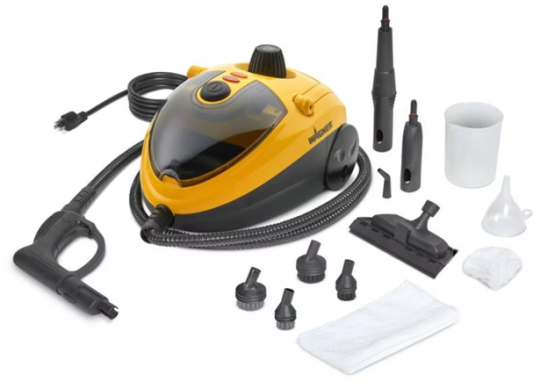
Wagner Spray Tech Corp. of Plymouth, Minnesota, is recalling Wagner 900 Series power steamers, including models 905e Auto Steamer, 915e On-Demand Power Steamer, and 925e Steam Machine Elite Steamer. The units have a yellow-and-black pressurized boiler base with Wagner on the sides, an accessory storage compartment, wheels, an eight-foot black steam hose, and a trigger nozzle/gun. The recall was issued because components can overheat and hot water can be expelled unexpectedly.
The hazard
The CPSC says the attached hose can get excessively hot, and the nozzle/gun can expel hot water during use and after the trigger is engaged. Wagner reports at least 156 incidents involving overheating hoses or hot-water expulsion, including more than 50 burn injuries to arms, hands, feet, and faces, with many first- or second-degree burns.
What to do
Consumers should stop using the recalled steamers immediately and contact Wagner for a free repair kit. The kit includes a hose sleeve, nozzle cover, and funnel.
Company contact
Consumers can contact Wagner toll-free at 800 962-6118 from 9 a.m. to 5 p.m. ET Monday through Friday, email us-wagnerrecall@wagner-group.com, or visit www.wagnerspraytech.com/900-series-recall. More information is also available at www.wagnerspraytech.com by clicking Product Recalls.
Source
Goregent infant walkers can fall down steps
A small number of Goregent-branded infant walkers sold on Amazon are being recalled because they can fit through doorways and may not stop at step edges, increasing the risk of dangerous falls.
- Specific hazard: The walker can fit through a standard doorway and fail to stop at the edge of a step, creating a serious fall hazard.
- Scope/stats: About 90 units sold on Amazon.com in January 2026 for about $90.
- Immediate action: Stop using the walker and contact the seller to obtain a refund.
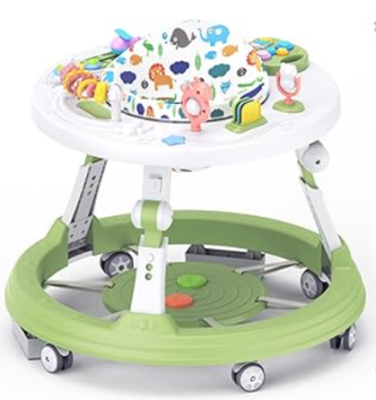
Dongguanshi Aokaolan Trading Co., Ltd., doing business as Goregent Official Store, is recalling Goregent-branded infant walkers sold in green with a fabric seat featuring an animal print and a rotating activity tray with toys, lights, and music. The walkers have a round base with six wheels, fold for storage, and offer three adjustable height settings; Model No: 901, SKU: GEBA030AGXP, and Date of Production: November 2025 appear on a yellow label on the base. The recall was issued because the walkers violate mandatory federal safety requirements for infant walkers.
The hazard
Under federal standards, infant walkers must be designed to address doorway and fall risks. The CPSC says these walkers can fit through a standard doorway and fail to stop at the edge of a step, raising the risk of serious injury or death from falls. No incidents or injuries have been reported.
What to do
Consumers should stop using the recalled walker immediately and contact Goregent Official Store to request a refund. If the walker is in a household with infants or young children, keep it out of reach until it is returned or otherwise removed from use.
Company contact
Goregent Official Store can be reached by email at GoregentInfantWalkersRecall@outlook.com.
Source
Frigidaire gas ranges may ignite late
Electrolux Group is recalling certain Frigidaire-brand gas ranges after reports that delayed ignition in the oven bake burner can cause burn injuries.
- Specific hazard: The ovens bake burner can experience delayed ignition, posing a burn hazard.
- Scope/stats: About 174,800 ranges sold in the U.S. (plus about 5,300 in Canada) from June 2025 through January 2026 for $630 to $2,700.
- Immediate action: Stop using the oven function and schedule a free in-home repair; cooktop burners can still be used.
Electrolux Consumer Products, Inc., of Charlotte, North Carolina, is recalling certain Frigidaire, Frigidaire Gallery, and Frigidaire Professional gas ranges within serial number range VF52200000 through VF54399999. The recall covers multiple models (including FCFG3083AS and others) with model and serial numbers printed on a nameplate in the drawer beneath the oven. The company is issuing the recall because the oven bake burner can ignite late, which can cause a sudden flare and burn risk.
The hazard
The CPSC says delayed ignition of the ovens bake burner can pose a burn hazard to users. Electrolux Group and the CPSC are aware of 62 reports of delayed ignition, including 30 reports of burn injuries.
What to do
Consumers should stop using the ovens in the recalled ranges immediately and contact Electrolux Group for a free repair. Electrolux Group will arrange professional in-home installation of a new bake burner at no cost; consumers can continue to use the cooktop burners on the range.
Company contact
Contact Electrolux Group toll-free at 866-291-7633 from 8:30 a.m. to 8 p.m. ET Monday through Friday, email gasovenburnerrecall@electrolux.com, or visit www.GasOvenBurnerRecall.com. More information is also available at www.frigidaire.com by clicking Recall Information.
Source
Amazon Basics folding knife may open
Amazon is recalling Amazon Basics Camping Folding Pocket Knives because the blade may not stay secured in the closed position, creating a laceration hazard.
- Specific hazard: The blades folding mechanism can fail to remain properly secured when closed, posing a cut hazard.
- Scope/stats: About 2,840 units sold on Amazon.com from August 2025 through February 2026 for about $30.
- Immediate action: Stop using the knife and request a refund through Amazons recall process.
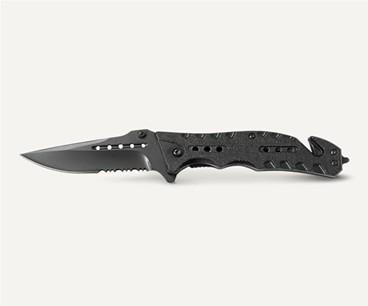
Amazon.com Services LLC is recalling Amazon Basics Camping Folding Pocket Knives sold online at Amazon.com. The recall was initiated because the folding mechanism can fail, potentially allowing the blade to move or open unexpectedly even when it appears closed, which can lead to cuts during handling or storage.
The hazard
The CPSC warns that the blade may not remain properly secured in the closed position, creating a laceration hazard. Amazon received one report of the blade not remaining secured; no injuries have been reported.
What to do
Consumers should stop using the recalled folding pocket knife immediately and contact Amazon to obtain a refund. Store the knife in a secure place away from children until the refund process is completed.
Company contact
Consumers can contact Amazon toll-free at 855-215-5857 from 8 a.m. to 5 p.m. ET Monday through Friday, or visit https://amazonfoldingkniferecall.expertinquiry.com/. More information is also available at www.Amazon.com by clicking Recalls and Product Safety Alerts at the bottom of the page.
Source
Specialized Como SL e-bikes can fall
Specialized is recalling forks on Turbo Como SL electric bicycles after a steerer tube fatigue crack could lead to fork failure and a sudden fall.
- Specific hazard: A fatigue crack can form in the fork steerer tube and progress to failure, posing a fall hazard.
- Scope/stats: About 5,720 bikes sold from March 2021 through January 2026 for $3,250 to $4,800.
- Immediate action: Stop riding immediately and schedule a free fork replacement through an Authorized Specialized Retailer.
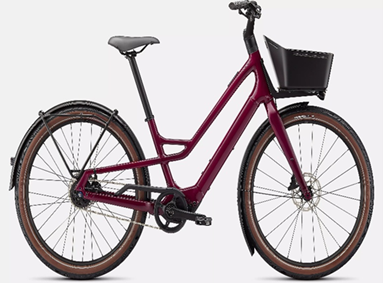
Specialized Bicycle Components Inc., of Morgan Hill, California, is recalling bicycle forks on all Specialized Turbo Como SL electric bicycles, regardless of model. Como SL appears on the seat tube or top tube, and the bikes were sold in multiple colors; owners can also confirm their model via the Specialized app. The recall was issued because the fork steerer tube can crack over time, potentially resulting in a sudden loss of control.
The hazard
The CPSC says the fork steerer tube can develop a small fatigue crack that can lead to progressive failure of the fork, posing a fall hazard. The company has received one report of a steerer tube failing and breaking; no injuries have been reported.
What to do
Consumers should stop using their Specialized Turbo Como SL bicycles immediately and contact an Authorized Specialized Retailer to schedule service for a free fork replacement. Replacement parts are expected to be available in Spring 2026.
Company contact
Contact Specialized Rider Care toll-free at 877- 808-8154 from 9 a.m. to 4 p.m. MT, Monday through Friday, email ridercare@specialized.com, use Live Chat on www.specialized.com, or visit http://www.specialized.com/safety-recall-notices.
Source
BUILT LUUM tumblers expose button batteries
Lifetime Brands is recalling light-up tumblers after reports that the cups can break and expose button cell batteries, which can be deadly if swallowed.
- Specific hazard: The tumblers can break and make button cell batteries accessible, posing choking and battery ingestion hazards.
- Scope/stats: About 75,700 units sold at major retailers and online from October 2024 through December 2025.
- Immediate action: Stop using the tumbler, keep it away from children, and obtain a refund.
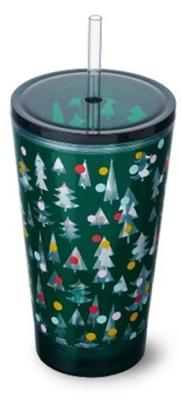
Lifetime Brands, Inc. is recalling LUUM collection BUILT-branded light up tumblersplastic 16 oz. or 18 oz. cups with a lid and straw sold in various winter holiday and Fourth of July themes. The recall was announced because the tumblers can break in a way that allows children to access the button cell batteries powering the LEDs.
The hazard
The CPSC says the LED tumblers can break and make the button cell batteries accessible to children, posing choking and ingestion hazards. Swallowed button cell or coin batteries can cause severe internal chemical burns and can be fatal. Lifetime Brands reports one incident in which a child gained access to a battery and put it in the mouth; no injuries were reported.
What to do
Consumers should stop using the recalled tumblers immediately and keep them out of reach of children. Contact Lifetime Brands for instructions on receiving a refund, and if a battery is found loose, handle it carefully and keep it away from children and pets.
Company contact
Contact Lifetime Brands toll-free at 888-561-2269 from 9 a.m. to 5 p.m. ET Monday through Friday, email Recall@Builtny.com, or visit https://www.builtny.com/pages/recall.
Source
Tainoki office chair base can bend
Tainoki Fine Furniture is recalling several models of upholstered swivel office chairs after the base was found to bend, raising the risk of a fall.
- Specific hazard: The chairs base can bend, causing instability and a potential fall hazard.
- Scope/stats: About 2,200 chairs sold at HomeGoods from August 2025 through December 2025 for $180 to $200.
- Immediate action: Stop using the chair and follow Tainokis recall instructions to get a full refund.

Tainoki Fine Furniture is recalling height-adjustable, swivel office chairs designed for desk use, featuring upholstered padded seats, backrests and headrests, and two padded armrests supported by chrome-finished metal bars. The recall includes Noah Office Chair (model M7016O) and Owen Office Chair (model M7004O) in specified colors, plus Warren Office Chair (model M7074O) in Taupe and Justin's. The company says the recall was initiated because the chair base can bend and compromise stability.
The hazard
The CPSC says the recalled chairs base can bend, posing a fall hazard that could result in serious injury if a user tips or collapses unexpectedly. No incidents or injuries have been reported.
What to do
Consumers should stop using the recalled chairs immediately and visit Tainokis recall website for step-by-step instructions. Consumers will be asked to submit photos of the chair, the model number, and proof of destruction to receive a full refund.
Company contact
Contact Tainoki Fine Furniture toll-free at 888-698-2466 from 10 a.m. to 7 p.m. PT Monday through Friday, email hello@tainoki.com, or visit https://www.tainoki.com/recall.
Source
CPSC warns on unsafe Gpower youth ATVs
The CPSC is warning consumers to stop using Gpower youth ATVs immediately because the vehicles allegedly violate federal ATV safety requirements and can create crash and laceration hazards for children.
- Specific hazard: The ATVs can exceed speed limits for youth models, have suspension and reflector issues, and handlebars that pose a laceration hazard on impact.
- Scope/stats: Sold online at Walmart.com from August 2025 through December 2025 for about $300, and possibly via third-party sellers on other websites.
- Immediate action: Stop using the ATV immediately and do not resell or give it away.
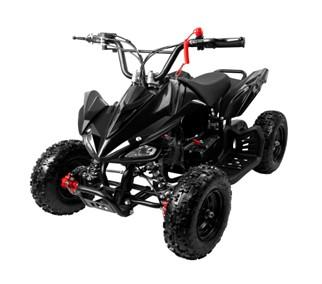
The U.S. Consumer Product Safety Commission issued a safety warning urging consumers to stop using Gpower youth all-terrain vehicles (ATVs) immediately. The youth ATVs have a 49cc gasoline engine and 6-inch steel rims, were sold in black, and were marketed online with the model name ATV-3-Orange, with no additional branding or labeling. The agency says the products violate mandatory federal ATV requirements and can put child riders at serious risk.
The hazard
The CPSC says the Gpower ATVs create a deadly crash hazard because they exceed maximum speed limits for youth ATVs intended for children ages six and older, fail to comply with mechanical suspension safety requirements, and are missing required reflectors that improve visibility. The agency also warns the handlebars can pose a laceration hazard if a child riders body or head impacts them at high speed.
What to do
The CPSC urges consumers to stop using these youth ATVs immediately. Do not sell or give away the ATVs, and report any incidents involving injury or product defects to the CPSC.
Company contact
Consumers can report incidents involving injury or product defects at www.SaferProducts.gov.
Source
CPSC warns Ridstar e-bike batteries can ignite
The CPSC is warning consumers to stop using Ridstar Q20 and Q20 Pro e-bikes because the batteries and wiring can ignite, creating a serious fire hazard.
- Specific hazard: The e-bikes batteries and wires can ignite, posing a fire hazard with risk of serious injury or death.
- Scope/stats: Distributed via Amazon.com, Ridstar.net, and Walmart.com.
- Immediate action: Remove the battery immediately and dispose of it using local hazardous-waste procedures.
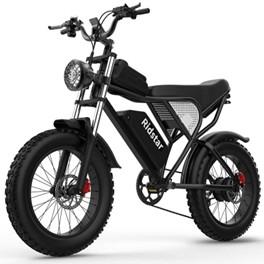
The U.S. Consumer Product Safety Commission issued a safety warning advising consumers to immediately stop using Ridstar Q20 and Q20 Pro e-bikes. The bikes are black and have the brand name Ridstar printed on the battery. The agency says the battery and wiring can ignite, creating an urgent fire risk.
The hazard
The CPSC warns that the e-bikes batteries and wires can ignite, posing a fire hazard to consumers with risk of serious injury or death. Fires involving lithium-ion batteries can spread quickly and produce intense heat and smoke, which is why the agency recommends prompt battery removal and appropriate disposal.
What to do
The CPSC urges consumers to remove the battery from the e-bike immediately and dispose of the battery following local hazardous waste disposal procedures. Do not sell or give away these hazardous batteries.
Company contact
Consumers can report incidents to the CPSC on SaferProducts.gov or call CPSCs Hotline at 800-638-2772 (TTY 800-638-8270).
Source
CPSC warns infant cushion poses suffocation risk
The CPSC is warning consumers to stop using LullaBear Choco Bear infant support cushions because they were marketed for infant sleep and can obstruct breathing, and the remote may allow access to a coin battery.
- Specific hazard: The cushion can obstruct an infants breathing (suffocation hazard), and the remote controls coin battery can be easily accessed (ingestion hazard).
- Scope/stats: Sold online at Livvewell.com from June 2025 through January 2026.
- Immediate action: Stop using immediately and dispose of the cushion and the battery responsibly.
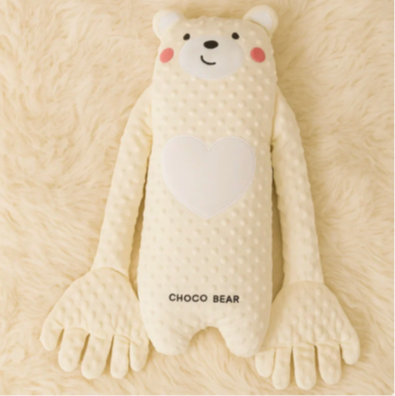
The U.S. Consumer Product Safety Commission issued a safety warning urging consumers to stop using LullaBearTM Choco Bear infant support cushions immediately. The bear-shaped cushions are light yellow with a face, ears, arms with oversized hands, and a white heart on the front; CHOCO BEAR is stitched on the cushion, and the left hand includes a motorized finger powered by a rechargeable battery controlled by a gray-and-black remote. The CPSC says the products violate mandatory regulations for infant support cushions and for products containing button cell or coin batteries.
The hazard
According to the CPSC, the animal-shaped cushions were marketed and intended for infant sleep and can obstruct an infants breathing, posing a serious risk of injury or death from suffocation. The agency also says the remote control violates federal battery safety regulations because the coin battery can be easily accessed by children, creating a severe ingestion hazard; swallowed coin batteries can cause life-threatening internal injuries.
What to do
The CPSC urges consumers to stop using the LullaBear infant support cushions immediately and dispose of them. Do not sell or give away these products. The remote controls coin battery should be disposed of or recycled following local hazardous waste procedures, and button cell and coin batteries should be kept away from children at all times.
Company contact
Consumers should report any incidents involving injury or product defects to the CPSC at www.SaferProducts.gov.
Source
Mama Grande sweets may contain undeclared allergens
Mama Grande Tortilla Factory issued an allergy alert for Gorditas de Azucar and Doraditas de Azucar because the products may contain undeclared wheat and soy.
- Specific hazard: Undeclared wheat and soy can trigger serious or life-threatening allergic reactions in sensitive consumers.
- Scope/stats: Distributed to retail stores and wholesale customers in Texas; the alert applies to all expiration dates for the listed UPCs.
- Immediate action: Do not eat the products if you have wheat or soy allergies; return them for a refund/credit or discard them.
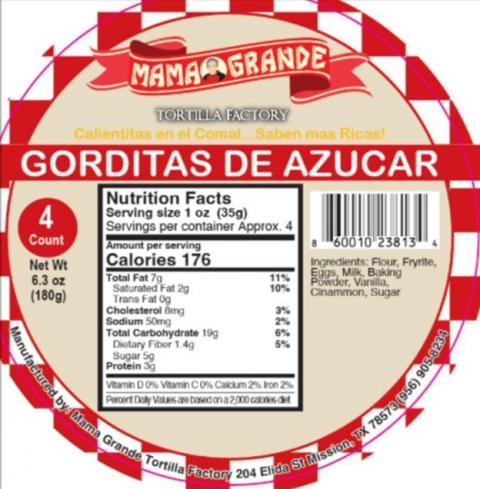
Mama Grande Tortilla Factory is warning consumers about Gorditas de Azucar and Doraditas de Azucar distributed in Texas because the products contain undeclared wheat and soy. The affected items are identified as Gorditas de Azucar (UPC 860010238134) and Doraditas de Azucar (UPC 5901234123457), with all expiration dates included. The issue is especially serious for people with allergies or severe sensitivities to wheat or soy.
The hazard
Undeclared wheat and soy in a packaged food can cause serious or life-threatening allergic reactions for people who are allergic or highly sensitive. Consumers who rely on ingredient labels may unknowingly eat the product and experience symptoms that can escalate quickly and require emergency treatment.
What to do
Consumers who have an allergy or severe sensitivity to wheat or soy should not consume the affected products. The company says consumers may return the product to the place of purchase for a credit or refund, or discard the product.
Company contact
Consumers can contact Agustin Armendaiz at 956-905-8234, Monday-Friday, 8 a.m.-4 p.m. CST.
Source
Honey products recalled for hidden erectile drugs
Pure Vitamins and Natural Supplements is recalling certain honey products after testing found undeclared sildenafil and tadalafil, which can dangerously interact with some prescription medications.
- Specific hazard: Undeclared sildenafil and tadalafil may interact with nitrates and drop blood pressure to dangerous levels.
- Scope/stats: Nationwide distribution; affected products include Boner Bear Honey, Red Bull Extreme, and Blue Bull Extreme with specified lot and code information.
- Immediate action: Stop using the products and return them for a full refund, including shipping, or discard them.
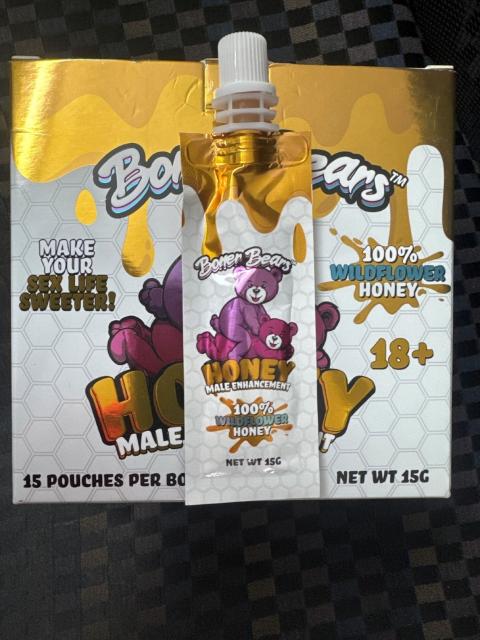
Pure Vitamins and Natural Supplements, LLC announced a voluntary nationwide recall of Boner Bear Honey, Red Bull Extreme, and Blue Bull Extreme. The company says the products contain undeclared sildenafil and tadalafil, which are active ingredients found in FDA-approved prescription drugs. The recall is aimed at preventing potentially dangerous drug interactions among consumers who may not realize they are ingesting these substances.
The hazard
The FDA notice warns that undeclared sildenafil and tadalafil may interact with nitrates found in some prescription drugs, such as nitroglycerin, and may lower blood pressure to dangerous levels. Consumers with diabetes, high blood pressure