Furniture, tools, and baby products are part of this week's recall roundup
March 27, 2026
This roundup covers recent consumer product recalls and public health alerts from CPSC, FDA, and USDA-FSIS. Check model numbers, lot codes and purchase dates carefully, and act promptly.
Vive Health bed rails linked to entrapment deaths
Vive Health is recalling adult portable bed rails after reports that users can become trapped and suffocate, including two reported deaths.
- Specific hazard: Users can become entrapped within the bed rail or between the bed rail and mattress, creating an asphyxiation risk.
- Scope/stats: About 122,000 units sold nationwide in medical supply stores and online from September 2019 through December 2025; two entrapment deaths reported.
- Immediate action: Stop using the bed rails immediately and contact Vive Health to request a refund.
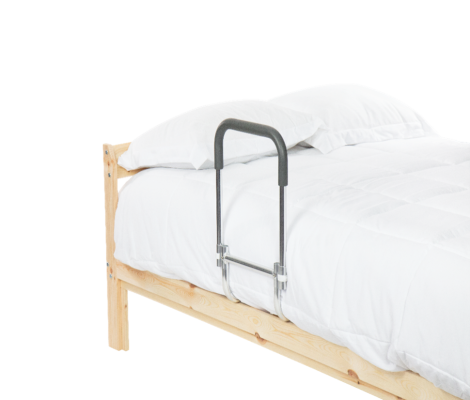
Vive Health LLC is recalling its Vive Health Compact Bed Rail (model LVA2009SLV) and Bed Rail Collection V (model LVA2097SLV), plus units of the Vive Health Bed Rail model LVA1024 purchased on or before Aug. 21, 2023. The company says the rails can create dangerous gaps when attached to a bed, raising the risk of entrapment and asphyxiation.
The hazard
When installed, users can become trapped within the rail or in the space between the rail and the side of the mattress. Vive Health has received two reports of entrapment deaths associated with one model: a 97-year-old man at an assisted living facility in Texas and a 93-year-old man at home in Florida, both in September 2024.
What to do
Stop using the recalled bed rails immediately. Contact Vive Health to obtain a refund, and do not sell or give away the product.
Company contact
Vive Health: 800-487-3808 (9 a.m. to 9 p.m. ET, Monday through Friday), recalls@vivehealth.com, or https://vivehealth.com/pages/recalls (or vivehealth.com and click Recall at the top of the page).
Source
Petzl ice axes recalled over shaft break risk
Petzl America is recalling certain Nomic and Ergonomic ice climbing axes after reports the shaft can break near the handle, raising a serious fall hazard.
- Specific hazard: The ice axe shaft can break at the handle during use, which can lead to a fall.
- Scope/stats: About 4,200 sold in the U.S. (plus about 1,160 in Canada) from December 2017 through March 2022; 26 break reports and no injuries reported.
- Immediate action: Stop using the recalled axes and contact Petzl America for a free repair kit and replacement shaft process.
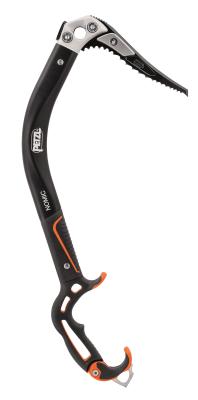
Petzl America, Inc. is recalling Petzl Nomic ice climbing axes (model U021AA00; serial numbers 17L 0000000 000 to 20F 9999999 999) and Ergonomic ice climbing axes (model U022AA00; serial numbers 18F 0000000 000 to 21L 9999999 999). The aluminum-shaft axes have a steel pick and reinforced plastic grip; Nomic is black and Ergonomic is orange, with serial numbers on a label on the upper shaft.
The hazard
The shaft can break at the handle during use, which can cause climbers to lose support and fall. Petzl has received 26 reports of shafts breaking at the handle; no injuries have been reported.
What to do
Immediately stop using the recalled ice axes. Register to request a pre-paid shipping label to return the shaft, and Petzl America will send a repair kit with a new shaft, hardware for the grip rest and assembly instructions.
Company contact
Petzl America: 877-807-3805 (8 a.m. to 4 p.m. MT, Monday through Friday), Returns@petzl.com, or https://qr.petzl.com/a/recall-nomic (click Safety Recall).
Source
4our Kiddies furniture straps may fail unexpectedly
Defective 4our Kiddies tip restraint kits sold on Amazon can break or degrade, potentially allowing furniture to tip and trap or injure children or older adults.
- Specific hazard: The plastic restraint components can break or degrade, undermining anti-tip protection and raising tip-over and entrapment hazards.
- Scope/stats: About 253,500 kits sold on Amazon.com from June 2019 through January 2026; at least 150 break reports and three tip-over incidents reported.
- Immediate action: Stop using the kits and request a free stainless-steel replacement restraint kit.
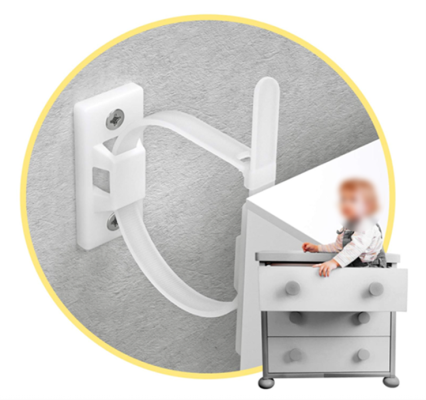
Shenzhen City Donglin E-Commerce Co., Ltd., doing business as 4our Kiddies, is recalling plastic tip restraint kits (furniture straps) that include two white plastic brackets/mounts, a white plastic cable zip tie, two pairs of screws and two drywall anchors. The company says the kits can fail and create a false sense of security for furniture anchoring.
The hazard
The plastic tip restraint kits can break or degrade after installation, which can allow previously secured furniture to tip. CPSC says this hidden defect can raise the risk of serious injury or death from tip-over or entrapment, particularly for children and older adults interacting with the furniture.
What to do
Stop using the recalled tip restraints immediately and contact 4our Kiddies for a free stainless-steel replacement kit. Keep children away from furniture that was anchored using the recalled kit until the replacement is installed, then dispose of the recalled restraint in household trash.
Company contact
4our Kiddies: furniturestraps-recall@outlook.com.
Source
DuraTrac gas connectors recalled for leak hazard
DuraTrac is recalling certain stainless-steel gas connectors because a manufacturing defect can lead to gas leaks and a potential fire.
- Specific hazard: A manufacturing defect can cause a gas leak, creating a fire hazard.
- Scope/stats: About 196,800 connectors sold at Ace Hardware, Blakes Inc. and Merritts Hardware from May 2025 through November 2025.
- Immediate action: Stop using the connectors and contact DuraTrac for a full refund.
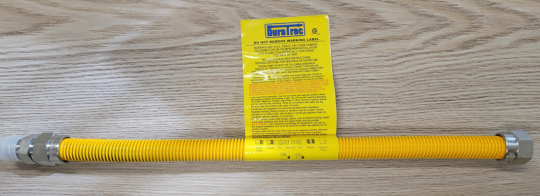
DuraTrac is recalling stainless-steel gas connectors sold between May 2025 and November 2025. The recalled connectors have a yellow label showing DuraTrac and Made in Thailand, are marked CSA file number 259973 on the flare nuts, and include date codes 24D, 25A, 25B or 25C.
The hazard
The connectors contain a manufacturing defect that could cause a gas leak. Leaking gas can ignite, creating a serious fire hazard. No incidents or injuries have been reported, according to CPSC.
What to do
Stop using the recalled gas connectors immediately. Contact DuraTrac for instructions to obtain a full refund, and do not reinstall or continue using the affected connector.
Company contact
DuraTrac: 866-678-8214 (9 a.m. to 5 p.m. ET, Monday through Friday), customerservice@duratracinc.com, or https://www.duratracinc.com/product_recalls (or duratracinc.com and click Product Recalls).
Source
CCCEI power strips recalled for fire risk
Middle Way Electronics is recalling CCCEI-branded power strips sold on Amazon because they lack supplementary overcurrent protection, which can increase fire risk when overloaded.
- Specific hazard: The power strips do not include supplementary overcurrent protection, which can allow overheating and fires if overloaded.
- Scope/stats: About 5,543 units sold on Amazon.com; two reports of sparking and melting, with no injuries reported.
- Immediate action: Stop using the power strips and contact the seller to request a refund.
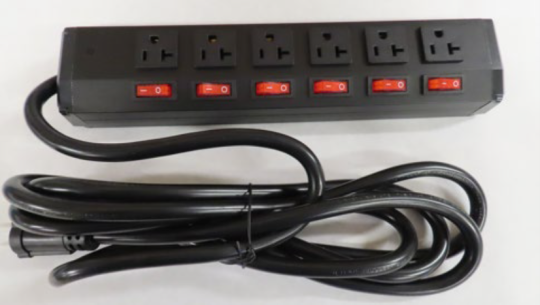
Middle Way Electronics, of China, is recalling CCCEI-branded power strips with 6-foot, 10-foot and 15-foot cords. The products have a black metal enclosure, six receptacles, and individual on/off switches for each outlet.
The hazard
CPSC says the strips lack supplementary overcurrent protection, raising the risk of overheating and fire if the strip is overloaded. The resulting fire can cause serious injury or death from smoke inhalation and burns. The firm has received two reports of sparking and melting; no fires or injuries were reported.
What to do
Stop using the recalled power strips immediately and unplug them. Contact Middle Way Electronics to request a refund and do not resell or donate the product.
Company contact
Middle Way Electronics: CCCEIpowerstrips@outlook.com.
Source
Home Depot grill brushes recalled for bristle ingestion
Nexgrill is recalling more than 10.2 million metal wire bristle grill brushes sold at Home Depot because bristles can detach and be swallowed, causing internal injuries.
- Specific hazard: Wire bristles can detach, stick to grills or food, and be ingested, causing serious internal injuries.
- Scope/stats: About 10.2 million sold at Home Depot stores and online from 2015 through 2026; at least 68 detachment reports and five medical-treatment cases reported.
- Immediate action: Stop using the brushes and contact Nexgrill for a refund issued as a gift card.
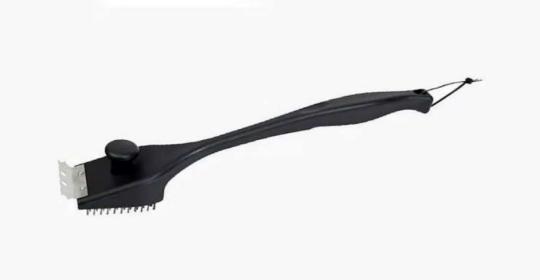
Nexgrill Industries, Inc. is recalling Nexgrill metal wire bristle grill brushes with black plastic or wood handles measuring 18 to 21 inches. Model numbers on the packaging include 530-0024, 530-0024G, 530-0034, 530-0039, 530-0041, 530-0042.
The hazard
Small wire bristles can detach from the brush and end up on the grill surface or in food. If swallowed, they can lodge in the throat or digestive tract and cause serious internal injuries that may require surgery. Nexgrill is aware of at least 68 reports and reviews of detached bristles, including five reports of consumers who swallowed bristles and sought medical treatment.
What to do
Stop using the recalled grill brushes immediately. Contact Nexgrill to request a full refund, which the company says will be issued as a gift card; consider switching to bristle-free grill-cleaning tools.
Company contact
Nexgrill: 800-942-1498 (9 a.m. to 5 p.m. ET, Monday through Friday) or https://nexgrill.mktpoint.com/recall (or nexgrill.com and click Product Recalls).
Source
DIY sauna heater kits recalled for overheating risk
Plunge Buddy LLC, doing business as DIY Cold Plunge, is recalling DIY Sauna Heater Kits after reports the internal conductors can overheat, raising a fire risk.
- Specific hazard: Electrical conductors in the kit can overheat, creating a fire hazard.
- Scope/stats: About 675 kits sold in the U.S. (plus about 14 in Canada) from March 2025 through February 2026; 12 overheating reports and no fires reported.
- Immediate action: Stop using the kit and register for a full refund, with required proof of disposal or return.
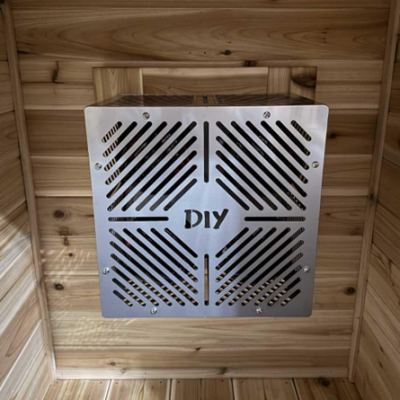
Plunge Buddy LLC, based in North Mankato, Minnesota, and operating as DIY Cold Plunge, is recalling its DIY Sauna Heater Kit, a do-it-yourself heating fixture kit intended to be installed in a customer-built sauna enclosure. The kit includes a stainless-steel cage, ceramic bulb sockets, wire connectors, ground pigtails and a three-prong power cord; heat-lamp bulbs are sold separately.
The hazard
CPSC says electrical conductors within the sauna heater kits can overheat, posing a fire hazard and risk of serious injury or death. The firm has received 12 reports of overheating; no fires or injuries have been reported.
What to do
Stop using the sauna heater kit immediately and register at the companys recall page to obtain a full refund. Consumers will be asked to submit written and photo proof that the product has been destroyed/disposed of, or request a prepaid shipping label to return the kit.
Company contact
DIY Cold Plunge: orders@diycoldplunge.com or www.diycoldplunge.com/pages/recall (or diycoldplunge.com and click Recall Information at the bottom of the page).
Source
AirClub bassinets recalled for bedside sleeper gap risk
AirClub convertible bassinets that convert into bedside sleepers are being recalled because the attachment mechanism can create a dangerous opening next to an adult mattress.
- Specific hazard: An opening can form between the sleeper and adult mattress, creating a deadly fall hazard for infants.
- Scope/stats: About 110,400 sold on Amazon.com from October 2023 through December 2025; no incidents reported.
- Immediate action: Stop using the product as a bedside sleeper and contact AirClub for a repair.
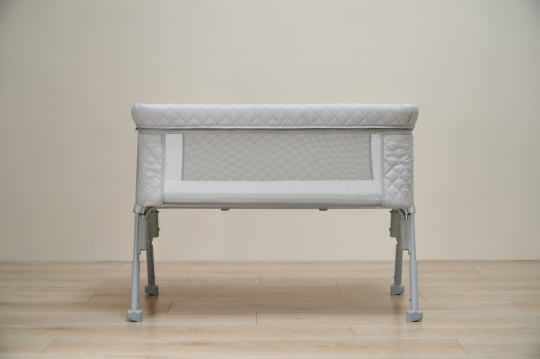
Zhangzhou Qiangxing Supply Chain Management Co., Ltd., doing business as AirClub, is recalling AirClub convertible bassinets (model QX-831) that convert into a bedside sleeper. The products were sold in light grey, beige and purple with quilted padding; the model label is located on the bottom underneath the mattress pad.
The hazard
CPSC says the convertible bassinets violate the mandatory standard for bedside sleepers because the mechanism used to attach the sleeper to an adult bed can create an opening between the sleeper and the mattress. That gap can lead to a deadly fall hazard for infants. No incidents have been reported.
What to do
Stop using the recalled product as a bedside sleeper immediately. Contact AirClub to obtain a repair, and follow the companys instructions before placing an infant in the product again.
Company contact
AirClub: 833-977-6667 (9 a.m. to 5 p.m. PT, Monday through Friday), support@airclub-baby.com, or https://airclub-baby.com/pages/recall (or airclub-baby.com and click Recall at the top of the page).
Source
Sunnyyes mini lights recalled for coin-battery access
Sunnyyes LED mini lights are being recalled because children can access the coin batteries, creating a severe ingestion hazard under Reeses Law.
- Specific hazard: Coin batteries are easily accessible, and remote battery-compartment screws do not remain attached, increasing ingestion risk.
- Scope/stats: About 26,000 sold on Amazon.com from March 2024 through March 2026; no incidents reported.
- Immediate action: Stop using the lights, keep them away from children, and follow the companys disposal/refund steps.
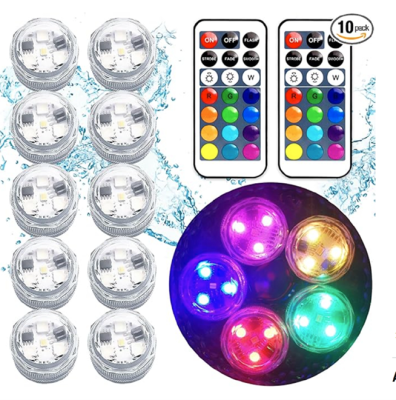
Huizhoushi Chuanglianxin Technology Co., Ltd., doing business as Sunnyyes, is recalling Sunnyyes branded LED mini lights sold on Amazon. The color-changing set includes 10 multicolored lights (each uses two CR2032 lithium coin batteries) and two remotes (each uses a CR2025 coin battery); the lights measure about 1.18 inches in diameter.
The hazard
CPSC says the lights violate the mandatory standard for consumer products containing button cell or coin batteries because the batteries can be accessed easily by children. The remotes battery-compartment screw also does not remain attached, and the packaging lacks required warnings under Reeses Law. If swallowed, coin batteries can cause severe internal chemical burns and death.
What to do
Stop using the recalled LED lights immediately and place them where children cannot access them. To receive a full refund, consumers will be asked to disassemble and submerge all components in water, then email a photo of the submerged product to Sunnyyes.
Company contact
Sunnyyes: usa@sunnyyes.com.
Source
GLMZZ magnet ball toys recalled for ingestion hazard
GLMZZ Fidget Magnet Ball Toy Sets sold on Amazon are being recalled because they contain high-powered magnets that can cause life-threatening internal injuries if swallowed.
- Specific hazard: High-powered magnets can attract inside the body if swallowed, leading to intestinal perforations, twisting, blockage or worse.
- Scope/stats: About 9,350 sets sold on Amazon.com from February 2025 to October 2025; no incidents reported.
- Immediate action: Keep the magnets away from children and request a refund from the company.
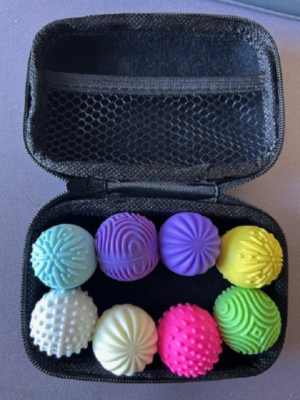
Shenzhen Jiaying E-commerce Co., Ltd., doing business as GLMZZ, is recalling GLMZZ Fidget Magnet Ball Toy Sets. Each set includes eight round magnet balls (assorted colors) about 1.24 inches in diameter and a black zippered case.
The hazard
CPSC says the toys violate the mandatory standard for toys because they are high-powered magnets. If children swallow more than one magnet, the magnets can attract each other (or metal objects) through intestinal walls, causing perforations, twisting and/or blockage, blood poisoning and death.
What to do
Stop allowing children to access the magnet toys immediately and remove them from play areas. Contact GLMZZ to obtain a refund, and follow the companys instructions for the recall process.
Company contact
GLMZZ: GLMZZrecall@outlook.com.
Source
CPSC warns NIOIIKIT rocking chairs can collapse
CPSC is urging consumers to stop using NIOIIKIT rocking chairs immediately because the chairs can collapse during use, creating a serious fall risk.
- Specific hazard: The rocking chairs can collapse, causing a fall that may result in severe injury or death.
- Scope/stats: Sold online on Amazon.com, eBay.com, WoodArtSupply.com, Newegg.com, Ubuy Global and nioiikit.com since July 2022 for $80 to $250.
- Immediate action: Stop using the chair and dispose of it; report incidents to CPSC.
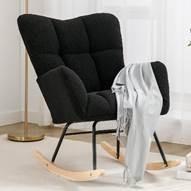
The U.S. Consumer Product Safety Commission issued a warning to consumers about NIOIIKIT brand rocking chairs sold online in multiple colors. The chairs have an upholstered seat and back with a black metal frame connected to two wooden rocking feet.
The hazard
CPSC says the chairs can collapse during use, creating a risk of serious injury or death from a fall. The agencys warning advises consumers to treat the chairs as hazardous and to stop using them immediately.
What to do
Stop using the rocking chairs immediately and dispose of them. Do not sell or give away the chairs. Consumers should report any incidents involving injury or product defect to CPSC at www.SaferProducts.gov.
Company contact
To report incidents, CPSC directs consumers to www.SaferProducts.gov.
Source
CPSC warns PurSteam travel steamers can expel hot water
CPSC is urging consumers to stop using certain PurSteam Elite Travel Steamers and Mighty Lil Steamers because they can eject hot water from the nozzle and cause burns.
- Specific hazard: When overfilled slightly, the steamers can expel hot water from the steam nozzle, causing burn injuries.
- Scope/stats: Warning covers Elite Travel Steamer model PS-510 purchased on or before Nov. 30, 2020; white Mighty Lil Steamer model PS-550 purchased on or before Nov. 30, 2020; and black Mighty Lil Steamer model PS-550 purchased on any date.
- Immediate action: Stop using the steamers, cut the cord and dispose of them; report incidents to CPSC.
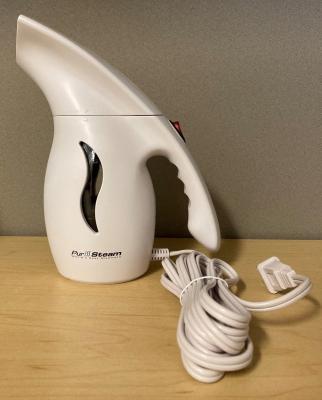
CPSC issued a consumer warning covering PurSteam Elite Travel Steamer model PS-510 and PurSteam Mighty Lil Steamer model PS-550 (white and black versions, with purchase-date limitations). The agency says its evaluation found a burn risk tied to accidental overfilling.
The hazard
According to CPSC, when overfilled by a small amount, both steamer models can expel hot water from the steam nozzle during use. That can cause serious burn injuries, particularly to hands, arms, legs or feet during normal garment-steaming tasks.
What to do
CPSC urges consumers to stop using the affected steamers immediately, cut the cord and dispose of the product. Do not sell or give away these steamers, and report product-related injuries or incidents at www.SaferProducts.gov.
Company contact
To report incidents, CPSC directs consumers to www.SaferProducts.gov.
Source
CPSC warns Pariplus foldable grill carts can pinch fingers
CPSC is urging consumers to stop using Pariplus foldable grill carts because the carts can collapse and cause crushing injuries, including a reported fingertip amputation.
- Specific hazard: The carts can fold or collapse, creating pinch points that can crush or amputate fingertips.
- Scope/stats: Models NWGS2501 and GSPA-2501A sold on Amazon.com and eBay; CPSC cites at least 21 incidents, including an amputation, a fracture and multiple lacerations requiring stitches.
- Immediate action: Stop using the cart and dispose of it; do not resell or give it away.
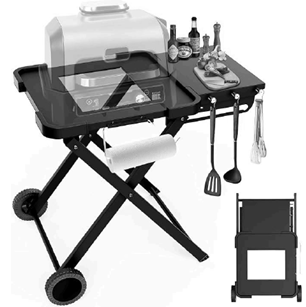
CPSC issued a warning for Pariplus Foldable Grill Carts with Wheels, models NWGS2501 and GSPA-2501A. The steel carts include a tabletop surface/opening for tabletop grills and feature wheels, a side shelf, a paper towel holder and accessory hooks.
The hazard
CPSC says the carts can fold or collapse during use, putting hands at risk in pinch point areas. The agency is aware of at least 21 incidents, including reports involving a fingertip amputation, a fractured finger and five lacerations that required stitches.
What to do
Stop using the grill carts immediately and dispose of them. Do not sell or give away the product. Consumers can report incidents involving injury or product defect to CPSC at www.SaferProducts.gov.
Company contact
To report incidents, CPSC directs consumers to www.SaferProducts.gov.
Source
CPSC warns Whomec bed rails pose entrapment hazards
CPSC is warning consumers to stop using Whomec bed rails immediately because of entrapment, fall and laceration hazards, and because the product violates a mandatory standard.
- Specific hazard: Entrapment and asphyxiation risk between the bed rail and mattress, plus fall and laceration hazards from design and stability issues.
- Scope/stats: Whomec Bed Rails, model 110039, sold on Amazon.com.
- Immediate action: Stop using the bed rails and dispose of them; do not resell or give them away.
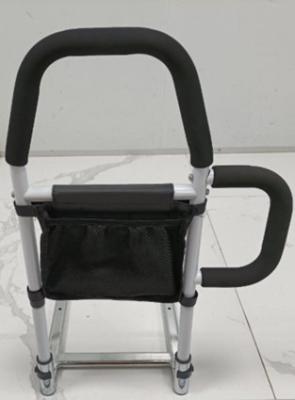
CPSC issued a warning for Whomec Bed Rails, model number 110039, sold online. The rails are described as white and silver metal tubing with black foam handle grips and a fabric pouch, measuring about 25.6 inches tall by 14.9 inches wide and 24 inches long.
The hazard
CPSC says users can become entrapped within the bed rail or between the bed rail and the side of the mattress, raising a serious risk of asphyxiation. The agency also says the rails do not meet structural stability or retention strap requirements (a fall hazard) and that incorrectly sized push pins and push pin holes create a laceration hazard.
What to do
Stop using the bed rails immediately and dispose of them. Do not sell or give away these bed rails. Consumers should report any incidents involving injury or product defect to CPSC at www.SaferProducts.gov.
Company contact
To report incidents, CPSC directs consumers to www.SaferProducts.gov.
Source
Aphrodisiac chocolates recalled for hidden drug ingredients
Gear Isle is recalling two chocolate products sold online after testing found undeclared sildenafil and tadalafil, prescription drug ingredients that can dangerously interact with nitrates.
- Specific hazard: Undeclared sildenafil and tadalafil can interact with nitrate medications and may cause a life-threatening drop in blood pressure.
- Scope/stats: Nationwide distribution via internet sales; products include Gold Lion Aphrodisiac Chocolate Sachet (UPC 795847916279, expires 06/2027) and ilum Sex Chocolate (UPC 1002448578911, expires 12/25/2027).
- Immediate action: Stop using the products and return them for a refund.
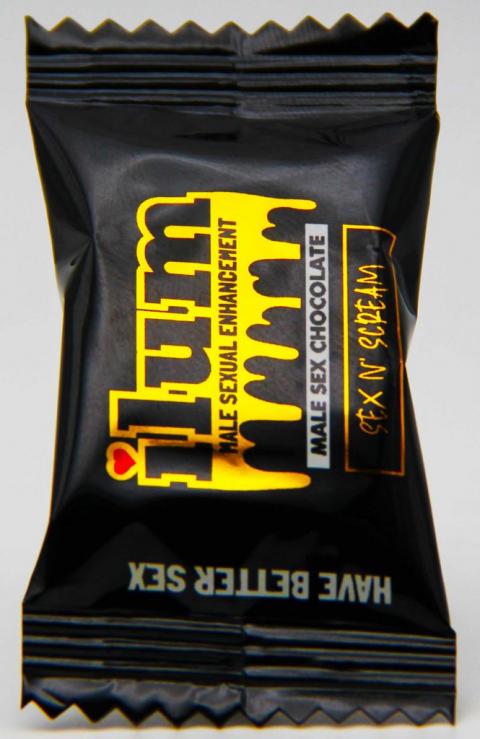
Gear Isle is conducting a voluntary nationwide recall of Gold Lion Aphrodisiac Chocolate Sachet and ilum Sex Chocolate sold online. The company says the products contain undeclared active pharmaceutical ingredients, sildenafil and tadalafil.
The hazard
FDA warns that consumers may unknowingly take prescription drug ingredients that can interact with nitrates found in some prescription medicines (such as nitroglycerin). That interaction can cause a significant drop in blood pressure that may be life-threatening, particularly for people with underlying heart conditions or those using nitrate drugs.
What to do
Do not consume the recalled chocolate products. Consumers who have them should stop using them immediately and return them for a refund, following the companys instructions.
Company contact
Gear Isle Customer Service: 888-387-4753 or info@gearisle.com.
Source
Organic black bean items recalled over pesticide residue
Falcon Trading Company, Inc. is recalling several organic bean products after pesticide residue was found in organic black beans from a certified organic handler.
- Specific hazard: Products marketed as organic may contain pesticide residue.
- Scope/stats: All lot numbers affected for Black Beans Organic (UPC 086700930403), Chili Bean Blend Organic (UPC 086700030561), and Sunset Soup Mix Organic (UPC 086700130001).
- Immediate action: Return the products to the place of purchase for a full refund.
Falcon Trading Company, Inc. issued a recall involving Black Beans Organic, Chili Bean Blend Organic and Sunset Soup Mix Organic. The company says testing found pesticide residue in organic black beans purchased from a certified organic handler.
The hazard
The company reports that organic black beans involved in the recalled items contained pesticide residue. Consumers who wish to avoid pesticide exposure, including those purchasing foods specifically labeled organic, should not consume the affected items.
What to do
Consumers who purchased any of the listed products are urged to return them to the place of purchase for a full refund. Do not consume the products if you believe they are part of the recall.
Company contact
Falcon Trading Company, Inc.: (831) 786-7000 or info@sunridgefarms.com.
Source
Amneal recalls magnesium sulfate after IV bag mix-up
Amneal is recalling a lot of Magnesium Sulfate in Water for Injection after a pouch was found to contain tranexamic acid instead, creating a dangerous medication error risk.
- Specific hazard: A product mix-up could delay critical magnesium therapy or lead to inadvertent administration of tranexamic acid with serious adverse effects.
- Scope/stats: Lot AH250162; NDC 70121-1720-3; distributed nationwide to wholesalers/distributors from Dec. 22, 2025, to Feb. 27, 2026.
- Immediate action: Hospitals should stop using affected product and return it to Amneal.
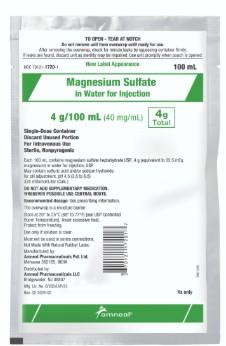
Amneal Pharmaceuticals LLC is conducting a voluntary nationwide recall of Magnesium Sulfate in Water for Injection, USP 4 g/100mL (NDC 70121-1720-3). The recall follows a report that a magnesium sulfate pouch contained an IV bag of Tranexamic Acid in 0.7% Sodium Chloride Injection, 10 mg/mL.
The hazard
FDA warns there is a reasonable probability that delaying magnesium therapy could cause life-threatening or long-term harm in pregnant individuals with preeclampsia or eclampsia, due to the risk of seizures. If tranexamic acid is inadvertently administered, it could cause adverse events including blood clotting, seizures, hypersensitivity reactions, visual disturbances and dizziness.
What to do
Hospitals and clinical facilities should immediately stop using the recalled magnesium sulfate product, quarantine it, and follow Amneals instructions to return affected inventory. Clinicians should review medication storage and verification steps to reduce the chance of a mix-up.
Company contact
Amneal: 833-582-0812 (Monday-Friday, 8:00 a.m.-5:00 p.m. ET) or MagnesiumSulfateRecall@amneal.com.
Source
Webcol alcohol prep pads recalled for contamination risk
Cardinal Health is recalling Webcol Large Alcohol Prep Pads because of microbial contamination that could cause serious infections in vulnerable patients.
- Specific hazard: Microbial contamination can cause local or systemic infections, including life-threatening infections in immunocompromised people.
- Scope/stats: Distributed in the U.S., Puerto Rico and Japan from September 2025 through February 2026; affected lots are listed in an attached table referenced by FDA.
- Immediate action: Check lot numbers, quarantine affected inventory and follow Cardinal Healths return instructions.
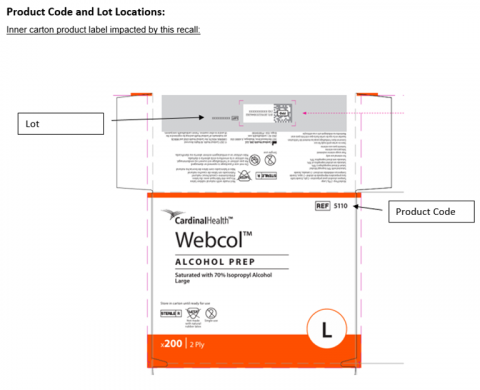
Cardinal Health issued a voluntary nationwide recall of Webcol Large Alcohol Prep Pad products due to microbial contamination. The company says it notified customers with instructions to identify affected product codes and segregate the pads.
The hazard
Use of contaminated prep pads can introduce microbes to the skin, potentially leading to local infections or systemic infections. FDA notes that at-risk populationssuch as people with impaired immune response, including cancer patients receiving chemotherapy or those with poorly controlled diabetesmay develop life-threatening infections such as bacteremia or central nervous system infections.
What to do
Consumers and facilities should check inventory for affected Webcol lots and stop using any pads included in the recall. Quarantine affected products and follow Cardinal Healths directions to notify downstream locations and return or otherwise handle the recalled inventory as instructed.
Company contact
Cardinal Health: GMB-FieldCorrectiveAction@cardinalhealth.com or 800-292-9332 (Monday-Friday, 8 a.m.-5 p.m. ET).
Source
USDA alert: Beef and pork sold without inspection
USDA-FSIS issued a public health alert for Blackwing Meats beef and pork products produced without federal inspection and that may carry a false inspection mark.
- Specific hazard: Products produced without inspection may contain undeclared allergens, harmful bacteria or other contaminants, and may bear a false USDA mark.
- Scope/stats: Products produced from April 2024 through March 2026 and shipped nationwide; some bear establishment number EST. 1996 inside a false USDA mark of inspection.
- Immediate action: Do not consume the products; throw them away or return them to the place of purchase.
USDAs Food Safety and Inspection Service (FSIS) issued a public health alert for various raw beef and pork products sold under Blackwing Meats branding, including steaks, ground beef, stew meat and pork chops. FSIS says the products were produced without the benefit of federal inspection and may bear a false mark of inspection.
The hazard
FSIS warns that food produced without required inspection may present unknown food safety risks, including exposure to harmful bacteria or undeclared allergens. Products bearing a false inspection mark can mislead consumers and retailers into believing the items were produced under federal oversight.
What to do
Consumers who purchased affected Blackwing Meats products should not eat them. FSIS advises throwing the products away or returning them to the place of purchase. If you believe you became ill after consuming the product, contact a health care provider.
Company contact
Blackwing Meats: Roger Gerber, President, 847-838-4888 or roger@blackwing.com. USDA Meat and Poultry Hotline: 888-MPHotline (888-674-6854).
Source
USDA alert: Ground beef may contain metal fragments
USDA-FSIS issued a public health alert for White Oak Pastures ground beef due to possible foreign material contamination, specifically metal.
- Specific hazard: Possible metal contamination can cause mouth or internal injuries if consumed.
- Scope/stats: 16-oz vacuum-packed WHITE OAK PASTURES ... GRASSFED GROUND BEEF with establishment number EST 34729 and 105761 Sell by 03/19/26, distributed to Moms Organic Markets in multiple states and D.C.
- Immediate action: Do not consume the ground beef; return it or throw it away.
FSIS issued a public health alert covering 1-pound vacuum-packed packages of WHITE OAK PASTURES, RADICALLY TRADITIONAL FARMING, GRASSFED GROUND BEEF. The agency says the product may be contaminated with foreign material, specifically metal, and was shipped to a distributor and Moms Organic Markets retail locations.
The hazard
Foreign material such as metal can pose a choking hazard and may cause injuries to the mouth, throat or digestive tract. FSIS said there have been no confirmed reports of injury related to consumption of the product.
What to do
Consumers who have the affected ground beef should not consume it. FSIS advises throwing it away or returning it to the place of purchase for a refund or replacement, according to retailer policy.
Company contact
White Oak Pastures: Justin Wiley, Processing Operations Manager, (229) 641-2081 or feedback@whiteoakpastures.com.
Source



 of ConsumerAffairs