Supplements, extension cords, and cleaning products are part of this week's recall roundup
April 10, 2026
Iron supplements recalled for child poisoning risk
Vitaquest International is recalling multiple iron-containing dietary supplements because their packaging is not child-resistant, creating a poisoning risk for young children.
- Specific hazard: Iron-containing supplements are packaged in non-child-resistant containers, raising the risk of serious injury or death if swallowed by young children.
- Scope/stats: About 356,140 units were sold nationwide through major beauty and supplement retailers and online, from April 2023 through February 2026.
- Immediate action: Store the products out of sight and reach of children right away and request a free child-resistant replacement cap or storage pouch.
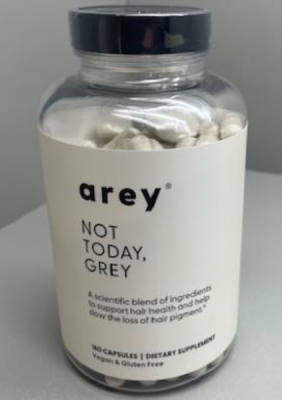
Vitaquest International LLC of West Caldwell, New Jersey, is recalling various brands of iron-containing dietary supplements sold in bottles and packets. The supplements contain iron, which must be sold in child-resistant packaging under the Poison Prevention Packaging Act. The recalled packaging is not child-resistant, the CPSC said.
The hazard
Young children who swallow iron supplements can face rapid and severe poisoning. The CPSC said the products violate mandatory child-resistant packaging requirements, increasing the chance a child can access and ingest the contents. No incidents or injuries have been reported.
What to do
Consumers should immediately store the supplements out of sight and reach of children. Contact Vitaquest International to obtain a free child-resistant replacement cap or storage pouch, and follow the companys instructions for receiving the replacement.
Company contact
Vitaquest International toll-free at 844-298-4545 from 9 a.m. to 5 p.m. ET Monday through Friday, email productsafety@vitaquest.com, or online at https://vitaquest.com/product-recall-information/ or www.vitaquest.com and click Recall at the bottom of the page.
Source
Pumpkin carving kits recalled over button batteries
LinkInnow International Co., Ltd., doing business as Besslly Store, is recalling Halloween pumpkin carving kits because children can easily access button cell batteries in the included tea lights.
- Specific hazard: Accessible button cell batteries can be swallowed, causing severe internal chemical burns and potentially death.
- Scope/stats: About 650 kits were sold on Amazon.com from March 2024 through December 2025 for $9 to $20.
- Immediate action: Stop using the kits and seek a full refund from Besslly Store, following the disposal-photo instructions.
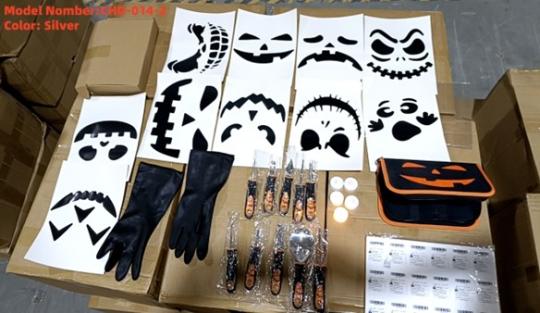
LinkInnow International Co., Ltd., dba Besslly Store, is recalling Besslly Halloween Pumpkin Carving Kits (Model CHD-014-2) sold on Amazon. The kits include five tea lights with preinstalled button cell batteries. The CPSC said the batteries can be accessed easily by children and the product lacks required warnings under Reeses Law.
The hazard
Button cell and coin batteries can cause catastrophic internal injuries if swallowed, including chemical burns and death. The CPSC said the product violates mandatory battery safety requirements because the batteries are easily accessible and required warning information is missing. No incidents or injuries have been reported.
What to do
Consumers should stop using the recalled carving kits immediately and keep them away from children. Contact Besslly Store for a full refund; consumers will be asked to email a photograph of disposal to receive the refund.
Company contact
Besslly Store by email at tingjmng@outlook.com for more information.
Source
ShymeryDirect LED lights recalled for coin batteries
ShymeryDirect is recalling small warm-white LED lights because children can access the CR2032 coin batteries, creating a potentially deadly ingestion hazard.
- Specific hazard: Coin batteries can be accessed by children and may cause severe internal burns and death if swallowed.
- Scope/stats: About 295 units were sold on Amazon.com from January 2026 through March 2026 for about $23.
- Immediate action: Stop using the lights, keep them away from children, and follow the companys steps to obtain a full refund.
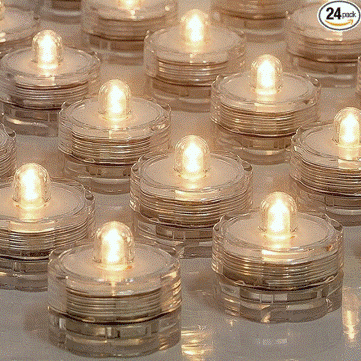
ShymeryDirect is recalling ShymeryDirect branded LED lights that use two CR2032 lithium coin batteries per light. The CPSC said the lights violate mandatory requirements for products containing button cell or coin batteries because children can easily access the batteries, and required warnings under Reeses Law are missing.
The hazard
Swallowed coin batteries can become lodged in a childs digestive tract, causing internal chemical burns and potentially death. The CPSC said the recalled lights allow easy battery access, increasing the risk of ingestion. No incidents or injuries have been reported.
What to do
Consumers should immediately stop using the recalled LED lights and place them where children cannot access them. To receive a full refund, consumers will be asked to disassemble and submerge all components in water and email a photo showing the submerged product to the company.
Company contact
ShymeryDirect by email at Shymeryrecall0402@outlook.com.
Source
Male-to-male cords recalled for electrocution hazard
Shenzhen Shijingjie Network Technology Co., Ltd., is recalling male-to-male pigtail extension cords sold on Walmart.com because exposed prongs can become energized, risking electrocution and related hazards.
- Specific hazard: Exposed energized prongs can cause electrocution, and backfeeding a home can cause fire and additional electrocution risks; short cords may encourage generator use too close to enclosed spaces, raising CO poisoning risk.
- Scope/stats: About 200 cords were sold on Walmart.com from April 2025 through November 2025 for $18 to $26.
- Immediate action: Stop using the cords immediately and request a full refund, unplugging carefully to avoid touching a potentially live end.
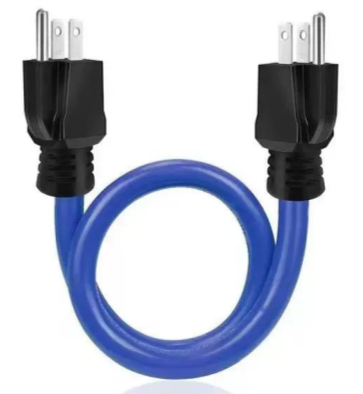
Shenzhen Shijingjie Network Technology Co., Ltd., of China, is recalling male-to-male extension cords (also called pigtail cables), models RY-US-06 and RY_US-1.5, sold on Walmart.com. The cords are often used to back-feed power to a home during an outage by connecting a generator to a home outlet, a practice the CPSC warned can be dangerous.
The hazard
The CPSC said these cords violate safety requirements because the exposed prongs can become energized when one end is connected to a power source, creating a serious electrocution risk. Backfeeding a residential electrical system can also create electrocution and fire hazards, and the short cord length may encourage generator placement too close to homes or enclosed spaces, increasing the risk of carbon monoxide poisoning. No incidents or injuries have been reported.
What to do
Consumers should stop using the recalled extension cords immediately. When unplugging, take care not to touch the live end of the cord. Contact the firm to obtain a full refund.
Company contact
Email j2mrecall@gmail.com or go to https://corporate.walmart.com/recalls and click on Shenzhen Shijingjie Network Technology Recall for more information.
Source
BISSELL steam cleaner attachments can detach and burn
BISSELL is recalling Steam Shot OmniReach and Steam Shot Omni steam cleaner attachments after reports that attachments can unexpectedly detach and expel hot water or steam.
- Specific hazard: Attachments can detach during use and spray hot water or steam, posing a serious burn hazard.
- Scope/stats: About 1.7 million units were sold in the U.S. (plus about 96,000 in Canada); the firm reported 161 burn injuries among 206 incident reports.
- Immediate action: Stop using the recalled attachments and register with BISSELL to receive free replacement attachments.
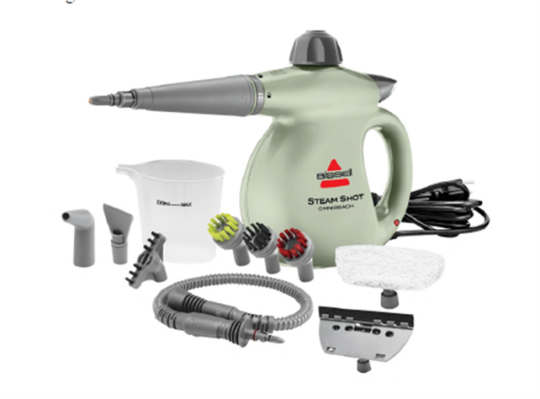
BISSELL Homecare Inc. of Grand Rapids, Michigan, is recalling Steam Shot OmniReach and Steam Shot Omni steam cleaners with attachments. The recall focuses on attachments that can unexpectedly detach, potentially exposing users to hot water and steam during cleaning.
The hazard
The CPSC said the attachments can detach and expel hot water or steam onto users, creating a serious burn hazard. BISSELL reported 206 incidents of hot water or steam escaping, including 161 reports of burn injuries and one report of a second-degree burn.
What to do
Consumers should stop using the recalled steam cleaner attachments immediately and contact BISSELL to receive free new attachments. To participate, consumers should visit the recall website to register and follow instructions, including how to upload a photo showing the original attachment accessories have been disposed of in the trash.
Company contact
Call 855-417-7001 from 9 a.m. to 7 p.m. ET Monday through Saturday, email RecallNA@bissell.com, or visit www.steamshot2026.com or www.BISSELL.com and click on Product Recalls.
Source
SNOOZ Breez fan recalled after overheating reports
Snooz, Inc. is recalling Breez 2-in-1 Smart Bedroom and White Noise electrical fans because an internal power connector can corrode and overheat, posing a fire risk.
- Specific hazard: A corroding internal power connector can lead to overheating and fire.
- Scope/stats: About 11,900 fans were sold in the U.S. (plus about 140 in Canada); the firm reported six overheating/smoking cases, including one fire report.
- Immediate action: Stop using the fan and register online for a replacement after confirming the serial number begins with BZ10 or BZ02.
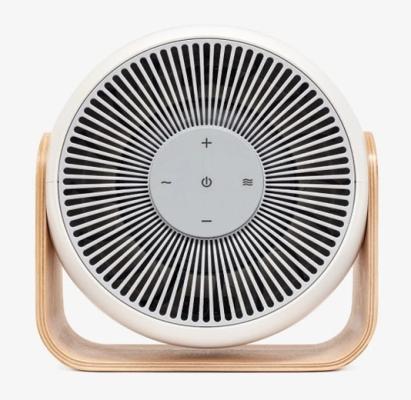
Snooz, Inc. is recalling the Breez 2-in-1 Smart Bedroom and White Noise electrical fan, sold online for about $200. The recall applies to units with serial numbers on the underside of the wooden base that begin with BZ10 or BZ02.
The hazard
The power connector inside the fan can corrode and cause overheating, creating a fire hazard, the CPSC said. Snooz reported six cases of fans overheating and smoking, including one report of fire; no injuries or property damage were reported.
What to do
Consumers should stop using the recalled fan immediately and register for a replacement fan through Snoozs recall website. To confirm whether a fan is included, check the serial number on the underside of the wooden base; serial numbers beginning with BZ10 or BZ02 are included. Consumers will be asked to cut the power cord and upload photos as instructed.
Company contact
Call 855-953-4125 from 9 a.m. and 5 p.m. PT Monday through Friday, email cs@getsnooz.com, or visit https://getsnooz.com/recalls or https://getsnooz.com and click on Recalls at the top of the page.
Source
SCUBAPRO weight pockets recalled for emergency release risk
Johnson Outdoors Diving LLC, d/b/a SCUBAPRO, is recalling Monorail Weight Pockets after reports that a handle can detach, potentially preventing divers from dropping weights in an emergency.
- Specific hazard: A detaching D-ring handle can prevent emergency weight release, increasing the risk of drowning.
- Scope/stats: About 2,800 units were sold in the U.S. (plus about 40 in Canada), with two reports of detaching handles.
- Immediate action: Stop using the weight pocket and register for a free repair through SCUBAPRO.
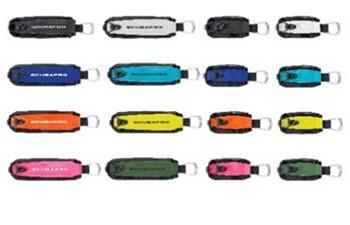
Johnson Outdoors Diving LLC d/b/a SCUBAPRO, of Racine, Wisconsin, is recalling the Monorail Weight Pocket accessory used with buoyancy compensator devices (BCDs). The product was sold in multiple colors and two sizes, and features a D-ring handle intended to unlock the pocket from the BCD.
The hazard
The CPSC said the D-ring handle used to unlock the weight pocket can detach during use. If that happens, a diver may be unable to remove the weight pocket during an emergency ascent, posing a risk of serious injury or death by drowning. SCUBAPRO reported two handle-detachment incidents and no injuries.
What to do
Consumers should stop using the recalled Monorail Weight Pocket immediately. Register online for a free repair, either through a local authorized dealer or by obtaining a prepaid shipping label to send the pocket back to SCUBAPRO for repair and return shipping.
Company contact
Call 800-790-3757 from 7 a.m. to 5 p.m. PT Monday through Friday, email mwpockets@scubapro.com, or visit https://scubapro.johnsonoutdoors.com/us/recalls or https://scubapro.johnsonoutdoors.com and click on Recalls at the bottom of the page.
Source
Easymake bed rails recalled over entrapment danger
ZFZG-US is recalling Easymake adult portable bed rails sold on Amazon because users can become entrapped, creating an asphyxiation risk.
- Specific hazard: Entrapment can occur in or between the rail and mattress, posing a risk of death by asphyxiation.
- Scope/stats: About 19,000 units were sold on Amazon.com from August 2023 through February 2026 for about $55.
- Immediate action: Stop using the bed rails and follow the destruction-and-photo steps to obtain a full refund.
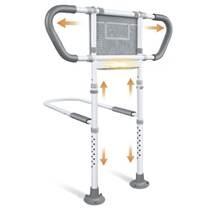
Zhongshan Yungu Daily Products, of China, is recalling Easymake adult portable bed rails imported by ZFZG-US. The CPSC said the rails violate the mandatory standard for adult portable bed rails and also lack required hazard warning labels.
The hazard
The recalled bed rails can allow users to become entrapped within the bed rail or between the bed rail and the side of the mattress, which can lead to asphyxiation, the CPSC said. No incidents or injuries have been reported.
What to do
Consumers should stop using the recalled bed rails immediately and contact ZFZG-US for a full refund. The CPSC said consumers should destroy the bed rail by cutting the storage bag off the upper rail and cutting the safety strap in half, write Recalled in permanent marker on the main frame, and upload a photo of the marked bed rails to the recall webpage before disposing of the product according to local requirements.
Company contact
ZFZG-US by email at easymakerecall@yeah.net, or online at https://easymake-us.myshopify.com/recall or https://easymake-us.myshopify.com/ and click Recall at the top of the page.
Source
Silks childrens sets recalled for flammability failure
Silks is recalling its childrens loungewear sets because they fail mandatory flammability standards for childrens sleepwear, raising the risk of severe burns.
- Specific hazard: The clothing violates flammability requirements for childrens sleepwear, increasing the risk of serious or deadly burn injuries.
- Scope/stats: About 7,900 sets were sold on Silksdesign.com from January 2024 through September 2025.
- Immediate action: Stop use, keep the garments away from children, and request a refund or store credit after destroying the items as directed.
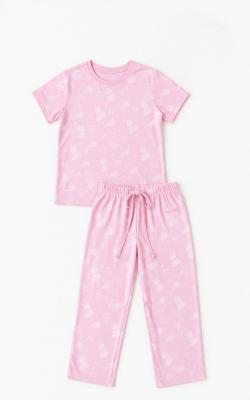
Silks, of Queen Creak, Arizona, is recalling all Silks-branded childrens loungewear sets sold as two-piece outfits (a short-sleeved shirt with matching shorts or pants). The CPSC said the products do not meet mandatory flammability standards for childrens sleepwear.
The hazard
Clothing that does not meet sleepwear flammability standards can ignite more easily or burn more rapidly, increasing the risk of severe burns. The CPSC said the recalled loungewear violates mandatory standards, posing a risk of serious injury or death. No incidents or injuries have been reported.
What to do
Consumers should stop using the recalled loungewear immediately and take it away from children. Contact Silks for a full refund or store credit; consumers are instructed to destroy the garments by cutting the top and bottom in half and emailing a photo of the destroyed items to the company before disposing of them.
Company contact
Silks via email at silkssupport@silksdesign.com, or online at silksdesign.com/pages/recall or silksdesign.com and click Recall at the top of the page.
Source
VEEKTOMX mini power banks recalled for fire risk
Shenzhen Baihang Technology is recalling VEEKTOMX Mini Power Banks sold on Amazon after reports that the lithium-ion battery can overheat and ignite.
- Specific hazard: The lithium-ion battery can overheat and ignite, creating fire and burn hazards.
- Scope/stats: About 8,000 units were sold on Amazon.com from January 2024 through September 2024; three fires with minor property damage were reported.
- Immediate action: Stop using the power bank and contact the company to verify it is included and obtain a free replacement.
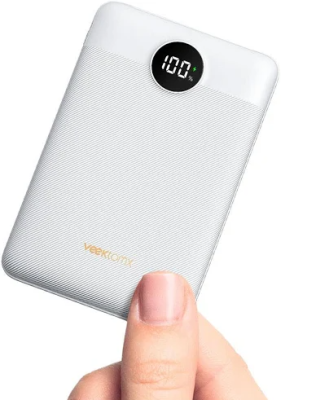
Shenzhen Baihang Technology Co., Ltd., of China, is recalling VEEKTOMX Portable Charger Mini Power Banks. The devices were sold on Amazon and are being recalled because the lithium-ion battery can overheat and ignite, the CPSC said.
The hazard
Overheating lithium-ion batteries can ignite and spread fire quickly, posing burn risks and property damage. Shenzhen Baihang reported three fires resulting in minor property damage; no injuries were reported.
What to do
Consumers should immediately stop using the recalled power banks. Contact Shenzhen Baihang to verify the device is part of the recall and to receive a free replacement power bank.
Company contact
Veektomx at recall@veektomx.com or online at veektomx.com and click on Important Recall Information.
Source
CPSC urges disposal of NBIIUYIGE hook-on chairs
The CPSC issued a warning urging consumers to stop using NBIIUYIGE childrens portable hook-on chairs because a removable crotch restraint increases the risk of a dangerous fall.
- Specific hazard: The crotch restraint can be removed, increasing the risk a child can slip and fall from the chair.
- Scope/stats: The chairs were sold on Amazon.com from March 2024 to November 2025 for about $35.
- Immediate action: Stop using the chair immediately and dispose of it; do not sell or give it away.
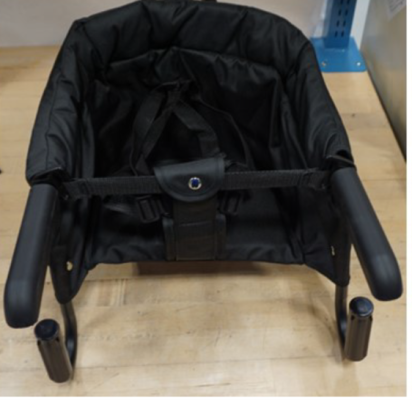
The U.S. Consumer Product Safety Commission is warning consumers to immediately stop using NBIIUYIGE childrens portable hook-on chairs used to seat young children at a dining table. The agency said the product violates the mandatory standard for portable hook-on chairs.
The hazard
The CPSC said the chairs crotch restraint can be removed, which can allow a child to slide out and fall. Falls from elevated seating can lead to serious injury or death, particularly for infants and toddlers.
What to do
The CPSC urges consumers to stop using the portable hook-on chairs immediately and dispose of them. Do not sell or give away these hazardous products. Consumers should report any incidents involving injury or product defects to the CPSC.
Company contact
Report incidents to CPSC at www.SaferProducts.gov.
Source
CPSC warns against Wolfcode infant walkers
The CPSC is urging consumers to stop using Wolfcode infant walkers because the products can fit through doorways and fail to stop at step edges, increasing fall risk.
- Specific hazard: The walker can roll through standard doorways and does not reliably stop at step edges, raising the risk of dangerous falls.
- Scope/stats: Sold on Amazon.com from July 2025 through February 2026 for about $84, with possible additional sellers and sites.
- Immediate action: Stop using the walker and dispose of it; do not sell or give it away.
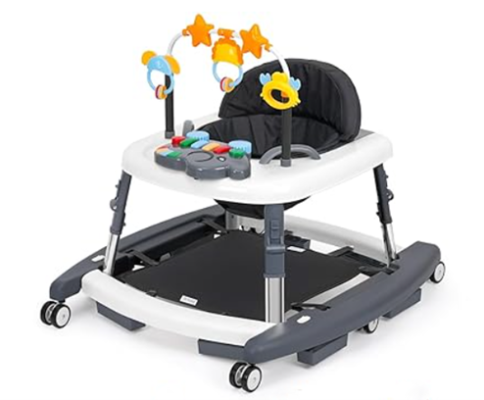
The CPSC issued a warning urging consumers to stop using Wolfcode infant walkers immediately. The agency said the walkers violate mandatory safety requirements for infant walkers.
The hazard
The CPSC said the walkers can fit through a standard doorway and fail to stop at the edge of a step, conditions that increase the risk that an infant can roll into hazardous areas or down stairs. Falls involving infant walkers can cause severe injury or death.
What to do
The CPSC urges consumers to stop using the infant walkers immediately and dispose of them. Do not sell or give away these hazardous infant walkers. If you experienced a safety incident, report it to the CPSC.
Company contact
Report incidents to CPSC on SaferProducts.gov.
Source
CPSC warns to discard LRIGYEH magnetic toys
The CPSC issued a warning urging consumers to stop using LRIGYEH Magnetic Men stick figure toy sets because small, powerful magnets can detach and be swallowed.
- Specific hazard: Detaching high-powered magnets can be swallowed and attract inside the body, causing intestinal perforations, blockage, blood poisoning, and death.
- Scope/stats: Sold online at Amazon.com from February 2024 through October 2025 for about $7, and possibly through other sellers and sites.
- Immediate action: Stop using the toy sets immediately and dispose of them; do not sell or give them away.
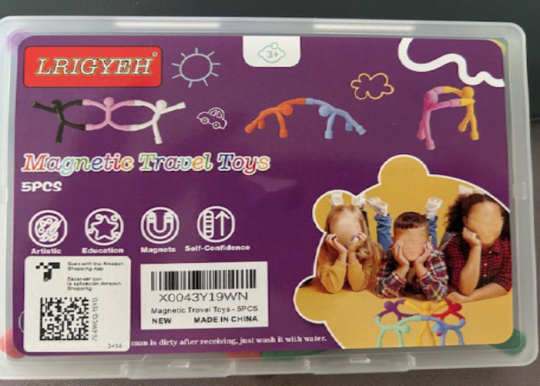
The CPSC is warning consumers to stop using LRIGYEH Magnetic Men stick figure toy sets immediately. The agency said the toys violate the mandatory standard for toys because magnets can be liberated and are stronger than permitted while also fitting within the small parts cylinder.
The hazard
If children swallow high-powered magnets, the magnets can attract each other (or other metal objects) through intestinal walls, causing perforations, twisting, and dangerous blockages. The CPSC said these outcomes can lead to blood poisoning and death, making magnet detachment a high-risk defect.
What to do
The CPSC urges consumers to stop using the magnetic toy sets immediately and dispose of them. Do not sell or give away these hazardous magnetic toys. Consumers should report any incidents involving injury or product defects to the CPSC.
Company contact
Report incidents to CPSC at www.SaferProducts.gov.
Source
Wound care gels recalled after microbial contamination found
Blaine Labs, Inc. is voluntarily recalling certain lots of Revitaderm and Tridergel wound care gels after testing found the presence of Lysinibacillus fusiformis.
- Specific hazard: Microbial contamination may increase the risk of infection, irritation, or delayed wound healing, especially in vulnerable patients.
- Scope/stats: Affected lots are BL3608, BL3435, and BL3525; products were distributed nationwide to healthcare providers and not sold at retail or online.
- Immediate action: Stop using affected lots immediately, segregate remaining inventory, and arrange returns through Blaine Labs.
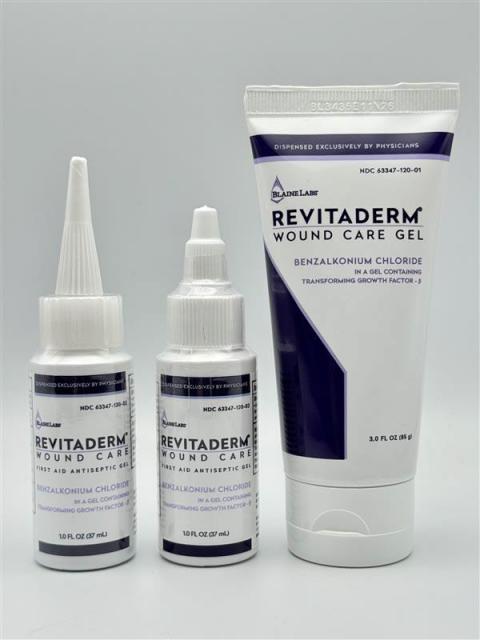
Blaine Labs, Inc. is conducting a voluntary nationwide recall of wound care gel products Revitaderm and Tridergel. The FDA said the products were found to contain Lysinibacillus fusiformis, an environmental organism that can act opportunistically, particularly when skin barriers are compromised.
The hazard
While the organism is generally considered to have low pathogenicity in healthy individuals, the FDA said it can survive adverse conditions and may contribute to infection risk in patients with open wounds, compromised skin, or weakened immune systems. Vulnerable groups such as elderly, diabetic, immunocompromised individuals, and young children may face more severe complications, including potentially life-threatening outcomes such as endocarditis or central system infection.
What to do
Customers and healthcare providers should review inventory for the affected lot numbers (BL3608, BL3435, BL3525) and discontinue use and distribution immediately. Segregate remaining product from these lots and contact Blaine Labs, Inc. to arrange for return, following the firms instructions.
Company contact
Blaine Labs, Inc. Phone: (800) 307-8818. Address: 11037 Lockport Pl, Santa Fe Springs, California, 90670. Email: Contact@blainelabs.com.
Source
DTF Sexual Chocolate recalled for hidden drug ingredients
Nalpac is voluntarily recalling DTF Sexual Chocolate because it contains undeclared sildenafil and tadalafil, which can dangerously interact with certain medications.
- Specific hazard: Undeclared sildenafil and tadalafil can interact with nitrates (such as nitroglycerin) and dangerously lower blood pressure.
- Scope/stats: The recall cites UPC 757817783069; product was sold in adult retail stores and online through shopsexology.com and royalsins.com.
- Immediate action: Stop using or selling the product and return it to the place of purchase or discard it.
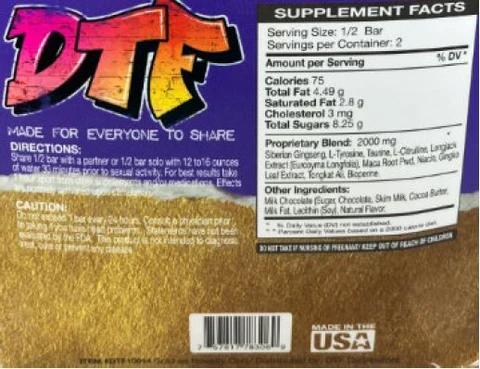
Nalpac is issuing a voluntary nationwide recall of DTF Sexual Chocolate after testing found undeclared pharmaceutical ingredients sildenafil and tadalafil. The FDA warned that undeclared drug ingredients are a serious safety concern, particularly for consumers with underlying health conditions or those taking certain prescriptions.
The hazard
The FDA said sildenafil and tadalafil may interact with nitrates found in some prescription drugs, such as nitroglycerin, and may lower blood pressure to dangerous levels for consumers who use nitrate-containing medications. Because the ingredients are undeclared, consumers may take the product without realizing the risk.
What to do
Consumers and retailers should stop using or selling the recalled product immediately. Return it to the place of purchase or discard it, and contact Nalpac with questions.
Company contact
Consumers: 248-541-1140 or sales@nalpac.com.
Source
Wawa 16-ounce drinks recalled for undeclared milk
Wawa is recalling select 16-ounce Wawa Brand beverages in five states because they may contain undeclared milk, posing a serious allergy risk.
- Specific hazard: Undeclared milk can trigger severe or life-threatening allergic reactions in sensitive individuals.
- Scope/stats: Distributed in Pennsylvania, Delaware, Maryland, New Jersey and Virginia; affected products include specific UPCs and Code Date values listed in the notice.
- Immediate action: Dispose of the products immediately and contact Wawa to request a refund in the form of a Wawa Gift Card.
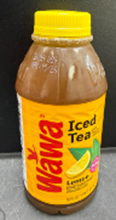
Wawa is recalling 16-ounce Wawa Brand Iced Tea Lemon, Iced Tea Diet Lemon, Diet Lemonade and Fruit Punch due to possible undeclared milk allergen, according to the FDA. The recalled products were distributed in Pennsylvania, Delaware, Maryland, New Jersey and Virginia.
The hazard
People who have allergies to milk run the risk of serious or life-threatening allergic reactions if they consume products containing undeclared milk. The recall covers products with the following UPC and code date combinations: UPC 726191018425 Code Date MAY 15, 2026; UPC 726191018548 Code Date MAY 18, 2026; UPC 726191055901 Code Date May 18, 2026; and UPC 726191018432 Code Date May 19, 2026.
What to do
Consumers who purchased the affected beverages are urged to dispose of them immediately. For questions or to request a refund in the form of a Wawa Gift Card, contact Wawas customer service through the channels provided in the notice.
Company contact
Wawa 24 hour Customer Contact Center: 1-800-444-9292 or https://www.wawa.com/iframe/contact.
Source
Karns candy cups recalled for undeclared peanuts
Karns Foods is voluntarily recalling Mini Dark Chocolate Raspberry Cups because they may contain undeclared peanuts, posing a serious allergy risk.
- Specific hazard: Undeclared peanuts can trigger severe or life-threatening allergic reactions in people with peanut allergies.
- Scope/stats: Distributed to Karns Foods locations in Pennsylvania; affected product is identified by a pack date on September 18, 2025.
- Immediate action: Return the product to the place of purchase for a full refund.
Karns Foods is issuing a voluntary recall of Mini Dark Chocolate Raspberry Cups due to undeclared peanuts, according to the FDA. The affected products were distributed to Karns Foods locations in Pennsylvania and are identified by a pack date on September 18, 2025.
The hazard
People who have allergies to peanuts face the risk of serious or life-threatening allergic reactions if they consume products containing undeclared peanut ingredients. Consumers should treat undeclared allergen recalls as urgent, especially for households where allergies are present.
What to do
Consumers who purchased packages of Mini Dark Chocolate Raspberry Cups should not consume them. Return the product to the place of purchase for a full refund and contact the company if you have questions.
Company contact
Call 717-766-6477.
Source
FSIS alert: Lotte Plaza meats may contain sesame
FSIS issued a public health alert for certain raw beef and pork products shipped to Lotte Plaza Market stores because the products may contain undeclared sesame.
- Specific hazard: Sesame, a known allergen, may be present but not listed on the label, risking allergic reactions.
- Scope/stats: Products bear establishment number EST. 1377 with SELL BY dates from DEC.11.25 through APR.16.26, shipped to stores in FL, MD, NJ and VA.
- Immediate action: Do not consume the products; throw them away or return them to the place of purchase.
The U.S. Department of Agricultures Food Safety and Inspection Service issued a public health alert for raw beef and pork products from Sky Ranch Meat LLC due to misbranding and an undeclared allergen. The products were shipped to Lotte Plaza Market retail locations in Florida, Maryland, New Jersey and Virginia.
The hazard
FSIS said the products may contain sesame, a known allergen, that is not declared on the label. For consumers with sesame allergies, exposure can trigger reactions that range from mild symptoms to severe, potentially life-threatening responses. FSIS said there have been no confirmed reports of adverse reactions tied to these products.
What to do
Consumers who purchased these products are urged not to consume them. The products should be thrown away or returned to the place of purchase, and consumers with concerns should contact the company using the information provided in the alert.
Company contact
Sang Min Lee, President, Sky Ranch Meat LLC, at 410-290-3643 ext. 9902 or a.lee@lotteplaza.com.
Source
FSIS retracts chicken nugget lead health alert
FSIS has retracted its earlier public health alert for Walmart Great Value Fully Cooked Dino Shaped Chicken Breast Nuggets after updated testing found the initial elevated lead result was a false positive.
- Specific hazard: No hazard remains; FSIS said updated laboratory results show the product does not pose a public health concern.
- Scope/stats: The retraction covers product with Best If Used By date Feb 10 2027, distributed nationwide.
- Immediate action: Consumers can follow standard food-handling practices; FSIS did not recommend additional action in the retraction notice.
FSIS announced it has retracted a public health alert involving Dorada Foods Walmart Great Value Fully Cooked Dino Shaped Chicken Breast Nuggets. The agency said an initial laboratory result indicating elevated trace levels of lead was later determined to be a false positive.
The hazard
FSIS said the product does not pose a public health concern based on updated laboratory results. The retraction applies to nuggets with the Best If Used By date Feb 10 2027 that were distributed nationwide.
What to do
FSIS did not issue a disposal or return instruction in the retraction notice. Consumers who have questions can contact the company using the information provided by FSIS.
Company contact
John Patrick Lopez, john.patrick@lopezdorada.com.
Source



 of ConsumerAffairs