Furniture, baby accessories, and exercise equipment are part of this week's recall roundup
April 24, 2026
Recall Roundup
This roundup collects the latest consumer product and safety recall notices from the CPSC and FDA, with quick guidance on what shoppers, parents, pet owners and institutions should do next.
Wiifo tower stools can collapse
About 9,700 Wiifo childrens tower stools sold on Amazon are being recalled after reports that the wooden stools can collapse or tip over and trap a child.
- The wooden tower stools can collapse or tip over, and the side openings are large enough for a childs torso to become entrapped.
- About 9,700 units were sold on Amazon.com from June 2022 through March 2026 for about $60.
- Consumers should stop using the stool immediately, destroy it as instructed and contact Wiifo for a full refund.
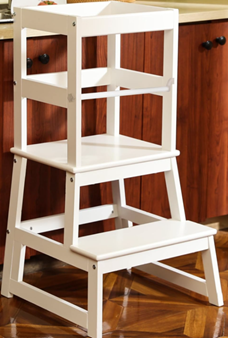
Hangzhou Xinyanchuangxin Technology Co Ltd., doing business as Wiifo, is recalling Wiifo-branded childrens tower stools because the wooden kitchen helpers can collapse or tip over during use. The stools were sold in white, natural and light wood finishes, measure about 18 inches deep by 18 inches wide by 34 inches tall, and have Model LT005 printed on a label on the underside of the standing platform.
The hazard
The stools pose multiple dangers. CPSC said the product can collapse or tip over while in use, and a childs torso can fit through the openings on the sides, creating fall and entrapment hazards that can lead to serious injury or death. The firm said it is aware of 22 incidents of stools collapsing, resulting in six injuries including contusions and scrapes.
What to do
Consumers should stop using the recalled tower stools immediately and keep them away from children. Wiifo says customers should disassemble and destroy the stool, email a photo of the destroyed product to support@wiifo.net, and then dispose of the product to receive a full refund.
Company contact
Wiifo can be reached toll-free at 888-505-6206 from 9 a.m. to 5 p.m. PT Monday through Friday, by email at support@wiifo.net, or online at www.wiifo.net/recall or www.wiifo.net by clicking Product Recalls.
Source
Baby loungers pose infant suffocation risk
HappyGira is recalling two baby lounger lines because the products violate federal infant sleep rules and create suffocation, fall and entrapment hazards.
- The loungers have overly thick sleep pads, low sides, no stand, and openings that can allow a baby to fall out or become trapped.
- About 70 loungers were sold on HappyGira.com from September 2025 through February 2026 for between $70 and $100.
- Consumers should stop using the loungers immediately, destroy them as directed and request a full refund.
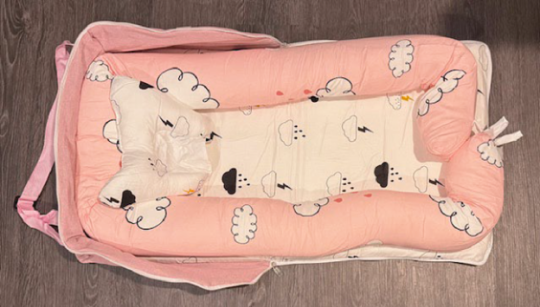
Caw Group Inc., doing business as HappyGira, is recalling Sweetie Baby- and Style Life Eleven-branded baby loungers because the products do not meet the mandatory federal standard for infant sleep products. The recalled loungers are made with a foam sleeping pad, padded bumpers and cloth cover, and were sold in multiple styles and colors through HappyGiras website.
The hazard
CPSC said the sides are shorter than the minimum required height, the products do not have a stand, and an infant can fall out of the enclosed opening at the foot of the lounger or become entrapped. The sleeping pad is also thicker than allowed, creating a suffocation hazard. Taken together, those problems create an unsafe sleep environment that poses a risk of serious injury or death. No incidents or injuries were reported.
What to do
Consumers should stop using the recalled loungers immediately. HappyGira says customers should destroy the loungers by removing the sleeping pad and bumper covers, cutting the bumpers, sleeping pad and covers in half, emailing a photo of the destroyed pieces to support@happygira.com, and then disposing of the product to receive a full refund.
Company contact
HappyGira can be reached by email at support@happygira.com or online at happygira.com/blogs/news/product-recall or happygira.com by clicking Recall at the top of the page.
Source
mGanna lye bags lack child-resistant packaging
Archie Xpress is recalling mGanna Sodium Hydroxide pellet bags sold on Amazon because the packaging is not child-resistant and can expose consumers to dangerous chemical burns.
- The bags contain sodium hydroxide, or lye, in packaging that is not child-resistant and also violates hazardous-substance labeling rules.
- About 3,240 packages were sold on Amazon.com from November 2024 through March 2026 for about $10.
- Consumers should stop using the product, secure it away from children, mark the pouch and request a full refund.
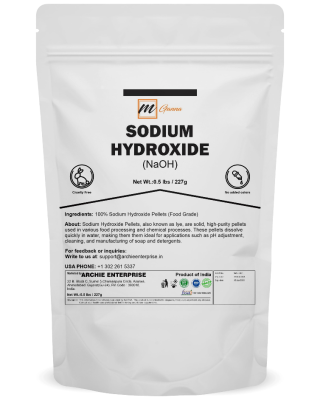
Dhanlaxmi Ashish Ganna, doing business as Archie Xpress, is recalling mGanna Sodium Hydroxide pellet bags sold online because the lye product was packaged in a way that children can access. The product came in a vacuum-sealed clear plastic bag inside a white zip-top pouch with a tear-away feature, labeled mGanna SODIUM HYDROXIDE (NaOH).
The hazard
Sodium hydroxide can cause severe chemical burns and irritation to the skin and eyes. CPSC said the packaging fails to meet the Poison Prevention Packaging Act requirement for child-resistant packaging and also violates labeling requirements under the Federal Hazardous Substances Act. No incidents or injuries were reported, but the agency warned that exposure can cause serious harm.
What to do
Consumers should stop using the recalled sodium hydroxide immediately and secure it out of sight and reach of children. Archie Xpress says buyers should write RECALLED on the back of the zip-top pouch, email a photo of the marked pouch to support@archieenterprise.in, and then dispose of the pellets in accordance with local and state regulations to receive a full refund.
Company contact
Archie Xpress can be reached at 302-261-5337 from 9 a.m. to 5 p.m. ET Monday through Friday, by email at support@archieenterprise.in, or through www.archieenterprise.in by clicking Recall.
Source
Autobrush toothbrush boxes expose battery hazard
Autobrush is recalling packaging boxes for Sonic Pro Kids toothbrushes because the boxes contain an accessible lithium coin battery that children can reach.
- The delivery box has a speaker with a coin cell battery on the underside of the tray, creating a battery-ingestion hazard.
- About 48,000 boxes were sold through TryAutobrush.com from March 2023 through December 2025 for between $85 and $90 with the toothbrushes.
- Consumers should stop using the boxes, keep them away from children, mark them as recalled and seek the offered store credit.
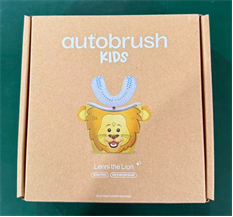
Lander Enterprises LLC, doing business as Autobrush, is recalling the Sonic Pro Kids toothbrush delivery boxes used to ship certain childrens electric toothbrushes. The recall does not center on the brush itself, but on the white tray inside the cardboard box, which contains a speaker with a lithium coin battery on the underside.
The hazard
CPSC said the boxes violate the mandatory federal standard for consumer products containing button cell and coin batteries because children can easily access the battery. The packaging also lacks the required warnings under Reeses Law. If swallowed, a button cell or coin battery can cause internal chemical burns, serious injury and death. No incidents or injuries were reported.
What to do
Consumers should stop using the recalled boxes immediately and take them away from children. Autobrush says customers should write Recalled on the box with permanent marker, email a photo of the marked box to recall-support@autobrush.com, and then dispose of the box to receive a $5 refund in the form of store credit.
Company contact
Autobrush can be reached toll-free at 844-656-3217 from 10 a.m. to 4 p.m. ET Monday through Friday, by email at recall-support@autobrush.com, or online at tryautobrush.com/pages/recall or www.tryautobrush.com by clicking Recall at the bottom of the page.
Source
Lil Pick Up youth ATVs linked to death
Lil Pick Up is recalling youth ATVs after CPSC said the vehicles fail multiple federal safety requirements and one child died in a crash involving a recalled model.
- The ATVs can exceed allowed speeds for youth riders, have noncompliant suspension, can suffer a stuck throttle, and have footwells that can get hot enough to burn riders.
- About 4,900 Rex110 and Sierra110 youth ATVs were sold online and in stores through multiple powersports retailers.
- Consumers should stop using the ATVs immediately and contact Lil Pick Up to arrange a free pickup and a full refund.
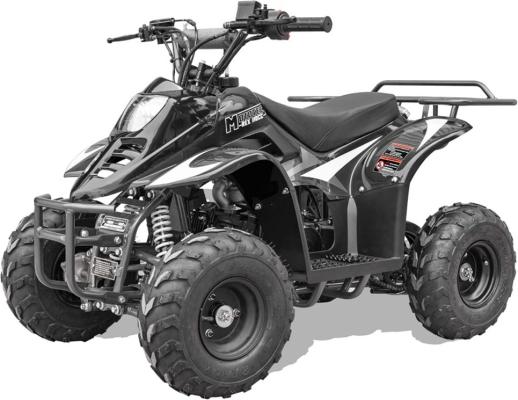
Lil Pick Up Inc. is recalling Rex110 and Sierra110 youth all-terrain vehicles because CPSC said the machines do not comply with the federal mandatory ATV safety standard. The youth ATVs were sold online and in stores by Cougar Cycle, Texas Star DBA Flying Scooter, Vitacci Motorcycles, ODES USA, BV Powersports, Tool Store Go-Kart Shop, Offroad Mall, Triple J Imports and other retailers.
The hazard
According to CPSC, the ATVs fail to meet maximum speed limitations for vehicles intended for children ages 6 and older, the mechanical suspension does not comply with safety rules, and the throttle may get stuck during use, creating a crash hazard. The footwell surfaces can also reach high temperatures, posing a severe burn hazard. CPSC said it has received one report of a death involving a Rex110 ATV: a 6-year-old boy died in 2025 after a crash while riding with a passenger.
What to do
Consumers should stop using the recalled ATVs immediately. Lil Pick Up says owners should go to www.lilpickup.us to register for the recall and receive instructions for returning the ATV, including free pickup and transportation, in order to obtain a full refund.
Company contact
Lil Pick Up can be reached collect at 951-245-5663 from 8 a.m. to 5 p.m. CT Monday through Friday, by email at contact@lilpickup.us, or online at www.lilpickup.us/recall-detail.html or www.lilpickup.us by clicking Recall.
Source
TOETOL HOME tower stools can tip over
TOETOL HOME is recalling childrens tower stools sold on Amazon because the kitchen step stools can collapse, tip over and trap a child.
- The stools can collapse or tip over, and the side openings are large enough for a childs torso to fit through.
- About 3,000 units were sold on Amazon.com from October 2024 through March 2026 for about $130.
- Consumers should stop using the stool immediately, destroy it as directed and request a full refund.
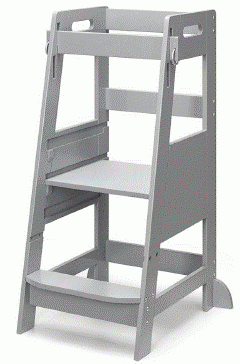
Dali Fortune Trade CO., doing business as TOETOL HOME, is recalling TOETOL HOME-branded childrens tower stools, model DETD0001. The wooden kitchen tower step stools were sold in white, gray and dark wood colors, measured about 20 inches deep by 15 inches wide by 36 inches tall, and carried the model number on a label on the side.
The hazard
CPSC said the stools can collapse or tip over during use, and a childs torso can fit through the side openings, creating serious fall and entrapment hazards. The firm said it has received 18 reports of stools collapsing, resulting in 11 injuries including contusions, cuts and scrapes.
What to do
Consumers should immediately stop using the recalled tower stools and keep children away from them. TOETOL HOME says customers should disassemble and destroy the stool, email a photo of the destroyed product to TOETOLHOMEStepStoolsrecall@outlook.com, and then dispose of it to receive a full refund.
Company contact
TOETOL HOME can be reached by email at TOETOLHOMEStepStoolsrecall@outlook.com.
Source
FitRx adjustable dumbbells can shed plates
Tzumi Electronics is recalling FitRx SmartBell adjustable dumbbells after more than 115 reports that weight plates came loose during use.
- Weight plates can dislodge from the handle during use, creating a serious impact hazard.
- About 50,000 dumbbells were sold at Walmart stores and Walmart.com from January through November 2024 for about $100.
- Consumers should stop using the dumbbell immediately, mark the tray as recalled and register for a free replacement.
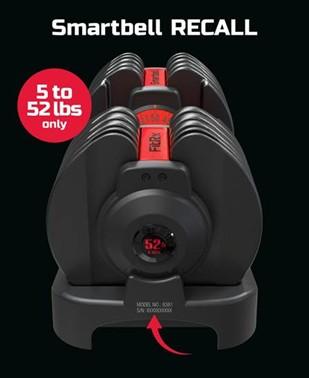
Tzumi Electronics Inc. is recalling FitRx SmartBell Quick-Select Adjustable Dumbbells 5-52.5lbs, model 8361, with certain serial numbers because plates can come off while the product is being used. The black dumbbells with red accents include handles, weight plates and a molded plastic storage tray, and the model and serial numbers are printed on the side of the tray.
The hazard
The recalled dumbbells can shed weight plates from the handle, which can strike the user or someone nearby. CPSC said there have been more than 115 reports of plates dislodging during use, with at least six injuries including broken toes, bruises, contusions and lacerations.
What to do
Consumers should immediately stop using the adjustable dumbbell. Tzumi says customers should write the word Recalled across the dumbbell tray using permanent spray paint or marker, register at https://myfitrx.com/recall-52-lbs/, and dispose of the product after the registration is confirmed in order to receive a free replacement dumbbell and tray.
Company contact
Tzumi Electronics can be reached toll-free at 866-363-2237 from 9 a.m. to 5 p.m. ET Monday through Friday, by email at smartbellrecall@tzumi.com, or online at https://myfitrx.com/recall-52-lbs/ or https://fitrxrecovery.com/ by clicking Recalls at the bottom of the page.
Source
Farm playsets pose choking danger
MISSJUNE is recalling KMUYSL Big Red Barn Farm Animal Playsets because detachable fence handles create a deadly choking hazard for young children.
- The fence handles can detach from the toy, leaving small parts that violate the federal ban for products intended for children under 3.
- About 3,000 playsets were sold on Amazon.com from July 2023 through June 2025 for about $20.
- Consumers should stop using the toy immediately, remove and throw away the fence handles, and contact MISSJUNE for a full refund.
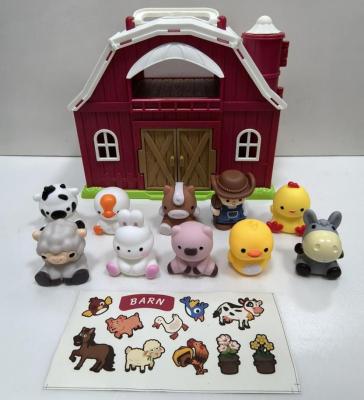
Shenzhen Leye E-commerce Co., Ltd., doing business as MISSJUNE, is recalling KMUYSL Big Red Barn Farm Animal Playsets sold on Amazon. The toy set includes a red barn, a farmer figure and nine animal figures, and the packaging bears model number SY-MZ7S-TVMV on the back label.
The hazard
CPSC said the toy violates the small parts ban because it is intended for children younger than 3 and its fence handles can detach, creating a choking hazard that can be deadly. No incidents or injuries were reported.
What to do
Consumers should stop using the recalled toy immediately and take it away from children. MISSJUNE says customers should remove and properly dispose of the fence handles in the trash, email a photo of the disposed product to kmuyslfarmanimalrecall@gmail.com, and then seek a full refund.
Company contact
MISSJUNE can be reached by email at kmuyslfarmanimalrecall@gmail.com.
Source
AMZCMJ DGD tower stools can collapse
AMZCMJ DGD is recalling a foldable childrens tower stool sold on Amazon after reports of falls and entrapment injuries.
- The stool can collapse or tip over, and a childs torso can fit through side openings, creating fall and entrapment hazards.
- About 130 units were sold on Amazon.com from February 2025 through March 2026 for between $85 and $100.
- Consumers should stop using the stool immediately, destroy it as directed and contact the seller for a full refund.
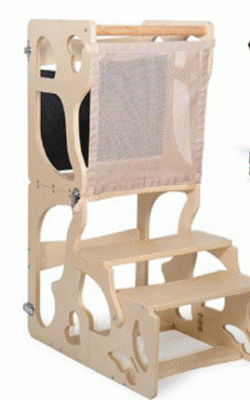
SiPaiSaiErDianZiShangWu (ShenZhen)YouXianGongSi, doing business as AMZCMJ DGD, is recalling AMZCMJ DGD-branded childrens tower stools. The wooden kitchen stools are foldable, convert into a table and chair, include a blackboard, and measure about 15 inches deep by 22 inches wide by 34 inches tall.
The hazard
CPSC said the product can collapse or tip over while in use, and a childs torso can fit through the openings on the sides, creating a risk of serious injury or death from falls and entrapment. The firm said it is aware of seven incidents of children falling from the stool or becoming entrapped, resulting in four injuries including contusions, splinters and scrapes.
What to do
Consumers should stop using the recalled stool immediately. AMZCMJ DGD says customers should write recalled in permanent marker on all sides, disassemble the stool, email a photo of the destroyed product to dgdtoddlertowerrecall@dchskj.cn, and then dispose of it to receive a full refund.
Company contact
AMZCMJ DGD can be reached by email at dgdtoddlertowerrecall@dchskj.cn.
Source
Magnetic stick figures pose ingestion danger
BlissfulDestiny is recalling magnetic stick figure toy sets sold on Walmart.com because the figures contain loose magnets that children can swallow.
- The toy set contains small, loose magnets that violate the mandatory federal toy standard and can cause life-threatening internal injuries if ingested.
- About 140 sets were sold on Walmart.com from May 2025 to October 2025 for about $13.
- Consumers should take the toy away from children immediately, dispose of it and contact BlissfulDestiny for refund instructions.
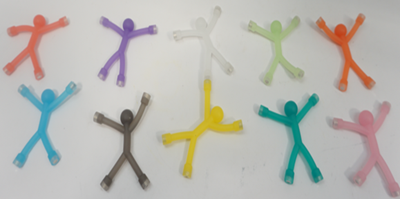
Yiwu Shijie E-Commerce Co., Ltd., doing business as BlissfulDestiny, is recalling BlissfulDestiny Magnetic Stick Figure Sets sold on Walmart.com. The set includes 10 flexible stick figures in multiple colors, with four small magnets embedded in each figures hands and feet, and comes in clear plastic packaging.
The hazard
CPSC said the magnetic stick figures violate the mandatory standard for toys because they contain loose magnets that can be swallowed by children. When high-powered magnets are ingested, they can attract each other inside the body or to other metal objects, leading to perforations, twisting or blockage of the intestines, blood poisoning and death. No incidents or injuries were reported.
What to do
Consumers should stop using the recalled magnetic stick figures immediately and take them away from children. BlissfulDestiny says buyers should throw away the recalled product and email a photo of the disposed toy to Blissful_Destiny@outlook.com to receive information on obtaining a full refund.
Company contact
BlissfulDestiny can be reached by email at Blissful_Destiny@outlook.com.
Source
CPSC warns on magnetic chess games
CPSC is warning consumers to stop using magnetic chess games sold by Kaiwenshangpin because the products contain small, high-powered magnets that can be fatal if swallowed.
- The games contain loose, separable magnets that are stronger than allowed and small enough to be swallowed by children.
- The products were sold on Amazon.com from August 2025 through November 2025 for about $13.
- Consumers should stop using the games immediately, dispose of them, and never resell or give them away.
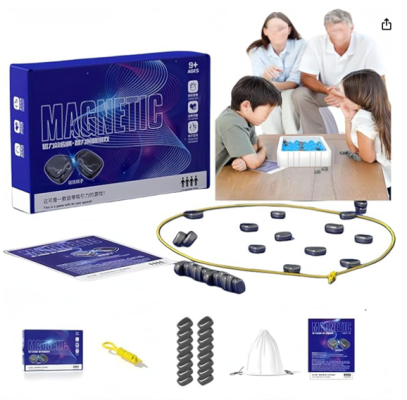
CPSC is warning consumers to stop using Magnetic Chess Games sold by Kaiwenshangpin because the product violates the mandatory federal toy standard for magnets. The game is sold in a blue box marked Magnetic, Magnetic Chess Piece and Intelligence Strategy Game, and includes 20 loose magnets, a yellow string, instructions and a plastic storage bag.
The hazard
The agency said the magnets are small, loose and separable, with magnetic flux stronger than permitted. If swallowed, high-powered magnets can attract each other inside the digestive system or to other metal objects, causing perforations, twisting, blockages, blood poisoning and death. CPSC issued a warning rather than a company-run recall notice.
What to do
Consumers should stop using the magnetic chess games immediately and dispose of them. CPSC also says consumers should not sell or give away the hazardous products.
Company contact
CPSC asks consumers to report any incidents involving injury or product defects at www.SaferProducts.gov.
Source
CPSC warns on Bauhini step stools
CPSC is warning families to stop using Bauhini SDADI kitchen step stools because the toddler towers can become unstable and cause serious injuries.
- The wooden step stools are unstable and pose entrapment, tip-over and fall hazards.
- The stools were sold on Amazon.com, Walmart.com, Target.com and Best Buy.com for between $45 and $155.
- Consumers should stop using the stools immediately, disassemble and destroy them, and do not resell or donate them.
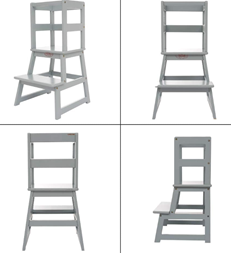
CPSC issued a warning about Bauhini SDADI Kitchen Step Stools, wooden standing towers for kids that measure about 35 inches high, 18 inches wide and 18 inches deep. The stools were sold in gray, white and natural wood colors through several major online retailers.
The hazard
The agency said the step stools are unstable and can create entrapment, tip-over and fall hazards, posing a risk of serious injury. The notice is a CPSC warning, meaning consumers should treat the products as hazardous even without a listed company remedy.
What to do
Consumers should immediately stop using the toddler step stools and destroy them by disassembling them before disposal. CPSC also says consumers should not sell or give away the hazardous stools.
Company contact
CPSC asks consumers to report any incidents involving injury or product defects at www.SaferProducts.gov.
Source
CPSC warns on YCXXKJ bath seats
CPSC is warning consumers to stop using YCXXKJ baby bath seats because the seats can tip over and create a drowning hazard.
- The bath seats are unstable and violate the mandatory safety standard for infant bath seats.
- The seats were sold on Amazon.com from May 2024 through October 2025 for about $36 and may also have been sold by third-party sellers elsewhere.
- Consumers should stop using the bath seats immediately, dispose of them, and do not resell or give them away.
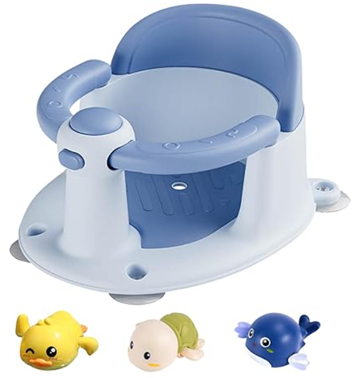
CPSC is warning consumers about YCXXKJ Baby Bath Seats, sold in blue, gray, pink and yellow and marked Model: YD-1958 on a tracking label on the back. The seats have two detachable arms that act as a restraint, four suction cups on the bottom and three toys: a duck, a turtle and a whale.
The hazard
The agency said the infant bath seats violate the mandatory federal safety standard because they are unstable and can tip over while in use. That creates a risk of serious injury or death from drowning, one of the most serious hazards involving infant bath products.
What to do
Consumers should stop using the infant bath seats immediately and dispose of them. CPSC says consumers should not sell or give away these hazardous bath seats.
Company contact
CPSC asks consumers to report any incidents involving injury or product defects at www.SaferProducts.gov.
Source
Trail mix recalled over wheat and soy
Ferris Coffee & Nut Co. is alerting shoppers that one lot of Frederiks by Meijer Vanilla Bourbon Trail Mix may contain undeclared wheat and soy.
- The trail mix may expose people with wheat or soy allergies to a serious or life-threatening allergic reaction.
- Affected product is lot #6069-1 distributed at Meijer stores in Michigan, Indiana, Ohio, Illinois, Wisconsin and Kentucky.
- Consumers should not eat the product and should throw it away or return it to the place of purchase for a full refund.
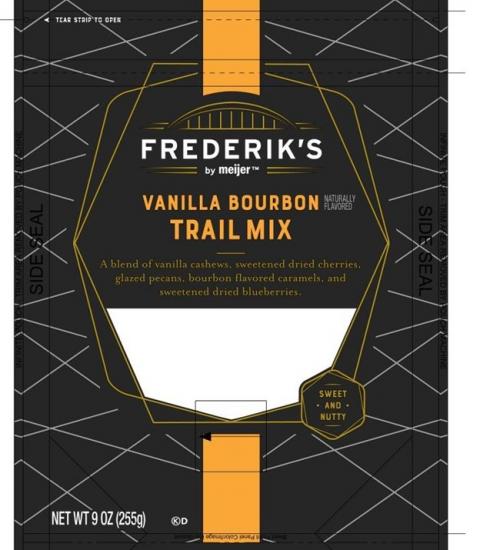
Ferris Coffee & Nut Co. issued an allergy alert for Frederiks by Meijer Vanilla Bourbon Trail Mix because the product may contain undeclared wheat and soy. The affected product was distributed in Meijer retail stores in six Midwest states, and consumers should check packages for lot #6069-1.
The hazard
For consumers with an allergy or severe sensitivity to wheat or soy, eating the trail mix could trigger a serious or life-threatening allergic reaction. The FDA notice focused on the undeclared allergens and the risk to sensitive consumers.
What to do
Consumers who purchased the affected trail mix should not eat it. The company said shoppers should either throw the product away or return it to the place of purchase for a full refund.
Company contact
Consumers with questions can contact Ferris Coffee & Nut Co. at 1-877-363-4537.
Source
Angio packs recalled over disconnection risk
Aligned Medical Solutions is recalling certain angio packs nationwide because a rotating adapter on a control syringe can unwind during use and disconnect.
- The syringe rotating adapter can unwind, causing a loose connection or full disconnection between syringes and the manifold.
- The recall covers AMS6908E lot 214875 and AMS6908F lots 215436, 225001, 226706 and 234088 distributed nationwide from Oct. 28, 2024, through Nov. 28, 2025.
- Customers and institutions should quarantine affected kits immediately and contact the company for instructions on replacement and labeling.
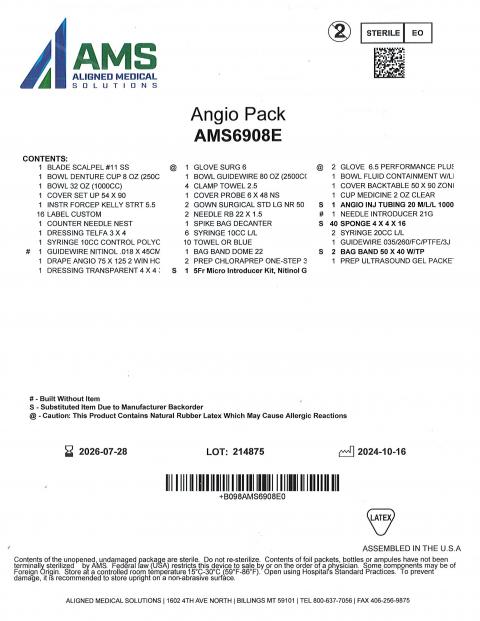
Windstone Medical Packaging, doing business as Aligned Medical Solutions, issued a nationwide recall for Namic Angiographic Rotating Adapter 10CC Control Syringes placed into Aligned Medical Angio Pack kits AMS6908E and AMS6908F. The affected kits were distributed nationwide to customers and institutions.
The hazard
According to the recall notice, the rotating adapter may unwind during use, which can cause a loose connection or complete disconnection between the syringes and the manifold. That failure can lead to biohazard exposure, blood loss, infection or air embolism, making the issue especially serious in clinical settings.
What to do
Customers and healthcare institutions should immediately review inventory and quarantine all affected kits. The company said customers should contact its Quality Department for instructions on labeling and replacement product, and that if a kit is opened for use, any MEDLINE 10cc Syringe should be removed and destroyed.
Company contact
Aligned Medical Solutions can be reached at 1-800-360-9428 or by email at fieldcorrectiveaction@alignedmedicalsolutions.com.
Source
Canine milk replacers recalled for vitamin D
Revival Animal Health is recalling two canine milk replacers because some products may contain elevated levels of vitamin D that can sicken dogs.
- Dogs that ingest too much vitamin D can develop vomiting, loss of appetite, increased thirst and urination, drooling, weight loss and possible kidney problems.
- The recalled products were sold nationwide online and in retail pet stores under several listed UPCs.
- Pet owners should stop using the products immediately and contact the company to return them for a full refund.
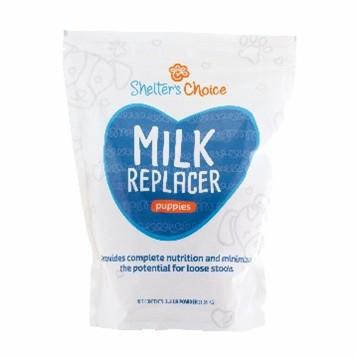
Revival Animal Health, LLC is voluntarily recalling Breeders Edge Foster Care Canine and Shelters Choice Canine Milk Replacers because testing found variable, elevated levels of vitamin D. The products were sold nationwide through online sellers and retail pet stores.
The hazard
Excess vitamin D can be dangerous to dogs. The FDA notice said dogs ingesting elevated levels may show vomiting, loss of appetite, increased thirst, increased urination, excessive drooling and weight loss, and at very high levels vitamin D can cause serious health problems including renal dysfunction.
What to do
Consumers who purchased the affected milk replacers should discontinue use immediately. Revival Animal Health said customers should contact the company to arrange a return and receive a full refund.
Company contact
Consumers can contact Revival Animal Health at 1-877-870-4059.
Source



 of ConsumerAffairs















