Batteries, water bottles, clothes, and more are part of this week's recall roundup
May 8, 2026
Recall Roundup
This roundup covers recent consumer product recalls, safety warnings, food recalls and public health alerts from CPSC, FDA and FSIS.
EEMB coin battery pouches lack child resistance
EEMB USA is recalling more than 312,000 lithium coin batteries because the individual pouches are not child-resistant as required by federal law.
- The hazard is battery ingestion, which can cause internal chemical burns, serious injury and death if a child swallows a button cell or coin battery.
- About 312,100 battery packs were sold on Amazon.com from August 2023 through April 2026 for between $3 and $9.
- Consumers should stop using the batteries immediately, store them where children cannot reach them and contact EEMB USA for a full refund.
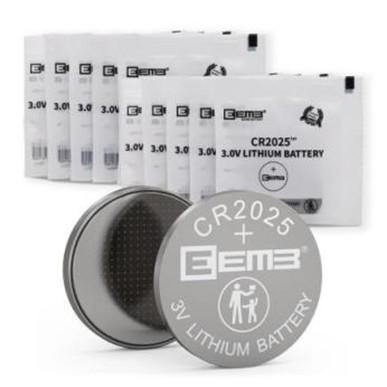
EEMB USA, doing business as A2batt, Inc., is recalling EEMB lithium coin batteries sold in white pouches because the packaging does not meet child-resistant standards under Reeses Law. The recall covers models including CR2025, CR2032, CR2450, CR2477, CR2016, CR1220, CR1225, CR1616, CR1620, CR1632 and CR2025-10 sold in five-, 10- and 20-packs. EEMB and the battery type are printed on the battery, and EEMB appears in the upper left corner of the pouch.
The hazard
CPSC said the problem is not with the battery chemistry itself but with packaging that children can open too easily. If a child swallows one of these lithium coin batteries, the battery can lodge in the body and cause severe internal burns in a short time. No incidents or injuries had been reported as of the recall notice.
What to do
Consumers should stop using the recalled lithium batteries right away and move them to a secure location that children cannot access. EEMB USA is offering a full refund.
Company contact
Consumers can contact EEMB USA by email at info@a2batt.com, online at www.eemb.com/recall, or at www.eemb.com and click Recall at the top of the page.
Source
Analemma bottles can shatter inside
All Analemma-branded water bottles are being recalled because the inner glass liner can break and create laceration and ingestion hazards.
- The hazard is a breaking inner glass liner that can cause cuts or lead to glass ingestion.
- About 800 bottles were sold at Analemma-water.com from November 2025 through February 2026 for about $250, with 20 breakage reports and one oral injury.
- Consumers should stop using the bottles immediately and contact the company for a full refund or a free repair.
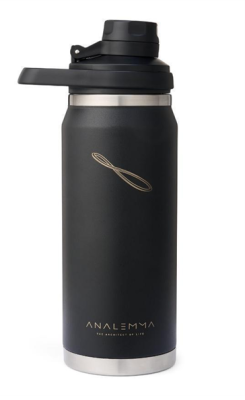
New Earth Technologies d.o.o., doing business as Analemma, is recalling all Analemma water bottles because the products inner glass liner can fail. The stainless-steel bottles were sold in black or white, have a screw-on top and glass inner liner, and are marked on the front with the Analemma logo, 24 oz and Analemma The Architect of Life.
The hazard
The glass liner can break during use, creating sharp fragments and raising the risk that a consumer could swallow glass. The company reported 20 incidents involving the liner breaking, including one report of an oral injury.
What to do
Consumers should stop using the recalled bottles immediately. The firm is offering either a full refund or a free repair, including shipping; the repair consists of a stainless-steel mesh insert and instructions on how to place it inside the bottle.
Company contact
Consumers can contact New Earth Technologies toll-free at 844-841-2711, by email at info@analemma-water.com, online at www.analemma-water.com/pages/recall, or at www.analemma-water.com and click Support and then Recall Information.
Source
Youth Bobcat sweatshirts pose strangulation risk
Allura Imports is recalling youth sweatshirts with a Bobcat logo because the drawstrings can catch on objects and strangle children.
- The hazard is strangulation from drawstrings on childrens upper outerwear, which violates federal safety regulations.
- About 120 sweatshirts were sold at Gabes stores from October 2025 through November 2025 for about $15.
- Consumers should take the sweatshirts away from children, remove the drawstrings and contact Allura Imports for a full refund.
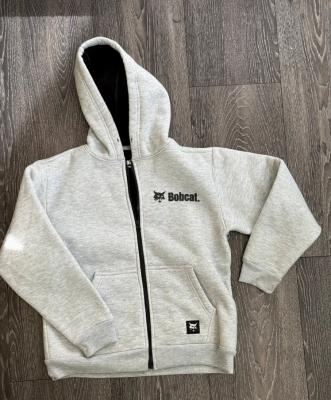
Allura Imports Inc. is recalling gray youth sweatshirts with the Bobcat name and logo printed in black on the chest because the garments have prohibited drawstrings. The sweatshirts were sold in youth sizes 8/10 and 12/14, and the neck label includes the size and RN#36753 in black.
The hazard
Federal regulations prohibit drawstrings in childrens upper outerwear because they can snag on playground equipment, vehicle doors or other objects. That can lead to a child being caught or strangled. No incidents or injuries had been reported.
What to do
Consumers should immediately take the recalled sweatshirts away from children and remove the drawstrings to eliminate the hazard. For a refund, consumers should email cs@alluraimports.com with the subject line RECALL, include their name and the date, and use the shipping label the company provides to return the garment.
Company contact
Consumers can contact Allura Imports toll-free at 800-808-5789 from 9 a.m. to 5 p.m. ET Monday through Friday, by email at cs@alluraimports.com, online at www.alluraimports.com/recall-information, or at www.alluraimports.com and click Recall Information at the bottom of the homepage.
Source
Light-up toys expose button batteries
ZMC Group is recalling multiple battery-operated light-up toys because children can easily access the button cell batteries inside.
- The hazard is button cell battery ingestion, which can cause internal chemical burns, serious injury and death.
- About 124,560 toys were sold at discount stores nationwide from May 2023 through April 2026 for about $1.
- Consumers should stop using the toys, keep them away from children and contact ZMC Group for a full refund.
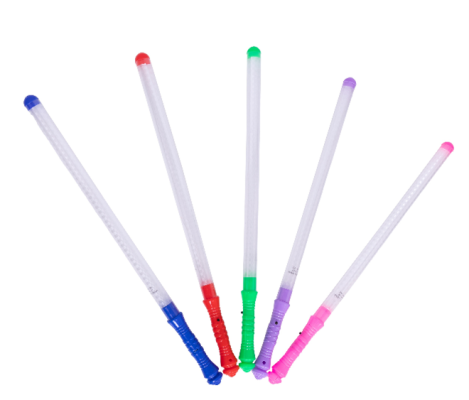
ZMC Group, Inc. is recalling various battery-operated light-up toys sold at discount stores because the toys do not meet the mandatory safety standard for childrens toys. CPSC said the toys contain button cell batteries that can be accessed too easily by children.
The hazard
Accessible button cell or coin batteries are especially dangerous because a child can swallow one without much warning. Once ingested, the battery can cause severe internal burns and may be fatal. No incidents or injuries had been reported.
What to do
Consumers should stop using the recalled toys immediately and take them away from children. To obtain a refund, consumers will be asked to remove the batteries, break each component in half or write RECALLED or a large X on the product with a permanent marker, and email a photo of the destroyed or marked toy pieces to recallzmctoy@gmail.com.
Company contact
Consumers can contact ZMC Group toll-free at 888-407-3225 from 9:30 a.m. to 5:30 p.m. PT Monday through Friday, by email at recallzmctoy@gmail.com, or at www.zmcgroupinc.com and click Recall at the top of the page.
Source
Svnntaa bed rails pose entrapment risk
Adult portable bed rails sold on Amazon under the Svnntaa brand are being recalled because they can trap users and create a risk of asphyxiation.
- The hazards include entrapment, asphyxiation, falls and lacerations because the rails fail mandatory safety requirements.
- About 4,200 bed rails were sold on Amazon.com from August 2023 through January 2026 for about $32.
- Consumers should stop using the bed rails immediately, destroy key parts and email proof to obtain a full refund.
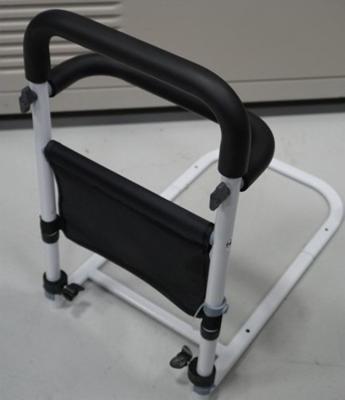
Shenzhen Kaiwendi Trading Co., Ltd., doing business as Eokeanon, is recalling Svnntaa-branded adult portable bed rails sold on Amazon. The recalled rails have white metal tubing, black foam handle grips and a fabric pouch, and measure about 21.2 inches tall by 11.8 inches wide by 20.5 inches long.
The hazard
CPSC said users can become entrapped within the rail or between the rail and the side of the mattress, creating a serious asphyxiation risk. The rails also fail structural stability and retention strap requirements, creating a fall hazard, and the push pins and push pin holes are incorrectly sized, creating a laceration hazard. No incidents or injuries had been reported.
What to do
Consumers should stop using the bed rails immediately and contact Eokeanon for a full refund. The company asks consumers to dismantle and destroy the rail by cutting off the black fabric mesh bag, cutting the black safety strap in half, writing Recalled on the main frame in permanent marker, and emailing a photo of the destroyed bed rail to Kaiwendi316@outlook.com before disposing of it in accordance with local rules.
Company contact
Consumers can contact Eokeanon by email at Kaiwendi316@outlook.com.
Source
EVLWZL mattresses fail flammability rules
EVLWZL and Gunugu mattresses sold online are being recalled because they do not meet mandatory federal flammability standards.
- The hazard is fire because the mattresses violate the flammability standard for mattresses.
- About 670 mattresses were sold on Amazon.com, Walmart.com and Wayfair.com from October 2025 through March 2026 for between $100 and $260.
- Consumers should stop using the mattresses immediately and contact EVLWZL for a free fitted cover repair.
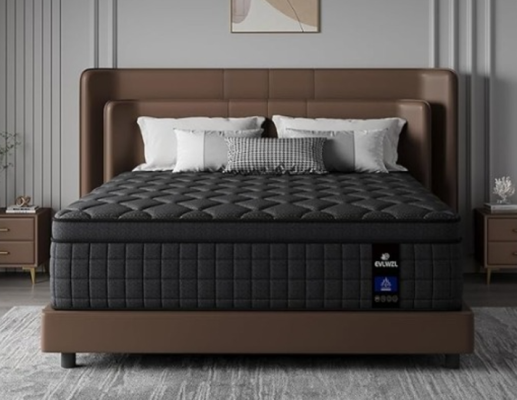
Foshan Kangzhibao Furniture Co., Ltd., doing business as EVLWZL, and Foshan Simengduo Home Furnishings Co., Ltd., doing business as Gunugu, are recalling 10- and 12-inch mattresses sold in twin, full, queen and king sizes. The recalled mattresses have black tops and sides, were shipped compressed in a box, and carry a white label with the fiber content, size and WG/P Foundation.
The hazard
The mattresses do not comply with the mandatory flammability standard, which means they pose a higher fire risk than compliant mattresses. No incidents or injuries had been reported.
What to do
Consumers should stop using the recalled mattress immediately and contact EVLWZL for a repair. The remedy is a free fitted cover that consumers can place over the mattress to bring it into compliance with federal flammability requirements.
Company contact
Consumers can contact the firm by email at EVLWZLMattressrecall@outlook.com.
Source
Favoto youth helmets fail safety standards
Favoto is recalling youth-size H-1 bike helmets because they do not comply with key federal bicycle helmet requirements.
- The hazard is head injury because the helmets can fail to protect riders in a crash.
- About 2,200 helmets were sold on Amazon.com from April 2022 through January 2026 for between $20 and $27.
- Consumers should stop using the helmets immediately, destroy them as directed and contact Favoto for a full refund.
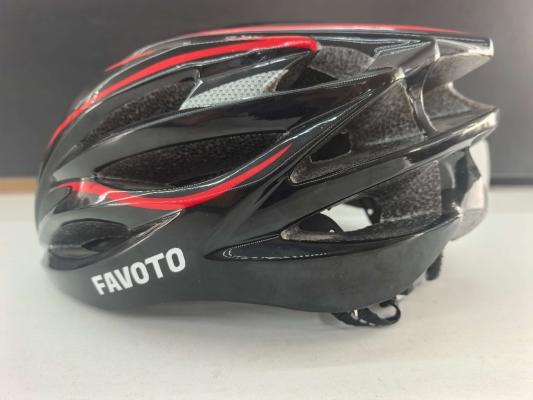
Shenzhen Favoto Co., Ltd., doing business as Favoto, is recalling Model H-1 bicycle helmets sold in youth size large. The recalled helmets are black with red stripes, have black padding and black straps with a silver reflective pattern, and include a black plastic adjustment knob at the back.
The hazard
CPSC said the helmets do not meet positional stability, labeling and certification requirements under the federal bicycle helmet standard. That means the helmet can shift or otherwise fail to provide the level of protection riders expect during a crash. No incidents or injuries had been reported.
What to do
Consumers should stop using the helmets immediately and contact Favoto for a full refund. The company asks consumers to destroy the helmet by cutting the straps, write Recalled on it, and email a photo of the destroyed helmet to safety@favoto.com.
Company contact
Consumers can contact Favoto by email at safety@favoto.com or online at www.favoto.com/pages/recall and click Recall at the top of the page.
Source
Rublev solvent bottles lack child-resistant caps
Natural Pigments is recalling bottles of Rublev Colours Gum Turpentine and Mineral Spirits because the packaging is not child-resistant.
- The hazard is poisoning if young children swallow the turpentine or mineral spirits from the noncompliant bottles.
- About 860 bottles were sold at Blick Art Materials, Art Supply Warehouse and Soho Art Materials stores nationwide and online from about August 2022 through March 2026 for between $11 and $16.
- Consumers should immediately secure the bottles away from children and contact Natural Pigments for a replacement or refund.
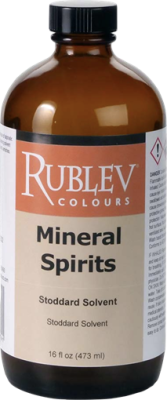
Natural Pigments LLC is recalling amber glass bottles of Rublev Colours Gum Turpentine and Mineral Spirits because the containers do not have child-resistant packaging. The recalled bottles have beige, orange and white labels with Rublev Colours in white lettering and product names including Distilled Spirits of Gum Turpentine, Gum Turpentine, Mineral Spirits or Stoddard Solvent.
The hazard
Under the Poison Prevention Packaging Act, turpentine and low-viscosity hydrocarbons such as mineral spirits must be sold in child-resistant packaging. CPSC said these bottles are not child-resistant, creating a risk of serious poisoning if a young child gains access and swallows the contents. No incidents or injuries had been reported.
What to do
Consumers should immediately move the recalled bottles out of the sight and reach of children. Natural Pigments is offering either a replacement product with child-resistant packaging or a refund; consumers will be asked to submit a photo of the recalled bottle, provide contact information and confirm disposal of the contents.
Company contact
Consumers can contact Natural Pigments toll-free at 888-361-5900 from 9 a.m. to 4 p.m. PT Monday through Friday, by email at service@naturalpigments.com, online at https://www.naturalpigments.com/recall/, or at https://www.naturalpigments.com and click on RECALL.
Source
Temu helmets can fail in crashes
Foubeaka and Geniuss multi-purpose helmets sold on Temu are being recalled because they do not meet mandatory bicycle helmet safety requirements.
- The hazard is head injury because the helmets can fail to protect users in a crash.
- About 740 helmets were sold on Temu.com from August 2024 through February 2026 for between $9 and $11.
- Consumers should stop using the helmets immediately, cut the straps and send a photo to request a full refund.
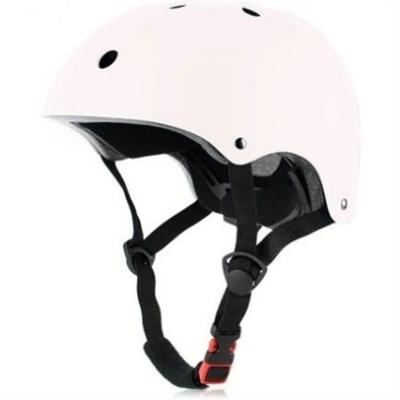
Shenzhen Lingkexun Technology Co., Ltd., doing business as Foubeaka and Geniuss, is recalling small-size multi-purpose helmets sold in white and black. The helmets have black padding, black straps, a buckle and an adjustment knob at the back, and the size appears on a label inside the helmet.
The hazard
CPSC said the helmets do not comply with positional stability and certification requirements for bicycle helmets. If a helmet shifts out of place or otherwise fails during a crash, the rider can suffer serious head injuries. No incidents or injuries had been reported.
What to do
Consumers should stop using the recalled helmets immediately and contact Foubeaka or Geniuss for a full refund. The firms ask consumers to destroy the helmet by cutting the straps and then send a photo of the destroyed helmet to the corresponding seller.
Company contact
Consumers can email LKX_jiayichen@outlook.com or use Temu.com by locating Foubeaka or Geniuss and clicking the information icon next to the business name for additional contact information.
Source
Rainbow wall toy mallet can choke
Justforjoyful is recalling Rainbow Wall Toys because the attached drumstick on the xylophone component has a spherical end that can create a choking hazard.
- The hazard is choking because the xylophone mallet attached to the toy has a spherical end that violates the toy safety standard.
- About 160 toys were sold on Amazon.com from December 2025 through March 2026 for about $90.
- Consumers should stop using the toy, take it away from children and contact Justforjoyful for a full refund.
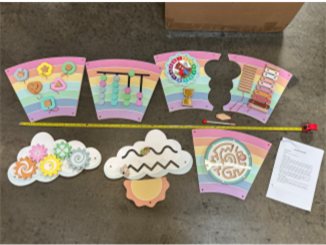
Shenzhen Jijia Trading Co., Ltd., doing business as Justforjoyful, is recalling model JJ1602 Rainbow Wall Toys sold on Amazon. The colorful wooden activity toy includes interlocking gears, a washboard, xylophone with a pick and mallet on cords, a rotating maze, wooden puzzles, a clock, a rotating hourglass and track pieces.
The hazard
CPSC said the attached xylophone drumstick has a spherical end that can pose a choking hazard and violates the mandatory standard for childrens toys. No incidents or injuries had been reported.
What to do
Consumers should stop using the recalled toy immediately and keep it away from children. To receive a refund, consumers will be asked to write RECALLED on the back of the individual wooden components, email a photo of the marked pieces to Justforjoyful@outlook.com, and then dispose of the toy.
Company contact
Consumers can contact Justforjoyful by email at Justforjoyful@outlook.com.
Source
CPSC warns against CPLRECR crib bumpers
CPSC is warning parents and caregivers to stop using CPLRECR crib bumpers sold on TikTok Shop because they can obstruct an infants breathing.
- The hazard is suffocation because crib bumpers can block airflow and are banned under federal law.
- The crib bumpers were sold on TikTok Shop from September 2025 through February 2026 for about $35.
- Consumers should stop using the crib bumpers immediately, dispose of them and never resell or give them away.
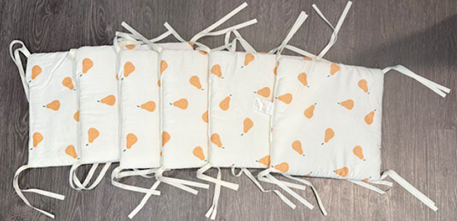
CPSC issued a safety warning for CPLRECR crib bumpers rather than a voluntary recall. The agency said the product was sold on TikTok Shop and violates the federal ban on crib bumpers, which were prohibited because of the suffocation risk they pose to infants.
The hazard
Crib bumpers can obstruct an infants breathing if a baby rolls against them or becomes wedged in a dangerous position. CPSC said consumers should treat the product as hazardous and stop using it immediately.
What to do
Parents and caregivers should remove the crib bumpers from use right away and dispose of them. CPSC also says consumers should not sell or give away these products, since passing them along can put another child at risk.
Company contact
CPSC did not list direct company contact information in the warning notice.
Source
Dovety steam cleaners can eject scalding water
CPSC is warning consumers to stop using Dovety Steam Cleaners because they can leak or suddenly eject hot water or steam.
- The hazard is serious burn injury from unexpected release of hot water or steam.
- The handheld cleaners were sold on Amazon.com and TikTok.
- Consumers should stop using the steam cleaners immediately, dispose of them and report any incidents to CPSC.
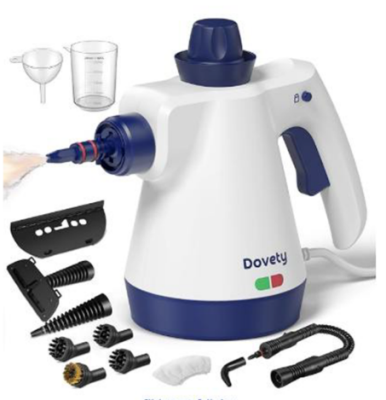
CPSC warned consumers to stop using the Dovety Steam Cleaner, a handheld pressurized steam cleaner sold with 12 accessories. The model number TMSC-001 appears on a label on the bottom of the unit, and the brand name Dovety is printed on the side.
The hazard
According to CPSC, the steam cleaner can leak or suddenly eject hot water or steam while in use. Because the product is pressurized, that kind of failure can cause severe burns to hands, arms, face or nearby skin.
What to do
Consumers should stop using the steam cleaners immediately and dispose of them. CPSC also advises consumers not to sell or give away the steam cleaners, and to report incidents involving injury or product defects.
Company contact
CPSC said consumers can report incidents involving injury or product defects at www.SaferProducts.gov. The warning notice did not provide separate direct company contact information.
Source
Northlight tabletop fireplaces can flare dangerously
CPSC is warning consumers to stop using Northlight Bio Ethanol Portable Tabletop Fireplaces because they can cause flame jetting and uncontrolled pool fires.
- The hazards are severe burns, fire and possible death from flame jetting and flames spreading across pooled or spilled alcohol.
- The fireplaces were sold on NorthlightSeasonal.com, Target.com, Walmart.com, BestBuy.com, HomeDepot.com and other websites for about $35 to $90.
- Consumers should stop using the fireplaces immediately, dispose of them and never resell or give them away.
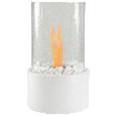
CPSC issued a warning rather than a recall for Northlight Bio Ethanol Portable Tabletop Fireplaces sold through several major retail websites. These small decorative fireplaces use alcohol fuel, which the agency said can ignite in dangerous ways during refueling or use.
The hazard
CPSC said the fireplaces can cause uncontrolled pool fires, in which flames spread across the surface of pooled or spilled alcohol. The agency also warned about flame jetting from fuel containers, a violent ignition event that can cause severe or fatal burns.
What to do
Consumers should stop using the tabletop fireplaces immediately and dispose of them. CPSC says consumers should not sell or give away these fireplaces because the hazard remains with the product.
Company contact
CPSC said consumers can report incidents involving injury or product defects at www.SaferProducts.gov. The warning notice did not provide separate direct company contact information.
Source
Raw dog food tied to Salmonella
Albrights Raw Pet Food is recalling select 1-pound Chicken Recipe for Dogs bricks because they may be contaminated with Salmonella.
- The hazard is Salmonella, which can sicken pets that eat the food and people who handle it or contact contaminated surfaces.
- The recall covers lot C001730 distributed directly to consumers nationwide and to select retailers in MA, CA, SC, NC, WI and NY, including online sales.
- Consumers should not feed the product, should destroy it so children, pets and wildlife cannot access it, and can request a refund with proof of purchase and photos.

Albrights Raw Pet Food announced a voluntary recall of select Chicken Recipe for Dogs Complete and Balanced, sold in 1-pound bricks, because of potential Salmonella contamination. The recall applies to lot C001730 and affects both pets that consume the product and people who may handle it.
The hazard
Salmonella can make pets sick and can also spread to people through handling contaminated food, touching infected pets or coming into contact with contaminated surfaces. FDA said infected pets may show lethargy, diarrhea or bloody diarrhea, fever, vomiting, decreased appetite and abdominal pain, though some animals may show no symptoms while still shedding the bacteria in saliva or feces.
What to do
Consumers should not feed the recalled food to pets. Any remaining product from the affected lot should be thrown out or destroyed in a way that children, pets and wildlife cannot access it; consumers who want a refund should send a receipt, photos of the product and information on where it was purchased to info@albrightsraw.com.
Company contact
Consumers can contact Albrights Pet Food at 866-729-4738 or by email at info@albrightsraw.com.
Source
Sour cream topping seasoning recalled
JCB Flavors is recalling Wildlife Seasoning Popping Topping Sour Cream & Onion because of a potential Salmonella risk.
- The hazard is Salmonella, which can cause serious and sometimes fatal infections, especially in young children, older adults and people with weakened immune systems.
- The recall covers lot 057596 sold through e-commerce platforms and retail stores nationwide.
- Consumers should not consume or use the recalled seasoning and should contact the company with questions.
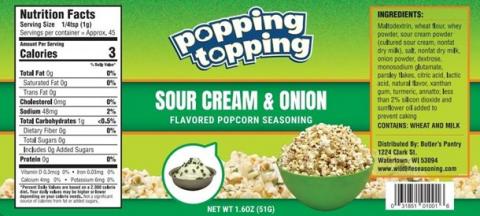
JCB Flavors, LLC issued a voluntary recall of Wildlife Seasoning Popping Topping Sour Cream & Onion because the product may be contaminated with Salmonella. The seasoning was available online and in retail stores nationwide.
The hazard
FDA said Salmonella can cause fever, diarrhea that may be bloody, nausea, vomiting and abdominal pain in otherwise healthy people. In vulnerable consumers, including young children, elderly people and those with weakened immune systems, infections can become severe or even fatal.
What to do
Consumers who purchased the recalled seasoning should not consume it or use it. The company said affected customers can contact customer service for more information about the recall.
Company contact
Consumers can contact JCB Flavors, LLC Customer Service at 1-920-390-7700.
Source
Cheese curds recalled over Salmonella risk
Stoltzfus Family Dairy is recalling Sour Cream and Onion Cheese Curds because of possible Salmonella contamination.
- The hazard is Salmonella, which can cause serious illness and, in rare cases, invasive infections such as endocarditis or arthritis.
- The curds were distributed only within New York and carry best-by dates of 03/25/2026, 04/23/2026, 04/29/2026 and 05/06/2026.
- Consumers should not eat the cheese curds and should contact the dairy or the store where they bought them for more information.
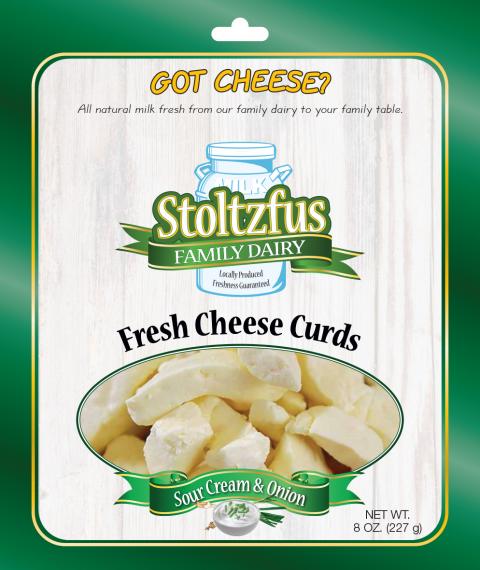
Stoltzfus Family Dairy is recalling Sour Cream and Onion Cheese Curds sold to grocery stores, gas stations and other country stores in New York. The company said the product may be contaminated with Salmonella.
The hazard
Salmonella can cause fever, diarrhea that may be bloody, nausea, vomiting and abdominal pain. In rare cases, the infection can move into the bloodstream and cause more severe illnesses such as infected aneurysms, endocarditis and arthritis.
What to do
Consumers who have the recalled cheese curds should not eat them. The company said it is working with retail partners to ensure product in the field is destroyed or returned, and consumers with affected product should contact the company or their retailer for guidance.
Company contact
Consumers can contact Stoltzfus Family Dairy at (315) 829-4089 or by email at vern@stoltzfudairy.com.
Source
My Wifes Slaw products deemed adulterated
My Wifes Slaw is recalling its Original and Jalapeno Heat flavored coleslaw because the products were produced without inspection and may support microorganism growth.
- The hazard is foodborne illness because the products were made without verified safety controls and are considered adulterated.
- The recalled coleslaw was sold directly to consumers online at mywifeslaw.web.app and shipped nationwide.
- Consumers should discontinue use immediately and dispose of the products safely.
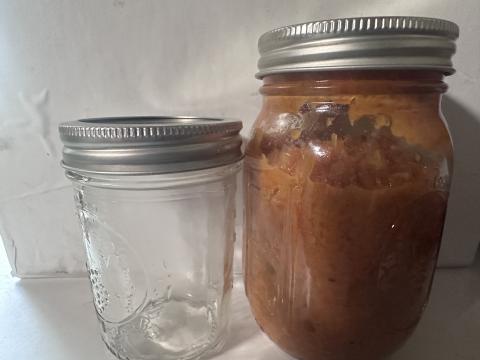
My Wifes Slaw announced a voluntary recall of its Original and Jalapeno Heat flavored coleslaw after determining the products were produced without the benefit of inspection. Because the company could not verify the necessary safety parameters, FDA said the items are adulterated.
The hazard
Unlike many recalls tied to a known test result, this one centers on unverified production controls. FDA said the products may allow microorganism growth, creating a risk of foodborne illness for anyone who consumes them.
What to do
Consumers should stop using the recalled coleslaw immediately and dispose of it safely. Anyone who purchased the products and has questions can contact the company directly.
Company contact
Consumers can contact Jesse Withrow at 740-280-2141 or by email at mywifeslaw@outlook.com.
Source
Snack mixes recalled for Salmonella risk
John B. Sanfilippo & Son is recalling several snack mix products sold under multiple brands because of possible Salmonella contamination.
- The hazard is Salmonella, which can cause serious illness and, in rare cases, bloodstream infections and other severe complications.
- The affected products were distributed in retail stores, through e-commerce and QVC under Fisher, Squirrel Brand, Southern Style Nuts and Good & GatherTM, and involve lot 6082GY5D and listed UPCs.
- Consumers should not eat the snack mixes and should return them to the place of purchase for a full refund or replacement.
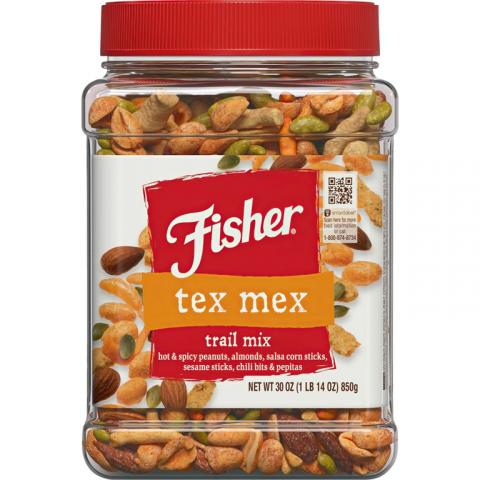
John B. Sanfilippo & Son, Inc. issued a voluntary recall for snack mix products sold under several brand names because they may be contaminated with Salmonella. The company said the recall includes specific UPCs and lot 6082GY5D.
The hazard
FDA said Salmonella can cause fever, diarrhea that may be bloody, nausea, vomiting and abdominal pain in healthy people. In rare cases, the organism can enter the bloodstream and cause infected aneurysms, endocarditis or arthritis, particularly in vulnerable consumers.
What to do
Consumers who recently purchased the recalled products should not eat them. The company said customers can return affected items to the store where they were purchased for a full refund or a replacement product.
Company contact
Consumers can contact John B. Sanfilippo & Son, Inc. Customer Service toll-free at (800) 874-8734.
Source
Kimchi recalled for undeclared anchovies
Ocinet is recalling And Kimchi branded sliced kimchi because the product contains undeclared fish in the form of anchovies.
- The hazard is a potentially serious or life-threatening allergic reaction for people with fish allergies.
- The recalled kimchi, identified by UPCs 8541200408, 8541200409 and 8541200411, was sold at six Zion Market locations in California, Georgia and Texas.
- Consumers with fish allergies should not eat the kimchi and can return it to the store where it was purchased for a full refund.
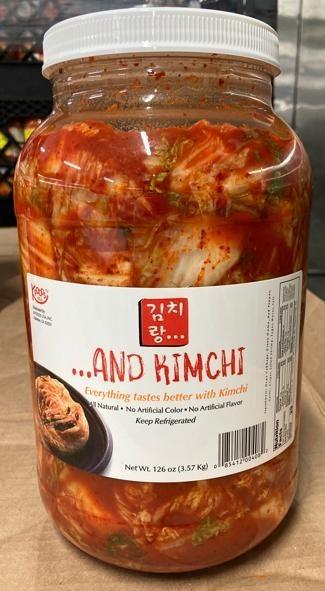
Ocinet, Inc. is recalling And Kimchi branded sliced kimchi after learning the product contains anchovies that are not declared on the label. The kimchi was distributed to six Zion Market retail locations in San Diego, Irvine, Los Angeles, Buena Park, Duluth and Lewisville.
The hazard
For consumers with an allergy or severe sensitivity to fish, eating a product with undeclared anchovies can trigger a serious or life-threatening allergic reaction. The issue is labeling, not spoilage, but the health risk can still be immediate for allergic consumers.
What to do
Consumers who purchased the recalled kimchi and are concerned about the undeclared allergen should not consume it. They can return the product to the retail store where it was purchased for a full refund.
Company contact
Consumers can contact Ocinet, Inc. Recall Manager by email at customerservice@ocinetinc.com.
Source
Vegan kale salad misses sesame warning
Market of Choice is recalling Vegan Kale Caesar Salad sold in Oregon because the product may contain undeclared sesame.
- The hazard is a serious or life-threatening allergic reaction for people with sesame allergies or sensitivities.
- The salad was sold at Market of Choice stores in Oregon between April 16, 2026 and May 4, 2026, with expiration dates from 4/20/26 through 5/8/26 and UPC 0 210126 01099 3.
- Consumers who are allergic to sesame should not eat the salad and should return it for a full refund or dispose of it safely.
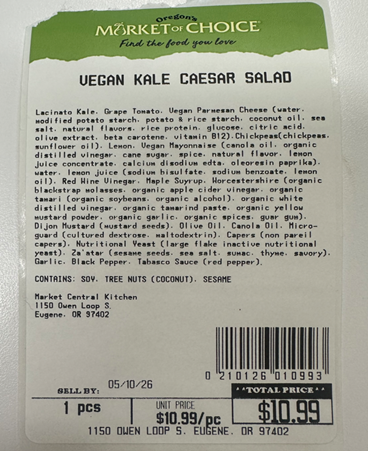
Market of Choice issued an allergy alert for its Vegan Kale Caesar Salad after discovering the product may contain undeclared sesame. The salads were sold in clear clamshell plastic containers at stores in Ashland, Bend, Corvallis, Eugene, Hillsboro, Medford, Portland and West Linn.
The hazard
Undeclared sesame can trigger a severe or life-threatening allergic reaction in sensitive consumers. For shoppers without a sesame allergy, the product does not pose the same risk, but those with the allergy should treat it as unsafe to eat.
What to do
Consumers who purchased the recalled salad and have a sesame allergy or sensitivity should not consume it. The company said customers can return it to their local Market of Choice store for a full refund or dispose of it safely.
Company contact
Consumers can contact Food Safety & Quality Assurance at 503-501-6746 or by email at ktrimp@marketofchoice.com.
Source
TRUE METRIX instructions corrected over E-5 risk
Trividia Health is issuing a labeling correction for TRUE METRIX blood glucose meters because the instructions do not clearly emphasize when users should seek immediate medical care after an E-5 error.
- The hazard is delayed recognition and treatment of extremely low or extremely high blood glucose, which can lead to serious health complications.
- The correction affects TRUE METRIX Blood Glucose Monitoring Systems distributed in the United States, including cobranded versions sold under partner names.
- Patients should consider using an alternative testing method or continue using the meter only while following the updated E-5 instructions and contacting customer support with questions.
Trividia Health announced a medical device labeling correction for its TRUE METRIX Blood Glucose Monitoring Systems. The issue is with the Owners Booklets and System Instructions for Use, not a defect in the meter itself, but FDA said the existing language does not sufficiently stress that users should seek medical attention immediately if they get an E-5 error and have symptoms of high glucose.
The hazard
If a patient relies on unclear instructions after an E-5 error code, treatment for dangerously high or low blood sugar could be delayed. FDA said people with diabetes who rely on intensive insulin therapy, sulfonylureas, or frequent glucose monitoring because of recurring hypo- or hyperglycemia are at highest risk.
What to do
Consumers should review the updated instructions from Trividia Health. Patients may consider transitioning to an alternative testing method, but those continuing to use a TRUE METRIX meter should follow the revised guidance if they receive an E-5 error code, especially if they are experiencing symptoms of high blood glucose.
Company contact
Consumers can contact Trividia Health Customer Support Department at 1-888-943-2387.
Source
Pork King Good products face Salmonella risk
Pork King Good is recalling certain Sour Cream & Onion pork rind and seasoning products because an ingredient may be contaminated with Salmonella.
- The hazard is Salmonella linked to milk powder used in the Sour Cream & Onion seasoning blend.
- The recall involves lot numbers 329-5, 004-6 and 029-6.
- Consumers who still have the affected products should not eat them and should contact the company for more information.
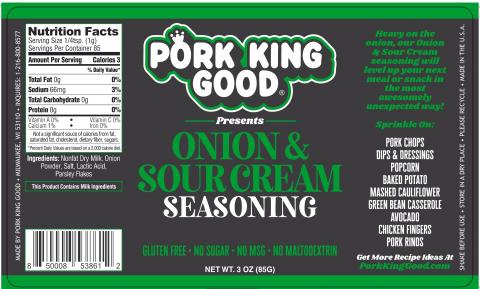
Pork King Good announced a voluntary recall of certain Sour Cream & Onion pork rinds and seasoning products because milk powder used in the seasoning blend may be contaminated with Salmonella. The company said affected products were destroyed or returned, but consumers should still check their pantry for the listed lots.
The hazard
Salmonella contamination can cause gastrointestinal illness and can become severe in young children, older adults and people with weakened immune systems. Even if the affected products are no longer widely on shelves, any remaining packages in homes still pose a potential food safety risk.
What to do
Consumers who have the recalled pork rinds or seasoning should not eat them. The company said affected products were destroyed or returned, and consumers with questions about recalled items in their possession should contact Pork King Good directly.
Company contact
Consumers can contact the company at (414) 483-6562 or by email at recall@porkkinggood.com.
Source
Zapps and Dirty chips recalled
Utz Quality Foods is recalling certain limited varieties of Zapps and Dirty Potato Chips because of possible Salmonella contamination.
- The hazard is Salmonella, which can cause serious and sometimes fatal infections in vulnerable consumers.
- The affected products were sold at retail stores nationwide and are identified by specific batch codes listed in the recall notice.
- Consumers should not eat the chips, should discard them and can contact Utz for questions or refunds.
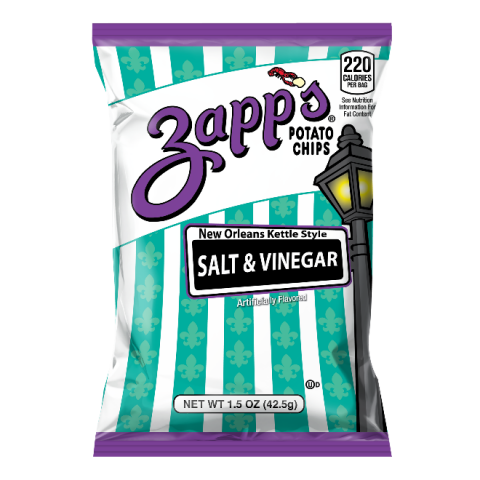
Utz Quality Foods, LLC issued a voluntary recall of limited varieties of Zapps and Dirty Potato Chips sold nationwide. The recall is tied to possible Salmonella contamination and applies only to the batch codes listed in the companys FDA notice.
The hazard
Salmonella can cause fever, diarrhea that may be bloody, nausea, vomiting and abdominal pain, and it can lead to more severe infections in frail or elderly people and those with weakened immune systems. Because chips are shelf-stable foods, affected packages may remain in consumers homes even after being removed from stores.
What to do
Consumers should not eat the recalled chips. Utz said customers should discard affected products and can contact the companys customer care team with questions or to seek a refund.
Company contact
Consumers can contact Utz Customer Care at 1-877-423-0149.
Source
Shellfish mix-up prompts ravioli alert
FSIS issued a public health alert for Giovanni Rana ravioli sold at Costco because packages labeled as beef and burrata may actually contain shrimp and lobster.
- The hazard is undeclared shellfish, which can trigger serious allergic reactions in consumers with shellfish allergies.
- The affected product was shipped to Costco stores in Maryland and New Jersey and carries use-by dates from 05/14/2026 through 06/25/2026 and establishment number Est. 44870.
- Consumers should not eat the ravioli and should throw it away or return it to the place of purchase.
FSIS issued a public health alert, rather than a recall, for Giovanni Rana RANA Rustic Beef Sauce & Creamy Burrata Cheese Ravioli produced by Rana Meal Solutions, LLC. The agency said some packages may actually contain shrimp filling in lobster sauce, even though shellfish is not declared on the label.
The hazard
For consumers with shellfish allergies, the labeling mix-up creates a serious health risk. Shrimp and lobster are both shellfish allergens, and eating the mislabeled ravioli could trigger an allergic reaction in sensitive individuals.
What to do
Consumers who purchased the affected ravioli should not consume it. FSIS said the product should either be thrown away or returned to the place of purchase.
Company contact
Consumers can contact April Klein, Customer Service Manager for Rana Meal Solutions, at aklein@ranausa.us.
Source



 of ConsumerAffairs















