

Rockin Robin SongFlying The Web For News.
RobinPost Logo Amazon Prime Deals


Consumer Daily Reports

Helmets, power tools and more pulled for safety hazards

By News Desk of ConsumerAffairs
July 3, 2025

As Americans prepare for the holiday weekend, federal safety officials have announced several product recalls involving items ranging from protective helmets to power tools and pool accessories. Consumers are urged to check their homes and garages for the affected products and to stop using them immediately. Heres what you need to know:


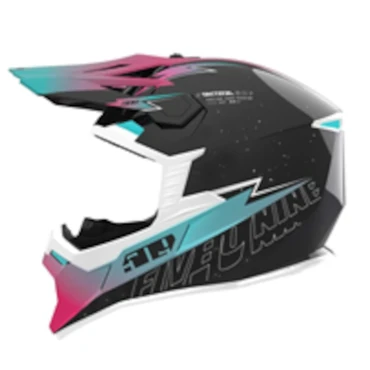
509 helmets and 509 for Polaris helmets
Photo

More than 201,000 helmets sold under the 509 and 509 for Polaris brands are being recalled because they may not provide adequate protection in a crash, posing a serious risk of head injury.

Details:

  • Products Affected:

    • 509 Tactical 3.0 helmets (Youth, Mountain, Trail)

    • 509 for Polaris Tactical 3.0 helmets (Youth, Mountain)

    • 509 Tactical 2.0 helmets (Small/Medium, 2023)

    • 509 for Polaris Tactical 2.0 helmets (Small/Medium, 2023)

    • Helmets with Fidlock closures, including Tactical 2.0, Altitude 2.0, Delta R3L, Delta R4, Delta V, Mach III, Mach IV, Mach V, manufactured 2020 to present

  • Hazard: Helmets fail to adequately protect the head during impact.

  • Remedy: Refund, replacement, or repair, depending on the model.

  • Incidents/Injuries: One report of a helmet detaching in a crash, resulting in a concussion.

  • Sold: Online at ride509.com, polaris.com, and through dealers nationwide from January 2020 to May 2025 for $140$900.

  • Contact:

Consumers should discard recalled helmets only after following the manufacturers destruction instructions and confirming participation in the recall.


SNLN Party Supply Toys

Photo

About 790 SNLN Party Supply toy kits sold online are recalled because the battery compartments can be easily opened, posing a life-threatening ingestion hazard to children.

Details:

  • Products Affected: Sets including bunny ears, cat ears, party glasses, glow bracelets, mini flashlights, light-up rings, butterfly clips, and a sticker book.

  • Hazard: Accessible button cell batteries can be swallowed, leading to burns, internal injuries, or death.

  • Remedy: Refund.

  • Incidents/Injuries: None reported.

  • Sold: Exclusively on Amazon from January 2025 to May 2025 for about $22.

  • Contact: Email dixikeji@gmail.com.

Consumers should photograph the toys as they are disposed of and email the image for refund processing.


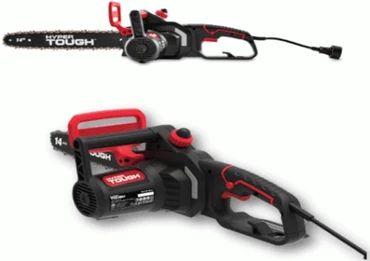
Hyper Tough, Worx Chainsaws and Pole Saws
Photo

About 49,000 chainsaws and pole saws from brands Hyper Tough, Worx, and Portland are recalled because their switches can malfunction, posing a laceration hazard.

Details:

  • Products Affected:

    • Hyper Tough 9 Amp 14 Electric Chainsaw (Walmart)

    • Worx 8 Amp 14 Electric Chainsaw (Amazon, Worx.com)

    • Worx 8 Amp Electric Pole Saw

    • Portland 9 Amp 14 Electric Chainsaw (Harbor Freight)

  • Hazard: Main switch may fail, causing saws to continue running.

  • Remedy: Free replacement.

  • Incidents/Injuries: None reported.

  • Sold: September 2024 to March 2025 for $50$120.

  • Contact: Positec at chainsawrecall@positecgroup.com or Worx recall page.


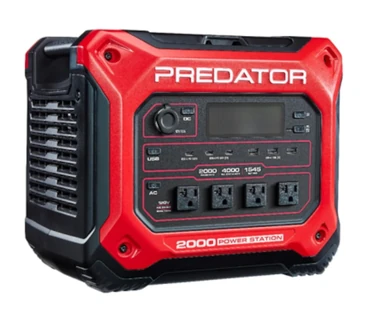
Predator 2000W Power Stations
Photo

Harbor Freight Tools has recalled about 6,500 Predator 2000W Power Stations because internal wiring is reversed in Emergency Power Supply mode, posing an electric shock hazard.

Details:

  • Model: SKU #70084, UPC 193175488718.

  • Hazard: Reversed AC outlet wiring.

  • Remedy: Free replacement.

  • Incidents/Injuries: One report of reversed wiring; no injuries.

  • Sold: February 2025 to April 2025 for about $950.

  • Contact: Harbor Freight at recall@harborfreight.com or visit the recall page.


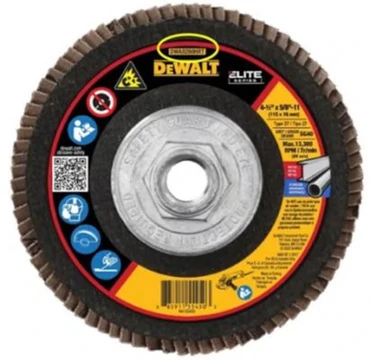
DEWALT Grinder Flap Discs

DEWALT is recalling about 17,680 flap discs used on grinders because ceramic flaps can detach during use, causing laceration hazards.
Photo

Details:

  • Models: DWA8280HRT and DWA8280RT (date codes 2024-36 to 2024-48).

  • Hazard: Pieces can fly off while grinding.

  • Remedy: Refund.

  • Incidents/Injuries: Three reports of discs breaking apart, resulting in cuts and scrapes.

  • Sold: Industrial stores and Amazon from September 2024 to May 2025 for $7$10.

  • Contact: DEWALT at recall@sbdinc.com or DEWALT recall page.


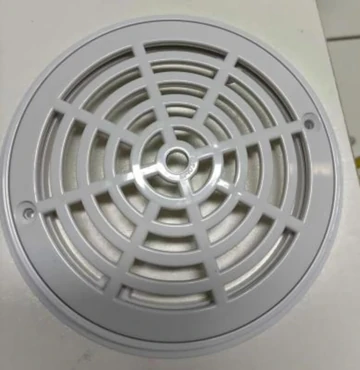
Jeriflyer 8-inch pool drain covers
Photo

About 500 Jeriflyer 8-inch pool drain covers sold on Amazon are recalled for failing to meet federal standards, posing an entrapment hazard.

Details:

  • Product: White plastic drain cover, 8.1 inches diameter.

  • Hazard: Non-compliance with the Virginia Graeme Baker Pool & Spa Safety Act.

  • Remedy: Refund.

  • Incidents/Injuries: None reported.

  • Sold: April 2024 to May 2025 for $10$15.

  • Contact: Email Junjuanshop2025@outlook.com or visit the Amazon Jeriflyer Recall Page.


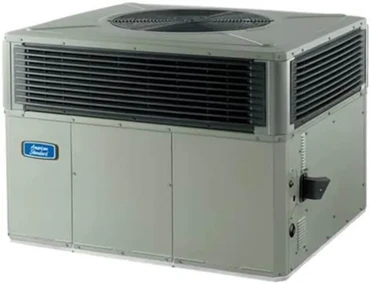
Trane and American Standard Gas/Electric Packaged Units
Photo

About 4,790 gas/electric packaged HVAC units sold under the Trane and American Standard brands are recalled because the fuel gas valve can open unexpectedly, creating a fire hazard.

Details:

  • Models Involved: Five different model numbers (various serial ranges).

  • Hazard: Fuel gas valve may open unintentionally.

  • Remedy: Free repair by replacing the ignition board.

  • Incidents/Injuries: One report of gas leaking; no injuries.

  • Sold: January 2024 to March 2025 for $8,250$12,900.

  • Contact:

Consumers should stop using the heating function until repairs are completed.


Check Your Products

Consumers are urged to stop using any recalled products immediately and follow the manufacturers instructions to arrange refunds, repairs, or replacements. For more information or to check for additional recalls, visit the U.S. Consumer Product Safety Commission at www.cpsc.gov.


Posted: 2025-07-03 13:40:16

Get Full News Story On Consumer Affairs


Listen to this article. Speaker link opens in a new window.
Text To Speech BETA Test Version.


More News From This Category
Consumer News: New data shows how work distractions follow drivers behind the wheel
Tue, 23 Jun 2026 04:07:06 +0000

A Travelers Insurance survey reveals many drivers still feel pressure to stay connected for work even while navigating busy holiday traffic

By Kristen Dalli of ConsumerAffairs
June 22, 2026
  • Work-related distractions are common behind the wheel: A Travelers survey found many drivers are still checking emails, answering calls, and using phones for work while driving, even during busy holiday travel periods.

  • Pressure to stay always on is a major risk factor: Nearly 6 in 10 employed drivers feel compelled to respond to work calls immediately, and many say workplace culture and constant notifications contribute to unsafe driving behaviors.

  • Experts say prevention starts with both employers and drivers: Travelers Michael Fackler emphasizes clearer company expectations, do not disturb while driving tools, and simple habits like putting phones out of reach and planning ahead before hitting the road.

As Americans hit the road for summer holidays like the Fourth of July, traffic isnt the only thing competing for drivers attention. New data from Travelers highlights a growing and often overlooked issue: work-related distractions behind the wheel.

According to the survey, nearly half of employed drivers admit to checking emails or texts while driving, and more than half say they actively use their phones on the road. Even more striking, almost six in 10 say they feel pressured to answer work calls while driving blurring the line between off the clock and on the road.

With AAA projecting tens of millions of people traveling by car during peak holiday weekends, experts warn that this kind of multitasking can have serious consequences. ConsumerAffairs spoke with Travelers transportation risk control expert Michael Fackler who explained that the data points to a persistent challenge for both drivers and employers: reducing the expectation to stay connected when attention should be fully on the road.

The rise of work-related distracted driving

Fackler explained that there are several factors that contribute to work-related distracted driving, including an always-on workplace culture, technology that blurs the line between the office and the road, and a misunderstanding of the personal risk associated with driving while distracted.

He shared some key insights from a March 2026 Travelers survey of 1,000 working, driving Americans:

  • 67% of respondents reporting they can access work communications while behind the wheel, including work emails, calls and messaging platforms.

  • About four in 10 said that they frequently or sometimes answer a work call while driving. Nearly six in 10 said that they feel compelled to respond to a work call the moment it comes in.

  • Almost half indicated feeling a sense of urgency to respond to a work text or chat message.

  • 28% of those who said that they engage with work while driving believe they can do it safely.

  • Fear of missing something important was cited by 27% of our respondents

  • 26% said that hard-to-ignore notifications appearing on their vehicles screen are a contributing factor.

  • 25% said that they engage without really thinking about it.

  • 23% said the culprit is the workplace culture itself an environment that implicitly or explicitly demands an immediate response to work-related communications.

That dynamic makes holiday weekends like the Fourth of July a timely reminder, Fackler said. The potential for more drivers on the road means less margin for error, and the same work culture pressures our survey identified dont disappear because its a holiday.

Changing company culture

The survey findings point to a need for a change in company culture.

When leaders call or message employees who they know are on the road, it signals that immediate and constant availability is expected, regardless of what any policy may say, Fackler said. The most important thing that employers can do is make it clear that no call, text or email is worth a life.

The commitment to safety must start at the top, with managers modeling the behavior they want to see in their employees by waiting until appropriate times to communicate in general, and especially on holiday weekends. If there is an urgent reason to communicate, leaders must manage those communications carefully and make sure that an employee is safely parked before reaching out.

Preventing distracted driving

There are several technological tools available to help consumers prevent distracted driving. Here are Facklers top recommendations:

  • Telematics systems. For fleet environments, telematics systems are among the most practical tools available to employers today. These platforms can monitor driving behavior in real time, tracking metrics like phone use, harsh braking, speed and time behind the wheel. When that data feeds into a coaching program, it can meaningfully change driver behavior over time.

  • Advanced driver assistance systems (ADAS). This includes lane departure warnings, automatic emergency braking and blind-spot monitoring. These tools provide an active safety layer that can help reduce the consequence of a momentary lapse in attention, though they are not substitutes for attentive driving.

  • Advanced phone features. For individual employees using personal vehicles for work travel, employers can encourage or require the use of built-in do not disturb while driving features, which are now standard on both iOS and Android mobile devices.

Staying safe on the road

Ahead of the holiday weekend, Fackler shared his best tips to minimize distracted driving and ensure drivers are safe on the roads.

The reality of holiday weekend travel is that you will share the road with drivers who are distracted some by work, some by personal communications, some by fatigue after long drives, Fackler said. The most important thing any driver can do is build in an extra margin: more following distance, lower speeds in heavy traffic, and heightened awareness at intersections and on-ramps, where conflicts are most common.

Here are some more tips:

  • Plan before you pull out. Set your GPS, set up your playlist and check traffic information before you start to drive. Once youre moving, those tasks become distractions. This is one of the most effective preparation habits and should be universal.

  • Put the phone somewhere that you cant reach it easily, or use your phones driving mode so notifications are automatically suppressed. Research suggests that simply knowing a notification is waiting creates a cognitive pull. Removing access to your phone eliminates the temptation to answer a call.

  • If you have passengers, ask them to help manage navigation and communications. A co-pilot arrangement is one of the most effective and underused tools available for safer driving.

  • If youre exhausted, dont try to push through. Fatigue impairs driving in ways that are comparable to alcohol impairment, and tiredness combined with the distraction of a buzzing phone compounds the risk. Stop, rest and resume when youre alert.

  • If you know someone is on the road, dont call or text them. Being the person on the other end of a distracted drivers phone is a risk to them we can all choose to avoid.


Read More ...


Consumer News: The summer sale wars are here: How to use Amazon, Walmart, and Target against each other this week
Tue, 23 Jun 2026 01:07:07 +0000

Why Amazon isn't always the cheapest option this week

By Kyle James of ConsumerAffairs
June 22, 2026
  • Compare before you buy. Prime Day gets the attention, but Walmart and Target often match or beat Amazon on popular items.

  • Use each store's advantage. Amazon offers price-history tools, Target has valuable gift card promotions, and Walmart's same-day pickup can be a major perk.

  • Don't overlook essentials. Detergent, paper towels, pet food, and other household staples often see some of the biggest discounts of the week.

If you're only shopping Amazon Prime Day this year, you're probably missing some of the best deals.

For the first time, America's three biggest retailers are essentially going to war for your wallet.

  • Amazon Prime Day: June 23-26

  • Walmart Deals Event: June 22-28

  • Target Circle Week: June 23-26

Most shoppers will jump online, see a "50% off" badge, and hit the Buy Now button as fast as they can. That's exactly what retailers are counting on.

The smartest shoppers don't pick sides. They make Amazon, Walmart, and Target compete for their business by comparing prices, leveraging loyalty programs, and taking advantage of each retailer's strengths. Heres a smart strategy to follow this year to maximize your savings.

Check Walmart before buying anything on Prime Day

One of the biggest mistakes shoppers make is assuming Amazon automatically has the lowest price. That's often not the case these days.

Because Walmart launched its Deals Event a day earlier, many of its discounts are already live and competing directly against Prime Day.

Before checking out on Amazon, compare the unit price at Walmart, especially on larger pack sizes. Walmart frequently uses its sale events to aggressively price-match Amazon on consumables while also offering store pickup, allowing shoppers to avoid shipping delays and minimum order requirements.

Always use Walmart's app while browsing Prime Day deals, as it makes it easy to compare prices. Many shoppers never comparison shop, which is exactly what retailers are hoping for.

Pro tip: When shopping the Walmart Deals event, build a cart of household essentials first. Saving $5 here and $10 there on products you buy every month can often produce bigger overall savings than scoring a discount on a gadget you didn't plan to purchase.

Don't assume today's Amazon price is the best you'll see

Alexa price tracker tool

Make sure youre using the price tracking tools that Amazon gives you.

Specifically, their AI powered Ask Alexa tool is on every product page just waiting to be used.

Be sure to tap the Show price history button to get access to a one-month, three-month, and one-year price history of the product. If you dont immediately see it, tap Ask something else, which will bring up the price history option that you can select.

This is the easiest way to tell if a Prime Day price is actually a good deal or not. Oftentimes Amazon will raise the price before a sales event, only to lower it once the sale starts, all in an attempt to make it appear like a screaming deal. Their own AI price tracker will tell you the real truth.

If the Prime Day price is the same as its been in the past, you know you can wait and not rush the purchase. Or better yet, pull up the Walmart and Target website to see if they have a lower price on the item.

Pro tip: Add products to your Amazon wish list and check prices morning and evening. It's not unusual for pricing to change multiple times during Prime Day.

Use Target gift card promotions as instant discounts

Target's biggest advantage this week during their Deal Days isn't necessarily the sale prices. It's the gift card promotions that they will be offering.

Many shoppers ignore these promos because they focus only on the sticker price and that's a mistake. For example, imagine you're shopping for a small appliance like an air fryer.

Amazons price on the air fryer: $89.99

Targets price on the same air fryer: $99.99 (but includes a $20 Target gift card)

Most shoppers will immediately choose Amazon.

But if you regularly buy groceries, cleaning supplies, toiletries, or household products at Target, that gift card has real value. Your effective cost on the air fryer is just $79.99.

Target often runs promotions such as:

  • Spend $50, get a $10 gift card

  • Spend $100, get a $20 gift card

  • Buy select household essentials, get a gift card

These gift cards promos will be front and center this week. So, if you already shop at Target regularly, you should factor these promos into every purchasing decision.

Buy household essentials before electronics

The flashy deals this week will always get the headlines. Stuff like TVs, laptops, and gaming systems.

But some of the best savings this week are hiding in much less exciting categories.

Think about the products you're guaranteed to buy over the next few months:

  • Laundry detergent

  • Paper towels

  • Shampoo

  • Coffee pods

  • Pet food

  • Trash bags

  • Vitamins

  • Cleaning supplies

Retailers like Amazon, Target, and Walmart frequently offer some of their lowest prices of the year on these products during major sale events.

A family that saves 30% to 40% on household necessities can often save more money overall than someone who buys a discounted gadget they didn't really need.

So, before you go shopping for electronics, make a list of household essentials and stock up when prices hit their lowest levels, which they inevitably will.

Never compare product names compare model numbers

This is one of the most important shopping rules of the week.

Retailers often sell products that look nearly identical but aren't exactly the same.

For example, a television listed as a Samsung 65-inch QLED at Walmart may appear identical to one sold at Amazon. But the model numbers can be totally different and that matters a lot. That tiny difference can mean different picture quality, fewer refresh rates, fewer HDMI ports, older processors, and reduced gaming performance.

The same issue appears with laptops, vacuums, printers, soundbars, and kitchen appliances. Before declaring one retailer the winner, always take a closer look and compare the actual model number.

Pro tip: Your smartest move is to copy the actual model number into Google and compare prices across all three retailers before buying. That way you know youre comparing apples to apples.

Don't stop shopping after Prime Day ends

Most consumers treat June 26 as the finish line, and that's a mistake.

While Amazon Prime Day and Target Circle Week end on June 26, Walmart's Deals Event continues through June 28.

Historically, Walmart often uses the final days of its sale to clear seasonal inventory and capture shoppers who missed Prime Day. Specifically, keep an eye on deals on patio furniture, grills, pool accessories, summer toys, outdoor dcor, as well as lawn and garden products.

In years past, some of Walmart's most aggressive markdowns appear after Amazon's sale has already ended.


Read More ...


Consumer News: Auto Safety Recall Derby - Week of June 22
Mon, 22 Jun 2026 19:07:06 +0000

Storyteller Overland, Wabash Trailer, and Forest River are part of this week's recall roundup

By News Desk of ConsumerAffairs
June 22, 2026

Weekly Auto Recall Roundup

Here are the latest vehicle and equipment recalls announced by the National Highway Traffic Safety Administration (NHTSA).

Reminder: Recall repairs are free. Contact your dealer as soon as possible if your vehicle is affected.

Storyteller Overland NHTSA Recall ID 26V392000

Issue: Alternator Pulley Failure May Cause Power Brakes and Power Steering Loss

Make Model Model Years
STORYTELLER OVERLAND GXV HILT 20242026

Wabash National Corporation NHTSA Recall ID 26V391000

Issue: Insufficient Rear Impact Protection/FMVSS 223

Make Model Model Years
WABASH VAN TRAILER 2027

Forest River, Inc. NHTSA Recall ID 26V390000

Issue: Incorrect GVWR on Certification Label/FMVSS 120

Make Model Model Years
FOREST RIVER XLR TOYHAULER 20232024

Check your vehicle for recalls

To find out whether your specific vehicle is included in a recall, you can check by VIN or license plate on NHTSA's recall lookup page: NHTSA.gov/recalls.

If your vehicle has an unrepaired recall, contact your local dealership to schedule a repair recall remedies are provided at no cost.

```


Read More ...


Consumer News: New data shows how work distractions follow drivers behind the wheel
Mon, 22 Jun 2026 19:07:06 +0000

A Travelers Insurance survey reveals many drivers still feel pressure to stay connected for work even while navigating busy holiday traffic

By Kristen Dalli of ConsumerAffairs
June 22, 2026
  • Work-related distractions are common behind the wheel: A Travelers survey found many drivers are still checking emails, answering calls, and using phones for work while driving, even during busy holiday travel periods.

  • Pressure to stay always on is a major risk factor: Nearly 6 in 10 employed drivers feel compelled to respond to work calls immediately, and many say workplace culture and constant notifications contribute to unsafe driving behaviors.

  • Experts say prevention starts with both employers and drivers: Travelers Michael Fackler emphasizes clearer company expectations, do not disturb while driving tools, and simple habits like putting phones out of reach and planning ahead before hitting the road.

As Americans hit the road for summer holidays like the Fourth of July, traffic isnt the only thing competing for drivers attention. New data from Travelers highlights a growing and often overlooked issue: work-related distractions behind the wheel.

According to the survey, nearly half of employed drivers admit to checking emails or texts while driving, and more than half say they actively use their phones on the road. Even more striking, almost six in 10 say they feel pressured to answer work calls while driving blurring the line between off the clock and on the road.

With AAA projecting tens of millions of people traveling by car during peak holiday weekends, experts warn that this kind of multitasking can have serious consequences. ConsumerAffairs spoke with Travelers transportation risk control expert Michael Fackler who explained that the data points to a persistent challenge for both drivers and employers: reducing the expectation to stay connected when attention should be fully on the road.

The rise of work-related distracted driving

Fackler explained that there are several factors that contribute to work-related distracted driving, including an always-on workplace culture, technology that blurs the line between the office and the road, and a misunderstanding of the personal risk associated with driving while distracted.

He shared some key insights from a March 2026 Travelers survey of 1,000 working, driving Americans:

  • 67% of respondents reporting they can access work communications while behind the wheel, including work emails, calls and messaging platforms.

  • About four in 10 said that they frequently or sometimes answer a work call while driving. Nearly six in 10 said that they feel compelled to respond to a work call the moment it comes in.

  • Almost half indicated feeling a sense of urgency to respond to a work text or chat message.

  • 28% of those who said that they engage with work while driving believe they can do it safely.

  • Fear of missing something important was cited by 27% of our respondents

  • 26% said that hard-to-ignore notifications appearing on their vehicles screen are a contributing factor.

  • 25% said that they engage without really thinking about it.

  • 23% said the culprit is the workplace culture itself an environment that implicitly or explicitly demands an immediate response to work-related communications.

That dynamic makes holiday weekends like the Fourth of July a timely reminder, Fackler said. The potential for more drivers on the road means less margin for error, and the same work culture pressures our survey identified dont disappear because its a holiday.

Changing company culture

The survey findings point to a need for a change in company culture.

When leaders call or message employees who they know are on the road, it signals that immediate and constant availability is expected, regardless of what any policy may say, Fackler said. The most important thing that employers can do is make it clear that no call, text or email is worth a life.

The commitment to safety must start at the top, with managers modeling the behavior they want to see in their employees by waiting until appropriate times to communicate in general, and especially on holiday weekends. If there is an urgent reason to communicate, leaders must manage those communications carefully and make sure that an employee is safely parked before reaching out.

Preventing distracted driving

There are several technological tools available to help consumers prevent distracted driving. Here are Facklers top recommendations:

  • Telematics systems. For fleet environments, telematics systems are among the most practical tools available to employers today. These platforms can monitor driving behavior in real time, tracking metrics like phone use, harsh braking, speed and time behind the wheel. When that data feeds into a coaching program, it can meaningfully change driver behavior over time.

  • Advanced driver assistance systems (ADAS). This includes lane departure warnings, automatic emergency braking and blind-spot monitoring. These tools provide an active safety layer that can help reduce the consequence of a momentary lapse in attention, though they are not substitutes for attentive driving.

  • Advanced phone features. For individual employees using personal vehicles for work travel, employers can encourage or require the use of built-in do not disturb while driving features, which are now standard on both iOS and Android mobile devices.

Staying safe on the road

Ahead of the holiday weekend, Hackler shared his best tips to minimize distracted driving and ensure drivers are safe on the roads.

The reality of holiday weekend travel is that you will share the road with drivers who are distracted some by work, some by personal communications, some by fatigue after long drives, Fackler said. The most important thing any driver can do is build in an extra margin: more following distance, lower speeds in heavy traffic, and heightened awareness at intersections and on-ramps, where conflicts are most common.

Here are some more tips:

  • Plan before you pull out. Set your GPS, set up your playlist and check traffic information before you start to drive. Once youre moving, those tasks become distractions. This is one of the most effective preparation habits and should be universal.

  • Put the phone somewhere that you cant reach it easily, or use your phones driving mode so notifications are automatically suppressed. Research suggests that simply knowing a notification is waiting creates a cognitive pull. Removing access to your phone eliminates the temptation to answer a call.

  • If you have passengers, ask them to help manage navigation and communications. A co-pilot arrangement is one of the most effective and underused tools available for safer driving.

  • If youre exhausted, dont try to push through. Fatigue impairs driving in ways that are comparable to alcohol impairment, and tiredness combined with the distraction of a buzzing phone compounds the risk. Stop, rest and resume when youre alert.

  • If you know someone is on the road, dont call or text them. Being the person on the other end of a distracted drivers phone is a risk to them we can all choose to avoid.


Read More ...


Consumer News: 82% of Americans say grocery prices are hurting more than gas prices
Mon, 22 Jun 2026 19:07:06 +0000

A new survey finds rising food costs are changing shopping habits, with many consumers turning to store brands and discount retailers

By Kristen Dalli of ConsumerAffairs
June 22, 2026
  • 82% of Americans say food and beverage prices are hitting them harder than gas, making groceries the most painful inflation category right now.

  • Rising prices are reshaping shopping habits, with 60% of consumers dropping brand loyalty and many switching to store brands or discount grocers to save money.

  • Experts say simple strategies like meal planning, shopping with a list, and choosing private-label products can help shoppers stretch their grocery budgets.

Americans have grown used to paying more for everyday essentials, but many say its the grocery store not the gas station thats putting the biggest strain on their budgets.

A new survey from supply chain software company DOSS found that 82% of consumers say food and beverage prices are hitting them harder than fuel costs, prompting many shoppers to rethink what they buy and where they shop. Rising prices are also weakening brand loyalty, with consumers increasingly choosing store brands, discount grocers and cheaper alternatives to stretch their dollars.

To break it all down, ConsumerAffairs spoke with David Appel, VP of Marketing at DOSS.

Have grocery prices risen as quickly as gas prices?

Appel explained that gas prices often grab attention because they can change overnight and are visible on every street corner.

Theyre also influenced by everything from crude oil markets to refinery outages and geopolitical events, he said. But grocery inflation is often felt more frequently. Our research found that 82% of Americans say food and beverage prices are among the most painful inflation categories they face today, compared to 76% who say the same about gas.

Whether its a full grocery run or a quick stop for essentials, consumers encounter higher food prices several times a week, while gas expenses depend more on how often they drive.

Using store brands to your advantage

One of the best ways to stretch your dollar at the grocery store is opting for store brands instead of private-label brands.

The perception of private-label quality just isnt what it used to be, and its no longer seen as a compromise, Appel said. When nearly 7 in 10 Americans believe store brands are just as good as name brands, that really emphasizes the shift in consumer perceptions and behavior.

Whether its canned goods, frozen veggies, pasta, dairy products, or pantry basics, the savings really do add up, and theres not a noticeable dip in quality either.

Appel said that when it comes to items to avoid purchasing from store brands, focus on items where the formulation or performance matters, like coffee, specialty sauces, baby products, or particular cleaning supplies.

Having a list can save you money

If youre looking to save money on groceries, Appel recommends taking the time to do your homework before you ever get into the store.

When youre focusing on the price of individual items, many tend to overlook how fast impulse buys, convenience foods, or even extra trips to the store pile up over the course of a month, he said.

Instead of going into a store without a plan, plan your meals and make a list of things you need to replace. The extra couple of minutes can help you avoid impulse purchases.

Another pitfall is shopping based on habit instead of price, Appel said. Folks will continue to buy the same brands because theyre familiar, even as the prices increase.

Shrinkflation is another factor shoppers underestimate. You believe youre paying the same price as before, but youre often getting less of the product. This hidden increase in cost per serving can nudge your grocery spending far beyond what youre expecting to get.

How to keep up with rising grocery prices

While prices are increasing, there are ways to maximize your budget. Appel shared his best advice for shoppers:

Dont beat yourself up over switching brands, or going with something less flashy or recognizable, he said. Many shoppers are abandoning brands they were loyal to for years because their prices just dont feel reasonable considering the economic climate.

Its a normal response to inflation, not a reflection of your personal finances or self-worth. You have to protect your overall budget rather than stick to old shopping habits. There are plenty of ways to stretch your budget, from store brands to buying in bulk, or switching grocery stores, and you have more leverage than it can feel like. Trust me, retailers are already seeing it and it doesnt hurt to vote with your wallet.

Some more grocery store tips:

  • Start with a meal plan, build your list around weekly promotions, look for coupons, and be brand flexible. Maybe if chicken is on sale that week instead of beef, adjust the menu.

  • Dont ignore discount grocers, warehouse clubs, and private-label products. Big savings typically come from changing where you shop and what brands you throw in your cart, not just clipping a few extra coupons. Youll be saving way more money if you get a dollar off 20 items vs hunting for that one big discount.


Read More ...


Related Bing News Results
Consumer Reports Reveals Concerning Levels of Additives and Contaminants in Popular Snacks
Wed, 10 Jun 2026 03:01:00 GMT
A new investigation from Consumer Reports and Yuka highlights issues with food safety regulation in the United States.

Consumer Reports and Yuka Test 40 Popular U.S. Foods, Find 1 in 4 Exceed Daily Safety Levels for Additives
Mon, 08 Jun 2026 11:20:00 GMT
A joint investigation by Consumer Reports and Yuka has measured the levels of eight controversial additives in 40 widely consumed packaged food products in the United States. The results show that one ...

Consumer Reports investigation: Energy drinks risky for teens
Mon, 08 Jun 2026 07:34:00 GMT
Energy drinks are colorful, sweet, and hugely popular with teens. Now, an important warning for parents. A new Consumer Reports investigation finds what’s inside those drinks may be more than you’re ...

Consumer Reports |Experts warn against daily use of protein supplements
Mon, 20 Oct 2025 22:57:00 GMT
Protein powders and shakes are more popular than ever, often touted as workout fuel or even meal replacements. But a new Consumer Reports investigation reveals a hidden risk: some of these supplements ...

Your Daily Protein Shake Might Be Exposing You to Lead, Consumer Reports Finds
Mon, 13 Oct 2025 17:00:00 GMT
For many people, protein powder is a staple in their kitchen pantry because of its accessibility and versatility. However, not all protein supplements are created equal, as Consumer Reports’ (CR) ...


Blow Us A Whistle


Related Product Search/Búsqueda de productos relacionados

Amazon Logo

Visit Our New Print-On-Demand Stores On Printify and Zazzle
Printify Zazzle













