Rockin Robin SongFlying The Web For News.
RobinPost Logo Amazon Prime Deals


Consumer Daily Reports

Dressers, helmets, mattresses, bicycle wheels, carabiners, pressure washers, attic fans, laser pointers, battery chargers fill this week's recall basket

By News Desk of ConsumerAffairs
August 28, 2025

Lulive dresser recall over tip-over risk

Consumers who own Lulive 12-drawer dressers sold on Amazon should stop using unanchored units and request a refund from the company.

  • Dressers can tip over if not anchored, posing risk of injury or death

  • About 3,500 units sold online from March to June 2025 are affected

  • Company offers a refund; consumers should contact Lulive for details

Changzhou Hengze Home Furnishing Co. has recalled about 3,500 Lulive 12-drawer dressers sold on Amazon. The dressers, available in white with a metal frame and wooden top, have been found to violate the required safety standard for clothing storage units. Unanchored, the dressers are unstable and can tip over, posing a serious hazard to children.

The hazard

The recalled dressers are unstable unless anchored to a wall. This instability can lead to tip-overs and entrapment, risking serious injury or death for children. The units do not comply with the mandatory safety standard under the STURDY Act.

What to do

Consumers should stop using the dressers immediately if they are not anchored to the wall. Contact Lulive for a refund.

Company contact

Lulive can be reached toll-free at 866-610-4348 from 9 a.m. to 4:30 p.m. PT Monday through Friday, by email at lulive12recall@sina.com, or online at www.lulive.com/recalls or www.lulive.com (click Recall at the top of the page).

Source

https://www.cpsc.gov/Recalls/2025/Lulive-Recalls-Dressers-Due-to-Risk-of-Serious-Injury-or-Death-from-Tip-Over-and-Entrapment-Violates-Mandatory-Standard-for-Clothing-Storage-Units-Sold-on-Amazon-by-Lulive


DT Swiss carbon wheel recall for crash hazard

Photo

Cyclists using certain DT Swiss carbon fiber road wheels should stop riding and arrange for a free replacement immediately.

  • Defect can compromise wheel structure, leading to crash hazard

  • About 6,000 wheels sold in the US from September 2024 to July 2025

  • Stop use and contact DT Swiss for a replacement

DT Swiss is recalling about 6,000 carbon fiber road wheels due to a defect that can cause the outer carbon layer to separate, potentially leading to a crash. The affected wheels were sold as aftermarket products and as original equipment on various high-end bicycles.

The hazard

A defect in the affected DT Swiss wheels may compromise structural integrity, resulting in a risk of crash and injury if the outermost carbon layer separates.

What to do

Cyclists should immediately stop using the recalled wheels. Contact DT Swiss to register the product and arrange for a free replacement.

Company contact

DT Swiss can be reached toll-free at 800-000-1994 from 8:30 a.m. to 3:30 p.m. MT Monday through Friday, by email at Recall@dtswiss.com, or online at www.dtswiss.com/recall. More information is also available at www.dtswiss.com (click Recall at the bottom of the page).

Source

https://www.cpsc.gov/Recalls/2025/DT-Swiss-Recalls-Carbon-Wheels-Due-to-Crash-Hazard


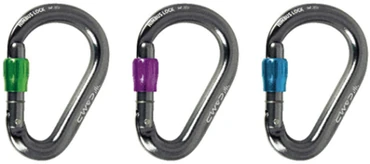
C.A.M.P. carabiner recall for fall danger
Photo

Climbers using Nimbus Lock Carabiners should stop using affected units and seek repair instructions from C.A.M.P. USA.

  • Automatic closing mechanism can break, risking falls and injury

  • About 12,600 carabiners sold from January 2024 through July 2025 are affected

  • Consumers should arrange repair with the manufacturer

C.A.M.P. USA has recalled about 12,600 Nimbus Lock Carabiners due to a faulty automatic closing mechanism. The defect can prevent the gate from closing, leading to a risk of serious injury or death from falls.

The hazard

The Nimbus Lock Carabiners automatic closing mechanism may break, causing the gate to remain open. This poses a significant fall risk to climbers relying on the device for safety.

What to do

Consumers should stop using the recalled carabiners and contact C.A.M.P. USA for instructions on obtaining a repair.

Company contact

C.A.M.P. USA can be reached toll free at 877-421-2267 from 9 a.m. to 5 p.m. PT Monday through Friday, by email at warranties@camp-usa.com, or online at www.camp-usa.com/nimbus-lock-safety-recall-information or www.camp-usa.com (click Safety Recalls at the bottom of the page).

Source

https://www.cpsc.gov/Recalls/2025/#main-content


Ryobi pressure washer recall for injury hazard

Photo

Owners of Ryobi electric pressure washers should stop using them and arrange for repair to avoid risk of injury from exploding parts.

  • Overheating capacitors can burst, ejecting parts that may cause injury

  • About 764,000 units sold in the US from July 2017 to June 2024

  • Repair is available; consumers should contact TTI Outdoor Power Equipment

TTI Outdoor Power Equipment is recalling about 764,000 Ryobi brushless electric pressure washers, models RY142300 and RY142711VNM. The units may have a capacitor that overheats and bursts, posing a serious injury risk from flying parts.

The hazard

A defect in the pressure washers capacitor can cause it to overheat and explode, forcefully ejecting parts. This has resulted in 32 reported injuries, including fractures to fingers, hands, face, and eyes.

What to do

Consumers should immediately stop using the recalled pressure washers and contact TTI Outdoor Power Equipment for repair instructions.

Company contact

For more information, call TTI Outdoor Power Equipment toll-free at 800-597-9624 from 9 a.m. to 5 p.m. ET Monday through Friday or visit https://www.ryobitools.com/recall or https://www.ryobitools.com/ and click on Important Recall Information.

Source

https://www.cpsc.gov/Recalls/2025/TTI-Outdoor-Power-Equipment-Recalls-RYOBI-Pressure-Washers-Due-to-Projectile-Hazard-Risk-of-Serious-Injury


Air Vent attic fan motor recall for fire risk

Photo

Consumers with attic fans using certain Air Vent electric motors from 2003-2013 should stop use and seek a refund due to fire hazard.

  • Electric motors may short circuit and cause fire while in use

  • About 2.9 million attic fan motors sold between 2003 and 2013 are affected

  • Refunds available; consumers should contact Air Vent for more information

Air Vent Inc. has recalled about 2.9 million electric motors used in gable- and roof-mounted attic fans due to a risk of short circuit and fire. The recall covers certain models sold between August 2003 and December 2013.

The hazard

The recalled attic fan motors have a safety cutoff that may fail, posing a short circuit and fire risk during operation. There have been 159 reports of burning or fire, though no injuries have been reported.

What to do

Consumers should stop using attic fans with the affected motors immediately and contact Air Vent for a refund.

Company contact

Air Vent can be reached toll-free at 877-247-4878 from 8 a.m. to 5 p.m. ET, Monday through Friday, or online at https://powermaxmotorrecall.expertinquiry.com or https://gibraltarbuildingproducts.com/ventilation-category/ (click Important Safety Information).

Source

https://www.cpsc.gov/Recalls/2025/Electric-Motors-for-Gable-and-Roof-Mounted-Attic-Fans-Recalled-Due-to-Fire-Hazard-Distributed-by-Air-Vent


Party Favors lite-up torches and laser pointers recall for battery ingestion hazard

Photo

Consumers should stop using Party Favors torches and mini laser pointers and seek a refund due to serious battery ingestion risk.

  • Button cell batteries are easily accessible to children, risking injury or death

  • About 10,100 units sold nationwide from June 2024 to May 2025

  • Company offers refunds; stop use and contact MTC Trading

MTC Trading Company has recalled about 10,100 Party Favors lite-up torches and mini laser pointers. The products contain easily accessible button cell batteries, violating safety standards and posing a serious risk if swallowed by children.

The hazard

The recalled lite-up torches and mini laser pointers contain button cell batteries that can be accessed by children, increasing the risk of ingestion. Swallowing these batteries can cause serious internal injuries or death. The products also lack required warnings under Reeses Law.

What to do

Consumers should stop using the recalled products immediately and contact MTC Trading for a refund.

Company contact

MTC Trading can be reached at 650-866-4800 from 9 a.m. to 5 p.m. PT Monday through Friday, by email at mtcmans@gmail.com, or online at www.mtcmans.com/recall or www.mtcmans.com (click Recall for more information).

Source

https://www.cpsc.gov/Recalls/2025/Party-Favors-Lite-Up-Torches-and-Laser-Pointers-Recalled-Due-to-Risk-of-Serious-Injury-or-Death-from-Battery-Ingestion-Violates-Multiple-Standards-Imported-by-MTC-Trading


CT-ENERGY coin battery charger recall for ingestion danger

Photo

Consumers should stop using CT-ENERGY lithium coin battery chargers and contact the company for a remedy due to battery safety concerns.

  • Charger and batteries are accessible to children, risking injury or death

  • About 1,100 chargers sold online from March 2024 to May 2025 are affected

  • Refund, replacement or repair available from CT New Energy Technology

CT (Foshan) New Energy Technology Co. is recalling about 1,100 CT-ENERGY lithium coin battery chargers. The chargers contain batteries that are easily accessible to children and are not in child-resistant packaging, violating safety standards.

The hazard

The chargers lithium coin batteries can be accessed by children and lack required warnings and child-resistant packaging, increasing the risk of serious injury or death if swallowed.

What to do

Consumers should stop using the recalled products and contact CT New Energy Technology for a refund, replacement, or repair.

Company contact

Contact CT New Energy Technology by email at info@ct-energy.cn or visit www.ct-energy.cn/about/22.html?land=en-us or www.ct-energy.cn (click Urgent Product Safety Recall Notice).

Source

https://www.cpsc.gov/Recalls/2025/CT-ENERGY-Lithium-Coin-Battery-Chargers-Recalled-Due-to-Risk-of-Serious-Injury-or-Death-from-Battery-Ingestion-Violations-of-Standard-for-Coin-Battery-Products-and-Statute-for-Battery-Packaging-Imported-by-CT-New-Energy-Technology


FunFitX toddler bike helmet for head injury risk

Photo

Parents should immediately stop using FunFitX toddler bike helmets due to risk of serious head injury in a crash.

  • Helmets fail basic impact and stability standards, risking deadly injury

  • About 85 helmets sold online at Amazon between April and June 2025

  • Consumers should stop use, cut straps, and dispose of the helmet

The CPSC has issued a warning about FunFitX toddler bike helmets, urging parents to stop use immediately. The helmets do not meet impact and stability standards and can fail to protect children in a crash.

The hazard

FunFitX toddler bike helmets do not comply with mandatory safety standards for bicycle helmets. They may not offer protection in a crash, putting users at risk of serious or fatal head injury.

What to do

Stop using the helmet, cut the straps, and dispose of it. Do not resell or give away the helmet.

Company contact

Report any incidents involving injury or product defect to CPSC at www.SaferProducts.gov.

Source

https://www.cpsc.gov/Warnings/2025/


Wisekiddy helmet warning for head injury danger

Photo

Consumers should stop using Wisekiddy multi-purpose helmets immediately as they fail to provide adequate protection in a crash.

  • Helmets do not meet required impact and safety standards, risking fatal injury

  • About 19,100 units sold on Amazon between October 2023 and April 2025

  • Consumers should dispose of helmets and not give them away

The CPSC warns consumers that Wisekiddy multi-purpose helmets fail to meet mandatory bicycle helmet safety standards and may not protect against head injury in a crash.

The hazard

Wisekiddy helmets violate requirements for impact protection, stability, certification, and labeling. In a crash, the helmet may not prevent serious or fatal head injury.

What to do

Stop using the helmet immediately and dispose of it. Do not resell or donate the helmet.

Company contact

Report any incidents involving injury or product defect to CPSC at www.SaferProducts.gov.

Source

https://www.cpsc.gov/Warnings/2025/


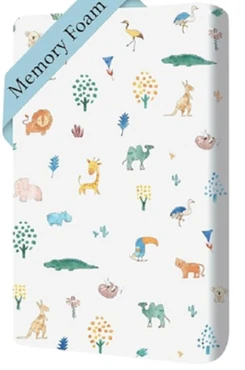
Baberooklin mattress warning for suffocation hazard
Photo

Parents should stop using Baberooklin pack and play mattresses due to risk of entrapment or suffocation in play yards.

  • Mattresses lack proper sizing info, risking dangerous gaps and suffocation

  • About 1,600 units sold online on Amazon from December 2024 to June 2025

  • Consumers should stop use and dispose of these mattresses

The CPSC warns that Baberooklin Pack and Play Mattresses do not identify compatible play yard brands or models, creating a risk of entrapment or suffocation from gaps between the mattress and play yard.

The hazard

Without proper labeling for compatible play yard brands and models, these mattresses may not fit securely, creating gaps that can lead to entrapment or suffocation of infants or toddlers.

What to do

Stop using the recalled mattresses immediately and dispose of them. Do not resell or gift the product.

Company contact

Report any incidents involving injury or product defect to CPSC at www.SaferProducts.gov

Source

https://www.cpsc.gov/Warnings/2025/


Posted: 2025-08-28 14:00:39

Get Full News Story On Consumer Affairs


Listen to this article. Speaker link opens in a new window.
Text To Speech BETA Test Version.


More News From This Category
Consumer News: What America's founding fathers can still teach us about saving money (and one lesson they got wrong)
Thu, 09 Jul 2026 22:07:06 +0000

Frugality never goes out of styleeven after 250 years

By Kyle James of ConsumerAffairs
July 9, 2026
  • Founding Fathers advice on avoiding debt, limiting waste, and living below your means remains surprisingly relevant.

  • Small habits can save big money by cutting unused subscriptions, repair instead of replace, and pause before making impulse purchases.

  • Even brilliant people made financial mistakes as Thomas Jefferson's debt shows that earning more doesn't matter if you spend even more.


As America recovers from all of the 250th anniversary celebrations, it's worth looking back at some of the financial lessons that helped shape the nation's earliest leaders.

While the Founding Fathers didn't have credit cards, online shopping, or subscription services, they absolutely faced economic uncertainty and rising prices. Some became models of frugality, while others made costly money mistakes that still serve as cautionary tales today.

Here are seven timeless lessons consumers can still apply.

1. Benjamin Franklin: Beware of the little expenses

If there was a personal finance guru among the Founding Fathers, it was definitely Benjamin Franklin.

In Poor Richard's Almanack, Franklin famously wrote:

"Beware of little expenses; a small leak will sink a great ship."

More than 250 years later, that advice may be more relevant than ever. Small recurring charges like streaming subscriptions, food delivery fees, premium apps, and impulse online purchases can quietly drain hundreds or even thousands of dollars each year.

Today's takeaway: Review your recurring expenses every few months. Eliminating just a few unused subscriptions can create surprisingly meaningful savings.

2. Benjamin Franklin: Avoid unnecessary debt

Franklin also warned against borrowing money unnecessarily, writing:

"Rather go to bed supperless than rise in debt."

While today's economy often requires mortgages, auto loans, and student loans, the principle remains sound: avoid carrying high-interest debt whenever possible.

Today's takeaway: Pay off credit card balances each month whenever you can, and avoid financing purchases that quickly lose value.

Pro tip: Make your budget a family conversation. John and Abigail Adams regularly discussed household finances and priorities. Setting aside a monthly "money meeting" can help everyone stay on the same page and work toward shared financial goals. Abigail kept careful records of expenses while managing the family farm, proving that knowing where your money goes is the first step toward keeping more of it.

3. George Washington: Waste as little as possible

At Mount Vernon, George Washington carefully managed one of America's largest estates. Supplies were repaired, materials were reused, and waste was kept to a minimum whenever practical.

The goal wasn't environmentalism, but rather it was all about simple economics.

Today's takeaway: Before replacing something, ask whether it can be repaired. Maintaining appliances, vehicles, clothing, and tools often costs far less than buying new ones.

4. George Washington: Grow what you can

Washington's estate also included productive vegetable gardens, orchards, grain fields, and livestock that supplied much of what the household consumed.

Few people today have 8,000 acres, but the lesson still applies.

Today's takeaway: Even a small backyard or patio garden can produce herbs, tomatoes, peppers, or lettuce that reduce grocery costs throughout the growing season.

5. Benjamin Franklin: Think long term

Franklin also believed that careful planning and delayed gratification were keys to financial success. He encouraged saving, investing in education, and making thoughtful purchases rather than impulsive ones.

Today's takeaway: Before making a major purchase, give yourself at least 24 hours to decide. A short pause can prevent those expensive impulse buys.

6. Samuel Adams: You don't need luxury to live well

Unlike some of his fellow founders, Samuel Adams spent much of his life with modest financial means. He lived relatively simply and focused more on public service than accumulating wealth.

Today's takeaway: Financial security isn't about owning the most expensive home, car, or gadgets. Living below your means remains one of the most effective ways to build wealth.

7. Thomas Jefferson: Income doesn't guarantee financial success

Not every Founding Father practiced sound financial management.

Thomas Jefferson, despite his extraordinary intellect and accomplishments, accumulated massive debts through years of expensive building projects, imported luxury goods, and overspending. When he died in 1826, his estate had to be sold to satisfy creditors.

His story serves as an important reminder that earning, or even possessing significant wealth, doesn't automatically lead to financial stability. Lifestyle inflation can affect anyone. As income grows, avoid automatically increasing spending at the same pace.

Pro tip: Build an emergency fund before chasing bigger financial goals. Alexander Hamilton spent much of his career focused on strengthening the nation's finances through planning and preparation. Having three to six months of essential expenses saved can help you weather unexpected setbacks without relying on high-interest debt.

The bottom line

America has changed dramatically over the past 250 years, but many of the financial principles that helped shape the nation's early leaders remain surprisingly timeless.

Watch the small expenses. Avoid unnecessary debt. Repair instead of replace. Grow what you can. Live below your means. And remember that even brilliant people can make costly financial mistakes.

Those lessons were valuable in 1776, and they're just as useful for consumers today.


Read More ...


Consumer News: These breakfast cereals look healthy — but nutritionists say don't be fooled
Thu, 09 Jul 2026 19:07:07 +0000

Don't let wholesome packaging fool your shopping cart

By Kyle James of ConsumerAffairs
July 9, 2026
  • Don't trust the packaging. Words like whole grain, honey, and oats can make cereals seem healthier than they really are.

  • Compare varieties carefully. Even trusted brands can have flavored versions with significantly more added sugar than the original.

  • Read the Nutrition Facts label. Aim for cereals with 10 grams or less of added sugar, at least 3 grams of fiber, and as much protein as possible.


Words like "whole grain," "honey," "oats," and "protein" can make a cereal seem like a healthy way to start the day. But according to a recent roundup by Tasting Table, several cereals with wholesome-sounding names or healthy-looking packaging still contain surprisingly high amounts of added sugar.

The publication consulted registered dietitians to identify cereals they recommend limiting on your pantry shelf. Not just because of the sugar levels, but also because many are low in fiber and protein, making them less filling than consumers might expect.

Here are five cereals that may not be as healthy as their packaging suggests.

Cheerios Oat Crunch Oats 'N Honey

Original Cheerios has only one gram of sugar in 1.5 cups. This stuff packs a whopping 15 grams of sugar in just one cup. Yes, they shrunk the serving size on the box, otherwise 1.5 cups would have well over 20 grams of sugar.

So, while the Cheerios name gives this cereal a healthy reputation, this version contains considerably more added sugar than Original Cheerios.

While oats and whole grains are part of the recipe, the added sweetness makes it less nutritious than many shoppers assume.

If you like Cheerios, be sure to compare the Nutrition Facts labels, as there are now many varieties available. I have yet to find a variety that has sugar levels as low as the original.

Special K Chocolatey Delights

For years, Special K has been marketed as a better-for-you cereal, but the chocolate variety tells a different story.

Dietitians point to its added sugar (12 grams per cup) and refined ingredients, saying it's closer to a sweet snack than a balanced breakfast.

Don't assume every cereal in a healthy brand lineup is equally nutritious. Flavored varieties often contain much more sugar than the original.

Honey Ohs

With words like "Honey" and images of golden cereal pieces, Honey Ohs looks like a fairly wholesome breakfast option.

Nutritionists say the reality is different, citing multiple added sweeteners (18 grams of sugar per cup) and relatively little fiber to balance them out. It actually has more sugar than the Oreos cereal.

Shopping tip: Ignore buzzwords on the front of the box and check the "Added Sugars" line on the Nutrition Facts panel.

Honey Smacks

Whole-grain wheat is the first ingredient, but it's quickly followed by several forms of added sugar.

Nutritionists say a single serving contains about 18 grams of added sugar, making it one of the sweeter cereals in the aisle.

Shopping tip: A cereal can contain whole grains and still be high in sugar. Thats why its so important to look at the full nutrition label before assuming it's a healthy choice.

Apple Jacks

The name and colorful apples on the box may suggest fruit, but experts note that the cereal gets its apple flavor primarily from added flavorings rather than real fruit.

Combined with its sugar content (13 grams of sugar per cup), it's another example of marketing creating a "health halo."

Shopping tip: Pictures of fruit don't necessarily mean a cereal contains meaningful amounts of fruit. Especially when fruit is spelled froot.

The cereals that probably won't surprise you

Nutritionists also included several cereals that most shoppers already recognize as treats rather than health foods, including:

  • Golden Crisp

  • Cap'n Crunch's Crunch Berries

  • Marshmallow Fruity Pebbles

  • Oreo Puffs

  • Krave Double Chocolate Brownie Batter

Shop smarter in the cereal aisle

Rather than judging a cereal by its front label, flip the box over and read the Nutrition Facts panel.

Nutrition experts generally recommend choosing cereals with 10 grams or less of added sugar, at least three grams of fiber, and as much protein as possible. Pairing cereal with Greek yogurt, nuts, or fresh fruit can also create a more balanced breakfast.


Read More ...


Consumer News: DEA moves to temporarily restrict synthetic 7-OH products
Thu, 09 Jul 2026 19:07:07 +0000

New federal action targets concentrated compounds sold nationwide

By Kristen Dalli of ConsumerAffairs
July 9, 2026
  • The Drug Enforcement Administration (DEA) plans to temporarily place 7-OH and three related substances into Schedule I of the Controlled Substances Act.

  • The action focuses on highly concentrated, synthetic products not botanical kratom products that contain naturally occurring 7-OH below a specified threshold.

  • Once the temporary scheduling takes effect, the manufacture, sale, distribution, and possession of covered substances will be subject to federal criminal, civil, and administrative laws.


The U.S. Drug Enforcement Administration (DEA) is taking action against a group of substances that officials say pose a growing threat to public safety.

On July 1, the agency announced that it has filed notices of intent to temporarily place 7-hydroxymitragynine (7-OH) and three related substances into Schedule I of the Controlled Substances Act.

Before making the move, the Department of Health and Human Services determined that synthetic 7-OH and the related substances have no accepted medical use and a high potential for abuse. According to the DEA, the temporary scheduling is intended to give law enforcement and public health agencies additional tools to respond to what it describes as an emerging threat.

Temporarily scheduling these substances underscores the emphasis this Administration has put on the safety, health and well-being of the American people, DEA Administrator Terrance Cole said in a news release.

This action gives law enforcement and public health partners the tools needed to address this emerging threat. We appreciate the FDA's scientific expertise and our continued partnership with HHS to address emerging threats, and we will continue to act aggressively when dangerous substances threaten Americans.

What the DEA is changing

The DEA submitted two separate Notices of Intent. One applies to 7-OH above a specified threshold, while the other covers three related substances: mitragynine pseudoindoxyl (MP), MGM-15, and MGM-16.

If the temporary scheduling orders take effect, the manufacture, distribution, sale, and possession of the covered substances will become subject to federal criminal, civil, and administrative penalties under the Controlled Substances Act.

The agency emphasized that this action is not aimed at all kratom products. Instead, it specifically targets synthesized products and products containing elevated concentrations of 7-OH above the threshold outlined in the scheduling order.

According to the DEA, naturally occurring 7-OH is present only in trace amounts in the Mitragyna speciosa plant, while laboratory testing has found that many commercial products contain much higher concentrations.

Officials also noted that products containing semi-synthetic 7-OH have become increasingly common online and in gas stations, convenience stores, and smoke shops, where they're sold as powders, capsules, tablets, gummies, and dissolvable strips.

What this means for consumers

For consumers, the biggest takeaway is that the DEA's announcement does not apply to every botanical kratom product. The agency says the temporary scheduling is directed at synthesized products and those with elevated levels of 7-OH that exceed the specified threshold.

If the temporary scheduling takes effect, products covered by the order would become subject to the same federal restrictions that apply to other Schedule I controlled substances. That means their manufacture, sale, distribution, and possession would be prohibited under federal law.

The DEA says the move is part of a broader effort to address the opioid epidemic and protect the public from dangerous synthetic drugs that it believes present unpredictable risks.


Read More ...


Consumer News: Study suggests tirzepatide may boost the body's calorie-burning tat
Thu, 09 Jul 2026 19:07:07 +0000

New research finds weight-loss drug could influence energy use in unexpected ways

By Kristen Dalli of ConsumerAffairs
July 9, 2026
  • A new clinical trial suggests tirzepatide may activate brown fat, a type of fat that burns calories to produce heat.

  • Researchers used advanced imaging before and after 24 weeks of treatment to measure changes in brown fat activity.

  • The findings suggest tirzepatide may affect both appetite and how the body uses energy, though more research is needed.


Tirzepatide has become well known for helping people lose weight by reducing appetite and making it easier to eat smaller portions. But new research presented at ENDO 2026, the Endocrine Society's annual meeting, suggests the medication may have another effect happening behind the scenes.

Researchers found evidence that tirzepatide activates brown adipose tissue, often called brown fat. Unlike the more familiar white fat, which stores energy, brown fat burns calories to produce heat.

Scientists have known for years that adults have brown fat, but it tends to be much less active in people with obesity. Until now, exposure to moderate cold temperatures has been considered its strongest known activator.

The new findings raise the possibility that tirzepatide doesn't simply help people eat less it may also influence how the body expends energy. According to the researchers, this represents an important step toward understanding the medication's full range of effects.

How the researchers studied brown fat

To investigate the question, researchers conducted a randomized, placebo-controlled clinical trial involving premenopausal women with obesity.

Participants underwent specialized imaging before starting treatment and again after 24 weeks. The research team used cold-stimulated PET/CT scans along with MRI imaging to evaluate both the activity and volume of brown adipose tissue.

In the trial, we asked a different question: beyond eating less, does tirzepatide also change how the body burns energy specifically through brown adipose tissue, a metabolically active type of fat that produces heat and consumes calories? researcher Rok Herman, M.D., said in a news release.

The team also examined whether there were signs that white fat beneath the skin might begin taking on characteristics of more metabolically active "beige" fat, which shares some properties with brown fat.

What the results could mean

After 24 weeks, the researchers found that tirzepatide significantly increased both the activity and volume of brown adipose tissue.

The percentage of participants with PET/CT-detectable brown fat activity rose from 41.2% before treatment to 64.7% afterward, while the placebo group did not experience a similar change. The imaging also suggested possible signs that some white fat was becoming more like calorie-burning beige fat.

The researchers say these findings add another piece to the puzzle of how newer anti-obesity medications work. Rather than acting only as appetite suppressants, tirzepatide may also influence energy expenditure at the tissue level.

This adds a new layer to how we understand the new generation of anti-obesity medications, Dr. Herman said. They are not only appetite suppressants tirzepatide also appears to modulate energy expenditure at the tissue level, opening a plausible path toward future therapies that combine appetite regulation with thermogenic activation.

They caution that additional research is needed, but believe future studies could explore whether targeting brown and beige fat activity might become part of a more tailored approach to obesity treatment.


Read More ...


Consumer News: Parents’ weight may influence kids more through genes than pregnancy
Thu, 09 Jul 2026 19:07:07 +0000

Large study suggests inherited genetics play a bigger role than expected

By Kristen Dalli of ConsumerAffairs
July 9, 2026
  • A study of more than 86,000 children found that the link between parents' and children's BMI is largely explained by shared genetics.

  • Researchers found little evidence that a mother's BMI during pregnancy has a major effect on a child's risk of obesity later in childhood beyond inherited genes.

  • The findings don't mean childhood obesity is inevitable, as environment and lifestyle still influence how genetic risk is expressed.


If obesity tends to run in families, is it because children inherit their parents' habits, or because they inherit their parents' genes? A new international study suggests genetics account for much of the connection between parents' body weight and their children's weight during early childhood.

Researchers say higher body mass index (BMI) in parents has long been linked with higher BMI in their children, but it's been difficult to determine whether that relationship is driven by pregnancy-related biological effects, family environment, or inherited genetics. Understanding the answer could help shape future approaches to preventing childhood obesity.

The researchers note that maintaining a healthy weight remains important for many reasons, particularly during pregnancy. However, their findings suggest that reducing a parent's BMI before conception alone may not substantially lower a child's likelihood of developing obesity later in childhood.

Obesity runs in families, but it is difficult to work out why this is, researcher Dr. Tom Bond said in a news release.

Our results suggest that the link between a mother's or father's body mass index and their children's BMI up to age 8 is mostly due to inherited genes. Expectant parents should be encouraged to maintain a healthy weight, but this may not be enough to ensure that their children also have a healthy weight.

Looking at more than 86,000 families

For the study, researchers analyzed data from the Norwegian Mother, Father and Child Cohort Study, a large, long-running project that followed children born between 1999 and 2009.

The analysis included approximately 86,000 children. Researchers examined information on parents' BMI, children's birth weight, and children's BMI from 6 months through 8 years of age. They also looked at appetite-related eating behaviors when the children were 8 years old, including food responsiveness and emotional overeating.

Rather than simply comparing parents and children, the research team used statistical modeling to estimate how much of the relationship between parental BMI and childhood BMI could be attributed to shared genetics versus other possible influences, such as conditions during pregnancy.

They also explored whether maternal BMI during pregnancy affected birth weight and later childhood obesity risk.

What the researchers found

The results suggest that inherited genetics explained an estimated 79% of the statistical association between mothers' BMI and their children's BMI at age 8, and about 94% of the association between fathers' BMI and their children's BMI.

The researchers also found that higher parental BMI was associated with obesity-related eating behaviors in children, although they said they could not determine exactly how much of those behaviors were influenced by genetics.

Maternal BMI during pregnancy did appear to affect babies' birth weight, but researchers found little evidence that it had a large impact on a child's risk of obesity later in childhood beyond the genes passed from parent to child.

The researchers emphasize that these findings should not be interpreted to mean a child's future weight is predetermined. They note that children who inherit a genetic tendency toward a higher BMI may still experience different outcomes depending on their environment and lifestyle. They also stress that maternal obesity remains an important health concern because it is associated with other pregnancy and birth complications for both mothers and babies.


Read More ...


Related Bing News Results
Consumer Reports finds concerning levels of food dye in popular products
Mon, 06 Jul 2026 05:12:00 GMT
"Companies in the U.S. are not required to disclose the amount of a specific additive or contaminant that's actually in their products," said Paris Martineau, Consumer Reports investigative reporter ...

Consumer Reports and Yuka Test 40 Popular U.S. Foods, Find 1 in 4 Exceed Daily Safety Levels for Additives
Mon, 08 Jun 2026 11:20:00 GMT
A joint investigation by Consumer Reports and Yuka has measured the levels of eight controversial additives in 40 widely consumed packaged food products in the United States. The results show that one ...

Consumer Reports retests protein powders, finds safer options
Wed, 18 Feb 2026 17:22:00 GMT
USES THESE SUPPLEMENTS. HERE’S MARISSA TANSINO. LAST FALL, CONSUMER REPORTS TESTED DOZENS OF PROTEIN POWDERS AND READY TO DRINK SHAKES. WHAT THE LAB FOUND RAISED RED FLAGS MORE THAN TWO THIRDS ...

How Much Lead Is in Protein Powder? Consumer Reports Shares Latest Findings
Mon, 12 Jan 2026 16:00:00 GMT
Consumer Reports released new findings after testing five reader-requested chocolate protein powders for lead and other heavy metals. The nonprofit organization previously revealed in late 2025 that ...


Blow Us A Whistle


Related Product Search/Búsqueda de productos relacionados

Amazon Logo

Visit Our New Print-On-Demand Store On Printify
Printify