

Rockin Robin SongFlying The Web For News.
RobinPost Logo Amazon Prime Deals


Consumer Daily Reports

Toy refrigerators, multivitamins, cactus toys and children's pajamas make up this week's recall

By News Desk of ConsumerAffairs
September 11, 2025

In My Jammers recall for childrens pajamas over burn risk

Consumers who purchased these childrens pajama sets should stop using them and request a refund.

  • Pajama sets violate flammability standards, posing burn hazard

  • About 350 units affected, sold AprilJune 2025

  • Consumers advised to stop use and seek a refund

PRODUCT IMAGE: View the recalled pajama sets

About 350 In My Jammers childrens button up flare pajama sets have been recalled due to failure to meet mandatory flammability standards, creating a risk of burn injuries. The recall involves sets sold in various patterns and sizes, including bows, swans, cherry, croissant and coffee, kiss, and floral prints. These sets were available on inmyjammers.com from April 2025 through June 2025.

No injuries have been reported, but consumers are urged to discontinue use immediately and follow the companys refund process.

The hazard

The pajama sets violate federal flammability standards for childrens sleepwear, creating a burn risk if the fabric catches fire.

What to do

Consumers should stop using the recalled pajama sets right away and contact In My Jammers for a refund.

Company contact

Email In My Jammers at This email address is being protected from spambots. You need JavaScript enabled to view it. or visit www.inmyjammers.com/recall for more information.

Source

https://www.cpsc.gov/Recalls/2025/In-My-Jammers-Recalls-Button-Flare-Pajama-Sets-Due-to-Burn-Hazard-Violates-Mandatory-Flammability-Standards


Shierdu toy recall for choking hazard affects 1,900 units

Photo

Parents should remove these Shierdu wooden cactus toys from children under three and request a refund.

  • Small parts in toy violate safety ban, pose choking hazard

  • Exactly 1,900 units recalled, sold via Amazon since October 2022

  • Refund offered; stop using toy with young children immediately

PRODUCT IMAGE: View the recalled toy

About 1,900 Shierdu childrens wooden building block cactus toys sold on Amazon are recalled because small parts can pose a choking hazard to children under three. The product, model SY-016, includes 28 colorful wooden pieces and was sold from October 2022 through August 2025.

No injuries have been reported, but the U.S. Consumer Product Safety Commission says parents should take immediate action.

The hazard

The toy contains small parts prohibited in products intended for children under three, presenting a risk of serious injury or death from choking.

What to do

Consumers should stop using the recalled toy immediately and contact Yiwu Shiyi Trading for a refund.

Company contact

Email Yiwu Shiyi Trading at This email address is being protected from spambots. You need JavaScript enabled to view it. for refund details.

Source

https://www.cpsc.gov/Recalls/2025/Shierdu-Childrens-Toys-Recalled-Due-to-Risk-of-Serious-Injury-or-Death-from-Choking-Hazard-Violates-the-Small-Parts-Ban-Sold-on-Amazon-by-Yiwu-Shiyi-Trading


Blueroot Health recall for iron multivitamins with child poisoning risk
Photo

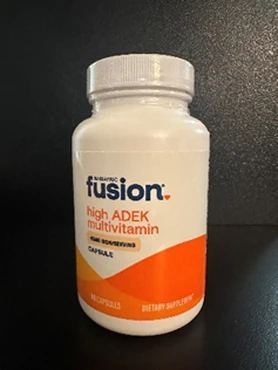
Consumers should check their Bariatric Fusion bottles for child-resistant caps and request a replacement if needed.

  • Bottles lack child-resistant packaging, violating safety law

  • About 4,700 units recalled from JanuaryJune 2025

  • Consumers eligible for replacement bottles with compliant caps

PRODUCT IMAGE: View the recalled multivitamins

Blueroot Health has recalled about 4,700 bottles of Bariatric Fusion iron multivitamins because the packaging is not child-resistant, posing a risk of poisoning if swallowed by young children. Affected bottles include high ADEK multivitamin capsules and One Per Day bariatric multivitamin capsules, both with iron, and have smooth caps lacking push down & turn instructions.

Consumers should inspect their bottles and request a child-resistant replacement if necessary.

The hazard

The recalled multivitamin bottles do not meet federal child-resistant packaging requirements for iron-containing supplements, creating a risk of serious injury or death if young children access the contents.

What to do

Stop using the recalled bottles and contact Blueroot Health for a replacement bottle with a child-resistant cap.

Company contact

Call Blueroot Health toll-free at 866-259-0602 (8 a.m. to 6 p.m. ET, Monday through Friday), email This email address is being protected from spambots. You need JavaScript enabled to view it. or visit bariatricfusion.com/product-safety.

Source

https://www.cpsc.gov/Recalls/2025/Blueroot-Health-Recalls-Bottles-of-Bariatric-Fusion-Iron-Multivitamins-Due-to-Risk-of-Serious-Injury-or-Death-from-Child-Poisoning-Violates-Mandatory-Standard-for-Child-Resistant-Packaging-Manufactured-by-VitaQuest-International


Paris Hilton mini fridge recall for fire and burn dangers
Photo

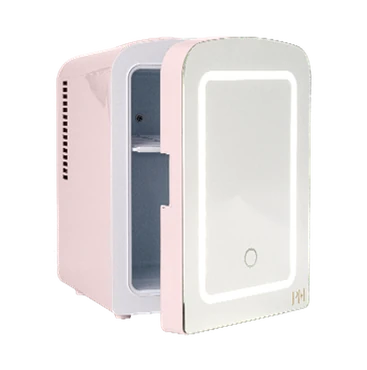
Owners of recalled Epoca International mini beauty fridges should unplug them and seek a refund.

  • Electrical switch defect can cause overheating, fire and burns

  • About 110,000 units recalled, sold since November 2022

  • 27 overheating and fire incidents reported; no injuries

PRODUCT IMAGE: View the recalled mini fridges

Epoca International has recalled about 110,000 Paris Hilton Mini Beauty Fridges due to a defect that can cause the units to overheat and catch fire. The recall affects certain 4-liter and 10-liter models in various colors, manufactured before August 2024.

The company has received 27 reports of fridges overheating and catching fire. No injuries have been reported, but some property damage occurred.

The hazard

An electrical switch inside the mini fridges can short circuit and overheat, creating fire and burn hazards.

What to do

Consumers should unplug and stop using the recalled mini fridges and contact Epoca International for a refund.

Company contact

Call Epoca International toll-free at 888-262-3905 (9 a.m. to 3 p.m. ET, Monday through Friday), email This email address is being protected from spambots. You need JavaScript enabled to view it. or visit www.epoca.com/minifridgerecall.

Source

https://www.cpsc.gov/Recalls/2025/Epoca-International-Recalls-Paris-Hilton-Mini-Beauty-Fridges-Due-to-Fire-and-Burn-Hazards


Warning: Cranach Hardware tip restraints pose tip-over hazard
Photo

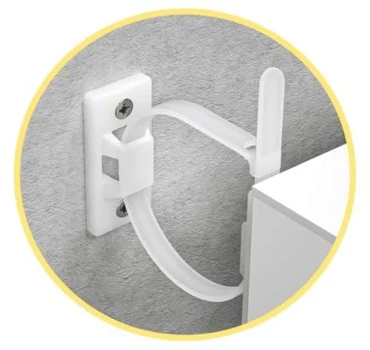
Consumers should stop using and dispose of Cranach Hardware plastic tip restraint kits to prevent injury.

  • Plastic tip restraint kits can fail, causing furniture tip-over

  • Sold on Amazon; includes multiple plastic hardware pieces

  • CPSC urges immediate removal and disposal of product

PRODUCT IMAGE: View the product

The U.S. Consumer Product Safety Commission warns consumers to immediately stop using Cranach Hardware plastic tip restraint kits. The plastic restraints, intended to anchor furniture to walls, can fail, putting young children at risk of severe injury or death if furniture tips over.

These kits have been sold on Amazon, typically in packages containing two plastic brackets, screws, anchors and a zip tie.

The hazard

The plastic tip restraints may not secure furniture properly, increasing the risk of tip-over accidents which can seriously injure children.

What to do

Consumers should stop using, remove and dispose of these plastic tip restraint kits. Furniture should be anchored with tip restraints that meet industry standard ASTM F3096-23.

Company contact

Report incidents or defects to CPSC at www.SaferProducts.gov or call the hotline at 800-638-2772 (TTY 800-638-8270).

Source

https://www.cpsc.gov/Warnings/2025/


Posted: 2025-09-11 17:59:30

Get Full News Story On Consumer Affairs


Listen to this article. Speaker link opens in a new window.
Text To Speech BETA Test Version.


More News From This Category
Consumer News: Recess isn’t a luxury — Pediatricians say it’s essential
Mon, 18 May 2026 19:07:07 +0000

New guidance says school breaks help kids learn and thrive

By Kristen Dalli of ConsumerAffairs
May 18, 2026
  • The American Academy of Pediatrics says recess is critical for childrens health, learning, and emotional well-being.

  • Updated guidance recommends protecting recess time for students of all ages, including teens.

  • Experts say breaks during the school day help children focus, manage stress, and retain information better.


For years, recess has often been treated as extra time in the school day something that can be shortened, skipped, or taken away when academic pressures rise. But the American Academy of Pediatrics (AAP) says that approach may be hurting students more than helping them.

In a newly updated policy statement the first in over a decade the group argues that recess is a necessary part of healthy child development and academic success, not simply a break from learning. The guidance, published in the journal Pediatrics, is the organizations first major update on recess in 13 years and reflects newer research on learning, stress, memory, and social development.

Recess should look different as children get older, but it remains just as essential for a middle- or high-school student as they move from the playground to more social experiences, Robert Murray, MD, FAAP, a lead author of the policy statement from the AAP Council on School Health, said in a news release.

Research tells us that breaks from classroom instruction help students of all ages to reset, focus better, and manage stress when they return to learning.

The new guidance

According to the policy, students benefit from regular breaks during the school day because the brain needs time to process and retain new information.

The AAP says recess gives children and teens an opportunity to reset mentally, move their bodies, and interact socially in ways that classroom instruction alone cannot provide.

The updated guidance emphasizes that recess matters for students of every age, not just younger children. While older students may spend recess differently than elementary schoolers, the organization says middle and high school students still benefit from stepping away from structured academic work.

Researchers cited in the policy found that breaks can improve concentration, reduce stress, and support emotional well-being when students return to class.

The AAP also recommends that recess be treated as protected personal time and not taken away as punishment because of academic performance. The organization points to evidence showing that physical activity and unstructured social interaction can support memory retention, confidence-building, and relationship skills.

The guidance notes that recess can include many different types of activities, from active outdoor play to quieter social interaction indoors.

What this means for consumers

For families, the updated recommendations may offer reassurance that play and downtime are not distractions from learning. Instead, pediatric experts say they are part of the learning process itself.

Parents may also see this guidance as encouragement to ask schools how recess is handled, whether breaks are protected, and how students are supported socially and physically throughout the day.

The policy ultimately frames recess as a basic support for childrens overall development one that helps students learn more effectively while also supporting their mental and physical health.


Read More ...


Consumer News: The brands Americans trust most in 2026 — and how to use that to save money
Mon, 18 May 2026 19:07:07 +0000

Savvy shoppers know when trusted brands are worth buying

By Kyle James of ConsumerAffairs
May 18, 2026
  • A new consumer survey found Americans continue to trust familiar brands like Walmart, Aldi, Tide, and Kraft the most in 2026.

  • Experts say shoppers can use trusted-brand rankings as a quality guide, while still comparing unit prices, testing store brands, and waiting for sales.

  • Many trusted household and food brands see their biggest discounts during warehouse-club promotions, Target Circle offers, and Subscribe & Save deals online.


A new consumer survey is revealing the brands Americans trust the most in 2026, and while familiar names continue to dominate, experts say shoppers can use the rankings strategically to avoid wasting money and make some smarter buying decisions.

The annual BrandSpark Most Trusted Awards, conducted with Newsweek, surveyed more than 35,000 U.S. shoppers across hundreds of categories including groceries, cleaning supplies, restaurants, airlines, and health products.

Here are three of the biggest standout categories from the report along with some money-savings tips.

Grocery stores shoppers trust most

In the grocery and affordability categories, shoppers heavily favored low-price retailers where they feel they get the most bang for their buck.

The top trusted grocery winners included:

  • Walmart Strongest overall for affordability, promotions, and pickup services.
  • Aldi Dominated discount grocery categories nationwide.
  • Trader Joe's Ranked highly for smaller-format grocery shopping.
  • Safeway Most trusted conventional supermarket in the western U.S.
  • Kroger Strongest traditional supermarket in the Midwest.

Actionable tip: Trust and price do not always mean the same thing. Walmart and Aldi scored high largely because shoppers consistently feel they are getting the best value. But its smart to always compare unit prices because even trusted stores can quietly raise prices on convenience items and packaged foods.

Household brands shoppers rely on most

Cleaning and household products remain one of the strongest areas for your long-established brands.

Some of the biggest winners included:

  • Tide Won multiple laundry categories
  • Lysol Dominated disinfecting and bathroom cleaning
  • Charmin Top bathroom tissue brand
  • Bounty Most trusted paper towels
  • Ziploc Leader in food storage bags

Pro tip: Trusted cleaning brands frequently go on deep discounts during warehouse-club promotions, Target Circle deals, and Amazon Subscribe & Save events. That is often the best time to stock up instead of paying full grocery-store prices.

Food brands Americans trust most

Many shoppers still lean heavily toward legacy food brands when buying their pantry staples.

Top trusted food brands included:

  • Heinz Ketchup
  • Quaker Oatmeal
  • Kraft Macaroni & cheese and multiple cheese categories
  • Barilla Pasta
  • Jif Peanut butter

But keep in mind that these trusted food brands are also where shoppers often overpay simply out-of-habit.

For example, many store-brand pantry items are made in the same factories as the more expensive name-brand yet they often get overlooked as inferior. They typically taste nearly identical, yet they sell for significantly less money.

Actionable tip: Consider testing generic or store-brand versions one category at a time instead of switching everything at once. Pantry staples like pasta, canned vegetables, spices, and baking products are often the easiest place to save money without anyone in your household noticing a difference.

The bottom line

The survey indicates that shoppers still rely heavily on familiar brands during uncertain economic times. But the smartest shoppers tend to use trusted brands as a quality guide and not an excuse to stop comparing prices or testing out store-brands.

In many cases, the best strategy is buying trusted products only when they are heavily discounted, or when you can stack coupons, or when you can buy them in bulk and save.


Read More ...


Consumer News: Using a single real estate agent can be costly, report says
Mon, 18 May 2026 19:07:07 +0000

Zillow argues that private listings can also leave money on the table

By Mark Huffman of ConsumerAffairs
May 18, 2026
  • Zillow says home sellers lost a combined $1.49 billion over three years when the same real estate agent represented both buyer and seller in a transaction.

  • The company also found sellers who kept listings off the Multiple Listing Service (MLS) lost another $1.36 billion collectively during the same period.

  • Researchers say the data suggests sellers generally receive lower prices when homes are marketed privately or when agents handle both sides of a deal.


It might seem obvious that if a buyer and seller share one real estate transaction, they would save money. But a new Zillow analysis suggests that, not only would you not save money, if you are the seller, you would lose money. Maybe a lot.

The analysis concludes that, whats called dual agency, can leave thousands of dollars on the table for sellers.

According to the study, sellers who used the same real estate agent as the buyer lost a combined $1.49 billion over the last three years. Zillow said these dual agency transactions consistently resulted in lower sale prices compared with deals involving separate representation for buyers and sellers.

Private listings may be costly, too

The company also reported that homes sold off the Multiple Listing Service (MLS) often marketed privately or within exclusive networks generated another $1.36 billion in seller losses over the same period. Zillows analysis found privately-listed homes typically sold for about 1.3% less than comparable homes listed publicly on the MLS.

Zillow argues that the financial incentives in dual-agency arrangements can create conflicts of interest. When one agent represents both sides of a transaction, the brokerage may earn a larger share of the commission by keeping the deal in-house, potentially reducing motivation to negotiate aggressively on behalf of the seller.

The study found the pricing penalties associated with both dual agency and off-MLS listings appeared consistently in every year analyzed, suggesting the trend is not limited to a particular housing market cycle.

Heightened scrutiny

The findings arrive as the real estate industry continues to face scrutiny over commissions and agent compensation practices following high-profile lawsuits against the National Association of Realtors and several major brokerages. Those legal challenges accused the industry of maintaining practices that inflated commissions and limited competition.

Although recent settlement agreements were expected to increase fee transparency and encourage more negotiation, several industry analysts say commission structures have changed only modestly so far.

Consumer advocates say the new Zillow data reinforces the importance of broad market exposure and independent representation during home sales. Critics of dual agency contend that sellers may sacrifice negotiating leverage when one agent is responsible for serving both parties in a transaction.

Real estate professionals who support dual agency argue it can streamline transactions and simplify communication, though consumer groups continue to caution sellers to fully understand how representation arrangements could affect their final sale price.


Read More ...


Consumer News: Bank of America agrees to $2.25 million settlement over ATM fees at 7-Eleven stores
Mon, 18 May 2026 19:07:07 +0000

Some consumers may receive compensation

By Mark Huffman of ConsumerAffairs
May 18, 2026
  • Bank of America has agreed to pay $2.25 million to settle allegations that customers were improperly charged ATM access fees at 7-Eleven locations.

  • Regulators said the bank failed to provide required fee disclosures before transactions were completed.

  • Eligible customers may receive refunds under the settlement agreement, which resolves claims without an admission of wrongdoing.


Regulators in several states report that Bank of America will pay $2.25 million in a settlement with consumers who say they were improperly charged ATM fees at machines located inside 7-Eleven convenience stores.

The settlement resolves claims that customers were assessed fees without receiving legally required disclosures before completing withdrawals or balance inquiries at certain ATMs operated in partnership with 7-Eleven. Regulators said consumers may not have been adequately informed that they would incur surcharges when using the machines.

Authorities alleged that the disclosure failures violated consumer protection laws designed to ensure transparency in electronic banking transactions. The issue reportedly affected transactions conducted over multiple years at ATMs in several states.

Restitution to consumers

Under the agreement, Bank of America will pay monetary penalties and provide restitution to affected customers. The bank did not admit wrongdoing as part of the settlement but agreed to improve its compliance and oversight procedures involving ATM fee notifications.

Consumer advocates say the case highlights ongoing concerns about so-called junk fees in banking and financial services. ATM surcharges, overdraft fees, and other service charges have faced increasing scrutiny from regulators and lawmakers in recent years, particularly when consumers are not clearly informed in advance.

The banks response

Bank of America said it cooperated with investigators and has already taken steps to address the issue. The bank stated that transparency for customers remains a priority and that systems have been updated to ensure fee disclosures comply with applicable regulations.

Customers who believe they were improperly charged may be contacted directly regarding potential reimbursement eligibility, depending on the terms of the settlement administration process.

The settlement is the latest in a series of enforcement actions targeting financial institutions over consumer fee practices. Regulators have increasingly focused on ensuring banks provide clear disclosures and avoid charging fees that consumers may not reasonably expect.


Read More ...


Consumer News: Bank of America agrees to $2.25 million settlement over ATM fees at 7-Eleven stores
Mon, 18 May 2026 16:07:08 +0000

Some consumers may receive compensation

By Mark Huffman of ConsumerAffairs
May 18, 2026
  • Bank of America has agreed to pay $2.25 million to settle allegations that customers were improperly charged ATM access fees at 7-Eleven locations.

  • Regulators said the bank failed to provide required fee disclosures before transactions were completed.

  • Eligible customers may receive refunds under the settlement agreement, which resolves claims without an admission of wrongdoing.


Regulators in several states report that Bank of America will pay $2.25 million in a settlement with consumers who say they were improperly charged ATM fees at machines located inside 7-Eleven convenience stores.

The settlement resolves claims that customers were assessed fees without receiving legally required disclosures before completing withdrawals or balance inquiries at certain ATMs operated in partnership with 7-Eleven. Regulators said consumers may not have been adequately informed that they would incur surcharges when using the machines.

Authorities alleged that the disclosure failures violated consumer protection laws designed to ensure transparency in electronic banking transactions. The issue reportedly affected transactions conducted over multiple years at ATMs in several states.

Restitution to consumers

Under the agreement, Bank of America will pay monetary penalties and provide restitution to affected customers. The bank did not admit wrongdoing as part of the settlement but agreed to improve its compliance and oversight procedures involving ATM fee notifications.

Consumer advocates say the case highlights ongoing concerns about so-called junk fees in banking and financial services. ATM surcharges, overdraft fees and other service charges have faced increasing scrutiny from regulators and lawmakers in recent years, particularly when consumers are not clearly informed in advance.

The banks response

Bank of America said it cooperated with investigators and has already taken steps to address the issue. The bank stated that transparency for customers remains a priority and that systems have been updated to ensure fee disclosures comply with applicable regulations.

Customers who believe they were improperly charged may be contacted directly regarding potential reimbursement eligibility, depending on the terms of the settlement administration process.

The settlement is the latest in a series of enforcement actions targeting financial institutions over consumer fee practices. Regulators have increasingly focused on ensuring banks provide clear disclosures and avoid charging fees that consumers may not reasonably expect.


Read More ...


Related Bing News Results
Consumer Reports list: What to buy in May
Thu, 14 May 2026 15:52:00 GMT
May brings a wave of deals on all sorts of products thanks to two major holidays. Consumer Reports shares how you can save big while honoring the mothers and veterans in your life. After a slower ...

Consumer Reports Investigation: Energy drinks risky for teens
Tue, 12 May 2026 00:36:00 GMT
Consumer Reports Investigation: Energy drinks risky for teens ...

This Instant Coffee Delivers the Most Caffeine, According to Consumer Reports
Tue, 05 May 2026 03:19:00 GMT
Consumer Reports analyzed caffeine levels in both instant coffees and takeout brews — and found they can vary widely. In some cases, a large cup can approach or even exceed the FDA’s 400-milligram ...

Consumer Reports: Simple steps to help slash daily screen time
Fri, 24 Apr 2026 01:25:00 GMT
Most of us know that too much scrolling on our phones isn’t great for our mental health. And now, a new approach to dialing down the digital noise is ironically trending on social media—of all places.

Consumer Reports retests protein powders, finds safer options
Wed, 18 Feb 2026 17:22:00 GMT
USES THESE SUPPLEMENTS. HERE’S MARISSA TANSINO. LAST FALL, CONSUMER REPORTS TESTED DOZENS OF PROTEIN POWDERS AND READY TO DRINK SHAKES. WHAT THE LAB FOUND RAISED RED FLAGS MORE THAN TWO THIRDS ...


Blow Us A Whistle


Related Product Search/Búsqueda de productos relacionados

Amazon Logo

Visit Our New Print-On-Demand Stores On Printify and Zazzle
Printify Zazzle













