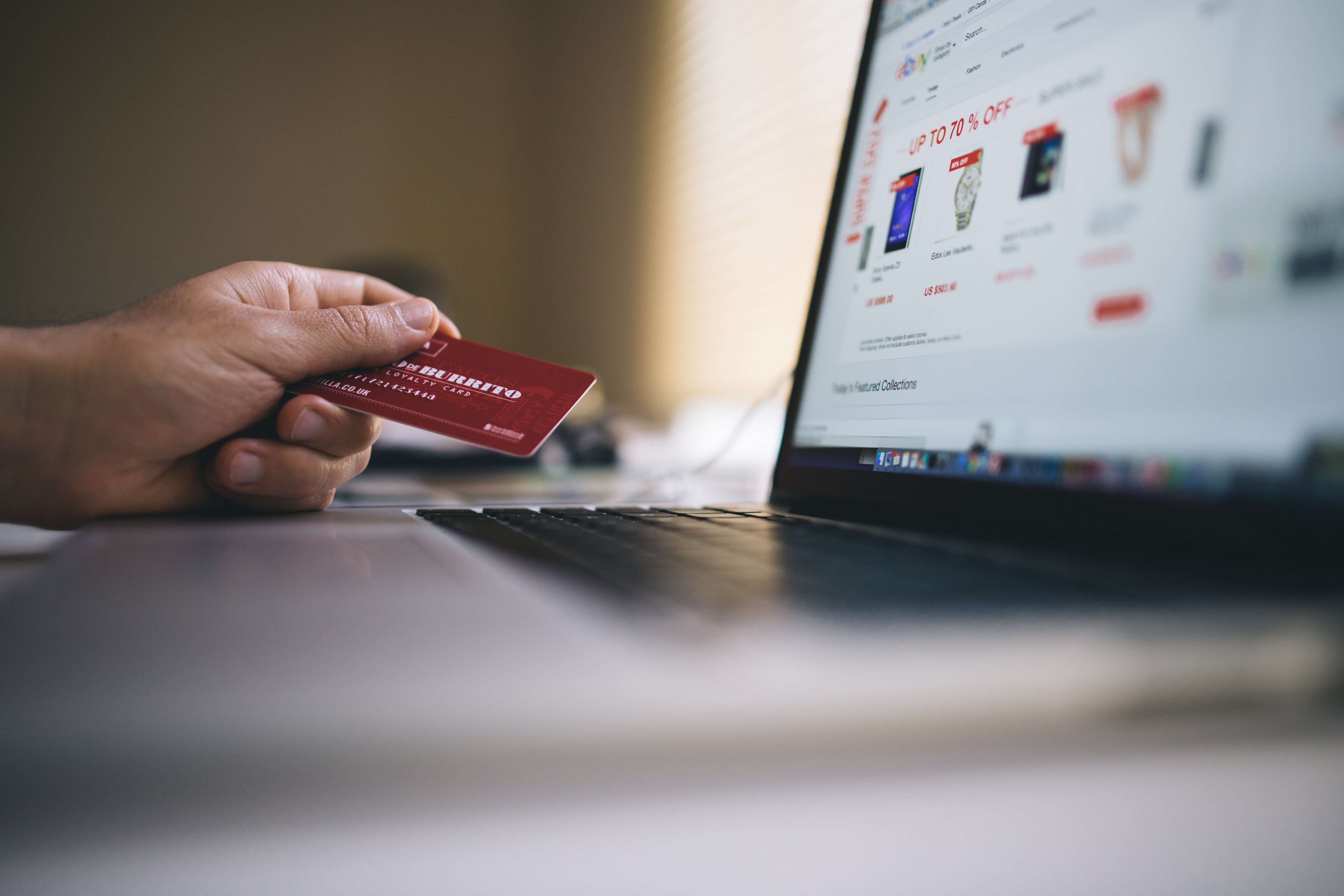
More consumers are waiting for discounts before buying online
May 26, 2026
-
Americans are delaying online purchases to wait for discountsespecially on electronics, clothing, and big-ticket items.
-
Many shoppers now purposely abandon carts hoping retailers send them coupon codes or free shipping offers.
-
Consumers are stacking coupons, cash back apps, rewards programs, and AI tools like ChatGPT to avoid paying full price.
For many Americans, shopping online no longer ends when you add something to the cart. In fact, thats often where the real strategy begins.
A new survey from CouponFollow found that 91% of Americans delay purchases to wait for a discount, and 61% are willing to hold out a month or longer before buying. The survey of 1,000 U.S. adults shows just how emotionally and financially calculated shopping has become in the age of inflation and rising household costs.
From tracking prices, abandoning carts on purpose, signing up for discounts, and timing purchases around sales cycles, consumers are getting pretty good at it and saving big in the process.
Americans are turning shopping into a strategy game
According to the survey, shoppers say they need an average discount of 26% to consider buying and not waiting for a better deal. Surprisingly, younger shoppers are the most patient, with millennials and Gen Z likely to delay purchases for months if they think a better price might be coming down the road.
Electronics are the biggest wait it out category, followed by clothing and fashion. That makes sense because both industries operate on fairly predictable markdown cycles.
Young consumers have learned that:
- TVs get cheaper around major sporting events and Black Friday.
- Laptops and electronics dip during back-to-school season.
- Clothing prices collapse at end-of-season clearance events.
- Mattresses go on sale during holiday weekends.
- Amazon notoriously fluctuates their prices constantly.
Once shoppers start to recognize these patterns, and the right time to buy certain items, paying full price starts to feel almost irresponsible or likea last resort.
The survey also found that 68% of shoppers actually feel slightly guilty buying something at full price, especially if they suspect a sale is coming soon. Meanwhile, a whopping 91% feel annoyed when they buy something only to notice it goes on sale shortly after their purchase.
Cart abandonment is no longer accidental
One of the more interesting findings from the survey is that 51% of Americans intentionally abandon their online shopping carts, in the hopes that a retailer sends them a discount code later.
And often, it actually works.
Retailers know abandoned carts represent unfinished sales that they may be able to capture. Many companies will automatically send out one of the following via email:
- 10% to 20% off coupons
- Free shipping offers
- Limited-time discount reminders
- Complete your purchase incentives
Pro tip: If youre shopping online for stuff like clothing, shoes, or home goods, add items to your cart and wait 24 to 72 hours before checking out. Make sure youre logged into your account and the store has your email address.
Many retailers will try to lure you back with a coupon code sent to your inbox.
This strategy works especially well with clothing retailers, mattress companies, beauty brands, and home dcor sites. It also works well with direct-to-consumer brands like Wayfair, Warby Parker, and Bombas. Its less effective with major retailers like Amazon or Walmart, where pricing changes are usually algorithm-driven.
Shoppers are becoming professional coupon stackers
Modern shoppers arent just hunting for one discount or coupon anymore. Instead, theyre trying to maximize their savings by stacking multiple discounts together.
Many consumers now combine:
- Coupon codes
- Cash back apps
- Browser extensions
- Rewards programs
- Credit card points
- Seasonal sales
- Store pickup discounts
And increasingly, theyre using AI tools to help. The survey found 28% of shoppers have already used tools like ChatGPT, Googles Gemini, or Perplexity to research pricing trends and deal timing.
Consumers are starting to ask AI questions like:
- Is this TV likely to get cheaper next month?
- Whats the lowest historical Amazon price?
- When does Nike usually run 30% off sales?
- Is this mattress deal actually good?
Shopping has quietly become data-driven and its time to start using these AI tools to save money if you havent already.
Pro tip: Before buying a major item online, search the product name plus phrases like price history, historical low price, or best time to buy. A few extra minutes spent on a significant purchase can save you a lot of money over the course of a year.
Sometimes waiting backfires
Id be remissif I didnt mention that this strategy sometimes doesnt work as planned.
According to the survey:
- 60% of shoppers had items sell out while waiting
- 54% forgot about purchases entirely
- 64% missed deals and abandoned purchases completely
Ironically, that last point may actually save shoppers money in the long run.
A lot of impulse purchases lose their appeal after a few weeks of waiting. That delay creates emotional distance between the excitement of seeing the item and the reality of spending money on it.
Retailers hate this because shoppers feeling rushed into a purchaseis one of their most powerful tools.
Thats why shoppers constantly see phrases like Only two left, Limited-time deal, Sale ends tonight, and Almost sold out.
Those messages are designed specifically to make you forget about the power of being patient. But with that said, I think its a good sign that the survey shows consumers are getting harder to pressure.
The rise of 'deal anxiety'
Six in 10 Americans say they feel anxiety deciding whether to buy now or wait for a better price. Thats totally understandable because todays pricing environment feels quite unpredictable.
Many consumers know prices are moving around behind the scenes, even if they cannot always see how or when.
The result is many shoppers second-guessing nearly every purchase. And in many households, bargain hunting no longer feels optional. Instead, it feels like a necessary tactic to fight back against rising costs.
For most Americans, the thrill of getting a deal right now outweighs the frustration of waiting for one. And as prices remain high and budgets stay tight, consumers are likely to become even more strategic before finally clicking buy.