Rockin Robin SongFlying The Web For News.
RobinPost Logo Amazon Prime Deals


Consumer Daily Reports

It's a familiar playbook, although there appears to be less planning this year than in the past

By James R. Hood of ConsumerAffairs
October 1, 2025

Despite, or perhaps because of, persistent efforts in Congress, the federal government ran out of money at midnight and is now officially out of action. The Senate adjourned late Tuesday night and the Office of Management andBudget issued a memo to executive branch agencies instructing them to "execute their plans for an orderly shutdown."

Leaving aside the he-said, she-said political jockeying, here is a look at the immediate effects on everyday consumers.

What will not be affected

  • Social Security payments will continue as usual, including Supplemental Security Income
  • Medicare, Medicaid, and disability insurance will be largely unaffected by a shutdown lasting less than three months
  • VA Medical Centers, Outpatient Clinics, and Vet Centers will remain open and provide all services
  • The majority of veteran benefits and military operations will continue to be funded
  • Visa and passport operations are fee-funded and not normally impacted

What will be affected

  • Around 900,000 federal workers willbe furloughed without pay, while another roughly 900,000 deemed essential would work without immediate pay
  • Travelers could experience longer airport lines, muddled itineraries, and National Park closures, including the Grand Canyon
  • New Social Security benefit verification and issuing of new cards pause during a shutdown, causing delays for new recipients
  • Food assistance programs like WIC and SNAP could face disruptions
  • Immigration court cases on the non-detained docket will be rescheduled to a later date

The shutdown was scheduled to begin at 12:01 AM and will continue until Congress passes new legislation. The most immediate impact will be on federal employees going without pay and reduced government services, while major benefit programs would largely continue operating.

DOGE, immigration efforts play a role

The effect on the economy may be greater than during previous shutdowns, thanks to the cost-cutting efforts of Elon Musk's DOGE program and the accelerated detention and deportation of undocumented workers, who make up a large percentage of the agricultural and hospitality workforces.

Some areas are being harder hit than others.The Washington, D.C., regions unemployment rate has climbed more than eight times faster than the national rate since January, according to a Brookings Institution analysis. Federal job losses have accelerated, while the share of residents with low credit scores and homes for sale has grown more quickly than elsewhere in the country. Private sector job growth has stalled, leaving the economy with little cushion against government cuts.

Facing the consequences

A federal government shutdown has wide-ranging effects, because funding for many agencies halts until Congress approves a budget. Heres a breakdown of the biggest impacts Americans typically feel:

1. Federal workers and contractors

  • Furloughs: Hundreds of thousands of federal employees are sent home without pay until funding is restored.

  • Essential workers still work: Military personnel, TSA agents, air traffic controllers, and federal prison guards must keep working, but their pay may be delayed.

  • Contractors hit hardest: Private contractors for the government often dont receive back pay after a shutdown ends.

2. Government services and benefits

  • Social Security, Medicare, Medicaid: These programs keep running, since theyre mandatory spending. However, customer service and processing (like new applications or appeals) can slow dramatically.

  • Food assistance: Programs like SNAP (food stamps) and WIC (nutrition for women and children) face funding gaps if a shutdown drags on.

  • Passports & visas: Processing slows or stops, creating travel delays.

  • Tax refunds: The IRS continues some operations, but many services pause, potentially delaying refunds and audits.

3. Economy and markets

  • GDP hit: Each week of shutdown reduces economic output, since government workers stop spending paychecks and contractors lose business.

  • Stock market volatility: Markets may react negatively to the uncertainty, especially if the shutdown signals broader fiscal dysfunction.

  • Consumer confidence: Public perception of government instability can dampen spending and hiring.

4. Public health and safety

  • FDA & CDC delays: Food inspections, disease surveillance, and some drug approvals can be postponed.

  • National parks: Parks may close or operate with reduced staff, leading to sanitation, safety, and visitor issues.

  • Research disruptions: NIH grants and other federally funded science projects stall, slowing medical and academic research.

5. Long-term consequences

  • Worker morale: Repeated shutdowns demoralize federal employees, making recruitment and retention harder.

  • Credibility: Internationally, shutdowns raise questions about U.S. political stability and fiscal management.

  • Catch-up costs: Restarting agencies after closures is inefficient and costly.


What to do during a government shutdown

Key points at a glance

  • Essential programs keep running (Social Security, Medicare, Medicaid), but services may slow.

  • Federal workers and contractors may miss paychecks, though most employees get back pay when funding resumes.

  • Everyday services like passports, food aid, and national parks may be delayed or disrupted.


Who is most affected

  • Federal employees & contractors: Paychecks are paused, though employees usually receive back pay. Contractors often do not.

  • Families on food assistance: SNAP and WIC programs can face funding shortfalls if the shutdown lasts.

  • Travelers: Passport and visa applications may stall, affecting trip plans.

  • Students & researchers: Federal grants and projects may freeze, delaying studies and research.


How to prepare and cope

  1. Check benefit status: Confirm how your benefits (SNAP, Social Security, VA) will be processed. Agencies often post updates on their websites.

  2. Plan ahead for travel: Apply for passports and visas early, before processing delays mount.

  3. Stock up if on assistance: Families using WIC or SNAP should consider buying essentials early in case of disruptions.

  4. Talk to lenders: If youre a federal worker, ask mortgage or credit card companies about hardship options many offer temporary relief during shutdowns.

  5. Track agency announcements: Follow updates from the IRS, Social Security Administration, and other key offices for service changes.


Quick checklist

Verify your benefits or pay status
Adjust travel plans if passport/visa needs are pending
Stock up if relying on food aid
Contact lenders if paychecks may be delayed
Watch for agency updates online


Posted: 2025-10-01 02:03:32

Get Full News Story On Consumer Affairs


Listen to this article. Speaker link opens in a new window.
Text To Speech BETA Test Version.


More News From This Category
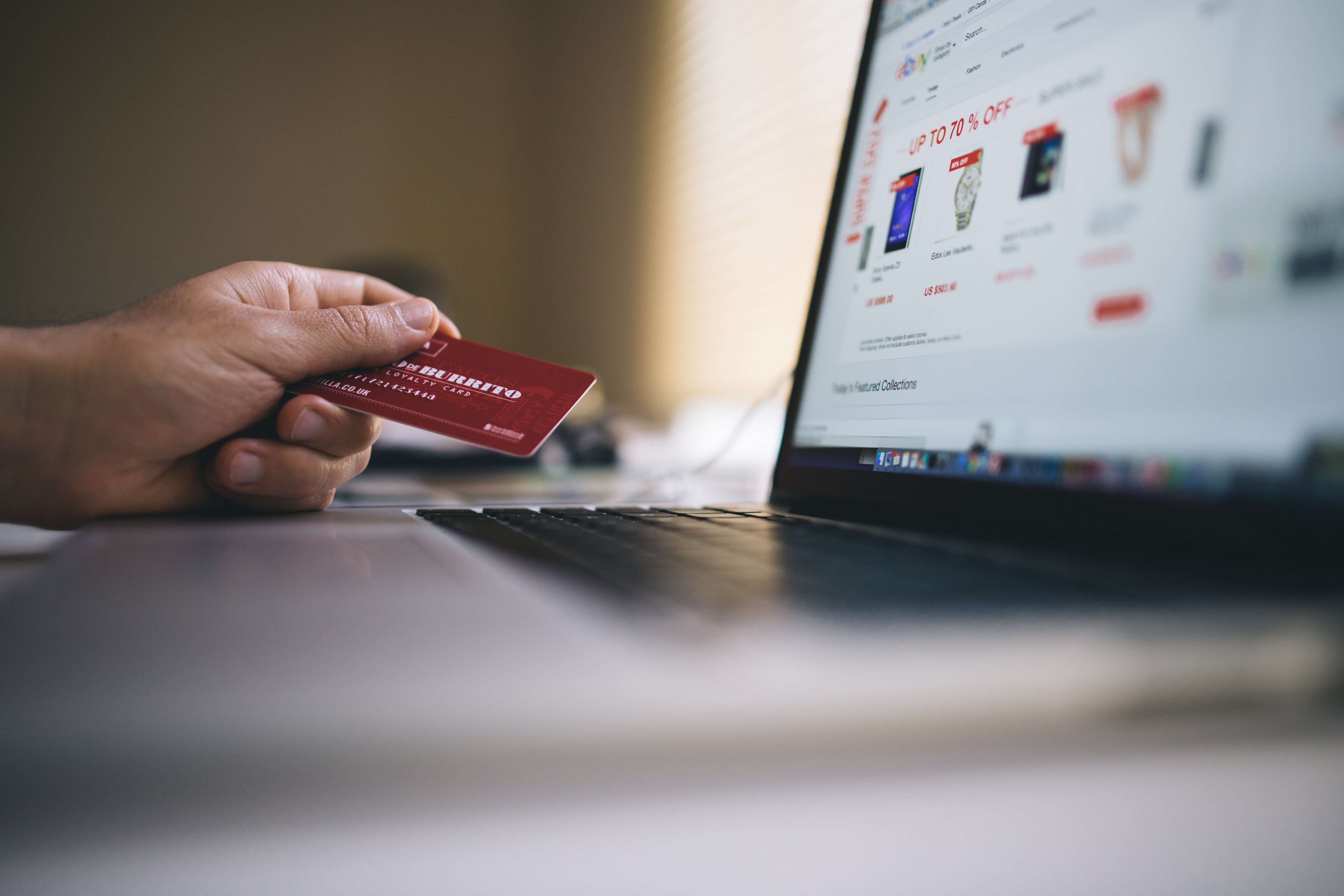
Consumer News: The online shopping tricks making Americans hit 'wait' instead of 'buy'
Tue, 26 May 2026 22:07:07 +0000

More consumers are waiting for discounts before buying online

By Kyle James of ConsumerAffairs
May 26, 2026
  • Americans are delaying online purchases to wait for discountsespecially on electronics, clothing, and big-ticket items.

  • Many shoppers now purposely abandon carts hoping retailers send them coupon codes or free shipping offers.

  • Consumers are stacking coupons, cash back apps, rewards programs, and AI tools like ChatGPT to avoid paying full price.


For many Americans, shopping online no longer ends when you add something to the cart. In fact, thats often where the real strategy begins.

A new survey from CouponFollow found that 91% of Americans delay purchases to wait for a discount, and 61% are willing to hold out a month or longer before buying. The survey of 1,000 U.S. adults shows just how emotionally and financially calculated shopping has become in the age of inflation and rising household costs.

From tracking prices, abandoning carts on purpose, signing up for discounts, and timing purchases around sales cycles, consumers are getting pretty good at it and saving big in the process.

Americans are turning shopping into a strategy game

According to the survey, shoppers say they need an average discount of 26% to consider buying and not waiting for a better deal. Surprisingly, younger shoppers are the most patient, with millennials and Gen Z likely to delay purchases for months if they think a better price might be coming down the road.

Electronics are the biggest wait it out category, followed by clothing and fashion. That makes sense because both industries operate on fairly predictable markdown cycles.

Young consumers have learned that:

  • TVs get cheaper around major sporting events and Black Friday.
  • Laptops and electronics dip during back-to-school season.
  • Clothing prices collapse at end-of-season clearance events.
  • Mattresses go on sale during holiday weekends.
  • Amazon notoriously fluctuates their prices constantly.

Once shoppers start to recognize these patterns, and the right time to buy certain items, paying full price starts to feel almost irresponsible or likea last resort.

The survey also found that 68% of shoppers actually feel slightly guilty buying something at full price, especially if they suspect a sale is coming soon. Meanwhile, a whopping 91% feel annoyed when they buy something only to notice it goes on sale shortly after their purchase.

Cart abandonment is no longer accidental

One of the more interesting findings from the survey is that 51% of Americans intentionally abandon their online shopping carts, in the hopes that a retailer sends them a discount code later.

And often, it actually works.

Retailers know abandoned carts represent unfinished sales that they may be able to capture. Many companies will automatically send out one of the following via email:

  • 10% to 20% off coupons
  • Free shipping offers
  • Limited-time discount reminders
  • Complete your purchase incentives

Pro tip: If youre shopping online for stuff like clothing, shoes, or home goods, add items to your cart and wait 24 to 72 hours before checking out. Make sure youre logged into your account and the store has your email address.

Many retailers will try to lure you back with a coupon code sent to your inbox.

This strategy works especially well with clothing retailers, mattress companies, beauty brands, and home dcor sites. It also works well with direct-to-consumer brands like Wayfair, Warby Parker, and Bombas. Its less effective with major retailers like Amazon or Walmart, where pricing changes are usually algorithm-driven.

Shoppers are becoming professional coupon stackers

Modern shoppers arent just hunting for one discount or coupon anymore. Instead, theyre trying to maximize their savings by stacking multiple discounts together.

Many consumers now combine:

  • Coupon codes
  • Cash back apps
  • Browser extensions
  • Rewards programs
  • Credit card points
  • Seasonal sales
  • Store pickup discounts

And increasingly, theyre using AI tools to help. The survey found 28% of shoppers have already used tools like ChatGPT, Googles Gemini, or Perplexity to research pricing trends and deal timing.

Consumers are starting to ask AI questions like:

  • Is this TV likely to get cheaper next month?
  • Whats the lowest historical Amazon price?
  • When does Nike usually run 30% off sales?
  • Is this mattress deal actually good?

Shopping has quietly become data-driven and its time to start using these AI tools to save money if you havent already.

Pro tip: Before buying a major item online, search the product name plus phrases like price history, historical low price, or best time to buy. A few extra minutes spent on a significant purchase can save you a lot of money over the course of a year.

Sometimes waiting backfires

Id be remissif I didnt mention that this strategy sometimes doesnt work as planned.

According to the survey:

  • 60% of shoppers had items sell out while waiting
  • 54% forgot about purchases entirely
  • 64% missed deals and abandoned purchases completely

Ironically, that last point may actually save shoppers money in the long run.

A lot of impulse purchases lose their appeal after a few weeks of waiting. That delay creates emotional distance between the excitement of seeing the item and the reality of spending money on it.

Retailers hate this because shoppers feeling rushed into a purchaseis one of their most powerful tools.

Thats why shoppers constantly see phrases like Only two left, Limited-time deal, Sale ends tonight, and Almost sold out.

Those messages are designed specifically to make you forget about the power of being patient. But with that said, I think its a good sign that the survey shows consumers are getting harder to pressure.

The rise of 'deal anxiety'

Six in 10 Americans say they feel anxiety deciding whether to buy now or wait for a better price. Thats totally understandable because todays pricing environment feels quite unpredictable.

Many consumers know prices are moving around behind the scenes, even if they cannot always see how or when.

The result is many shoppers second-guessing nearly every purchase. And in many households, bargain hunting no longer feels optional. Instead, it feels like a necessary tactic to fight back against rising costs.

For most Americans, the thrill of getting a deal right now outweighs the frustration of waiting for one. And as prices remain high and budgets stay tight, consumers are likely to become even more strategic before finally clicking buy.


Read More ...


Consumer News: Could poor sleep be an early warning sign for Alzheimer’s?
Tue, 26 May 2026 19:07:07 +0000

New research suggests sleep quality may matter even more for older women already at higher genetic risk

By Kristen Dalli of ConsumerAffairs
May 26, 2026
  • A new study found that poor sleep was linked to memory problems and Alzheimers-related brain changes in older women with higher genetic risk for the disease.

  • Researchers studied 69 women over age 65 using sleep questionnaires, memory tests, and brain scans that measured tau protein buildup.

  • Experts say sleep complaints could someday help identify people who may benefit from earlier monitoring or prevention strategies.


For years, scientists have known theres a connection between sleep and brain health, but new research from the University of California San Diego is adding another piece to the puzzle.

The study suggests that poor sleep may be tied to early Alzheimers-related changes in older women who are already genetically more vulnerable to the disease.

The findings are especially notable because women make up nearly two-thirds of Alzheimers cases, and they also tend to report more sleep problems than men as they age. Researchers say the results dont prove that poor sleep causes Alzheimers, but they do suggest sleep issues may be an important warning sign and possibly even a future target for prevention efforts.

The study

In the study, researchers examined 69 women ages 65 and older who were part of the Women Inflammation Tau Study, an ongoing project focused on aging and Alzheimers risk.

Participants answered questions about their sleep quality, completed memory testing, and underwent brain imaging scans that measured tau, a protein closely linked to Alzheimers disease.

The researchers found a clear pattern among women who had a higher genetic risk for Alzheimers.

The results

Those who reported worse sleep also tended to perform more poorly on visual memory tasks and had greater tau buildup in brain regions affected early in the disease.

Interestingly, the same relationship was not seen in women with lower genetic risk. Researchers also noted that the connection appeared specific to visual memory rather than verbal memory.

Scientists say the relationship between sleep and Alzheimers may work both ways. Earlier research has suggested that disrupted sleep could contribute to abnormal protein buildup in the brain, while Alzheimers-related brain changes may also interfere with healthy sleep patterns.

For consumers, the study highlights something many people tend to dismiss: ongoing sleep complaints may be worth bringing up with a doctor, especially for older adults concerned about cognitive health.

Researchers emphasized that self-reported sleep assessments are inexpensive and easy to administer, which could make them a practical tool for identifying people who may benefit from closer monitoring in the future.

At the same time, experts caution that this was a relatively small study focused specifically on older women, so more research is needed before drawing broad conclusions. Still, the findings add to growing evidence that sleep health may play a larger role in healthy aging than many people realize.


Read More ...


Consumer News: Even healthy eaters may see brain effects from ultra-processed foods
Tue, 26 May 2026 19:07:07 +0000

New research suggests convenience foods could quietly impact attention span

By Kristen Dalli of ConsumerAffairs
May 26, 2026
  • A new Australian study linked higher intake of ultra-processed foods to lower attention and focus scores.

  • Researchers found the effect appeared even in people who otherwise followed healthy eating patterns.

  • The study adds to growing concerns about how food processing itself may affect brain health.


People often think of ultra-processed foods (UPFs) as a problem mainly because they contain extra sugar, salt, or unhealthy fats. But new research suggests the issue may go deeper than nutrition labels alone.

A study led by researchers at Monash University found that diets higher in ultra-processed foods were associated with poorer attention and focus, even among people who generally ate healthy diets.

To put our findings in perspective, a 10% increase in UPFs is roughly equivalent to adding a standard packet of chips to your daily diet, researcher Dr. Barbara Cardoso said in a news release.

For every 10% increase in ultra-processed food a person consumed, we saw a distinct and measurable drop in a persons ability to focus. In clinical terms, this translated to consistently lower scores on standardized cognitive tests measuring visual attention and processing speed.

The study

The findings were published in the journal Alzheimer's Associations Alzheimers & Dementia: Diagnosis, Assessment & Disease Monitoring and were based on data from more than 2,100 Australian adults who were middle-aged or older. None of the participants had any history of dementia or cognitive decline.

Researchers examined participants eating habits alongside cognitive testing that measured things like visual attention and processing speed.

What the study found

According to the researchers, even a modest increase in ultra-processed food intake was linked to noticeable differences in focus.

The study noted that a 10% increase in ultra-processed foods was tied to lower performance on attention-related cognitive tests.

Ultra-processed foods can include items like packaged snacks, soft drinks, ready-made meals, and other heavily manufactured products. Researchers said participants in the study got about 41% of their daily energy intake from these foods, which closely reflects broader eating patterns in Australia.

One of the more surprising findings was that the connection remained even among people following otherwise nutritious eating patterns, including Mediterranean-style diets.

Researchers said that suggests the level of processing itself may play an important role.

Food ultra-processing often destroys the natural structure of food and introduces potentially harmful substances like artificial additives or processing chemicals, Dr Cardoso said.

These additives suggest the link between diet and cognitive function extends beyond just missing out on foods known as healthy, pointing to mechanisms linked to the degree of food processing itself.

The study did not find a direct link between ultra-processed foods and memory loss, but researchers emphasized that attention is still a critical part of brain health. Focus and processing speed help support learning, problem-solving, and other everyday cognitive functions.

For consumers, the findings are less about eliminating every packaged food and more about paying attention to how much of the diet comes from heavily processed products. Researchers say the study adds to growing evidence that brain health may be influenced not only by what nutrients people consume, but also by how foods are made.


Read More ...


Consumer News: Americans may need extra paperwork to drive overseas — How to avoid the travel mistake
Tue, 26 May 2026 19:07:07 +0000

Your U.S. drivers license might not be enough abroad

By Kyle James of ConsumerAffairs
May 26, 2026
  • Your U.S. license may not work overseas: Countries like Italy, Japan, and Greece often require an International Driving Permit (IDP) to legally drive or rent a car.

  • A $20 permit can save major headaches: An IDP acts as a translation of your license and can help you avoid denied rentals, fines, or insurance issues abroad.

  • Always check rental car rules before your trip: Some rental companies require extra paperwork even if the country technically accepts a U.S. license.


Planning a summer road trip through Europe or overseas? Before you rent that car, its important to realize that your U.S. drivers license may not be enough.

A new study from eCarsTrade found that American drivers licenses rank among the weaker licenses globally when it comes to international recognition. This is especially true when compared to European countries like France, Bulgaria, and Romania.

The issue largely comes down to international agreements between countries and whether travelers need an International Driving Permit (IDP) to legally drive abroad. The bottom-line: dont assume your drivers license automatically works everywhere.

Why this matters for travelers

Some countries flat-out legally require an IDP alongside your U.S. license. Others may not strictly require it by law, but rental car companies will often require it anyway.

Without the proper the documents, travelers will potentially face:

  • Denied rental car pickups
  • Fines during traffic stops
  • Insurance claim problems after an accident
  • Delayed trips and expensive last-minute transportation costs

This becomes especially important during the busy summer travel season when rental companies tend to be crowded and policies are more strictly enforced.

What exactly is an International Driving Permit?

An International Driving Permit is basically an official translation of your U.S. drivers license into multiple languages.

Its not a standalone license. You will still need to have your actual drivers license with you.

For Americans, IDPs are typically valid for one year and are issued through organizations like AAA and AATA before your trip. They usually will cost you a $20 permit fee, as well as a $10 passport photo fee.

Countries where travelers commonly need an IDP

American travelers frequently run into IDP requirements in places like:

  • Italy
  • Greece
  • Austria
  • Japan
  • Thailand
  • Parts of Eastern Europe

Even within Europe, rules can vary heavily by country.

Pro tip: Never assume because one European country accepts your U.S. license that neighboring countries will too. Border-crossing road trips can create problems if you only researched the rules for your arrival country.

How to avoid rental car surprises overseas

One of the biggest mistakes travelers make is only checking government travel websites and ignoring rental car company rules.

Even if local law technically allows a U.S. license, keep in mind that rental agencies may still require:

  • An IDP
  • A passport
  • A credit card in the drivers name
  • Proof of insurance
  • Extra age-related fees for younger drivers

Before traveling, be sure to check:

  • The countrys official tourism website
  • Your rental companys exact policy
  • Your credit cards rental insurance coverage
  • Whether your auto insurance works internationally

Why European licenses dominate globally

According to the study, European countries dominate the rankings because many belong to reciprocity agreements which automatically recognizes licenses across 30+ countries.

Specifically, France ranked No. 1 globally thanks to broad international recognition and long-term license validity, while several Eastern European countries ranked highly because of lower licensing costs.

For American travelers, the takeaway is that driving overseas requires a little more planning. A little bit of paperwork before your trip can save you from major headaches once you land.


Read More ...


Consumer News: Auto Safety Recall Derby - Week of May 25
Tue, 26 May 2026 19:07:06 +0000

Toyota, Blue Bird, Ford, and more are part of this week's recall roundup

By News Desk of ConsumerAffairs
May 26, 2026


Weekly Auto Recall Roundup

Here are the latest vehicle and equipment recalls announced by the National Highway Traffic Safety Administration (NHTSA).

Reminder: Recall repairs are free. Contact your dealer as soon as possible if your vehicle is affected.

Toyota Motor Engineering & Manufacturing NHTSA Recall ID 26V320000

Issue: Debris in Engine May Cause Stall

Make Model Model Years
TOYOTA TUNDRA 2024

Blue Bird Body Company NHTSA Recall ID 26V319000

Issue: Wheelchair Restraint Retractor May Not Lock

Make Model Model Years
BLUE BIRD VISION SCHOOL BUS 2027

Turtle Top NHTSA Recall ID 26V318000

Issue: Wheelchair Restraint Retractor May Not Lock

Make Model Model Years
FORD ODYSSEY 2026
FORD TERRA TRANSIT 2026

Hyundai Motor America NHTSA Recall ID 26V316000

Issue: Forward Collision Avoidance System May Activate Brakes Unexpectedly

Make Model Model Years
HYUNDAI TUCSON 20252026
HYUNDAI SANTA CRUZ 20252026
HYUNDAI TUCSON PLUG-IN HYBRID 20252026
HYUNDAI TUCSON HYBRID 20252026

Tesla, Inc. NHTSA Recall ID 26V315000

Issue: Missing Certification Label

Make Model Model Years
TESLA MODEL Y 20252026

Hyundai Motor America NHTSA Recall ID 26V314000

Issue: Loose Rear Suspension Fasteners

Make Model Model Years
HYUNDAI IONIQ 9 2026
HYUNDAI IONIQ 5 2025

Check your vehicle for recalls

To find out whether your specific vehicle is included in a recall, you can check by VIN or license plate on NHTSA's recall lookup page: NHTSA.gov/recalls.

If your vehicle has an unrepaired recall, contact your local dealership to schedule a repair recall remedies are provided at no cost.


Read More ...


Related Bing News Results
Consumer Reports: Simple steps to help slash daily screen time
Fri, 24 Apr 2026 01:25:00 GMT
Most of us know that too much scrolling on our phones isn’t great for our mental health. And now, a new approach to dialing down the digital noise is ironically trending on social media—of all places.

Consumer Reports retests protein powders, finds safer options
Wed, 18 Feb 2026 17:22:00 GMT
USES THESE SUPPLEMENTS. HERE’S MARISSA TANSINO. LAST FALL, CONSUMER REPORTS TESTED DOZENS OF PROTEIN POWDERS AND READY TO DRINK SHAKES. WHAT THE LAB FOUND RAISED RED FLAGS MORE THAN TWO THIRDS ...

How Much Lead Is in Protein Powder? Consumer Reports Shares Latest Findings
Mon, 12 Jan 2026 16:00:00 GMT
Consumer Reports released new findings after testing five reader-requested chocolate protein powders for lead and other heavy metals. The nonprofit organization previously revealed in late 2025 that ...

Consumer Reports |Experts warn against daily use of protein supplements
Mon, 20 Oct 2025 22:57:00 GMT
Protein powders and shakes are more popular than ever, often touted as workout fuel or even meal replacements. But a new Consumer Reports investigation reveals a hidden risk: some of these supplements ...

Your Daily Protein Shake Might Be Exposing You to Lead, Consumer Reports Finds
Mon, 13 Oct 2025 17:00:00 GMT
For many people, protein powder is a staple in their kitchen pantry because of its accessibility and versatility. However, not all protein supplements are created equal, as Consumer Reports’ (CR) ...


Blow Us A Whistle


Related Product Search/Búsqueda de productos relacionados

Amazon Logo

Visit Our New Print-On-Demand Stores On Printify and Zazzle
Printify Zazzle