Rockin Robin SongFlying The Web For News.

Article Tools/Herramientas de artículos

Consumer Daily Reports

The complaint alleges ultraprocessed foods are addictive and unhealthy

By Mark Huffman Consumer News: San Francisco sues major food manufacturers on health issue of ConsumerAffairs
December 3, 2025
  • San Francisco files a first-of-its-kind lawsuit accusing major food manufacturers of misleading consumers about the risks of ultraprocessed foods

  • The city argues that companies intentionally formulate products to be addictive while marketing them as healthy or convenient

  • Public health officials say ultraprocessed foods now represent a major driver of chronic disease and rising healthcare costs


The City of San Francisco has filed a lawsuit against several of the countrys largest food manufacturers, alleging that the companies knowingly design ultraprocessed foods (UPFs) to be addictive while deceptively presenting them as wholesome, safe, or part of a balanced diet.

Filed this week in San Francisco Superior Court, the suit targets multinational producers whose packaged snacks, sweetened beverages, cereals, frozen meals, and convenience foods are widely available on U.S. grocery shelves. The complaint argues that these companies have systematically misled consumers for decades about the health effects of UPFsproducts typically high in refined carbohydrates, industrial oils, salt, and additives formulated to enhance shelf life and intensify flavor.

Taking a page from the tobacco litigation playbook

City Attorney David Chiu compared the lawsuit to the early cases brought against tobacco companies, asserting that major manufacturers have long known the potential harms associated with high consumption of ultraprocessed foods.

These companies have exploited vulnerabilities in human biology, deliberately engineered products to keep people coming back, and then marketed them as convenient solutions for busy families, Chiu said in a statement. San Francisco taxpayers are bearing the cost of diet-related disease, and we believe the industry should be held accountable.

The lawsuit argues that the biochemical effects of UPFs, including rapid spikes in blood sugar and engineered bliss point flavor combinations, create patterns of dependency similar to other addictive substances.

Health and economic stakes for consumers

Public health experts cited in the complaint note that UPFs now make up more than half of the average American diet. Studies increasingly link high consumption to obesity, type 2 diabetes, heart disease, and other chronic conditions. San Francisco officials say these illnesses strain the citys healthcare budget and disproportionately harm lower-income communities.

The suit claims that manufacturers obscure these risks through marketing techniques that emphasize convenience, affordability, natural ingredients, or added vitamins and mineralsmessaging the city alleges is intentionally misleading.

Industry response

Food industry groups have pushed back, arguing that the lawsuit unfairly vilifies widely consumed products and oversimplifies the causes of diet-related disease. Some manufacturers claim they have invested heavily in reformulating products to reduce salt, sugar, and saturated fat while expanding better-for-you product lines.

They also argue that dietary choices are influenced by complex social and economic factors beyond the control of any single company.

San Francisco is seeking financial damages to offset healthcare and public health costs as well as court-ordered changes to marketing practices. Legal experts say the case could set a precedent for how governments address the health impacts of ultraprocessed foodsand could open the door to similar lawsuits from other cities or states.


Posted: 2025-12-03 12:21:42

Get Full News Story On Consumer Affairs


Listen to this article. Speaker link opens in a new window.
Text To Speech BETA Test Version.


More News From This Category
Consumer News: Nearly 40% of Gen Z are buying Christmas gifts for people they don't even like
Sat, 21 Nov 2026 14:07:10 +0000
Nearly 40% of Gen Z are buying Christmas gifts for people they don't even like

Guilt is driving holiday spending: 38% of Gen Z plan to buy gifts for people they don't even like. It's costing shoppers real money: Nearly half of those buying gifts for people they dislike expect to spend $200 or more. You can break the cycle: Setting spending limits, suggesting gift exchanges, and having honest conversations can help protect your holiday budget. Holiday shopping is supposed to...


Consumer News: The Christmas shopping trick hiding in the gift card aisle: How to get $100 for $80
Fri, 20 Nov 2026 20:07:10 +0000
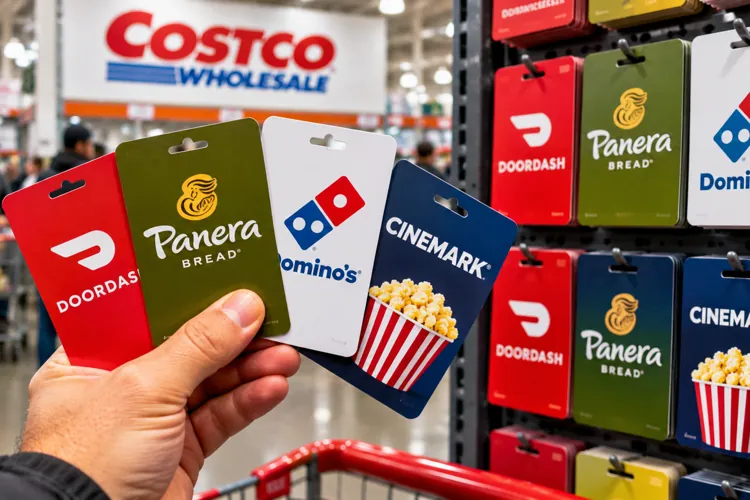
The Christmas shopping trick hiding in the gift card aisle: How to get $100 for $80

Discounted gift cards can mean instant savings: Most Costco and Sam's Club locations sell gift cards for 20% or more below face value. Holiday promotions can put extra money in your pocket: Kroger offers bonus fuel points on qualifying gift cards, while Barnes & Noble is offering a $10 bonus on $100 purchases. You don't have to give them as gifts: Buy discounted cards for places where you alre...


Consumer News: Your Instagram habits may reveal more than your carefully curated highlights
Fri, 20 Nov 2026 17:07:10 +0000
Your Instagram habits may reveal more than your carefully curated highlights

A new study found that Instagram activity could help researchers identify patterns associated with emotional and social loneliness. People who reported feeling lonelier tended to share fewer photos featuring other people and use more past-focused language. Researchers say social media activity could eventually help identify people who need support, but privacy and accuracy remain important concern...


Consumer News: Thanksgiving food safety starts before the first bite. Here's what to know
Fri, 20 Nov 2026 17:07:10 +0000
Thanksgiving food safety starts before the first bite. Here's what to know

Rutgers experts say consumers should check food recalls before shopping for or preparing Thanksgiving dinner. Proper turkey thawing, food temperatures, and leftover storage are important steps in preventing foodborne illness. Holiday guests can also bring potential hazards for children and pets, including medications, cannabis products, and certain foods. Thanksgiving dinner involves plenty of pla...


Consumer News: Most cannabis products are still missing important label information
Fri, 20 Nov 2026 17:07:09 +0000
Most cannabis products are still missing important label information

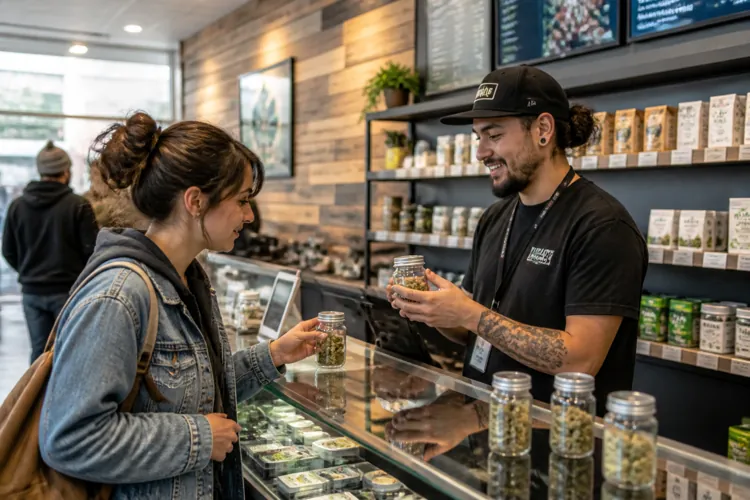
A new study found that just 14% of cannabis products sampled at Colorado dispensaries included all required label information. Expiration dates and recommended storage instructions were among the most commonly missing details. Researchers say incomplete labels could make it harder for consumers to understand what they're buying and use cannabis products safely. When purchasing cannabis, consumers...


Related Bing News Results
Consumer Reports' highest-rated nonstick cookware set is under $200
Tue, 17 Nov 2026 09:39:00 GMT
The quality of your cookware can make or break how you operate in your kitchen, so we want you to know which set Consumer Reports thinks is worth your time.
Consumer Reports reveals 2026 best car brands with affordable winners
Wed, 10 Dec 2025 12:17:00 GMT
Foreign brands snagged 9 of top 10 spots on Consumer Reports magazine's 2026 Automotive Brand Report Card. Jeep placed last. Early adopters pay for innovation with reliability issues. The average ...
10 Vehicles Consumer Reports Rates Highly for Ride Comfort
Sat, 07 Nov 2026 09:15:00 GMT
Ride comfort plays an important role when choosing a vehicle, especially for drivers who spend long hours commuting, travel with family, or regularly cover ...
Consumer Reports finds some kids’ vitamins contain up to 5 times the nutrients listed on labels
Wed, 11 Nov 2026 01:31:00 GMT
Consumer Reports tested 21 children’s vitamins and found each had at least one nutrient level that differed from its label—sometimes by as much as 500%. All products were considered safe, with heavy ...
Consumer Reports tests kids vitamins for heavy metals, label accuracy
Sat, 14 Nov 2026 07:02:00 GMT
Approximately 1 in 3 kids under age 19 regularly take a dietary supplement, according to the Centers for Disease Control and Prevention. But do kids’ vitamins actually contain what they say on the ...

Blow Us A Whistle


RobinsPost Print On Demand Refund Policy With Printify
Printify

Related Product Search/Búsqueda de productos relacionados

Amazon Logo