Rockin Robin SongFlying The Web For News.


Consumer Daily Reports

Consumer Product Safety Commission recalls include children's products, toys, tools and assorted appliances and furniture

By News Desk of ConsumerAffairs
December 4, 2025

A wave of new federal recalls and safety warnings highlights continuing concerns about unsafe baby products, risky household items and defective gear of all kindsmany sold online through Amazon, Walmart and other major platforms. The Consumer Product Safety Commission (CPSC) this week announced this week's list of recalls and hazard advisories.

While no deaths have been reported, officials warn that several recalled products pose life-threatening risks, including electrocution, asphyxiation, entrapment, falls, drowning, burns and explosion hazards. Consumers are urged to stop using all affected items immediately.


KTEBO writing tablet toy recall over battery injury risk

Parents should stop using these writing tablets sold on Amazon and seek a free replacement from KTEBO.

  • Button battery compartment can open, risking ingestion and serious injury or death to children

  • Recall affects about 10,380 KTEBO writing tablet toy sets sold in multiple colors and sizes

  • Consumers should contact the company for a replacement

Photo

Thousands of KTEBO-branded writing tablet toys are being recalled due to a serious safety risk. The battery compartment on these toys can open easily, exposing a button cell battery that poses a life-threatening hazard if swallowed by children. The tablets were sold in sets of two in a variety of colors and sizes on Amazon between September and October 2025.

The hazard

The toys violate federal safety standards because the screw intended to secure the battery compartment does not remain attached. If a button cell battery is swallowed, it can cause internal burns, serious injuries or death. No injuries have been reported.

What to do

Consumers should immediately stop using the recalled writing tablet toys and contact KTEBO for a free replacement. Do not allow children to play with these products.

Company contact

Contact KTEBO by email at writing-tablet-recall@ktebo.com for more information.

Source

Read the official recall notice


Cubimana building toy recall for battery ingestion danger

Parents who bought Cubimana treehouse sets on Shein should stop use and get a refund due to battery risks.

  • Battery compartment in LED light piece can be easily accessed by children

  • Recall affects about 40 Cubimana treehouse building sets sold on Shein from July to October 2025

  • Immediate stop use and refund available from Vatos Toys

Photo

Cubimana-branded treehouse building toy sets sold online at Shein are being recalled due to a dangerous battery hazard. The battery compartment in the LED light piece can be easily opened by children, creating a risk of ingesting button cell batteries.

The hazard

The toy sets fail to meet mandatory safety standards. If a child swallows a button cell battery, it can cause severe internal injuries, chemical burns or be fatal. No incidents or injuries have been reported.

What to do

Consumers should immediately stop children from using the recalled Cubimana building sets and contact Vatos Toys for a full refund.

Company contact

Contact Vatos Toys by email at shein.us@vatostoys.com for refund instructions.

Source

Read the official recall notice


Little Pea Shop crib bumper recall for suffocation hazard

Caregivers must stop using these crib bumpers sold online and request a refund from Little Pea Shop.

  • Padded crib bumpers violate federal ban and can cause suffocation

  • About 300 units in multiple styles and colors affected, sold October 2023 to October 2025

  • Refunds available for all affected products
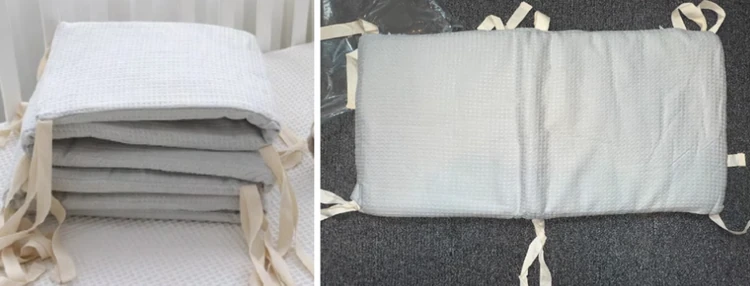
Photo

Little Pea Shop is recalling its padded crib bumpers sold online due to a suffocation risk. These bumpers, banned by federal law, can create an unsafe sleeping environment for infants.

The hazard

The recalled bumperssold in various designs and lengthscan obstruct an infants breathing and violate the federal crib bumper ban under the Safe Sleep for Babies Act. No injuries have been reported.

What to do

Consumers should remove the bumpers from cribs immediately and contact Little Pea Shop for a refund.

Company contact

Contact Little Pea Shop by email at support@littlepeashop.com or online at recall page for more details.

Source

Read the official recall notice


FUFU&GAGA Murphy wall bed recall for impact and laceration hazards

Owners of these wall beds should stop assembly and contact the company for a refund due to injury risks.

  • 215-pound bed frame can fall during assembly, causing impact or laceration injuries

  • About 250 FUFU&GAGA queen size wall beds sold online between January and April 2025 affected

  • Refunds available; two injuries reported

Photo

A recall is underway for FUFU&GAGA white wood frame queen size Murphy wall beds due to a risk of severe injury. The heavy bed frame can fall if not properly anchored during assembly or disassembly.

The hazard

The 215-pound frame can fall on consumers, creating deadly impact, crush or laceration hazards. Two incidents have resulted in significant injuries, including lacerations and a fractured finger.

What to do

Consumers should immediately stop assembling or disassembling the recalled beds and contact the company for a refund.

Company contact

Contact Ningbo Tianqi Electronic at 208-820-0799 (9 a.m. to 5 p.m. ET, MondayFriday), email adelahu@fufugaga.com or support@fufugaga.zendesk.com, or visit www.fufugaga.com and click on RECALL INFORMATION.

Source

Read the official recall notice


Casaottima 13-drawer dresser recall for tip-over hazard

Parents should stop using these dressers from Amazon and request a refund from Casaottima.

  • Unstable dressers can tip over, risking serious injury or death to children

  • About 4,120 Casaottima 13-drawer dressers in several colors recalled

  • Consumers should stop use and get a refund

Photo

Casaottima 13-drawer dressers sold on Amazon are being recalled for tip-over and entrapment hazards. The dressers do not meet the mandatory safety standard required by the STURDY Act and pose risks to children if not anchored.

The hazard

The recalled dressers are unstable and can tip over if not anchored to the wall, risking serious injuries or death to children. No injuries have been reported.

What to do

Consumers should stop using the recalled dressers immediately and contact Casaottima for a refund.

Company contact

Contact Casaottima by email at support@casaottima.store or online at recall page for more information.

Source

Read the official recall notice


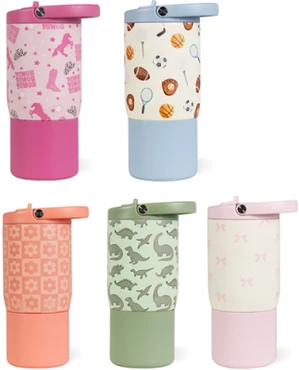
HydroJug childrens sport tumbler recall for choking risk

Parents should stop using these 14-ounce tumblers and request a free replacement from HydroJug.

  • Handle rivets can loosen and detach, posing a choking hazard for children

  • About 17,000 HydroJug childrens sport tumblers affected

  • Company offering free replacements

Photo

HydroJug is recalling about 17,000 14-ounce childrens sport tumblers after hundreds of reports of the handle rivets coming loose. Detached rivets pose a choking risk to young children.

The hazard

The rivets on the handle can loosen and detach, creating a choking hazard. There have been 656 reports of the problem but no injuries reported.

What to do

Consumers should immediately stop using the recalled tumblers and contact HydroJug for a free replacement product.

Company contact

Contact HydroJug by email at service@thehydrojug.com or visit the companys recall page for instructions.

Source

Read the official recall notice


Grizzly Industrial heavy-duty planer recall for impact hazard

Owners should stop using these planers and contact Grizzly Industrial for a free repair kit.

  • Chip breaker can contact cutterhead, ejecting debris and risking injury

  • About 2,300 Grizzly G0815 15 3HP heavy-duty planers recalled in the US

  • Free repair kit and instructions available
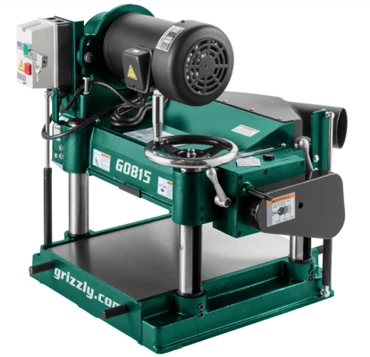
Photo

Grizzly Industrial is recalling thousands of its 15-inch heavy-duty planers due to a risk of impact and laceration injuries caused by design flaws in the chip breaker.

The hazard

The chip breaker can come into contact with the cutterhead blades during use, which may cause debris to be ejected from the planer. This poses serious impact and laceration risks to users and bystanders. Seven breakage incidents have been reported, with no injuries.

What to do

Consumers should immediately stop using the recalled planers and contact Grizzly Industrial for a free repair kit and installation instructions.

Company contact

Contact Grizzly Industrial toll-free at 888-615-7944, email recalls@grizzly.com, or visit www.grizzly.com/recalls for details.

Source

Read the official recall notice


CreateOn pip-cube recall for magnet ingestion hazard

Parents should stop children from playing with these magnetic cubes and request a replacement from CreateOn.

  • Magnets can come loose, posing a risk if swallowed

  • About 9,400 CreateOn Crayola-branded pip-Cube sets in multiple colors affected

  • Company offers free replacement cubes

Photo

CreateOn is recalling thousands of Crayola-branded pip-Cubes magnetic building sets due to the risk of magnets coming loose. Swallowing magnets can cause life-threatening injuries.

The hazard

If the seams on the cubes separate, small magnets can come free. If swallowed, these magnets can attract to each other inside the body, leading to intestinal blockages, perforations or worse. No injuries have been reported.

What to do

Consumers should immediately take the recalled cubes away from children and contact CreateOn for a free replacement set.

Company contact

Contact CreateOn toll-free at 800-333-0549, email pipcuberecall@CreateOn.com, or visit createon.com/recall for more information.

Source

Read the official recall notice


Primark water balloon pump recall for rupture injury risk

Consumers should stop using these water balloon pumps and contact Primark for a refund.

  • Pump can rupture during use, causing cuts or injuries from excessive pressure

  • About 3,170 Primark water balloon pumps in blue and pink affected

  • Refunds available; two injuries reported in the US

Photo

Primark is recalling water balloon pumps sold at its stores in several states after reports of the products rupturing and causing cuts to users hands and fingers.

The hazard

The pump can generate excessive pressure, causing it to rupture and potentially injure the user or bystanders. Two injuries were reported in the US and nine internationally.

What to do

Consumers should stop using the recalled water balloon pumps and contact Primark for a refund.

Company contact

Call Primark at 617-946-3236, visit primark.com/recall, or fill out the contact form on their website for more information.

Source

Read the official recall notice


Warning: Jobon torch lighters lack child safety features

CPSC urges consumers to stop using and properly dispose of these lighters due to fire and burn risks.

  • Torch lighters lack required child-resistant mechanisms, violating safety standards

  • About 13,000 sold online at Amazon, 150 at Alibaba from April 2021 to September 2025

  • Immediate stop use and safe disposal required

Photo

The U.S. Consumer Product Safety Commission is warning consumers to stop using Jobon butane torch lighters due to the absence of child-resistant features. These lighters were sold online in various colors and lack crucial safety mechanisms.

The hazard

The lighters do not meet the mandatory standard for multipurpose lighters because they lack child-resistant mechanisms. This poses a risk of serious injury or death from fire and burns.

What to do

Consumers should immediately stop using and dispose of these lighters according to local regulations. Do not sell or give them away.

Source

Read the official CPSC warning


Posted: 2025-12-04 16:35:04

Get Full News Story On Consumer Affairs


Listen to this article. Speaker link opens in a new window.
Text To Speech BETA Test Version.


More News From This Category
Consumer News: 79% of young adults say staying healthy is straining their finances
Tue, 29 Sep 2026 19:07:18 +0000

From healthier groceries to fitness and wellness treatments, preventive health spending is adding up for younger Americans

By Kristen Dalli of ConsumerAffairs
September 29, 2026
  • 79% of young adults say the cost of staying healthy has left them financially stretched

  • 21% have cut back on saving or investing to afford wellness expenses

  • Experts recommend separating evidence-based preventive care from elective wellness and longevity products


For many young adults, staying healthy can come with a surprisingly high price tag. Healthier groceries, gym memberships, supplements, and newer wellness treatments can all add to the monthly budget and new research suggests some people are making financial sacrifices to keep up.

A survey of 1,010 Americans ages 18 to 40 found that 79% say the cost of being healthy has left them financially stretched. That includes cutting back on saving or investing and, for some, paying out of pocket for more expensive preventive health and longevity options.

ConsumerAffairs spoke with Kate Placzek, Ph.D., Medical Editor at Mesothelioma.com, who explained the impact health and wellness can have on consumers finances.

How the survey was conducted

Mesothelioma.com surveyed 1,010 Americans ages 18 to 40 in 2026 to learn more about how younger adults are spending money on preventive health and whether they view those expenses as an investment or a luxury.

The group had an average age of 31, with women making up 50% of respondents and men 49%. Gen Z accounted for 38% of the participants, while millennials made up 62%.

Key findings

The survey found that 85% of young adults have paid more for everyday products they believe will protect their future health, while 79% said the cost of staying healthy has left them financially stretched. That pressure is affecting other areas of their finances, too: 21% said they've cut back on saving or investing to pay for wellness expenses.

At the same time, many respondents said they're willing to spend more now to potentially avoid larger medical bills later. Nearly 4 in 5 (78%) said they'd rather pay for prevention now than risk higher treatment costs in the future, although just 22% believe preventive health spending actually saves them money. More than half (56%) spend $50 or less per month on preventive health, while 20% spend more than $100.

Is it an investment?

The survey found that 78% of respondents view health and wellness spending as an investment, yet only 22% believe it actually saves them money.

The word investment does not necessarily mean that someone expects a financial return, Dr. Placzek said. A person may view spending on their health as worthwhile because they believe it supports their well-being, reduces future health risks, or gives them a greater sense of control over their health.

It is also important to recognize that the survey groups together a wide range of products and services under the umbrella of prevention. Some are established forms of preventive care, while others are elective wellness or longevity services with varying levels of evidence. Their potential health value and cost-effectiveness cannot be assumed to be the same.

Making financially-smart decisions

For those looking to balance health goals without jeopardizing their health, Dr. Placzek has some advice.

From a health perspective, a useful first step is to separate recommended preventive medical care from elective wellness products and services, she said. Patients can discuss screening, medications, supplements, or other interventions with an appropriate healthcare professional to understand which options are supported by evidence and relevant to their individual health needs.

Health-related spending should also be evaluated based on the specific product or service rather than assuming that everything marketed as preventive, wellness, or longevity provides the same level of benefit.

Read More ...


Consumer News: Shopping at 7-Eleven or Circle K? Check the price before you pay
Tue, 29 Sep 2026 19:07:18 +0000

A new investigation found widespread pricing errors at the nation's two largest convenience-store chains

By Kyle James of ConsumerAffairs
September 29, 2026
  • Prices didnt always match: Circle K failed 82% of government price-accuracy inspections in Columbus, Ohio, while 7-Eleven failed 79% in one New York county.

  • It's not just snacks: Consumers also complained about gas pumps charging more than prices displayed on roadside signs.

  • Protect yourself: Photograph sale signs or shelf tags, watch the register, and keep your receipt until you've checked the prices.


That $3.99 bag of snacks might not cost $3.99 when you get to the register.

A new The Guardian investigation found widespread price discrepancies at 7-Eleven and Circle K, the country's two largest convenience-store chains, with shoppers sometimes paying more at checkout than prices displayed on shelves, sale signs, and even gas-station marquees.

Government inspection records examined by The Guardian found Circle K failed 35% of price-accuracy inspections in Florida, 62% in North Carolina, and a whopping 82% in Columbus, Ohio, between 2023 and 2025.

7-Eleven failed 47% of inspections in Colorado and Utah and 79% in Ontario County, New York.

And this isn't just a matter of a few pennies.

During one Arizona inspection this year, 12 of 25 products at a 7-Eleven rang up higher than their shelf prices. A $3.99 pack of gum rang up at $4.99.

The Guardian also reviewed 153 consumer complaints involving the two chains across 17 states. Roughly half involved food, drinks, and other merchandise, while the rest involved gasoline, including complaints that prices at the pump were higher than those advertised on roadside signs.

The problem may be bigger at convenience stores

Convenience stores had the highest price-inspection failure rate of any retail category examined in a 2024 National Council on Weights and Measures report cited by The Guardian.

Convenience stores failed 34% of inspections across 26 states, compared with 29% for dollar stores and 27% for auto-parts stores.

The problem can be particularly easy to miss at a convenience store. You're probably grabbing a drink, snacks, or a few gallons of gas and trying to get back on the road quickly. Youre not studying your receipt for a 40-cent discrepancy.

But those small amounts can add up.

7-Eleven told The Guardian that it takes pricing accuracy "very seriously" and has processes to correct discrepancies when they're identified. Circle K said it is committed to complying with applicable laws and regulations and works to correct unintentional pricing errors.

5 ways to protect yourself

  1. Take a quick photo of sale signs. If you're buying something because the shelf says two for $5 or because of another promotion, snap a picture before heading to the register. It gives you quick evidence to show an employee if the discount doesn't ring-up.

  2. Watch the price as items are scanned. Don't wait until you're in the car to look at the receipt. If a $3.99 item rings up at $4.99, it's much easier and quicker to question it while you're still standing at the register.

  3. Check the pump before you start fueling. Compare the per-gallon price displayed on the pump with the large roadside sign. One North Carolina Circle K advertised gas at $3.459 a gallon while the pump showed $3.799, according to an inspection described by The Guardian.

  4. Don't assume a loyalty discount is automatic. Look for any fine print requiring a rewards account, phone number, app, or particular payment method. If none is disclosed but the advertised price doesn't appear, ask why before paying.

  5. Report repeat problems. Keep the receipt and photograph the shelf tag, sale sign, or gas-price sign. If the store won't correct a discrepancy, look for your state or local weights-and-measures agency or consumer-protection office. Complaints matter because some jurisdictions inspect convenience stores primarily in response to consumer reports.

A 20-cent mistake may not seem worth arguing over. But if the same error is happening across hundreds or even thousands of transactions, those pennies don't stay pennies for long.

Read More ...


Consumer News: Holiday shopping is already here – what consumers should know
Tue, 29 Sep 2026 19:07:17 +0000

An early start can make budgeting easier, but it can also give shoppers more opportunities to spend

By Kristen Dalli of ConsumerAffairs
September 29, 2026
  • Start with a total holiday budget that accounts for gifts, travel, food, entertainment, and other seasonal expenses.

  • Spreading purchases over several months doesn't necessarily mean spending less track your spending to make sure you stay within your overall limit.

  • Use the extra time to plan and compare prices, rather than letting sales, limited-edition products, or holiday pressure lead to impulse purchases.


It may feel a little early to start thinking about holiday gifts, but retailers are already getting shoppers into the holiday spirit. Advent calendars and other seasonal products are hitting shelves months before the holidays, giving consumers more time and more opportunities to spend.

Starting early isn't necessarily a bad thing. Spreading out purchases could make holiday expenses easier to manage, especially for shoppers who plan ahead. But a longer shopping season can also mean more chances to make impulse purchases, fall for limited-time offers, or simply spend more than intended.

With the holiday shopping season getting longer, Andy Smith, executive director of financial planning at Edelman Financial Engines, explains how consumers can take advantage of an early start without letting holiday spending get out of hand.

Use the time to budget

Smith explained that an earlier holiday shopping season can work in consumers favor if they treat the extra time as a planning window, rather than a longer spending window.

The longer shopping season offers more opportunities to compare prices and make thoughtful decisions, he said. Before making the first purchase of the season, consumers should determine what they can comfortably spend in total and then break up that amount across upcoming gifts, travel, entertainment, and other miscellaneous holiday expenses.

Without a predetermined spending limit, people are creating more opportunities to blow up their budget and knock their broader financial plan off-track.

Setting a realistic holiday spending limit

When it comes to creating your budget, Smith shared his best advice for consumers giving them plenty of time to start preparing for the added expense.

  • Start with your financial priorities, not your shopping lists. Look at essential expenses, debt payments and savings goals first, and then determine what you can allocate toward the holidays without disrupting those commitments.

  • Establish one total holiday spending number and account for more than just gifts. Travel, food, decorations, entertainment, and other seasonal expenses can all add up quickly and are easy to overlook when budgeting. Sometimes (most times!), its vital to remember that the money you spend on stuff is the same money youre spending to be with friends and family and, in the long run, one is probably a lot more important than the other.

  • Connect that budget to something worth caring about. This could be contributing toward retirement, building your emergency savings, or paying down debt. When consumers understand what theyre protecting, a spending limit can feel less like deprivation and more like a deliberate financial choice.

The benefits of spreading out purchases

Something important to keep in mind: Spreading purchases over several months doesn't automatically mean spending less. For some, the extra time can translate to extra spending.

[Spreading out purchases] can make the expenses feel more manageable because they aren't hitting bank accounts or credit cards all at once, but that can also make it harder to recognize how much has been spent in total, Smith said.

His advice: track all of your purchases.

If consumers decide theyre spending $1,000 on holiday expenses, for example, that number shouldn't change simply because they started shopping in October instead of December. The real benefit comes when combining the extended timeframe with a fixed overall budget.

Smith says the benefit of spreading out holiday purchases is having the extra time to compare prices, wait for the right opportunity, and avoid the pressure of last-minute purchases.

Avoiding pressure-filled purchases

The closer it gets to the holidays, its not uncommon to feel inundated with messages about sales, promotions, discounts, limited time items, holiday launches, and more. To avoid making impulse purchases or the pressure-filled feeling associated with many purchases, Smith advises consumers to slow down and use the extra time to their advantage.

Consumers are surrounded by sales, promotions, social pressure, and messages encouraging them to act quickly, he said. Rather than trying to make the perfect decision on every purchase, establish a few simple financial boundaries ahead of time youre planning for the time (and it will come!) where you find yourself starting to rationalize just one more purchase.

Ultimately, a good holiday budget isn't about spending as little as possible. It's about spending intentionally so you can enjoy the season without starting the new year having to undo the financial consequences. Know what you can spend, identify what matters most, and understand which longer-term goals you don't want holiday spending to compromise.

Read More ...


Consumer News: Hot, dry weather may make you cough more
Tue, 29 Sep 2026 19:07:16 +0000

New research finds that very dry air can irritate the airways, while a salt-based aerosol may help

By Kristen Dalli of ConsumerAffairs
September 29, 2026
  • Extremely dry air can cause airway mucus to lose water and collapse onto tiny hair-like structures called cilia.

  • Researchers found that prolonged exposure to hot, dry conditions increased activity in genes linked to cough sensitivity.

  • A small clinical trial found that an alkaline magnesium salt aerosol reduced daily coughing compared with a placebo.


When the weather gets extremely hot and dry, staying hydrated may not be the only concern. New research from the University of North Carolina and collaborators suggests that very dry air can also affect the moisture lining the airways.

The airways are covered by a thin layer of mucus and tiny hair-like structures called cilia. Together, they help protect the respiratory system. But when the air is particularly dry, water can evaporate from this layer.

Researchers found that this can cause the mucus to thin and collapse onto the cilia, putting pressure on the cells underneath and making the airways more sensitive. The findings could help explain why extremely dry conditions may contribute to coughing and other respiratory symptoms.

How researchers studied the connection

The researchers used several approaches to investigate what happens to the airways in dry conditions.

First, they used mathematical modeling to examine how airway mucus responds to different levels of dryness and how various salt-based aerosols affect rehydration.

They also grew human bronchial airway cells in the laboratory and exposed them to either humid air or a hot, very dry environment. The dry-air condition was 35 degrees Celsius with 30% relative humidity. The researchers then examined changes in genes associated with cough sensitivity and the way airway cells respond to dehydration.

Finally, they conducted a randomized, double-blind, placebo-controlled clinical trial involving 10 people with refractory chronic cough in Riyadh, Saudi Arabia. Participants inhaled either an alkaline aerosol containing magnesium salts or a saline placebo.

What the study found and what it means

After eight hours in the hot, dry laboratory environment, the airway cells showed increased activity in several genes associated with cough hypersensitivity. The researchers also found that the magnesium salt aerosol could reverse the airway mucus collapse for several hours.

In the human trial, researchers reported that the magnesium salt aerosol reduced daily cough bouts by 59% compared with placebo after two weeks of treatment. The researchers also reported that the benefit continued after treatment ended.

Hypertonic salts have long been used to treat cystic fibrosis, a genetic condition of dehydrated airways, researcher Brian Button, Ph.D. said in a news release.

This study gives evidence that new kinds of hypertonic salts, longer acting and rendered therapeutic by optimization of rehydration processes within mucus we are only beginning to discover, might provide prophylaxis and treatment options for a human population previously spared the damages of mucosal dehydration.

There is an important caveat, however: The human portion of the study was very small, with only 10 participants, and the researchers say additional work is needed to understand the potential treatment.

For consumers, the findings offer a closer look at one way extreme dryness may affect the respiratory system. They also point to the possibility that rehydrating airway mucus could eventually become part of strategies for managing cough sensitivity, particularly in very dry environments.

Read More ...


Consumer News: Truecaller launches free tool to check suspicious links and phone numbers
Tue, 29 Sep 2026 16:07:14 +0000

Scam Checker brings phone lookups, link checks, and reports from other users into one place

By Mark Huffman of ConsumerAffairs
September 29, 2026
  • Truecaller has launched a free Scam Checker that examines suspicious phone numbers, web links, and scam descriptions.

  • The tool is available on Truecallers website worldwide without an account. Its Android app rollout has begun in India.

  • A safe result is one signal, not a reason to trust an unexpected call or message.


A text says you owe a toll. Another claims theres a problem with a delivery. Before clicking the link or calling the number, consumers now have another way to check whether the message resembles a known scam.

Truecaller, the company behind CallerID, has launched Scam Checker, a free tool that lets users search a phone number, examine a web link, or describe a suspicious encounter in their own words. It draws on Truecallers detection systems and scam reports submitted by its users to show relevant warnings and accounts of similar experiences.

Someone who receives a text about an unpaid toll could copy its web address into Scam Checker without opening the link. They could also search the senders number or look for reports describing the same demand. Truecaller says its link checker considers signals including community reports, known phishing databases, and information about the website.

The web version is available globally and does not require a Truecaller account. The company says Scam Checker is also launching in its Android app in India, with more markets and iOS support planned later. More detailed information about a searched phone number, such as an associated name, requires use of Truecallers existing service.

People often sense that something is wrong, but they need a quick way to check before responding, Truecaller CEO Rishit Jhunjhunwala said in the companys announcement.

Truecaller also plans to add screenshot uploads and expand the types of the tool can assess. Those features are not part of the announced launch.

What consumers should keep in mind

Scam Checker can help uncover a reported threat, but a result marked safe should not settle the question on its own. A new scam may not yet have been reported, and a callers apparent identity does not prove that the person contacting you is legitimate.

The Federal Trade Commission (FTC) advises consumers not to click links in unexpected texts or use the contact information supplied in them.

If a message claims to be from a bank, delivery company, or toll agency, contact that organization through a phone number or website you already know is real. Scam texts can be reported using a phones report junk feature or forwarded to 7726 (SPAM).


Truecaller launches free tool to check suspicious links and phone numbers

Photo By CNET

Read More ...


Related Bing News Results
Consumer Reports' Top Fast Food Breakfast Sandwich Offers Major Nutrition
Sun, 27 Sep 2026 12:39:00 GMT
Consumer Reports ranked this chain's fast food breakfast sandwich highly when it comes to nutritional value, without compromising on overall taste.

The best mini-fridge for dorm season 2026, per Consumer Reports
Sat, 26 Sep 2026 13:39:00 GMT
Stocking up on dorm room supplies for the 2026 season? You should grab this dorm mini-fridge, according to Consumer Reports' recent ranking.

Consumer Reports' highest-rated non-dairy milk is almost as nutritious as cow's milk
Sun, 20 Sep 2026 11:00:00 GMT
Plant-based milks have become increasingly popular in recent years, but according to Consumer Reports this brand is the closest one to dairy nutritionally.

Consumer Reports Tested Baby Food for Microplastics for the First Time. Every Puree Had Them
Thu, 17 Sep 2026 03:00:00 GMT
The good news: Levels of some contaminants are improving, though heavy metals and phthalates still turned up in some products.

New study finds many prenatal vitamins fail to meet label accuracy
Mon, 14 Sep 2026 03:16:53 GMT
A Consumer Reports study of 17 prenatal vitamins found that most failed to meet label accuracy standards despite containing no harmful levels of contaminants.


Blow Us A Whistle


RobinsPost Print On Demand Refund Policy With Printify
Printify

Related Product Search/Búsqueda de productos relacionados

Amazon Logo