

Rockin Robin SongFlying The Web For News.


Consumer Daily Reports

This week's recalls aren't household names and most came from Amazon. They're potentially deadly and should be returned or destroyed.

By News Desk of ConsumerAffairs
December 11, 2025

A wave of new federal recalls and safety warnings highlights continuing concerns about unsafe baby products, risky household items and defective gear of all kindsmany with supremely unpronounceable names and many sold online through Amazon.The Consumer Product Safety Commission (CPSC) this week announced this week's list of recalls and hazard advisories.

While no deaths have been reported, officials warn that several recalled products pose life-threatening risks, including electrocution, asphyxiation, entrapment, falls, drowning, burns and explosion hazards. Consumers are urged to stop using all affected items immediately.


Luyuan recall for thousands of youth ATVs due to crash risks

Photo

Parents should stop kids from using affected Luyuan youth ATVs and arrange a free repair.

  • ATVs violate federal safety standards and can cause crashes or lacerations

  • About 2,290 units sold between April and September 2025 are affected

  • Consumers should stop use and contact Luyuan for a repair

Thousands of youth all-terrain vehicles (ATVs) from Yongkang Luyuan Industrial & Trading Co., Ltd. have been recalled due to serious crash and laceration hazards. The affected models include the X-Pro Eagle 40cc Youth ATV (Model CARTOONS) and the FRP Sahara 40cc Youth ATV (Model SHR 40-RED-M), sold online under the X PRO or FRP labels.

These ATVs, sold between April and September 2025 on sites including Amazon, Walmart, Temu and others, do not meet mandatory federal safety standards. The U.S. Consumer Product Safety Commission warns that children riding these vehicles face increased risk of serious injury or death.

The hazard

The recalled ATVs have mechanical suspensions that do not comply with safety regulations, creating a crash risk. In addition, if a childs head or body impacts the handlebars at high speed, there is a laceration risk. These issues violate federal ATV safety standards.

What to do

Consumers should immediately stop children from using these ATVs. Contact Luyuan for a free repair. No injuries have been reported so far.

Company contact

Luyuan at 855-663-2121 from 8 a.m. to 5 p.m. PT Monday through Friday, email at luyuanusa@gmail.com, or online at www.luyuanusa.com and click Recall at the top of the page for more information.

Source

https://www.cpsc.gov/Recalls/2026/Luyuan-Recalls-Youth-ATVs-Due-to-Risk-of-Serious-Injury-or-Death-from-Crash-Hazard-Violate-Mandatory-Standard-for-All-Terrain-Vehicles


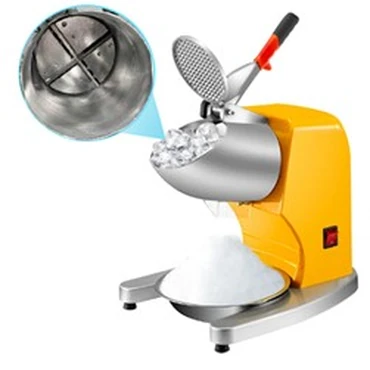
Vevor recall for tens of thousands of ice crushers due to fire risk
Photo

Owners of Vevor ice crushers should stop use immediately and request a refund.

  • Fire hazard from ice crushers that can ignite during use

  • About 11,650 units sold in the U.S. between July 2021 and July 2025

  • Stop use and contact Sanven Technology for a refund

Sanven Technology Ltd., dba Vevor, is recalling about 11,650 Vevor ice crushers after reports of thermal events, including a fire. The affected machines are model numbers BY-300 and BY-300 FS, sold in several colors under the Vevor brand.

The recalled ice crushers were sold online from July 2021 through July 2025 at major retailers including Amazon, Walmart, and Home Depot.

The hazard

The ice crushers can experience a thermal event and ignite, posing a fire hazard.

What to do

Immediately stop using the recalled ice crushers. Contact Sanven Technology for a full refund. Owners should email a photo of the unplugged product with the power cord cut in half to recalling@vevor.com.

Company contact

Sanven Technology toll-free at 855-599-6320 from 9 a.m. to 5 p.m. PT Monday through Friday, email at recalling@vevor.com, or online at https://www.vevor.com/pages/vevor-ice-shaver-recall or at www.vevor.com and click on Product Recall for more information.

Source

https://www.cpsc.gov/Recalls/2026/Sanven-Technology-Recalls-Vevor-Ice-Crushers-Due-to-Fire-Hazard


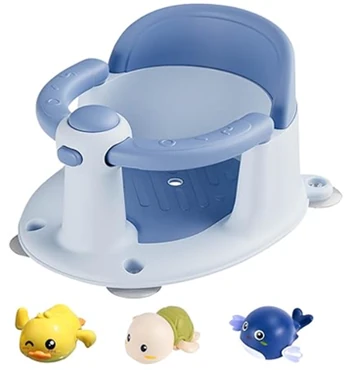
YCXXKJ recall for thousands of baby bath seats due to drowning risk
Photo

Caregivers should immediately stop using affected YCXXKJ baby bath seats sold on Amazon.

  • Bath seats can tip over and cause drowning

  • About 8,960 bath seats sold in multiple colors from May 2024 to October 2025

  • Consumers should stop use and request a refund from BenTalk

Zhengzhou Bentuo Trading Co., Ltd., dba BenTalk, is recalling about 8,960 YCXXKJ baby bath seats due to a risk of tip-over and drowning. The bath seats, sold on Amazon in blue, gray, pink, and yellow, were available from May 2024 through October 2025.

The seats violate federal safety standards for infant bath seats and can be unstable during use.

The hazard

The bath seats can tip over, causing a serious risk of injury or death by drowning. They do not meet the mandatory safety standard for infant bath seats.

What to do

Stop using the recalled bath seats immediately. Contact BenTalk for a refund. No incidents or injuries have been reported.

Company contact

BenTalk at 213-579-2588 from 9 a.m. to 5 p.m. ET Monday through Friday, or by email at bentalkhere@outlook.com

Source

https://www.cpsc.gov/Recalls/2026/YCXXKJ-Baby-Bath-Seats-Recalled-Due-to-Risk-of-Serious-Injury-or-Death-to-Children-from-Drowning-Violate-Mandatory-Standard-for-Infant-Bath-Seats-Sold-on-Amazon-by-BenTalk


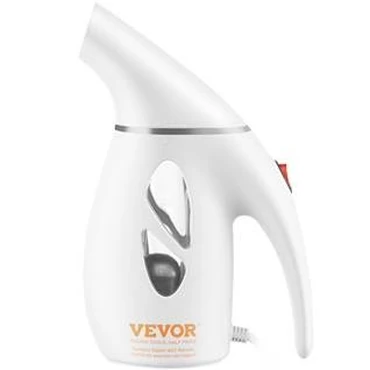
VEVOR recall for thousands of garment steamers due to burn hazard
Photo

Owners should stop using affected VEVOR garment steamers and request a refund.

  • Steamers can leak or spit hot water, causing burns

  • About 2,840 steamers sold between December 2023 and September 2025 are affected

  • Refunds are available by contacting Sanven Technology

Sanven Technology Ltd., dba VEVOR, is recalling about 2,840 VEVOR Garment Steamers sold from December 2023 to September 2025. The steamers were available online at Vevor.com, Amazon, and Home Depot.

The recall follows reports of hot water leaking or spitting, as well as issues with the water tank cap, resulting in burns.

The hazard

The garment steamers can leak or spit hot water, creating a risk of serious burns for users and bystanders. The water tank cap can also leak or detach, exposing users to hot water.

What to do

Stop using the recalled garment steamers immediately. Contact Sanven Technology for a refund. Six reports of hot water issues and 12 reports of faulty caps have been received, including three burn injuries.

Company contact

Sanven Technology toll-free at 855-599-6320 from 9 a.m. to 5 p.m. PT Monday through Friday, email at recalling@vevor.com, or online at vevor.com/pages/vevor-steamer-recall or at www.vevor.com and click on Product Recall at the top of the page for more information.

Source

https://www.cpsc.gov/Recalls/2026/


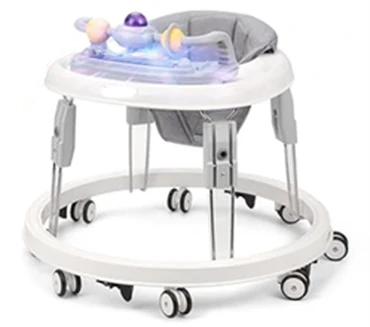
Uuoeebb recall for thousands of infant walkers due to fall and entrapment risks
Photo

Parents should stop using affected Uuoeebb infant walkers and request a refund from BaoD.

  • Walkers can allow falls or entrap children's heads, risking injury or death

  • About 2,650 units sold on Amazon from December 2024 to September 2025

  • Consumers should stop use and contact BaoD for a refund

Hunan Suihuo E-commerce Co., Ltd., dba BaoD, has recalled about 2,650 Uuoeebb infant walkers due to fall and entrapment hazards. The recalled walkers were sold on Amazon from December 2024 through September 2025.

The products do not meet federal standards for infant walkers, posing life-threatening risks.

The hazard

The infant walkers can fit through standard doorways and fail to stop at steps, creating a deadly fall risk. The leg openings also allow children to slip down and become entrapped, risking serious injury or death.

What to do

Immediately stop using the recalled infant walkers and contact BaoD for a refund. No injuries have been reported.

Company contact

BaoD by email at Uuoeebbrecalls@outlook.com.

Source

https://www.cpsc.gov/Recalls/2026/Uuoeebb-Infant-Walkers-Recalled-Due-to-Risk-of-Serious-Injury-or-Death-from-Fall-and-Entrapment-Hazards-Violate-Mandatory-Standard-for-Infant-Walkers-Sold-on-Amazon-by-BaoD


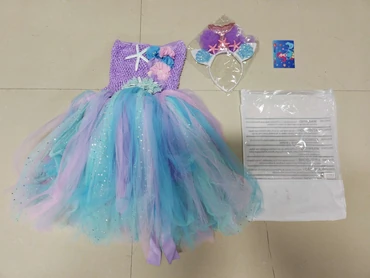
SKCAIHT recall for over 1,000 childrens costumes due to phthalate exposure
Photo

Parents should take recalled SKCAIHT mermaid costumes away from children and request a refund.

  • Costumes contain banned phthalates that can cause health issues if ingested

  • About 1,300 costumes in children's XL sold on Amazon from March 2022 to July 2025

  • Stop use and contact SKCAIHT Direct for a refund

Yiwu Qiangyao E-Commerce Co., Ltd., dba SKCAIHT Direct, is recalling about 1,300 children's mermaid costumes sold in XL size. The costumes, available on Amazon from 2022 to 2025, contain a banned phthalate.

Phthalates are toxic if ingested by young children and are banned in children's products.

The hazard

The costumes contain a prohibited phthalate, violating the federal ban. Phthalates can cause adverse health effects in children if ingested.

What to do

Stop using the recalled costumes immediately. Contact SKCAIHT Direct for a refund. No injuries have been reported.

Company contact

SKCAIHT Direct by email at pafiney@outlook.com

Source

https://www.cpsc.gov/Recalls/2026/SKCAIHT-Childrens-Costumes-Recalled-Due-to-Risk-of-Injury-from-Phthalate-Exposure-Violates-Federal-Phthalates-Ban-Sold-on-Amazon-by-SKCAIHT-Direct


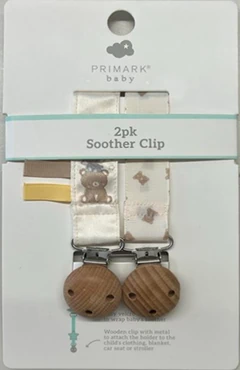
Primark recall for over 1,000 soother clips due to choking and injury hazards
Photo

Caregivers should stop using recalled Primark Little Bear soother clips and get a refund.

  • Wooden button on soother clips can detach, exposing a sharp screw

  • About 1,330 units sold from June to August 2025 in select Primark stores

  • Consumers should stop use and contact Primark for refund

Primark US Corp. has recalled about 1,330 Little Bear 2-Pack Soother Clips due to choking and laceration risks. The recall concerns clips sold at Primark stores in the Northeast, Florida, Maryland, and Illinois during summer 2025.

The wooden button on the clip can detach, exposing a sharp screw that could injure a child.

The hazard

The wooden button on the soother clips can separate, revealing a screw that poses choking and laceration hazards. There have been five reports of button detachment, including one where a screw was found in an infants mouth and another involving a cut.

What to do

Immediately stop using the recalled soother clips and contact Primark for a refund.

Company contact

Primark at 617-946-3236 from 8 a.m. to 5 p.m. ET Monday through Friday, or online at www.primark.com/recall or at www.primark.com and click Recalls at the bottom of the page for more information.

Source

https://www.cpsc.gov/Recalls/2026/Primark-Recalls-Little-Bear-2-Pack-Soother-Clips-Due-to-Choking-and-Laceration-Hazards


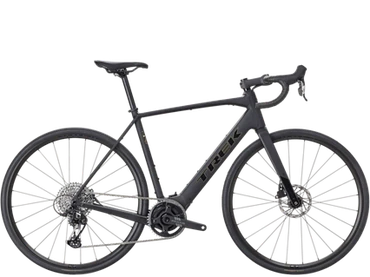
Trek recall for hundreds of electric bikes due to crash hazard
Photo

Trek owners should stop riding affected e-bikes and obtain a free repair from dealers.

  • Bolts on chainring can come loose, causing chainring to separate and crash

  • About 700 Trek Domane+ and Checkpoint+ e-bikes from model year 2026 affected

  • Consumers should stop use and contact Trek for repair

Trek Bicycle Corporation is recalling about 700 model year 2026 Trek Domane+ and Checkpoint+ electric bicycles. The recall involves Domane+ ALR 5, Domane+ ALR 6 AXS, Checkpoint+ SL 6 and Checkpoint+ SL 7 models.

The chainring bolts can loosen, potentially leading to a crash.

The hazard

The chainring bolts can come loose and cause the chainring to separate from the bicycle, resulting in a fall or crash hazard. Three incidents have been reported, but no injuries.

What to do

Stop using the recalled e-bikes immediately and contact Trek or an authorized dealer for a free repair.

Company contact

Trek toll-free at 800-373-4594 from 8 a.m. to 6 p.m. CT Monday through Friday or online at https://www.trekbikes.com/us/en_US/recalls or go to https://www.trekbikes.com/us/en_US/ and click on Recalls at the bottom of the page for more information.

Source

https://www.cpsc.gov/Recalls/2026/TREK-Recalls-Electric-Bicycles-Due-to-Fall-or-Crash-Hazard


Posted: 2025-12-11 22:14:32

Get Full News Story On Consumer Affairs


Listen to this article. Speaker link opens in a new window.
Text To Speech BETA Test Version.


More News From This Category
Consumer News: Hate making returns? DoorDash will now do it for you
Thu, 01 Oct 2026 19:07:08 +0000

For $7.99, a Dasher will pick up your return at your door and take it back to the store no box or shipping label required

By Kyle James of ConsumerAffairs
October 1, 2026
  • DoorDash is launching Dasher Returns, which lets shoppers pay $7.99 to have an eligible retail purchase picked up at home and returned to the store.

  • No box or shipping label is required, and DoorDash says a Dasher can arrive in as little as 30 minutes, although timing isn't guaranteed.

  • Before using it, check the retailer's return policy. DoorDash can take your purchase back, but it can't make a retailer accept it.


DoorDash is launching a new service called Dasher Returns that lets shoppers pay someone else to take an unwanted retail purchase back to the store.

For a flat $7.99 fee, a Dasher can pick up an eligible retail order at your door and take it back to the retailer. There's no need to find a cardboard box, print a shipping label, or make the trip yourself. DoorDash says pickup can happen in as little as 30 minutes, although pickup and delivery times aren't guaranteed.

The service is available now in select cities and is expected to roll out across the U.S. in November. Its pretty convenient timing with the holiday shopping and returns season right around the corner.

How DoorDash returns work

The new service is for eligible retail orders purchased through the DoorDash Marketplace. You can't use Dasher Returns to return something you bought in-store, or directly though a store's website.

You simply schedule the return, pay $7.99, and hand the item to the Dasher. DoorDash says the Dasher brings it back to the store, where the return is processed on the spot and the merchandise can go directly back on the shelf. Your refund should arrive within days, although DoorDash says the timing can vary.

There's an important catch: DoorDash is providing the ride, but not changing the retailer's return policy.

Before scheduling a pickup, make sure your purchase is still within the retailer's return window and isn't excluded because it's final sale or falls under another restriction. ConsumerAffairs' return-policy guides can help you check the rules at major retailers before sending your purchase back to the store.

Think of DoorDash as your return chauffeur, not your return loophole. If a retailer won't take something back from you, sending a Dasher with it isn't going to change the rules.

Is it worth the $7.99?

This is where I'd do a little math to see if its worth it. If you're planning to head to the retailer tomorrow anyway, paying eight bucks for someone else to make the trip doesn't make much sense.

But imagine the store is 15 miles away. Now factor in a 30-mile round trip, gas, traffic, parking, and potentially standing in a return line. Factor all that in, and $7.99 starts to look like a good trade for your time.

Pro tip: Bundle your errands before paying for convenience. Check whether you have another reason to visit the store or shopping center within the next week. If you do, make the return yourself. If the return requires a special trip, that's when the $7.99 fee becomes much easier to justify.

DoorDash is becoming more like a mall

Returns aren't the only retail expansion DoorDash announced.

The company is adding Macy's, Anthropologie, The North Face, Vans, and Timberland to its retail marketplace. Macy's merchandise will be available through more than 350 stores nationwide, Anthropologie through more than 220, and The North Face, Vans, and Timberland through more than 350 combined locations.

They join retailers already available through DoorDash, including Costco, Barnes & Noble, Gap, Kohl's, and SKIMS. DoorDash says more than half of the National Retail Federation's Top 100 Retailers now partner with the company.

Don't let $7.99 cost you more

There's one psychological trap worth paying attention to.

Say you bought a $30 shirt you don't want. It's tempting to look at the $7.99 return fee and decide it's not worth returning.

But keeping the shirt costs you exactly $30. And that's probably the best way to think about Dasher Returns. You're not paying $7.99 to return something, but you're paying $7.99 to make an errand disappear from your to-do list.

Whether that's a bargain depends on how much that errand is worth to you.

Read More ...


Consumer News: Could early-life sugar shape anxiety risk later in life?
Thu, 01 Oct 2026 19:07:07 +0000

A study of postwar sugar rationing suggests the first 1,000 days may matter for mental health

By Kristen Dalli of ConsumerAffairs
October 1, 2026
  • People exposed to less sugar during pregnancy and their first two years had lower rates of anxiety later in life.

  • Researchers studied more than 46,000 U.K. adults whose early-life sugar exposure varied because of postwar rationing.

  • The findings also point to possible long-term differences in sweet-food preferences and brain structure.


The first 1,000 days of life from pregnancy through a child's second birthday are an important period of development. Researchers have been increasingly interested in whether what happens during this window can affect health decades later.

A new study from the University of Surrey looked at whether exposure to sugar during this period might be connected to mental health in adulthood. The researchers took advantage of a unique period in British history: postwar sugar rationing, which limited people's access to sugar before being gradually phased out.

The study found that people who experienced sugar rationing for the longest period throughout pregnancy and until they were about 2 years old had a lower risk of anxiety in adulthood. The researchers also found differences in preferences for sweet foods and in some areas of the brain.

Research has shown that sugar exposure during the first 1000 days of life may influence the risk of suffering from several chronic diseases, such as diabetes, researcher Dr. Hana Navratilova from IPB University, Indonesia, said in a news release. Because weve seen in our previous work links between the liking of sugary foods and mental health issues, we were specifically interested in understanding if having sugar in early life could contribute to incidences of mental health issues such as depression and anxiety later in life.

Knowing the full impact that sugar can have on our physical and mental health, across our lifespan, could help inform public health policy and reshape our diets.

How did researchers study this?

The team used health and other data from 46,448 U.K. Biobank participants born between October 1951 and March 1956. Because sugar rationing was being phased out during those years, participants had different levels and lengths of exposure depending on when they were born.

Researchers divided participants into groups based on how long they experienced sugar rationing, including exposure only before birth and exposure that continued through six, 12, 18, or 24 months of age. They also included people born after rationing had ended as comparison groups.

The researchers then examined participants' sweet-food preferences and used linked medical records to identify diagnoses of anxiety and depression. They also analyzed brain-imaging data from 5,990 participants to look for differences in grey matter volume. Statistical models accounted for a number of demographic, lifestyle, and health factors.

What did the study find?

The group exposed to sugar rationing throughout pregnancy and the first two years of life reported a slightly lower preference for sweet foods as adults. They also had a lower rate of anxiety compared with people who were never exposed to rationing. That association remained after researchers accounted for sugar intake later in life.

The researchers also found differences in brain structure across the rationing groups. Of 139 brain regions examined, 80 showed differences across groups, with 11 regions showing significant differences between most rationed groups and the never-rationed group.

There was also an initial association with depression, but it became weaker and was no longer statistically significant after additional adjustments. That means the study's strongest finding was the connection between longer early-life sugar rationing and lower anxiety risk.

Importantly, this was an observational study. The results show an association, not proof that eating less sugar during pregnancy or infancy directly prevents anxiety decades later. Still, the researchers say the findings suggest that early nutritional experiences may have lasting effects on mental health.

Read More ...


Consumer News: A new pill could offer another option for sleep apnea
Thu, 01 Oct 2026 19:07:07 +0000

A six-month study found fewer breathing interruptions in people taking the medication

By Kristen Dalli of ConsumerAffairs
October 1, 2026
  • An experimental once-daily pill reduced sleep apnea-related breathing interruptions by about 44% in a phase 3 trial.

  • The study included 646 adults who could not tolerate or declined standard PAP therapy.

  • The medication improved several measures of nighttime breathing and oxygen levels, but side effects led some participants to stop treatment.


For people with obstructive sleep apnea (OSA), keeping the airway open during sleep can be a challenge. The condition causes repeated blockages in the upper airway, which can interrupt breathing and reduce oxygen levels during the night.

Continuous positive airway pressure, or CPAP, is a common treatment, but not everyone is able or willing to use it long term. That has researchers looking for other approaches.

One experimental option is AD109, a once-daily pill that combines two medications: aroxybutynin and atomoxetine. The drugs are designed to increase the activity of muscles in the upper airway during sleep, making the airway less likely to collapse.

"In many other chronic diseases, such as cardiovascular disease, asthma, or type 2 diabetes, it would be unthinkable for the majority of diagnosed patients to remain untreated or undertreated, first author Patrick John Strollo, MD, a sleep medicine physician at the University of Pittsburgh Medical Center, said in a news release. Yet that remains the reality in OSA.

"An oral pill that targets the underlying neuromuscular drivers of airway collapse during sleep could help address this gap and broaden the range of effective options for patients who remain untreated today."

How researchers tested the pill

The phase 3 SynAIRgy trial included 646 adults with mild to severe obstructive sleep apnea who had either been unable to use or had refused positive airway pressure therapy.

Researchers randomly assigned participants to receive either AD109 or a placebo, meaning a pill without the active medications. Neither the participants nor researchers knew who received which treatment during the trial.

The study lasted 26 weeks, or about six months, and was conducted at 69 sites in the U.S. and Canada. Participants underwent overnight sleep studies at the beginning of the trial and again during the study.

Researchers measured their apnea-hypopnea index, or AHI, which tracks how often breathing is interrupted during sleep, along with oxygen levels and other measures of sleep and fatigue.

What the study found

After 26 weeks, people taking AD109 had an estimated 44.1% reduction in their AHI, compared with a 17.6% reduction among those taking the placebo. The medication also improved measures of nighttime oxygen problems, including the number of times oxygen levels dropped and the amount of time participants experienced low oxygen.

More than 40% of people taking AD109 moved into a less severe sleep apnea category, according to the study. However, the medication did not produce a statistically significant improvement in the study's measure of fatigue.

The treatment also had side effects. The most commonly reported were dry mouth, nausea, insomnia, and difficulty urinating. About 21% of participants taking AD109 discontinued treatment because of adverse events, compared with about 3% of those taking the placebo.

For consumers, the findings suggest that an oral medication could eventually provide another treatment option for some people with sleep apnea who cannot use PAP therapy. But AD109 is still an investigational treatment, so the study does not mean that people with sleep apnea should replace their current treatment with the medication.

Read More ...


Consumer News: The DIY home mistakes that could cost you thousands
Thu, 01 Oct 2026 19:07:07 +0000

Trying to save money on a home project can backfire when a simple mistake turns into an expensive repair

By Kristen Dalli of ConsumerAffairs
October 1, 2026
  • The average homeowner spends $1,852 fixing a costly DIY home improvement mistake.

  • Plumbing, electrical and HVAC projects can quickly become more expensive when a small mistake snowballs into a larger problem.

  • Online tutorials can be helpful, but homeowners who relied on them reported a higher injury rate than those who sought professional help.


DIY home improvement projects can be a great way to save money until something goes wrong.

A project that starts with good intentions and a YouTube tutorial can quickly turn into a costly repair, especially when a mistake involves plumbing, electrical work or other jobs that require specialized skills. And sometimes, homeowners may not realize they've made a mistake until the damage is already done.

A new survey from SupplyHouse found that the average homeowner spends $1,852 fixing or replacing something after a DIY home improvement mistake. In fact, 58% of homeowners said they ended up spending more than they would have if they had hired a professional or done the project correctly the first time.

ConsumerAffairs spoke with Jay Yglesias, Product Support Lead at SupplyHouse, who explained which common mistakes can become especially expensive and when homeowners should think twice before tackling a project themselves.

How the study was conducted

SupplyHouse surveyed 1,007 U.S. homeowners in July 2026 about their home improvement mistakes, including what went wrong, how much repairs cost, why they attempted the projects themselves, and whether anyone was injured.

The company also analyzed 2025 data from the Consumer Product Safety Commissions National Electronic Injury Surveillance System (NEISS) to identify the home improvement tools and materials most often involved in emergency-room-treated injuries. The study also compared DIY parts costs with professional installation prices for 14 common home improvement projects.

Key findings

The survey found that DIY mistakes can get expensive quickly. The average homeowner spent $1,852 fixing or replacing something after a costly home improvement mistake, while 58% said they ultimately spent more than a professional job or a successful first attempt would have cost. Saving money was the original motivation for 38% of homeowners tackling their costliest project.

Yglesias explained which home improvement projects carry the highest risk for non-professionals.

Take, for example, refrigeration and various forms of heating, he said. Heating can include venting and a number of other things. Doing electrical work carries shock risk. Permitting and other considerations can greatly affect the cost-benefit analysis of various DIY projects.

Our electrical panel comparison, which is part of our research study, helps homeowners understand various risk-reward tradeoffs. We found that there is very little financial difference between doing electrical repairs yourself and the cost of the most inexpensive electrical service call. The financial difference between these repairs is only $34.

The survey also found that 41% of homeowners had trusted their own instincts or a YouTube or TikTok tutorial over a licensed professional. Meanwhile, 18% said they had hidden, covered up or quietly hired someone to fix a botched project before anyone else in the household noticed.

There was a safety concern, too: 15% of homeowners said they had been injured while attempting a home improvement project. The federal injury data found that ladders were associated with the most estimated ER visits, at more than 81,000 per year, followed by nails, screws, or tacks at more than 40,000.

The snowball effect

Yglesias shared some of the common ways that DIY projects go awry for consumers.

Oftentimes, people will end up costing themselves more money by taking on projects that have to do with plumbing, electrical work, or HVAC and suffer from the snowball effect, Yglesias told ConsumerAffairs. One small error can become a larger, costlier issue in what started out as a simple DIY fix.

There's also the issue in DIY projects that underlying causes are either unknown or not addressed. Now the homeowner is paying twice: once for the original materials, and again for the professional called in to fix or finish the job.

Watch out for online tutorials

There are times where watching a quick video on YouTube or TikTok can help you complete a house project seamlessly. However, there are other times where watching a video can lead you astray.

Online tutorials can be useful, but may deceive the user, Yglesias said. Online videos cannot tell you about bad shutoff valves or explain other issues with your home, which could put you at risk.

Users of such online videos reported an injury rate of 22% while those who deferred to professional assistance reported an injury rate of 11%. For situations that carry an increased risk, one should consider their level of experience and if they have the right equipment to compensate.

Read More ...


Consumer News: Start planning Black Friday now: Here’s when the best deals are expected
Thu, 01 Oct 2026 16:07:16 +0000

Adobe's new holiday forecast offers an early roadmap for when shoppers may find the deepest discounts

By Kyle James of ConsumerAffairs
October 1, 2026
  • Black Friday is expected to bring the best deals on TVs, toys, apparel, appliances, and furniture.

  • Cyber Monday should be better for electronics and computers, while Thanksgiving is expected to have the best sporting goods deals.

  • Shoppers don't need to buy anything yet, but knowing which days favor which products can help them plan ahead.


Yeah, I realize Black Friday is still over a month away, but shoppers who like to plan ahead are already getting a clearer picture of when the best deals could arrive this year.

And despite the name, Black Friday won't necessarily be the best day to buy everything.

Adobe's latest holiday shopping forecast shows that the deepest discounts are expected to fall on different days depending on what you're buying. Sporting goods are expected to be cheapest on Thanksgiving, several big-ticket categories should peak on Black Friday, and electronics and computers may be worth holding off on until Cyber Monday.

In other words, shoppers don't need to start buying now. But they can start figuring out when to buy.

Adobe expects discounts to gradually improve as November progresses, reaching as much as 14% off listed prices in early November and 21% just before Thanksgiving. The deepest discounts up to 30% are expected during Cyber Week, the five-day period from Thanksgiving through Cyber Monday.

Here's how the calendar is shaping up.

Thanksgiving: Shop sporting goods online

If sporting goods are on your list, Thanksgiving Day could be worth checking online. Specifically, check the website of Dick's, REI, Academy, Walmart, and Amazon.

Adobe expects Thanksgiving Day to have the best sporting goods deals, with discounts in the category expected to peak at 19% during the holiday season.

That doesn't mean every treadmill, set of golf clubs, or camping tent will be cheapest that day. But shoppers who already know what they want can start tracking prices now and see whether Thanksgiving delivers a significant price drop.

Pro tip: Build your cart now, but don't check out. If you already know what you want, put the exact items in your online carts or wish lists. When Black Friday pricing starts, you'll have a quick way to check whether the price really dropped. You wont be stuck trying to remember what it cost weeks earlier.

Black Friday: TVs, toys, clothing, appliances, and furniture

Black Friday still earns its reputation in several major shopping categories. Adobe expects the deepest discounts on TVs, toys, apparel, appliances, and furniture to land on Black Friday, both online and in-store.

The projected peak discounts are worth paying attention to:

  • Toys could reach 29% off listed prices

  • TVs and apparel could reach 23% off

  • Appliances and furniture could reach 18% off

For shoppers buying Christmas gifts for kids, there's another reason not to wait beyond Black Friday: inventory. Holding out for another few dollars in savings doesn't help if the toy is on the popular list and sells out.

The same idea applies to a specific TV, sofa, or appliance. Once the exact model you want reaches a price you're comfortable paying, chasing a theoretically lower price can backfire.

Pro tip: Screenshot the model number, not just the product. This is especially useful with TVs, laptops, and appliances, as some models are made specifically for Black Friday. So, by saving the exact model number (and specs) now, you can make an apples-to-apples comparison later. Otherwise, its easy to fall for a Black Friday discount on a TV only to realize later that it has two measly HDMI ports when you need four.

Cyber Monday: Electronics and computers lead the way

Tech shoppers may want to save some of their budget for Cyber Monday.

Adobe predicts the deepest discounts on electronics and computers will arrive Monday, Nov. 30. Electronics discounts are expected to reach as much as 30% off listed prices, while computers could hit 23%.

But don't ignore apparel. Cyber Monday has traditionally been a strong day for online clothing deals, and retailers aren't likely to suddenly turn off their Black Friday promotions when the weekend ends. Adobe's forecast simply suggests apparel discounts could peak on Black Friday, not that good clothing deals will disappear by Monday.

But keep in mind that Adobe's percentages are simply category-wide forecasts. They don't guarantee that a particular laptop, smartphone, or pair of headphones will be cheapest on Cyber Monday.

What shoppers can do now

There's no reason to start panic-buying Christmas gifts in September.

But there is an advantage to doing a little homework early.

  • Make a list of the specific products you're considering. The benefit here is that you can get familiar with what they normally sell for. That gives you a baseline when the holiday promotions begin and makes it easier to distinguish a genuinely good deal from a flashy "Black Friday" label.

  • Compare exact model numbers across retailers. This is particularly important with TVs and appliances, where nearly identical products can have different features.

  • Check retailers' price-adjustment and return policies before buying. A generous policy can make purchasing an early deal less risky if the price falls later.

The biggest takeaway from Adobe's forecast isn't that shoppers should buy early or wait until one particular day. It's that Black Friday is really becoming a multi-day shopping event and the best day to buy depends on what's on your list.

Read More ...


Related Bing News Results
The best Keurig coffee machine under $100, per Consumer Reports
Thu, 01 Oct 2026 03:39:00 GMT
If you're on a hunt for the best inexpensive Keurig coffee machine, Consumer Reports recommends this model for its affordability, retailing for under $100.

Consumer Reports' Top Fast Food Breakfast Sandwich Offers Major Nutrition
Sun, 27 Sep 2026 12:39:00 GMT
Consumer Reports ranked this chain's fast food breakfast sandwich highly when it comes to nutritional value, without compromising on overall taste.

The best mini-fridge for dorm season 2026, per Consumer Reports
Sat, 26 Sep 2026 13:39:00 GMT
Stocking up on dorm room supplies for the 2026 season? You should grab this dorm mini-fridge, according to Consumer Reports' recent ranking.

Consumer Reports Tested Baby Food for Microplastics for the First Time. Every Puree Had Them
Thu, 17 Sep 2026 03:00:00 GMT
The good news: Levels of some contaminants are improving, though heavy metals and phthalates still turned up in some products.

New study finds many prenatal vitamins fail to meet label accuracy
Mon, 14 Sep 2026 03:16:53 GMT
A Consumer Reports study of 17 prenatal vitamins found that most failed to meet label accuracy standards despite containing no harmful levels of contaminants.


Blow Us A Whistle


RobinsPost Print On Demand Refund Policy With Printify
Printify

Related Product Search/Búsqueda de productos relacionados

Amazon Logo





