

Rockin Robin SongFlying The Web For News.
RobinPost Logo Amazon Prime Deals


Consumer Daily Reports

Bed rails, pools, dressers, beard growth serum, lidocaine ointment, power strips, chandeliers recalled

By News Desk of ConsumerAffairs
December 18, 2025

A wave of new federal recalls and safety warnings highlights continuing concerns about unsafe baby products, risky household items and defective gear of all kindsmany sold online through Amazon, Walmart and other major platforms. The Consumer Product Safety Commission (CPSC) this week announced this week's list of recalls and hazard advisories.

While no deaths have been reported, officials warn that several recalled products pose life-threatening risks, including electrocution, asphyxiation, entrapment, falls, drowning, burns and explosion hazards. Consumers are urged to stop using all affected items immediately.


JOKOSIS bed rail recall for entrapment hazard

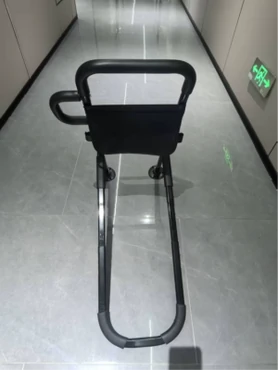
About 12,000 JOKOSIS adult bed rails sold on Amazon have been recalled due to risk of entrapment and asphyxiation; customers should stop use immediately and request a refund.

  • Risk of entrapment and asphyxiation from improper design

  • About 12,000 bed rails affected, model HC0262

  • Consumers should stop use and request a refund
Photo

Thousands of JOKOSIS Bed Rails for adults have been recalled due to a serious risk of entrapment and suffocation. The recall affects model HC0262, which is black and features a zippered storage pouch. These products were sold on Amazon.com between August and November 2025. No injuries have been reported, but the design does not meet federal safety standards and lacks required hazard warning labels.

The hazard

When attached to a bed, the recalled bed rails can trap users within the rail or between the rail and mattress, posing a serious risk of entrapment and potential death by asphyxiation. Additionally, the rails are missing mandatory hazard warning labels.

What to do

Consumers should immediately stop using the recalled bed rails and contact JOKOSIS for a full refund.

Company contact

Email JOKOSIS at This email address is being protected from spambots. You need JavaScript enabled to view it..

Source

https://www.cpsc.gov/Recalls/2026/


Blue Wave pool recall due to drowning risk

Photo

About 13,400 Blue Wave above-ground pools are recalled after a design flaw creates a drowning hazard for children; owners should take immediate safety steps and request a free repair kit.

  • Compression strap allows child access, increasing drowning risk

  • About 13,400 48-inch and taller pools recalled, multiple models

  • Owners should keep children away and request a free repair kit

More than 13,000 Blue Wave above-ground pools have been recalled due to a drowning hazard. The recalled pools, 48 inches and taller, include several models sold at major retailers and online from January 2021 to July 2025. The issue stems from a compression strap on the outside of the pool that can act as a foothold for children. No injuries have been reported.

The hazard

The pool's compression strap may create a foothold, allowing a child to climb into the pool unsupervised, posing a drowning risk.

What to do

Consumers should ensure children cannot access the pool until the repair is made. Contact Blue Wave for a free repair kit and, if needed, drain the pool until the repair is installed.

Company contact

Blue Wave toll-free at (800) 603-0475 from 9 a.m. to 5 p.m. CT Monday through Friday, email at This email address is being protected from spambots. You need JavaScript enabled to view it. or visit www.bluewaveproducts.com/pages/recall.

Source

https://www.cpsc.gov/Recalls/2026/


SereneLife Home pool recall for drowning hazard

Eighty SereneLife Home above-ground pools are recalled for a design flaw that could allow children unsupervised access, posing a drowning risk.

  • Compression strap creates foothold for children, posing drowning hazard

  • 80 SereneLife 48-inch and taller pools affected, models SLPORND15 and SLPORND18

  • Owners should stop use and request a refund
Photo

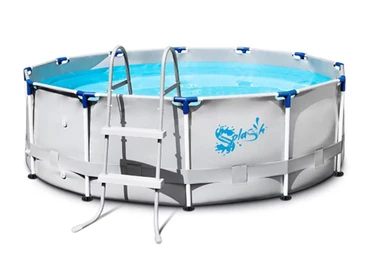
SereneLife Home has recalled 80 above-ground pool units due to a drowning hazard. The issue concerns specific 48-inch and taller models sold online from December 2021 through May 2025. The compression strap design can give children a foothold, increasing the risk of unsupervised entry into the pool. No incidents have been reported.

The hazard

The strap around the pool legs may allow children to climb into the pool, raising the risk of drowning.

What to do

Stop using the recalled pools immediately and contact SereneLife Home for a full refund. Consumers must provide photographic evidence of destruction or disposal.

Company contact

SereneLife Home toll-free at 888-619-6770 from 9 a.m. to 5 p.m. ET Monday through Friday, email at This email address is being protected from spambots. You need JavaScript enabled to view it. or visit https://serenelifehome.com/pages/recalls.

Source

https://www.cpsc.gov/Recalls/2026/


KKL 9-drawer dresser recall for tip-over hazard

About 4,740 KKL Fabric 9-Drawer Dressers sold on Amazon are recalled for tip-over and entrapment risks; consumers should stop use and request a refund.

  • Unstable dresser poses serious tip-over and entrapment hazards

  • About 4,740 dressers recalled, various colors

  • Consumers should stop use and seek a refund
Photo

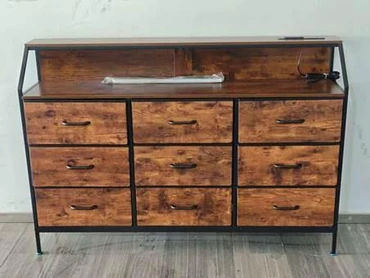
Thousands of KKL Fabric 9-Drawer Dressers have been recalled due to the risk they may tip over and trap children if not anchored to the wall. The dressers, available in black, brown and white, were sold on Amazon.com between September 2023 and November 2025. No injuries have been reported.

The hazard

If not anchored, these dressers are unstable and violate the mandatory safety standard for clothing storage units, creating serious tip-over and entrapment risks.

What to do

Stop using the dresser immediately and contact the company for a refund.

Company contact

Email HK Brilliant at This email address is being protected from spambots. You need JavaScript enabled to view it., or visit https://kkl-home.com/ and click Recall for more information.

Source

https://www.cpsc.gov/Recalls/2026/


Feel The Beard serum recall for child poisoning hazard

About 840 bottles of Feel The Beard Minoxidil Beard Growth Oil are recalled due to lack of child-resistant packaging, posing a poisoning risk to young children.

  • Non-child-resistant packaging of minoxidil product poses poisoning risk

  • About 840 bottles of beard serum affected

  • Consumers should secure product and request a replacement

Photo

Feel The Beard has recalled approximately 840 bottles of its Minoxidil Beard Growth Oil for Men due to child-resistant packaging violations. The product contains minoxidil, which must be packaged to prevent accidental poisoning by children. Sold on Amazon.com from April to September 2025, no incidents have been reported.

The hazard

The beard serum contains minoxidil and is not in child-resistant packaging, creating a risk of serious injury or death if ingested by children.

What to do

Immediately secure the bottles out of sight and reach of children. Contact Feel The Beard for instructions on safely destroying the bottle and obtaining a replacement.

Company contact

Email Feel The Beard at This email address is being protected from spambots. You need JavaScript enabled to view it..

Source

https://www.cpsc.gov/Recalls/2026/


Plantimex ointment recall for child poisoning risk

Tens of thousands of Mamisan Lidocaine Ointment jars from Plantimex are recalled due to lack of child-resistant packaging, posing a poisoning risk.

  • Ointment with lidocaine lacks required child-resistant packaging

  • About 50,330 jars affected, UPC 860006498115

  • Consumers should request free repair to address packaging issue

Photo

Plantimex has recalled about 50,330 jars of Mamisan Pain Relieving Topical Ointment because their packaging is not child-resistant. The ointment contains lidocaine, which is hazardous if ingested by children. The affected jars were sold nationwide at Walmart and Target stores and online from April 2024 to October 2025. No injuries have been reported.

The hazard

The ointments packaging does not meet child-resistant requirements, creating a risk of poisoning if the contents are swallowed by young children.

What to do

Consumers should contact Plantimex for a repair to address the packaging issue.

Company contact

Plantimex toll-free at 855-752-6869 from 9 a.m. to 4 p.m. PT Monday through Friday, email at This email address is being protected from spambots. You need JavaScript enabled to view it. with the subject RECALL, or visit http://plantimexusa.com/contact.php.

Source

https://www.cpsc.gov/Recalls/2026/


ANNQUAN power strip recall for fire risk

About 11,200 ANNQUAN power strips sold on Amazon are recalled due to fire risk from missing overcurrent protection; consumers should stop use and get a refund.

  • Missing overcurrent protection creates fire and burn risk

  • About 11,200 ANNQUAN power strips affected, models EX-D112-05 and EX-D106-25

  • Stop use and request a refund immediately

Photo

ANNQUAN power strips sold on Amazon.com from December 2023 through October 2025 have been recalled due to serious fire risks. The recalled models lack critical overcurrent protection, increasing the risk of fire if overloaded. Seven reports of fuses blowing have been received, but no injuries or fires.

The hazard

The power strips do not have supplementary overcurrent protection, making them susceptible to overheating and potential fire.

What to do

Consumers should stop using the recalled power strips immediately and contact ANNQUAN for a refund.

Company contact

Call 401-998-3366 from 9 a.m. to 5 p.m. ET Monday through Friday, email This email address is being protected from spambots. You need JavaScript enabled to view it. or visit https://annquanrecall.com/ for more information.

Source

https://www.cpsc.gov/Recalls/2026/


17 Stories Furniture dresser recall for tip-over hazard

About 2,800 17 Stories Furniture 18-Drawer Dressers are recalled for tip-over and entrapment risk; consumers should stop use and request a refund.

  • Unstable dresser risks tip-over and child entrapment

  • About 2,800 18-drawer dressers recalled, multiple models

  • Owners should stop using and request a refund

Photo

17 Stories Furniture has recalled approximately 2,800 of its 18-Drawer Dressers sold on Wayfair.com between September 2023 and November 2025. The dressers are unstable if not anchored to the wall, violating federal safety standards and posing a tip-over and entrapment hazard to children. No injuries have been reported.

The hazard

The dresser can tip over if not anchored, creating a risk of serious injury or death to children.

What to do

Consumers should stop using the recalled dressers and contact 17 Stories Furniture for a refund.

Company contact

Email This email address is being protected from spambots. You need JavaScript enabled to view it..

Source

https://www.cpsc.gov/Recalls/2026/


Currey & Company chandelier recall for falling hazard

About 260 Currey & Company Electra Chandeliers are recalled due to improper ceiling connection, posing a risk of falling and injury.

  • Faulty ceiling connection can cause chandelier to fall

  • About 260 Electra and Electra Three Tier Chandeliers recalled

  • Consumers should contact the company for a free repair kit

Photo

Currey & Company has recalled about 260 Electra Chandelier and Electra Three Tier Chandelier light fixtures. The chandeliers, made of glass and iron, were sold from May 2024 to September 2025. The connection component to the ceiling is not threaded properly, creating a risk the fixture could fall. Two incidents of falling chandeliers have been reported, with one resulting in property damage.

The hazard

The chandelier can fall from the ceiling due to an improperly threaded connection, posing a risk of injury from impact.

What to do

Contact Currey & Company for a free in-home repair kit to replace the connection component. The company will cover installation costs.

Company contact

Currey & Company toll-free at 800-899-7047 from 8:30 a.m. to 5:30 p.m. ET Monday through Friday, by email at This email address is being protected from spambots. You need JavaScript enabled to view it., or visit https://www.curreyandcompany.com/legalities/recall/.

Source

https://www.cpsc.gov/Recalls/2026/


TopHomer pool drain cover recall for drowning hazard

About 1,040 TopHomer pool drain covers are recalled for failing entrapment protection standards, increasing drowning risk for swimmers.

  • Pool drain covers do not meet safety standards, creating entrapment and drowning hazard

  • About 1,040 8-inch drain covers affected, model SP-1053-B

  • Consumers should stop use and request a refund
Photo

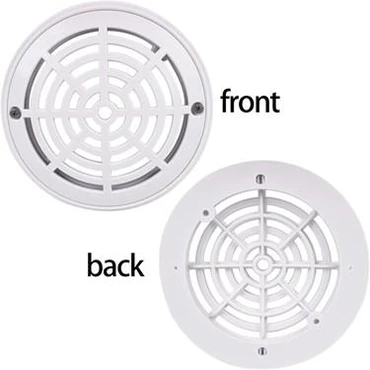
TopHomerUS has recalled about 1,040 of its 8-inch pool drain covers sold on Amazon.com from August 2024 to October 2025. The recalled covers do not comply with entrapment protection standards required by the Virginia Graeme Baker Pool and Spa Safety Act, creating a risk of drowning.

The hazard

The drain covers violate entrapment protection standards, posing entrapment and drowning hazards to swimmers and bathers.

What to do

Consumers should stop using the recalled drain covers immediately and contact TopHomerUS for a refund.

Company contact

Email This email address is being protected from spambots. You need JavaScript enabled to view it. or visit the TopHomerUS Amazon Seller Profile page.

Source

https://www.cpsc.gov/Recalls/2026/


Posted: 2025-12-18 19:21:16

Get Full News Story On Consumer Affairs


Listen to this article. Speaker link opens in a new window.
Text To Speech BETA Test Version.


More News From This Category
Consumer News: Signs of life at comatose consumer watchdog agency
Thu, 01 Jan 2026 02:07:07 +0000

Judge rules White House can't cut off funding and states weigh in, saying CFPB is essential to their operations

By James R. Hood of ConsumerAffairs
December 31, 2025
  • Judge rules in favor of laid-off employees of the Consumer Financial Protection Bureau (CFPB)
  • Attorneys general from 21 states file suit to force Trump White House to restore funding
  • The agency has been essentially closed since shortly after Trump's inauguration

It was one of the most active federal agencies, sort of a contemporary Robin Hood. The Consumer Financial Protection Bureau (CFPB) patrolled the consumer beat, suing businesses that mistreated borrowers and other customers, winning case after case and returning millions of dollars to consumers.

Most consumers were unaware of it and, not enjoying acronyms, usually just scrolled past stories about the CFPB's exploits on their behalf. But businesses and bankers didn't ignore it. They had a strong case of the hates for the CFPB and wanted it gone. When Donald J. Trump took office, their dreams seemed to come true.

Trump named his budget director, Russell Vought, as acting director of the bureau and Vought lost no time firing and layiing off employees and basically putting the agency into a coma. The name was chipped off the building and its offices were largely abandoned. Settlements that companies had agreed to were reversed and manycompanies got their money back, their settlements reversed on grounds consumer advocates called unfair.

But things may be starting to turn around, thanks to two new developments:

  1. A federal judge this weekruled in a case brought by the CFPB employees unionthat the White House cannot cut off funding to the agency;and
  2. Democratic Attorneys Generals (AGs)from 21 states and the District of Columbia filed suit, asking a federal courtto require Vought to seek State AGs file suit to force CFPB to request funding from the Federal Reserve.

Funding mechanism is questioned ... again

The suit filed by the National Treasury Employees Union had already resulted in an injunction stopping the layoffs while the case worked its way through the courts. Then, earlier this week, U.S. District Judge Amy Berman ruled that the White House cannot stop funding the CFPB, rejecting the Trump administration's claim that the fundiing method is not valid.

When the CFPB was established by Congress during the Obama administration, it was set up to receive funding through the "combined earnings" of the Federal Reserve. The White House has argued that the Fed does not have any earnings since it has been operating at a loss since 2022 as a result of its efforts to combat inflation.

That argument is not new and has been floated in conservative legal circles for years but had never been tested in court, until now. In her opinion, Judge Berman said the White House was using the theory to get around the injunction instead of arguing the case on its merits. Her ruling is likely to be appealed but, for the moment, should result in the laid-off employees being paid.

The states weigh in

Meanwhile, Democratic Attorneys Generals (AGs)from 21 states and the District of Columbia have filed suit, asking a federal courtto require Vought to request funding from the Federal Reserve to operate the bureau.

Opening another front in his effort to unlawfully close the CFPB, DefendantVought has now decided to starve the agency of funds based on the implausibleproposition that Congress, in enacting the Dodd-Frank Act, intended for the CFPBto periodically shut down whenever the Federal Reserves interest expensesexceeded its interest income, the AGs said in their suit.

The AGs argue that, besides the funding question, the CFPB is essential to their efforts to protect consumers, as information about complaints filed with the CFPB are forwarded to the states.


Read More ...


Consumer News: Five states begin restricting SNAP purchases under new federal waivers
Wed, 31 Dec 2025 05:07:07 +0000

The ban and soda and candy is part of an effort to reduce chronic diseases

By Truman Lewis of ConsumerAffairs
December 31, 2025

  • New rules taking effect Thursday limit the foods SNAP recipients can buy in five states, including soda and candy.

  • The changes are part of a Trump administration push to curb chronic disease by restricting unhealthy foods.

  • Retailers, advocates and researchers warn the waivers could create confusion, stigma and higher costs without clear health benefits.

Starting Thursday, Americans in five states who receive government assistance to help pay for groceries will face new restrictions on what foods they can buy, marking a significant shift in the decades-old rules governing the Supplemental Nutrition Assistance Program.

Indiana, Iowa, Nebraska, Utah and West Virginia are the first states to implement federal waivers banning the purchase of certain foods including soda, candy and other items with SNAP benefits. At least 18 states have applied for similar waivers or signaled plans to do so.

The changes affect roughly 1.4 million people and represent a sharp departure from longstanding federal policy that allowed SNAP benefits to be used for nearly all foods intended for human consumption, with limited exceptions.

A push to reshape food assistance

The new restrictions stem from an initiative led by Health Secretary Robert F. Kennedy Jr. and Agriculture Secretary Brooke Rollins, who have urged states to remove foods they consider unhealthy from the roughly $100 billion program that serves about 42 million Americans.

We cannot continue a system that forces taxpayers to fund programs that make people sick and then pay a second time to treat the illnesses those very programs help create, Kennedy said in a December statement.

Administration officials say the effort is aimed at reducing chronic diseases such as obesity and diabetes, which they link to consumption of sugary drinks and processed foods. The policy is a central plank of Kennedys Make America Healthy Again agenda.

Retailers warn of logistical challenges

Retailers and policy experts say the rollout is likely to be rocky. Industry groups warn that SNAP systems are unprepared for the complexity of the changes, which vary by state and lack clear, standardized lists of prohibited items.

The National Retail Federation predicts longer checkout lines, more rejected transactions and rising frustration among customers and store employees.

A report from the National Grocers Association and other trade groups estimates that retailers will face $1.6 billion in upfront costs to implement the changes, followed by about $759 million in annual ongoing expenses.

Advocates say costs will ripple outward

Anti-hunger advocates argue the added costs will ultimately be passed on to consumers.

Punishing SNAP recipients means we all get to pay more at the grocery store, said Gina Plata-Nino, SNAP director for the Food Research & Action Center.

She and other advocates also say the restrictions risk increasing stigma for people who rely on SNAP, particularly when transactions are denied at the register.

A break from decades of policy

Since the programs creation in 1964, federal law has allowed SNAP benefits to be used for any food intended for human consumption, excluding alcohol, tobacco and ready-to-eat hot foods. The Food and Nutrition Act of 2008 reaffirmed that approach.

Past efforts to restrict SNAP purchases including proposals to ban steak, chips or ice cream were rejected after USDA research found such limits would be costly, difficult to enforce and unlikely to improve health outcomes. Under the second Trump administration, however, states have been encouraged and in some cases incentivized to seek waivers.

The new restrictions differ significantly across the five states.

Utah and West Virginia will prohibit SNAP purchases of soda and soft drinks. Nebraska will ban soda and energy drinks. Indiana will restrict soft drinks and candy. Iowas waiver is the most expansive, barring SNAP use for taxable foods, including soda, candy and some prepared items.

Health impact remains uncertain

While administration officials frame the waivers as a health intervention, research on whether SNAP purchase restrictions improve diet quality or reduce chronic disease has produced mixed results.

Public health experts say the waivers fail to address broader structural issues affecting nutrition.

This doesnt solve the two fundamental problems, said Anand Parekh, chief policy officer at the University of Michigan School of Public Health. Healthy food in this country is not affordable, and unhealthy food is cheap and ubiquitous.

The Agriculture Department says the waivers will initially run for two years, with an option to extend them for up to three additional years. States are required to evaluate the impact of the changes, a process that could shape whether the restrictions expand nationwide.

As more states consider similar moves, the debate over how far governments should go in regulating what low-income Americans can buy with food assistance is likely to intensify.


Read More ...


Consumer News: More older Americans are taking five or more medications a day, raising health concerns
Wed, 31 Dec 2025 05:07:07 +0000

High medication levels can lead to complications

By Truman Lewis of ConsumerAffairs
December 31, 2025
  • More than 40% of U.S. adults 65 and older now take at least five prescription drugs daily, a practice known as polypharmacy.
  • Studies link high medication use to falls, hospitalizations, drug interactions and slower recovery after illness.

  • Clinicians say routine medication reviews and deprescribing could reduce risks without compromising care.


As Americans live longer and manage more chronic conditions, a growing share of older adults are taking multiple prescription medications each day a trend researchers say carries both benefits and serious risks.

More than 40% of adults age 65 and older now take five or more prescription drugs daily, according to recent data, and nearly one in five takes 10 or more. The practice, known as polypharmacy, has become increasingly common as doctors prescribe medications to treat conditions such as high blood pressure, diabetes, heart disease and arthritis.

While many of these prescriptions are medically necessary, researchers warn that taking too many medications at once can put older adults at greater risk for adverse health outcomes.

What is polypharmacy?

Polypharmacy is generally defined as the concurrent use of five or more medications, though experts note there is no universally accepted cutoff. The concern is not simply the number of drugs a person takes, but whether each medication remains appropriate, effective and safe.

Some polypharmacy is unavoidable and appropriate, clinicians say, particularly for patients with multiple chronic illnesses. The problem arises when medications accumulate without regular reassessment.

Health risks tied to multiple prescriptions

A growing body of research has linked higher medication counts to negative outcomes for older adults.

Studies show that seniors taking multiple medications face an increased risk of drugdrug interactions, which can cause dizziness, confusion, falls and emergency room visits. Hospitalizations related to adverse drug effects are significantly more common among patients with high prescription burdens.

Research published in BMC Geriatrics also found that older adults discharged from hospitals on six or more medications experienced slower recovery and greater difficulty performing everyday tasks independently.

Other studies have found that among seniors with Alzheimers disease and related dementias, higher medication use is associated with more symptoms, more frequent hospital stays and lower overall physical functioning.

Experts say age-related changes in kidney and liver function can make it harder for older bodies to metabolize drugs, increasing the likelihood of side effects even at standard doses.

Why medication lists keep growing

The rise in polypharmacy is closely tied to multimorbidity the presence of multiple chronic conditions. Nearly 40% of adults over 65 have two or more long-term illnesses, making multiple prescriptions common.

But doctors acknowledge that medication lists often grow for other reasons. Some drugs are continued long after they are no longer needed, while others are added to treat side effects caused by existing prescriptions, a pattern known as a prescribing cascade.

Fragmented care can also play a role, particularly when patients see multiple specialists who may not be fully aware of one anothers prescriptions.

Push for medication reviews and deprescribing

To address the risks, clinicians and health systems are increasingly calling for regular medication reviews structured evaluations that assess whether each drug is still necessary and beneficial.

Deprescribing, a process that safely reduces or stops medications that no longer provide value, has gained traction as a way to improve patient outcomes without compromising treatment.

The goal isnt simply to reduce pill counts, researchers emphasize. Its to make sure every medication has a clear purpose and that the benefits outweigh the risks.

Better coordination among healthcare providers and clearer communication with patients are also seen as key steps in preventing unnecessary polypharmacy.

A growing public health challenge

As the U.S. population continues to age, experts say managing medication safety will become an increasingly urgent public health issue.

Balancing effective disease treatment with minimizing harm from excessive medication use, they say, will require ongoing attention from clinicians, patients and policymakers alike especially as longevity increases and more Americans live longer with chronic conditions.


Read More ...


Consumer News: At least a dozen states move to blunt impact of expired Obamacare subsidies
Tue, 30 Dec 2025 23:07:06 +0000

Millions of Americans face a health insurance crisis in 2026

By James R. Hood of ConsumerAffairs
December 30, 2025

  • States including California, Colorado and Maryland are stepping in after Congress failed to renew enhanced Affordable Care Act subsidies.

  • Most state efforts will only cover a fraction of residents facing sharp premium increases or loss of coverage.

  • Lawmakers warn state budgets cannot replace federal aid indefinitely, raising pressure on Congress to act.


At least a dozen states are scrambling to protect residents from soaring health insurance costs after Congress adjourned without extending enhanced Affordable Care Act subsidies that helped tens of millions of Americans afford coverage.

While states from California to Maryland have announced stopgap measures, nearly all acknowledge the same limitation: They lack the resources to fully replace the expired federal assistance, leaving many people exposed to higher premiums or loss of coverage.

We can carry the cost for a little bit, but at some point, we will need Congress to act, said Javier Martnez, speaker of the New Mexico House, in a Politico report. New Mexico is the only state so far to fully cover all lapsed subsidies. No state can withstand plugging every single budget hole that the Trump administration leaves behind.

Some states move quickly as coverage losses loom

The speed of the mostly Democratic-led state response reflects growing concern about the medical and political fallout from the subsidy expiration. Millions of Americans are expected to struggle to afford insurance, potentially straining already stressed state welfare programs and hospital systems.

State responses have varied widely. Georgia and Washington state are unlikely to replace the subsidies, though for different reasons, while states such as Connecticut and New Mexico moved earlier this year to allocate funds in anticipation of congressional inaction.

California, anticipating that a GOP-led Congress would allow the subsidies to expire, was among the first to act. The state is allocating nearly $200 million to replace lost federal subsidies for about 300,000 of its lowest-income residents. Even so, the majority of the states roughly 2 million marketplace enrollees remain vulnerable.

Covered California, as the state's program is called,estimates as many as 400,000 people could go uninsured. In Maryland, which faces a smaller affected population, the poorest residents will receive enhanced assistance, while higher-income enrollees will see more limited relief.

Political and budget constraints shape responses

In battleground states such as Maine, some lawmakers worry that state-funded solutions could reduce pressure on Congress to pass a federal fix, though many say immediate coverage concerns outweigh that risk.

Partisan divides remain stark. While blue states have been far more likely to intervene, some Republican-led states are quietly taking regulatory steps to soften the blow.Texas and Wyoming have adoptedpremium alignment, a market strategy designed to stretch remaining federal subsidies and reduce out-of-pocket costs.

Most states, however, have taken no action, including both conservative states opposed to the Affordable Care Act and some progressive-led states facing fiscal or political barriers.

Cost proves the biggest obstacle

In states weighing whether to act when legislatures reconvene in January, cost remains the central hurdle. In Minnesota, efforts to replace the subsidies have drawn opposition from both parties.Washington state officials citeda budget shortfall as the reason their state cannot step in.

In states with budget surpluses, politics rather than money often blocks intervention.States that never expanded Medicaid face especially severe consequences, with hundreds of thousands of residents at risk of losing coverage entirely.

Pressure builds on Congress

As states debate whether and how to intervene, many lawmakers stress that state-level fixes are temporary at best.

This is a matter of life or death, Georgia Democratic Rep. Sam Parksaid. Peoples lives are on the line. We all have a responsibility to do what we can with what we have.

For now, the patchwork response leaves millions of Americans facing an uncertain future and intensifies pressure on Congress to revisit the issue when lawmakers return to Washington.


Read More ...


Consumer News: Quishing surge as criminals target older adults
Tue, 30 Dec 2025 05:07:08 +0000

A fast-growing twist on phishing

By Truman Lewis of ConsumerAffairs
December 30, 2025

Quishing, or QR-code phishing, is emerging as a fast-growing fraud tactic.

Consumer advocates say older adults are among the most frequent targets.

Experts urge skepticism of urgent messages and caution when scanning codes.


A new form of fraud known as quishingshort for QR-code phishingis quickly becoming a favorite tool of scammers, and consumer advocates warn that older adults are among the most frequent targets.

Unlike traditional phishing schemes that rely on suspicious emails or text messages, quishing uses QR codes to lure victims to fake websites or malware downloads. The codes may appear on mailed notices, parking tickets, restaurant flyers, utility bills, or even fraudulent bank alerts. A simple scan with a smartphone can direct users to a website designed to harvest personal information or trigger malicious downloads.

This tactic works because QR codes have become ordinary and expected, said Maria Phillips, a digital-security analyst with the nonprofit CyberSafe Elders. People assume theyre harmless, and scammers are exploiting that trust.

Why seniors are being targeted

Seniors are particularly vulnerable to quishing for several reasons. Many are still adjusting to QR-code technology, which became widespread during the pandemic. At the same time, older adults are more likely to receive mailed notices about healthcare, government benefits, or financial accountsprime opportunities for criminals to insert phony QR codes that appear legitimate.

In some cases, scammers place counterfeit QR-code stickers over real ones in public spaces. In others, they mail convincing letters urging recipients to scan immediately to avoid late fees, account suspension, or benefit loss.

Once a victim scans the code, they may be asked to enter login credentials, Social Security numbers, or credit card detailsinformation that can be used for identity theft or direct financial fraud.

Criminals know exactly which messages older adults are most likely to trust, said Denise Carr, policy director at the National Consumer Protection Council. The problem isnt carelessnessits that the are designed to look routine.

How seniors can protect themselves

Experts say the most effective defense against quishing is a mix of caution and independent verification.

Be skeptical of urgency. Scammers often pressure victims to act quickly. Legitimate companies rarely demand immediate action through a QR code.

Verify the source independently. Instead of scanning, users should type the organizations official website into a browser or call a known, trusted phone number.

Avoid scanning unexpected codes. Particularly in mail, on flyers, or in public placesespecially if the message involves money, accounts, or personal information.

As technology evolves, so do . Consumer advocates stress that quishing is not a sign of user error but a sophisticated tactic intentionally designed to blend into daily life. For seniors and their families, heightened awareness may be the strongest protection of all.


Read More ...


Related Bing News Results
How to keep a clean and healthy humidifier
Wed, 31 Dec 2025 09:30:00 GMT
Consumer Reports reveals some simple and super-effective maintenance tips to keep you and your humidifier in tip-top shape all winter.

Consumer Reports says these dishwashers are the most reliable in 2025
Mon, 22 Dec 2025 12:30:00 GMT
Dishwashers can save money if they perform well and don't experience constant faults. These four dishwashers were deemed the most reliable by Consumer Reports.

Consumer Reports: Best kitchen gifts of 2025
Thu, 18 Dec 2025 02:29:00 GMT
Some of the most sought-after gifts each holiday season are items most of us use daily are kitchen items. 5 On Your Side's Ashley Rowe shares some of the top picks for gifts this year.

Consumer Reports |Experts warn against daily use of protein supplements
Mon, 20 Oct 2025 22:57:00 GMT
Protein powders and shakes are more popular than ever, often touted as workout fuel or even meal replacements. But a new Consumer Reports investigation reveals a hidden risk: some of these supplements ...

Use protein powder? New report reveals that some have high levels of lead
Wed, 15 Oct 2025 14:14:00 GMT
Some protein powders and shakes are riddled with high levels of lead, a Consumer Reports investigation has found. The organization purchased multiple samples of protein products over a three-month ...


Blow Us A Whistle


Related Product Search/Búsqueda de productos relacionados

Amazon Logo





