

Rockin Robin SongFlying The Web For News.
RobinPost Logo Amazon Prime Deals


Consumer Daily Reports

Essential oils, furniture, and holiday decor are featured on this week's list

By News Desk of ConsumerAffairs
February 6, 2026

Wintergreen essential oil bottles recalled for lacking child-resistant packaging

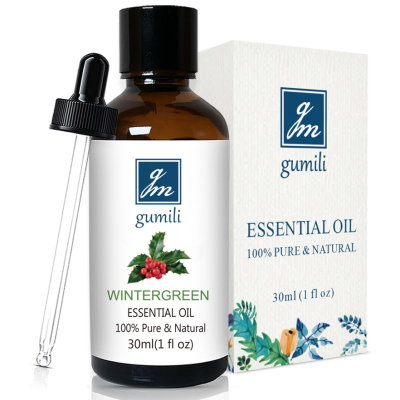
GM Gumili Wintergreen Essential Oil sold on Amazon is being recalled due to the risk of child poisoning, as the bottles do not meet child-resistant packaging standards.

  • The essential oil contains methyl salicylate and was not sold in child-resistant packaging, posing a poisoning risk to children if swallowed.
  • About 2,970 bottles were sold on Amazon.com between October 2023 and November 2025 for around $8 each.
  • Consumers should stop using the oil and contact Gumili Beauty for a refund or replacement.
Product

Guangzhou Feifan Kuajing Supply Chain Co., Ltd., doing business as Gumili Beauty, is recalling its GM Gumili Wintergreen Essential Oil bottles. The recall was issued because the essential oil was sold in bottles that do not meet mandatory child-resistant packaging requirements, creating a risk for children. The product was available on Amazon and is packaged in amber glass bottles with a dropper cap and a white label featuring the GM logo and a wintergreen plant image.

The hazard

The essential oil contains methyl salicylate, a substance that must be packaged in child-resistant containers under the Poison Prevention Packaging Act (PPPA). The recalled bottles are not child resistant, posing a serious poisoning risk if young children swallow the contents. No injuries have been reported to date.

What to do

Consumers should stop using the recalled essential oil immediately and place it out of the sight and reach of children. Contact Gumili Beauty for a refund or replacement. Do not continue to use the product in its current packaging.

Company contact

Contact Gumili Beauty toll-free at 800-343-1580 from 9 a.m. to 6 p.m. ET Monday through Friday, or email gumilius@outlook.com.

Source


Fixwal 7-drawer dressers recalled for tip-over and entrapment hazards

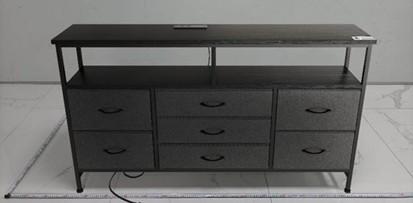
Fixwal 7-Drawer Dressers sold through Amazon are being recalled after failing stability standards, posing a risk of serious injury or death to children.

  • Dressers are unstable if not anchored to the wall, violating the STURDY Act and creating tip-over and entrapment hazards.
  • About 2,900 units sold on Amazon.com from September 2023 to December 2025 at around $100 each.
  • Consumers should stop using unanchored dressers and contact Momok for a full refund.
Product

Changzhou Xunchuang Home Furnishing Co., Ltd., dba Momok, is recalling its Fixwal 7-Drawer Dressers, which were sold in black and white with metal frames and collapsable fabric drawers. The recall was prompted because these dressers do not meet the mandatory stability standards required for clothing storage units, putting children at risk. The affected dressers measure 55.1 inches long, 11.8 inches wide, and 31.5 inches tall.

The hazard

The dressers are unstable when not anchored to the wall, violating the STURDY Act. This instability presents a serious risk of tip-over and entrapment, which can lead to significant injury or even death, especially for young children. No incidents or injuries have been reported as of the recall date.

What to do

Immediately stop using the recalled dresser if it is not anchored to the wall, and move it to an area inaccessible to children. Contact Momok for a full refund.

Company contact

Email Momok at fixwaldresserrecall@outlook.com for refund details.

Source


Lotus Joy sweet birch essential oil bottles recalled due to poisoning risk

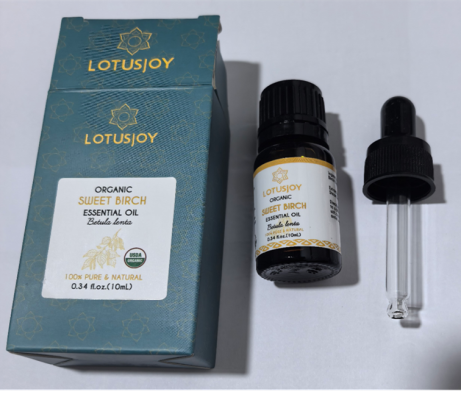
Zan International Trading is recalling Lotus Joy Organic Sweet Birch Essential Oil bottles sold on Amazon because the packaging is not child resistant and could lead to serious poisoning.

  • The bottle contains methyl salicylate and fails child-resistant packaging requirements, posing a poisoning risk if swallowed by children.
  • About 470 bottles were sold on Amazon.com from August 2025 through November 2025 for about $13 each.
  • Consumers should secure the product away from children and contact Zan International Trading for a refund.
Product

Guangzhou Tenghui Fragrance & Flavor Co., Ltd. is recalling its Lotus Joy Organic Sweet Birch Essential Oil bottles distributed by Zan International Trading. The recall is due to the bottles not meeting the mandatory child-resistant packaging standards, thus posing a child poisoning risk. The essential oil was sold in small amber bottles with glass droppers and a distinctive white, orange, and black label.

The hazard

The product contains methyl salicylate, which must be secured in child-resistant packaging under the Poison Prevention Packaging Act. The lack of compliant packaging means children could easily access the contents and ingest the oil, resulting in potentially fatal poisoning. No known injuries have been reported.

What to do

Consumers should immediately store the recalled essential oil out of sight and reach of children. To receive a refund, pour the product contents into the trash, write RECALLED on the bottle, and send a photo of the disposed bottle to Zan International Trading at the provided email address.

Company contact

Contact Zan International Trading toll-free at 888-5739-288 from 9 a.m. to 5 p.m. ET Monday through Friday, or email zantradellc@hotmail.com.

Source


Dresbe LED Christmas headbands recalled for battery ingestion hazard

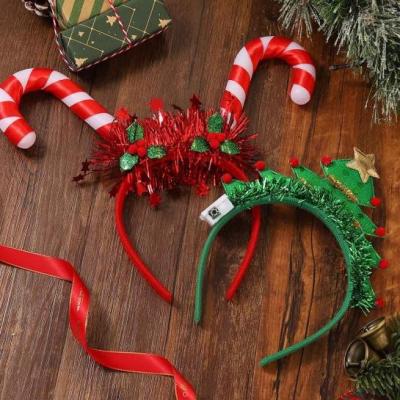
Dresbe LED Christmas Headbands are being recalled after it was found that the button cell batteries are easily accessible to children, creating a life-threatening ingestion hazard.

  • The headbands contain accessible button cell batteries and lack required safety warnings, risking serious injury if swallowed by children.
  • About 250 units sold on Amazon.com from March 2024 to June 2025 for around $13 per two-pack.
  • Consumers should stop using the headbands and contact Dresbe for a refund.
Product

Wenxi Xuefeng Technology Co., Ltd., dba Dresbe, is recalling its LED Christmas Headbands sold as novelty two-packs, including red candy cane and green Christmas tree designs. The recall was issued because the headbands contain button cell batteries that children can easily access, and the products lack the safety warnings mandated under Reeses Law.

The hazard

The accessible button cell batteries pose a serious ingestion hazard to children, risking severe internal injuries, chemical burns, or death if swallowed. The headbands and packaging also fail to carry legally required warnings for button cell battery products. No injuries have been reported so far.

What to do

Consumers should immediately stop using the recalled headbands and keep them away from children. Contact Dresbe for refund instructions.

Company contact

Contact Dresbe by email at dresberecall@shineprom.com for refund details.

Source


Cobelae Busy Books recalled due to choking hazard from small beads

Flyindream is recalling Cobelae Busy Books after discovering that beads can detach and pose a deadly choking hazard to children.

  • The apple-shaped beads on page eight of the book can loosen and detach, violating the small parts ban and creating a choking risk.
  • About 3,500 books sold on Amazon.com in October and November 2025 for around $26 each.
  • Consumers should stop using the product and contact Flyindream for a free replacement.

Product

Shenzhenmengzhongfeikejiyouxiangongsi, doing business as Flyindream, is recalling its Cobelae Busy Book, model 2025-Q3-0702. The recall follows concerns that the string of beads in the apple on page eight can loosen and detach, posing a serious choking hazard. The book is easily recognized by a yellow and brown giraffe on the front cover.

The hazard

The beads can detach from the toy, creating a potential choking hazard for young children. This violates the federal small parts ban and could lead to injury or death if swallowed. No injuries have been reported.

What to do

Consumers should stop using the recalled busy book immediately. Write RECALLED on the front of the book with a permanent marker, dispose of the product, and email a photo of the discarded book to cobelaeservice@outlook.com to receive a free replacement.

Company contact

Email cobelaeservice@outlook.com for replacement instructions.

Source


Furnulem 5-drawer dressers recalled for tip-over and entrapment risk

Furnulem is recalling select 5-Drawer Dressers due to instability, which can result in serious injury or death if the dresser tips over and traps a child.

  • Dressers without feet extensions violate the STURDY Act and can tip over if not anchored, creating entrapment hazards.
  • About 50 white wooden dressers sold on Amazon.com in July 2025 for about $140 each.
  • Consumers should stop using and dispose of the dresser, then contact Furnulem for a full refund.
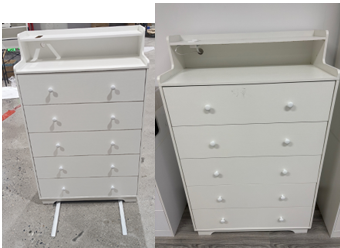
Product

Shanghai Taiye Furniture Co., Ltd., doing business as Furnulem, is recalling its five-drawer dressers (model HK-DS-017-CL-5D-1-W) that did not come with feet extensions. The white wooden dresser, sold exclusively on Amazon, has a top with recessed power outlets and round pull knobs on each drawer. The recall addresses the risk that these dressers can tip over if not properly anchored.

The hazard

If the dresser is not anchored to the wall, it can tip over, violating the mandatory stability standard under the STURDY Act. This poses tip-over and entrapment hazards that can result in serious injuries or even death to children. No injuries have been reported so far.

What to do

Consumers should stop using the recalled dresser immediately, make sure it is out of reach of children, and contact Furnulem for disposal instructions. Consumers must send a photo demonstrating the dressers disposal to receive a full refund.

Company contact

Call Furnulem collect at 310-227-9560 from 9 a.m. to 4 p.m. PT Monday through Friday, email support@furnulem.com, or visit furnulem.com/pages/voluntary-safety-recall for more details.

Source


Little Cow Company 9 oz candles recalled for fire and laceration hazards

Little Cow Company is recalling its 9 oz candles in glass jars after reports that the jars can crack or break during use, posing risks of fire, burns, and cuts.

  • The glass jar can break or crack, leading to fire, burn, and laceration hazards.
  • About 1,140 candles sold nationwide at New Seasons Market and Town and Country stores between December 2025 and January 2026 for about $25 each.
  • Consumers should stop using the candle and contact Little Cow Company for a full refund.
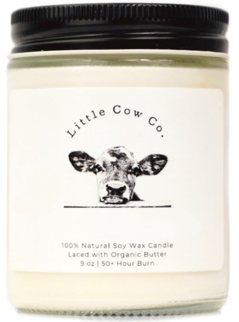
Product

Little Cow Company LLC, based in Portland, Oregon, is recalling its Little Cow Co. branded 9 oz candles in glass jars. The recall follows two reports of the glass jars breaking during use, which could potentially cause fire, burns, or lacerations. The affected candles have a sticker with the brand name and state 100% natural soy wax candle, laced with organic butter.

The hazard

The glass jars used for these candles can break or crack while burning, posing fire and burn hazards as well as the risk of cuts from broken glass. Although two incidents of jar breakage have been reported, there have been no injuries so far.

What to do

Consumers should stop using the recalled candles immediately. To obtain a refund, draw an X on the glass container with a permanent marker, cut the wicks, and email a photo of the marked jar and cut wicks to Little Cow Company.

Company contact

Email info@littlecowco.com or visit littlecowco.com/pages/recall and click on Recalls for more information.

Source


PurSteam travel steamers recalled for serious burn risk

Aterian is recalling PurSteam Elite Travel Steamers and Mighty Lil Steamers due to reports of hot water expelling from the nozzle, resulting in dozens of burn injuries.

  • The steamers can expel hot water during use, creating a serious burn hazard.
  • About 75,400 PurSteam Elite and 119,000 Mighty Lil Steamers sold online from December 2020 through April 2025.
  • Consumers should stop use immediately and follow recall instructions to receive a full refund.
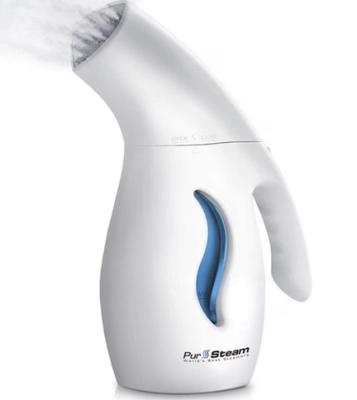
Product

Aterian, Inc. of Summit, New Jersey, is recalling its PurSteam Elite Travel Steamers (model PS-510) and PurSteam Mighty Lil Steamers (model PS-550), which were sold online through Pursteam.com, Amazon, and Walmart. The recall comes after hundreds of reports of hot water being expelled from the steam nozzle, resulting in dozens of burn injuries. The affected steamers are white and can be identified by model number and date code labels on the bottom.

The hazard

Both steamer models can unexpectedly expel hot water from the nozzle during use, posing a risk of serious burns. There have been 80 reports (including 14 burns) associated with the PS-510 model and 392 reports (including 40 burns, two second-degree) with the PS-550. Additional incidents were reported before Aterian acquired PurSteam in 2020.

What to do

Stop using the recalled steamers right away. Visit recall.pursteam.com to submit a recall request. Consumers will need to provide contact information, cut the steamers cord, and upload a photo of the device with the cord cut to receive a full refund. Hold onto the steamer until receiving a refund, as some consumers may need to return the product using a prepaid mailer.

Company contact

Call Aterian toll-free at 833-910-6095 from 9 a.m. to 5 p.m. ET Monday through Friday, email recall@pursteam.com, or visit pursteam.com and click Product Recall for more information.

Source


Lancaster Table & Seating powder-coated outdoor chairs and barstools recalled for fall hazard

Clark Associates is recalling three models of Lancaster Table & Seating Powder-Coated Aluminum Outdoor Chairs and Barstools after multiple reports of legs bending or breaking, resulting in falls and injuries.

  • The legs of the chairs and barstools can bend or break during use, presenting a fall risk.
  • About 158,486 units sold nationwide and online from April 2020 through October 2025 for $55 to $133.
  • Consumers should stop using the affected chairs and barstools and contact Clark Associates for a refund.
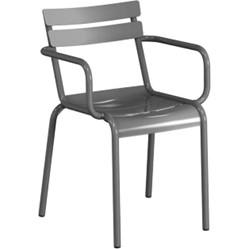
Product

Clark Core Services LLC, dba Clark Associates, is recalling three models of its Lancaster Table & Seating Powder-Coated Aluminum Outdoor Chairs and Barstools. The affected items include arm chairs, side chairs, and barstools sold under 180 item numbers, available at Clark Pro, Clark National Accounts, and through several online vendors.

The hazard

The legs of these chairs and barstools can bend or break while in use, creating a significant risk of falls. The company has received 36 reports of broken or bent legs, resulting in four falls and three injuries.

What to do

Consumers should stop using the recalled chairs and barstools immediately and contact Clark Associates to arrange for a refund.

Company contact

Call Clark Associates toll-free at 800-285-8172 from 9 a.m. to 5 p.m. ET Monday through Friday, or email pcachairsandbarstools@lancastertableandseating.com. Visit lancastertableandseating.com/recalls/powder-coated-aluminum-chairs for more information.

Source


YITA recalls multiple brands of 16-drawer dressers for tip-over hazard

Yita LLC is recalling five different brands of 16-drawer dressers after finding they can tip over if not anchored, posing risks of serious injury or death to children.

  • The dressers violate the STURDY Act and can tip over if unanchored, creating tip-over and entrapment hazards.
  • About 6,800 dressers sold on Amazon.com and Walmart.com from September 2023 through August 2025 for $75-$100 each.
  • Consumers should stop use, disassemble and dispose of the dresser, then contact YITA for a refund.
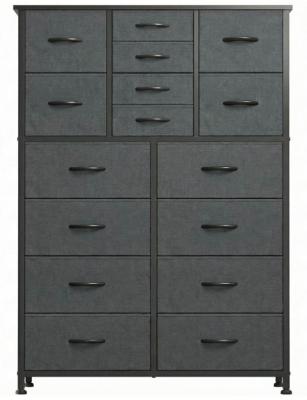
Product

Yita LLC, doing business as Yitahome, Uforic, Dextrus, Yintatech, and ModFusion, is recalling several brands of 16-drawer dressers. The affected dressers are available in gray, black, white, pink, and brown, with collapsable fabric drawers and metal frames. The recall affects dressers sold online between September 2023 and August 2025.

The hazard

The recalled dressers are unstable if they are not anchored to the wall, violating the mandatory standard required by the STURDY Act. This instability can lead to tip-overs and entrapment, posing significant injury or death risks to children. No injuries have been reported so far.

What to do

Stop using the recalled dressers immediately. Move them out of areas accessible to children. Disassemble and dispose of the dresser, write RECALL on it with permanent marker, and provide a photo of the disposed product to YITA to receive a full refund.

Company contact

Call YITA toll-free at 877-672-0878 from 8 a.m. to 12 p.m. ET Monday through Friday, email yitamotor@outlook.com, or see yitahome.com/article/voluntary-safety-recall-16-drawer-dresser-fabric-dresser.html?aid=152 for full instructions.

Source


Warning: Creative Dice Lighters pose fire and burn risks

The CPSC warns consumers to stop using Creative Dice Lighters, which resemble stacked dice, because they lack required child-resistant features and pose a serious fire hazard.

  • The lighters do not have child-resistant mechanisms, violating federal standards and increasing fire and burn risks.
  • Sold on Amazon.com from May 2024 to November 2025 for about $16; may also be available from other sellers.
  • Consumers should stop use immediately and dispose of the lighter per local regulations.
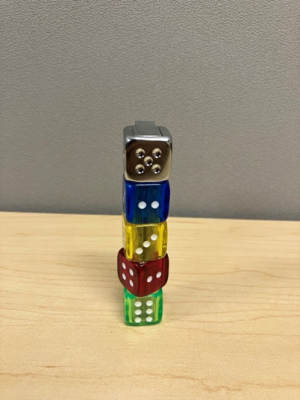
Product

The U.S. Consumer Product Safety Commission (CPSC) is warning consumers to immediately stop using Creative Dice Lighters. These novelty lighters, shaped like stacked dice in various colors, do not include the child-resistant mechanisms required by federal law, creating a risk of serious injury or death from fire or burns. The lighters were primarily sold on Amazon but may be available from other third-party sellers.

The hazard

Creative Dice Lighters violate the mandatory standard for cigarette lighters by lacking child-resistant safety mechanisms. This makes it easier for children to operate the lighter, increasing the risk of accidental fires and burns. No specific incidents have been reported, but the risk is considered severe.

What to do

Consumers should stop using these lighters immediately and dispose of them according to local regulations. Do not sell or give away these hazardous products.

Company contact

Report any incidents involving injury or product defects to CPSC at www.SaferProducts.gov.

Source


Mays Chemical Company recalls imported frozen pork loins in Puerto Rico

Mays Chemical Company of Puerto Rico is recalling frozen, raw pork boneless loins imported from Canada without required reinspection, posing a high food safety risk.

  • The products were imported without the benefit of import reinspection, violating food safety regulations and creating a Class I health risk.
  • The recall affects items marked with Cert. No. Cert 336662 and Canada establishment Canada 12, distributed in Puerto Rico.
  • Consumers and businesses should throw away or return affected products to the place of purchase.

Mays Chemical Company of Puerto Rico is recalling its frozen, raw pork boneless loins after it was discovered the products were imported from Canada without the necessary U.S. import reinspection. These pork loins were distributed to various institutions, restaurants, and federal establishments across Puerto Rico and can be identified by an export mark stating Cert. No. Cert 336662 and establishment Canada 12.

The hazard

Because the pork was imported without the required FSIS reinspection, there is a heightened risk that the product could pose a food safety threat. The U.S. Department of Agriculture has designated this recall as Class I, indicating a high or medium risk to health. No illnesses have been reported to date, but consumption of uninspected meat can lead to serious health consequences.

What to do

Distributors, institutions, restaurants, and federal establishments should not serve, sell, or consume the affected pork loins. The products should be discarded or returned to the place of purchase as soon as possible.

Company contact

Contact Mr. Julio Westerband, Purchasing-Inventory Control, Mays Ochoa at (787) 340-1327 or Julio.Westerband@maysochoa.com, or Ms. Dora Chevres, Traffic Manager, Mays Ochoa at (787) 479-2109 or Dora.Chevres@maysochoa.com for more information.

Source


Posted: 2026-02-06 20:15:15

Get Full News Story On Consumer Affairs


Listen to this article. Speaker link opens in a new window.
Text To Speech BETA Test Version.


More News From This Category
Consumer News: Store brands are better than ever: Where you can maximize your savings
Fri, 03 Jul 2026 01:07:06 +0000

Where generic products shineand where name brands still win

By Kyle James of ConsumerAffairs
July 2, 2026
  • Store brands have improved dramatically. Generic medications, pantry staples, frozen produce, and many household essentials often deliver similar quality for a lower price.

  • Shop smarter, not by brand. Compare unit prices and ingredient listsyou may be paying extra for a familiar label rather than a better product.

  • Some categories are still personal. Coffee, cereal, ketchup, and certain snacks may be worth the splurge if you prefer the taste or performance.

Private-label products have come a long way. From pain relievers to frozen vegetables, many store brands now rival national brands in both quality and performance.

That doesn't mean every generic product is automatically the better buy. While some categories offer virtually identical products at a lower price, others still have meaningful differences in terms of taste, performance, and ingredients.

Here's where store brands can help you save money, and where paying extra for a national brand may still make sense.

Over-the-counter medications are easy savings

If you're still buying brand-name pain relievers, allergy medicine, or heartburn medication simply because you recognize the name, you may be spending far more than necessary.

The U.S. Food and Drug Administration (FDA) requires approved generic medications to contain the same active ingredient, strength, dosage form, and intended use as their brand-name counterparts. They must also meet the same manufacturing and quality standards.

That means store-brand ibuprofen works the same way as Advil. Generic acetaminophen contains the same active ingredient as Tylenol. The same principle applies to many allergy medications, acid reducers, and cold medicines.

The biggest difference is often the packaging, and of course the price.

Pro tip: Ignore the logo on the front of the box. Turn it over and compare the active ingredient panel. If the ingredients and dosage match, the generic version is often an easy way to cut your pharmacy bill.

Pantry staples rarely justify paying extra

Walk down the baking aisle and you'll find national brands sitting next to store brands that often contain nearly identical ingredient lists.

Products like flour, sugar, salt, rice, dried beans, pasta, oats, baking soda, and canned vegetables are commodities. Most shoppers would be hard-pressed to notice a difference once they're incorporated into a recipe.

Instead of focusing on the brand name, compare the ingredient list and the unit price. Many shoppers are surprised to discover they're paying 20% to 40% more simply because they're accustomed to reaching for a familiar label.

Pro tip: Pick one pantry staple each shopping trip and switch to the store brand. If your family doesn't notice the difference, make it your new default.

Frozen fruits and vegetables are another win

Fresh produce isn't always the freshest option. Many frozen fruits and vegetables are harvested at peak ripeness and frozen shortly afterward, helping preserve flavor and nutrients.

Whether you're buying broccoli, peas, corn, mixed vegetables, berries, or mango chunks, the differences between national brands and store brands are often minimal.

For making things like smoothies, soups, casseroles, and side dishes, store-brand frozen produce can deliver excellent value.

Pro tip: Buy plain frozen vegetables instead of seasoned versions. You'll usually save money and have more control over sodium levels and the added seasonings.

Store brands have become brands in their own right

Retailers no longer see private labels as "cheap alternatives." Instead, they've become an important part of their business strategy.

Brands like Kirkland Signature, Great Value, Good & Gather, Bettergoods, Simple Truth, Member's Mark, and Aldi's exclusive labels have built loyal followings by focusing on quality while keeping prices below national competitors.

Many shoppers who initially tried store brands to save money continue buying them because they like the products and not simply because they're less expensive.

That shift has encouraged retailers to expand into more premium products. You now often see store-brand premium coffee, organic foods, specialty cheeses, frozen meals, and gourmet snacks.

Categories where paying more may still make sense

Coffee is one example where some people will balk at going to a generic grind or whole bean. This is because many strongly prefer a specific roast or flavor profile.

The same goes for things like breakfast cereal, ketchup, mayonnaise, soft drinks, barbecue sauce, and certain snack foods.

In these categories, the decision comes down to your own taste, not clever marketing.

The takeaway here is instead of replacing everything at once, experiment one product at a time. You just might discover that generic Greek yogurt becomes a permanent purchase, while your favorite coffee remains worth the splurge.

Pro tip: Conduct a blind taste test at home. Remove the packaging and let family members choose their favorite. You may be surprised how often the less expensive option wins.

Household basics deserve a second look

The savings don't stop in the grocery aisles. Paper towels, trash bags, aluminum foil, plastic wrap, cleaning sprays, dish soap, bleach, and many paper products often have lower-priced store-brand alternatives.

Performance can vary more than with pantry staples, so it's worth experimenting and testing out certain products. For example, you may decide that generic glass cleaner works perfectly fine while continuing to buy your preferred name-brand dishwasher detergent.

The goal isn't to replace every national brand but to identify where paying more no longer makes sense from a value perspective.

Pro tip: Start with smaller packages when trying a new household product. If you like it, then you can buy the larger size the next time you need it.

Five more ways to maximize your savings

  • Compare unit prices, not package prices: Keep in mind that the lowest sticker price isn't always the best deal. Check the unit price to see what you're really paying per ounce, pound, or item.

  • Don't shop only one retailer: One store may have the best private-label dairy products, while another excels in frozen foods or pantry staples.

  • Read reviews: Many grocery apps and retailer websites include customer ratings that can help identify standout store-brand products.

  • Watch for satisfaction guarantees: Some retailers will refund or replace store-brand products if you're not satisfied, making it virtually risk-free to try something new.

  • Keep an open mind: The generic product you tried five years ago may be very different today. Retailers continually reformulate and improve their private-label offerings.


Read More ...


Consumer News: Rethinking sugar: New roadmap aims to cut added sugars in kids' diets
Thu, 02 Jul 2026 19:07:07 +0000

Experts say policy changes could make healthier food choices easier for families

By Kristen Dalli of ConsumerAffairs
July 2, 2026
  • Children in the U.S. consume far more added sugar than health experts recommend, according to a new policy brief.

  • Researchers argue that reducing sugar intake will require changes to schools, food labeling, marketing, and the food industry not just individual family efforts.

  • The roadmap outlines six policy recommendations designed to make lower-sugar choices more accessible and easier for parents and children.

Many parents know it's a challenge to limit the amount of added sugar their children eat. Sweeteners show up in obvious treats like cookies and candy, but they're also found in foods that many families buy every week, including yogurt, breakfast cereal, bread, and condiments.

A new policy brief from the Global Food Institute at George Washington University argues that helping children eat less added sugar will require more than encouraging healthier choices at home. The authors say today's food environment often makes high-sugar products the easiest option, leaving families to navigate a system where added sugars are widespread.

The report notes that American children consume roughly 60 to 70 grams of added sugar each day more than double the amount recommended by the American Heart Association for children ages 2 to 18. It also points to the 20252030 Dietary Guidelines for Americans, which recommend avoiding added sugars for children under age 11.

"The reality is that children are consuming added sugars in far greater amounts than health experts recommend, and parents cannot solve this challenge alone," Priya Fielding-Singh, Director of Policy and Programs at the Global Food Institute and lead author of the report, said in a news release.

"If we are serious about improving children's health, we need policies that make healthier choices easier, more accessible, and more affordable."

How the roadmap was developed

The policy brief reviews existing dietary recommendations and public health evidence before proposing strategies to reduce children's exposure to added sugars.

The authors organized their recommendations into three broad areas: raising nutrition standards where children learn and play, reshaping the supply and demand for added sugars, and giving families clearer nutrition information.

Within those categories, the brief presents six policy recommendations. These include:

  • Strengthening nutrition standards for school meals and early childhood programs

  • Encouraging food manufacturers to reduce added sugars in commonly purchased products

  • Expanding taxes on sugar-sweetened beverages

  • Limiting the marketing of unhealthy foods to children

  • Requiring front-of-package labels that clearly identify foods high in added sugars

What the recommendations could mean for families

The report's central message is that reducing children's sugar intake should not fall entirely on parents. Instead, the authors argue that policy changes can help create an environment where healthier options are easier to find, easier to understand, and more affordable.

The brief also highlights equity concerns, noting that lower-income children and children of color are disproportionately affected by diet-related diseases and are more frequently exposed to marketing for high-sugar foods and beverages.

While the roadmap focuses on policy rather than immediate changes for consumers, it suggests that coordinated efforts involving government agencies, food manufacturers, educators, health professionals, community organizations, and families could make it easier for children to consume less added sugar over time.

"Policy has successfully tackled major public health challenges before, from tobacco use to vehicle safety," said Fielding-Singh. "The tools already exist to reduce children's exposure to excess added sugars. The next step is using them."


Read More ...


Consumer News: Homeownership could slip further out of reach by 2031, new analysis suggests
Thu, 02 Jul 2026 19:07:07 +0000

Rising home prices may continue outpacing incomes across much of America

By Kristen Dalli of ConsumerAffairs
July 2, 2026
  • A new analysis projects home prices will rise faster than household incomes in every state by 2031.

  • Several states could require households to dramatically increase their incomes to afford a median-priced home.

  • The findings highlight where homeownership may remain attainable and where affordability is expected to worsen.

For many Americans, buying a home already feels like a stretch.

Now, a new analysis from HireAHelper suggests that challenges may continue to grow over the next five years if current trends persist. Rather than looking at today's housing market alone, researchers projected how home prices and household incomes could change through 2031 to estimate where homeownership may become more or less attainable.

According to the report, the median U.S. home price is projected to increase from about $390,300 today to roughly $527,500 by 2031, a jump of more than 35%.

During that same period, household incomes are not expected to keep pace with rising home values, widening the affordability gap nationwide. The researchers found that every state could see home prices outgrow income growth, although the size of that gap varies significantly depending on location.

How the researchers reached their conclusions

To estimate future affordability, HireAHelper analyzed historical home price data from Redfin and calculated each state's compound annual home price growth over the previous five years. Researchers then projected those growth rates forward to estimate median home prices in 2031.

The team also estimated the minimum household income needed to afford those projected homes using assumptions that included a 20% down payment, a 30-year mortgage, a 6.5% interest rate, property taxes, and the commonly used guideline that housing costs should consume no more than about one-third of household income.

Those projected income requirements were then compared with current median household income figures from the U.S. Census Bureau to calculate each state's affordability gap. The analysis did not include expenses such as homeowners insurance, HOA fees, or other household debts.

What the findings mean for buyers

The projections show that affordability pressures are expected to differ widely across the country.

Montana ranked as the state with the largest projected affordability gap by 2030, followed by California and New York. In contrast, states including North Dakota, Louisiana, and Iowa were projected to remain among the most affordable relative to current household incomes.

The report also identified large differences at the city level. Several California cities, including Irvine, Fremont, and San Jose, were projected to have some of the nation's widest affordability gaps by 2030, while many lower-cost markets appeared more accessible under the study's assumptions.

While these findings are projections rather than predictions, they illustrate how continued home price growth could affect future buyers if incomes fail to rise at a similar pace. For consumers, the report underscores the importance of considering long-term affordability not just current home prices when planning for homeownership.


Read More ...


Consumer News: Many Costco shoppers are just now noticing this warning on steak labels
Thu, 02 Jul 2026 19:07:07 +0000

If you like your steak medium-rare, read this first

By Kyle James of ConsumerAffairs
July 2, 2026
  • Check the label. Many Costco steaks are blade tenderized and recommend cooking to 145F with a 3-minute rest.

  • There's a reason. Blade tenderizing can move bacteria inside the meat, so these steaks have different cooking guidance than intact cuts.

  • Cook smart. Use a meat thermometer and don't assume every steak is safe to eat rare or medium-rare.

If you've ever picked up a package of steaks at Costco, there's a good chance you've overlooked one important line on the label.

Many of Costco's pre-cut steaks are labeled as blade tenderized, along with a recommendation to cook them to an internal temperature of 145 degrees Fahrenheit. A recent Instagram video highlighting the label has sparked plenty of discussion among home cooks who prefer their steaks rare or medium-rare.

Here's what you should know before firing up the grill this summer.

Why Costco recommends 145 degrees

Normally, harmful bacteria on a whole steak are found primarily on the surface. When you sear the outside, those bacteria are destroyed, allowing many people to safely enjoy steaks cooked below 145 degrees.

Blade tenderization changes that equation.

The process uses dozens of tiny blades or needles to break up tough muscle fibers, creating a more tender steak. But those blades can also push any surface bacteria into the center of the meat, where lower cooking temperatures may not kill them.

That's why Costco labels these steaks as blade tenderized and recommends cooking them to 145F, followed by a three-minute rest, which matches current guidance from the USDA for mechanically tenderized beef steaks.

Does this mean Costco meat isn't safe?

Not at all.

Blade tenderization is a common practice throughout the beef industry, especially for certain cuts. Costco is simply being transparent by clearly labeling the product and providing cooking instructions.

The key is knowing what you're buying.

Many shoppers assume every steak is an intact cut of beef that can safely be cooked rare. That's not always the case.

Actionable tips for shoppers

  • Read the label carefully. Look for terms like "blade tenderized" or "mechanically tenderized."

  • Use a meat thermometer. Instead of guessing the internal temperature of your steak, use a thermometer so you know exactly what doneness youve got.

  • Want a rare steak? Ask the butcher for a whole, untenderized cut if available, or purchase whole primal cuts and cut them yourself.

  • Don't skip the rest. The USDA recommends letting steaks rest for at least three minutes after reaching 145F. This allows the temperature to stabilize while the juices head back to the center of the steak.

  • Higher-risk consumers should be extra cautious. Older adults, pregnant women, young children, and anyone with a weakened immune system should follow the recommended cooking temperatures.

Pro tip: Costco's labels contain more useful information than many shoppers realize. Besides cooking instructions, they identify the USDA grade, whether the meat has been blade tenderized, the packed-on date, and the sell-by date. Taking a few extra seconds to read the label can help you cook your steak both safely and exactly the way you intended.


Read More ...


Consumer News: Want to quit smoking? Exercise may give your efforts an extra boost
Thu, 02 Jul 2026 19:07:06 +0000

New research suggests physical activity can help reduce cravings and support quit attempts

By Kristen Dalli of ConsumerAffairs
July 2, 2026
  • A large review found that exercise modestly improved smoking quit rates and reduced daily cigarette use.

  • Even a single workout helped reduce cigarette cravings for up to 30 minutes afterward.

  • Researchers say exercise works best as a complement to proven quit-smoking treatments, not a replacement.

Trying to quit smoking is rarely easy. Nicotine cravings, withdrawal symptoms, and long-standing habits can make it difficult to stick with a quit attempt, even when someone is highly motivated. While counseling, medications, and nicotine replacement therapies remain the standard approaches, researchers continue looking for additional strategies that may make the process a little easier.

A new review from researchers at Adelaide University suggests that exercise could be one of those tools.

According to the findings, adding physical activity to a quit-smoking plan may help reduce cravings, lower the number of cigarettes people smoke, and slightly improve the chances of successfully quitting. The researchers emphasize that exercise isn't meant to replace established smoking cessation treatments, but rather to work alongside them as an accessible, low-cost addition.

Quitting smoking is one of the best things a person can do for their health, but its also one of the hardest, Dr. Ben Singh said in a news release. Many smokers want to quit, but the current approaches dont work for everyone. Thats why we need more strategies that people can incorporate into their daily lives at little or no cost.

Something as simple as regular exercise can make a meaningful difference to people trying to quit, helping them manage cravings, smoke less, and improve their chances of quitting.

The study

The findings come from a systematic review and meta-analysis that combined results from 59 randomized controlled trials involving more than 9,000 participants.

Researchers searched 11 scientific databases and evaluated studies that looked at both short-term exercise sessions and longer-term exercise programs. The review included a wide range of activities, including aerobic exercise, resistance training, yoga, high-intensity interval training, and lifestyle-based physical activity.

The researchers examined several outcomes related to smoking cessation, including continuous abstinence, seven-day abstinence, cigarette consumption, cravings, withdrawal symptoms, and mood. By combining data from many different studies, they were able to evaluate whether exercise consistently influenced quitting success across different populations and exercise programs.

The study

Overall, the review found that people who participated in exercise programs were 15% more likely to achieve continuous abstinence from smoking than those in comparison groups. They were also 21% more likely to report not smoking during the previous seven days. On average, participants in exercise programs smoked about two fewer cigarettes per day.

One of the most immediate benefits appeared to be reduced cravings. A single bout of exercise lowered cigarette cravings right after activity, with the effect lasting for up to 30 minutes. Researchers suggest this could help people get through some of the most challenging moments during a quit attempt when the urge to smoke is strongest.

The authors caution that the improvements in long-term quitting were modest and that the overall quality of evidence for abstinence outcomes ranged from low to moderate. Still, they conclude that exercise may be a practical addition to evidence-based smoking cessation programs, giving people another tool to help manage cravings and support their efforts to quit.

Quitting smoking does not have to begin and end with willpower alone, Professor Carol Maher said in the release. Cravings can be difficult to manage, but they often pass. Our review found that even a single bout of exercise can reduce cravings for up to 30 minutes, which may help people get through some of the hardest moments of a quit attempt.

Exercise should not replace evidence-based quit supports such as counseling and smoking cessation medication, but it may be a practical, low-cost strategy that people can use alongside them.


Read More ...


Related Bing News Results
Not Costco, not Walmart: This is the best rotisserie chicken of 2026, per Consumer Reports
Thu, 02 Jul 2026 08:07:07 GMT
A rotisserie chicken can be a lifesaver for anyone who needs a quick meal. Luckily, we know the best store to purchase your bird, but it's not where you think.

Consumer Reports names the best grocery store rotisserie chicken—and it isn't Costco's
Sat, 27 Jun 2026 04:25:00 GMT
The warehouse favorite was edged out after experts compared flavor, texture and more.

NC ranks #6 in the nation for hot car deaths
Fri, 26 Jun 2026 18:11:00 GMT
On average, 37 children die each year in the U.S. after climbing into a car or being left in a car.

Consumer Reports and Yuka Test 40 Popular U.S. Foods, Find 1 in 4 Exceed Daily Safety Levels for Additives
Mon, 08 Jun 2026 11:20:00 GMT
A joint investigation by Consumer Reports and Yuka has measured the levels of eight controversial additives in 40 widely consumed packaged food products in the United States. The results show that one ...

Consumer Reports retests protein powders, finds safer options
Wed, 18 Feb 2026 17:22:00 GMT
USES THESE SUPPLEMENTS. HERE’S MARISSA TANSINO. LAST FALL, CONSUMER REPORTS TESTED DOZENS OF PROTEIN POWDERS AND READY TO DRINK SHAKES. WHAT THE LAB FOUND RAISED RED FLAGS MORE THAN TWO THIRDS ...


Blow Us A Whistle


Related Product Search/Búsqueda de productos relacionados

Amazon Logo

Visit Our New Print-On-Demand Stores On Printify and Zazzle
Printify Zazzle





