Rockin Robin SongFlying The Web For News.
RobinPost Logo Amazon Prime Deals


Consumer Daily Reports

Furniture, toys, and board games are included in this week's list

By News Desk of ConsumerAffairs
February 13, 2026

SOOWERY dressers recalled for tip-over hazard

SOOWERY is recalling a small number of 6-drawer dressers sold on Amazon because they can tip over if not anchored, creating a dangerous entrapment risk for children.

  • Specific hazard: Unstable dresser can tip over and trap a child, risking serious injury or death.

  • Scope/stats: About 166 units sold on Amazon.com from December 2025 through January 2026 for about $130.
  • Immediate action: Stop using the dresser if it is not anchored and contact the firm to request a refund.
Product

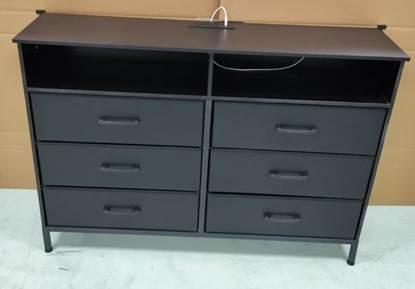
Shenzhen Zhongyuantong Technology Co., Ltd., doing business as SOOWERY, is recalling SOOWERY 6-Drawer Dressers sold in black with a metal frame, wooden top and six collapsible fabric drawers. The company says the dresser can be unstable if it is not anchored to the wall, creating a tip-over and entrapment hazard that can be deadly to children. The product also violates the mandatory clothing storage standard required by the STURDY Act.

The hazard

The dresser can tip if it is not secured, potentially falling onto a child and trapping them underneath. CPSC said the product violates the mandatory standard for clothing storage units, a safety benchmark designed to reduce tip-over injuries and deaths. No incidents or injuries were reported.

What to do

Consumers should stop using the dresser if it is not properly anchored and contact SOOWERY for instructions to receive a refund. Keep children away from any unanchored clothing storage unit until it is secured.

Company contact

Email SOOWERY at SOOWERYrecall@outlook.com.

Source


Beloems bed rails recalled for entrapment risk

Beloems is recalling its adult portable bed rails after regulators said users can become trapped and face a risk of asphyxiation.

  • Specific hazard: Entrapment within the rail or between rail and mattress can lead to asphyxiation; also fall and laceration hazards.
  • Scope/stats: About 800 units sold on Amazon.com from June 2025 through October 2025 for about $90.
  • Immediate action: Stop using the bed rail immediately and contact Beloems for a full refund.
Product

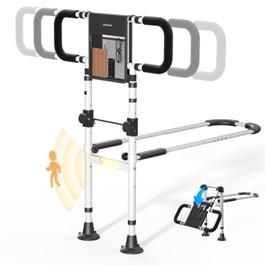
Leioujiapin Technology Co., Ltd., doing business as Beloems, is recalling Beloems-branded adult portable bed rails, model BL-BR201. The foldable rails have white metal tubing, foam handle grips (black or grey), support legs and a fabric pouch, with the Beloems logo printed on the fabric cover. CPSC said the product violates the federal mandatory standard for adult portable bed rails.

The hazard

CPSC said users can become entrapped within the bed rail or between the bed rail and the side of the mattress, posing a serious entrapment hazard and risk of death by asphyxiation. The rails also do not meet structural stability or retention strap requirements, which can lead to falls, and the push pins and pin holes are incorrectly sized, posing a laceration hazard. No incidents or injuries were reported.

What to do

Consumers should immediately stop using the recalled bed rails and contact Beloems for a full refund. To obtain the refund, consumers should destroy the bed rails by cutting the handrails foam padding and writing RECALLED on the upper and lower rails with permanent marker, then take a photo of the destroyed rails and email it as directed by the company.

Company contact

Contact Beloems by email at leioujiapin@163.com.

Source


Fortemotus Direct bed rails recalled for asphyxiation

Fortemotus Direct is recalling adult portable bed rails sold on Amazon because users can become entrapped and face a risk of asphyxiation.

  • Specific hazard: Entrapment between the rail and mattress can cause asphyxiation; fall and laceration hazards also cited.
  • Scope/stats: About 550 units sold on Amazon.com from August 2025 through October 2025 for about $100.
  • Immediate action: Stop using the bed rail immediately and contact the seller for a full refund.
Product

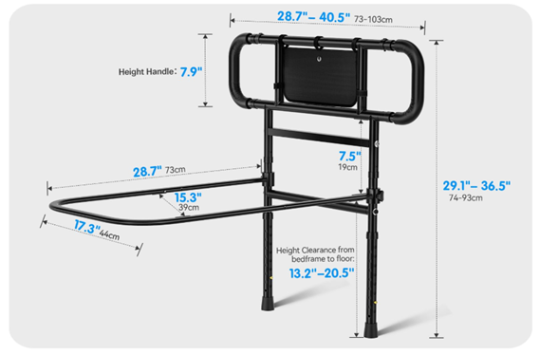
Guangzhou Kezhinuo Maoyi Youxian Gongsi, doing business as Fortemotus Direct US, is recalling Fortemotus-branded adult portable bed rails, model USFTMTJAS008. The black rails have foam handle grips, support legs and a fabric pouch, measure about 30 inches wide by 30 inches high, and have the Foremotus logo printed on the fabric cover. CPSC said the rails violate the mandatory standard for adult portable bed rails.

The hazard

CPSC said users can become entrapped within the bed rail or between the bed rail and the side of the mattress, posing a serious entrapment hazard and risk of death by asphyxiation. The rails also fail structural stability or retention strap requirements, posing a fall hazard, and the push pins and pin holes are incorrectly sized, posing a laceration hazard. No incidents or injuries were reported.

What to do

Consumers should stop using the recalled bed rails immediately and contact Fortemotus Direct US for a full refund. The company instructs consumers to destroy the bed rails by cutting the handrails foam padding, take a photo of the destroyed rails and email the photo to the address provided to receive the refund.

Company contact

Contact Fortemotus Direct US by email at fortemotusofficial@outlook.com.

Source


Magnetic board games recalled over ingestion danger

A Colombia-themed board game set is being recalled because loose, high-powered magnets can be swallowed and cause life-threatening internal injuries.

  • Specific hazard: Loose high-powered magnets can be ingested and cause intestinal perforation, twisting or blockage.
  • Scope/stats: About 1,200 games sold at Centro Envos Aventura in Miami and online on Amazon.com from April 2023 through June 2025.
  • Immediate action: Keep the game away from children and arrange a return for a full refund.
Product

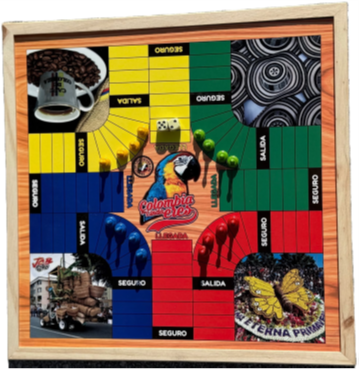
Surveying Accessories Cheaper is recalling Colombia-themed magnetic board games after CPSC said the magnetic pieces can contain loose, high-powered magnets. The recalled sets include a two-sided board, a storage bag, 32 multi-colored magnetic pieces and two dice with a storage pouch; Colombia que linda eres is printed on the board and Cositas Colombianas is printed on the storage box. Only the four- and six-player versions are included in the recall.

The hazard

CPSC said the products violate the mandatory standard for toys because the game pieces can contain loose, high-powered magnets. If swallowed, magnets can attract one another (or other metal objects) inside the body and become lodged in the digestive system, potentially causing perforations, intestinal twisting, blockage, blood poisoning and death. No incidents or injuries were reported.

What to do

Consumers should immediately stop using the recalled magnetic board games and keep them away from children. Contact Surveying Accessories Cheaper to obtain a pre-paid shipping label and return the game for a full refund issued to the original payment method or by check.

Company contact

Call Surveying Accessories Cheaper collect at 305-336-6042 from 9 a.m. to 5 p.m. ET Monday through Friday, or email zlipgo.sales@gmail.com.

Source


LShome smoke alarms recalled for failure to alert

LShome photoelectric smoke detector alarms sold on Amazon are being recalled because the alarm may not sound quickly enough in a fire.

  • Specific hazard: Alarm may not warn in time during a fire if the sensing threshold is set too high.
  • Scope/stats: About 11,000 3-packs sold on Amazon.com from February 2024 through December 2025 for about $30.
  • Immediate action: Stop using the alarms and request a refund through the seller.
Product

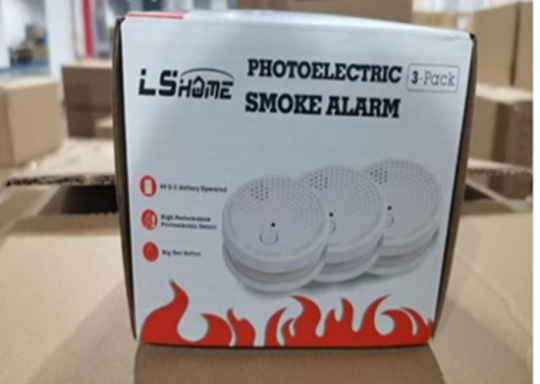
TIANJINSHIHAOWEIXINSHENGJIDIANANZHUANGGONGCHENG is recalling LShome 3-pack photoelectric smoke detector fire alarms sold exclusively on Amazon.com. The 9V battery-operated alarms are white and circular with a test button; model XG-7D04-KZ9Z and SKU CX-50YP-A5VN are printed on the bottom. The recall was issued because the device may not sound in a timely manner during a fire.

The hazard

If the sensing threshold is set too high, the alarm might not sound quickly enough to warn occupants, increasing the risk of serious injury or death in a fire. No incidents or injuries were reported.

What to do

Consumers should immediately stop using the recalled smoke alarms and contact the seller for instructions on receiving a full refund through Amazon.com. The firm says the alarms can be discarded in household trash; consumers should ensure they have working smoke alarms in their home as soon as possible.

Company contact

Email lmm15957491237@163.com.

Source


CheerKid bath seats recalled after tipping risk

CheerKid baby bath seats sold on Amazon are being recalled because they can tip over, posing a drowning risk for infants.

  • Specific hazard: Unstable infant bath seat can tip during use, creating a drowning hazard.
  • Scope/stats: About 590 units sold on Amazon.com in September 2025 for about $35.
  • Immediate action: Stop using the bath seat and follow the firms destruction steps to obtain a refund.
Product

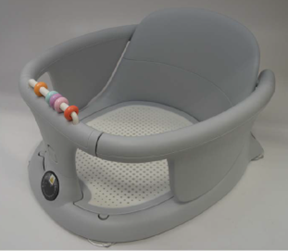
Hangzhouyoupengmaoyiyouxiangongsi (Hangzhou Youpeng Trading Co., Ltd.), doing business as Babibaby, and Woot of Carrollton, Texas, are recalling CheerKid-branded baby bath seats sold in gray, pink and light blue. The bath seats have five suction cups on the bottom and a multi-colored rolling abacus toy at the front, with Model: BH-222 on a label on the back. CPSC said the bath seats violate the mandatory federal standard for infant bath seats because they are unstable.

The hazard

The bath seats can tip over while in use, which can submerge an infant and lead to drowning. CPSC said the design violates the mandatory standard for infant bath seats intended to reduce instability risks. No incidents or injuries were reported.

What to do

Consumers should immediately stop using the recalled bath seats and contact Babibaby for a full refund. The firm instructs consumers to write Recalled on the front in permanent marker, disassemble the bath seat by removing the back rest and arm restraints, discard the screws, cut the five suction cups on the bottom, and send a photo of the disassembled and marked product to the company to receive the refund.

Company contact

Email Babibaby at CheerKid-Recall@outlook.com.

Source


Hot Spring spa jets recalled for entanglement

Watkins Manufacturing is recalling certain hydromassage rotary jets in Highlife Collection spas because the jets can create suction that entangles hair and can lead to drowning.

  • Specific hazard: Suction from rotary jets can entangle hair and pull a users head underwater.
  • Scope/stats: About 32,900 units in the U.S. (plus about 853 sold in Canada) across model years 2023-2025 Highlife Collection spas and replacement parts.
  • Immediate action: Stop using the recalled jets and follow the companys instructions to turn them off and install free inserts.

Product

Watkins Manufacturing Corporation is recalling hydromassage rotary jets (6 fin) used in Highlife Collection spas and also sold as replacement parts. The affected spas include eight modelsGrandee, Envoy, Vanguard, Aria, Prodigy, Sovereign, Jetsetter and Jetsetter LXfrom model years 2023, 2024 and 2025. The firm said the jets can create a suction force that can entangle a users hair and pose drowning hazards.

The hazard

The hydromassage rotary jets can create suction that allows hair to become entangled, potentially submerging a users head underwater and creating an entanglement and drowning risk. The company reported one incident involving hair entanglement, and no injuries were reported.

What to do

Consumers should immediately stop using the recalled jets and visit the companys recall website to determine whether their spa includes the affected parts. If the spa has the recalled jets, consumers should contact the company to obtain instructions and a video showing how to turn the jets off and how to install free replacement jet inserts.

Company contact

Contact Watkins Wellness toll-free at 888-450-5748 from 8 a.m. to 5 p.m. ET Monday through Friday, email jetrecall@watkinsmfg.com, or visit http://www.hotspring.com/recalls (or http://www.hotspring.com and click Recalls at the bottom of the page).

Source


Aroeve air purifiers recalled after overheating reports

Airova is recalling Aroeve air purifiers because the units can overheat and ignite, creating fire and burn hazards.

  • Specific hazard: Air purifier can overheat and ignite, posing fire and burn hazards.
  • Scope/stats: About 191,390 units sold on Amazon.com, Shopify.com, TEMU.com and TikTok.com from September 2024 through June 2025.
  • Immediate action: Stop using the purifier and request a free replacement from Airova.
Product

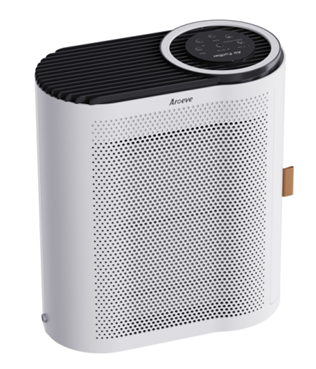
Airova, Inc. is recalling Aroeve brand air purifiers, model MK04, sold in black or white. The recalled units were manufactured prior to July 2025 and have a serial number starting with BN, with model, date code and serial information on a label on the bottom. The company said the units can overheat and ignite.

The hazard

The air purifiers can overheat and ignite, creating a fire and burn hazard. Airova reported 37 overheating incidents, including one report of fire, and said no injuries or property damage were reported.

What to do

Consumers should stop using the recalled air purifiers immediately and contact Airova to obtain a free replacement air purifier. Do not attempt to repair the unit yourself.

Company contact

Email Airova at Aroeve-airpure-recall@outlook.com, or visit https://aroeve.com/pages/product-recall-information (or https://aroeve.com/ and click Product Recalls at the top of the page).

Source


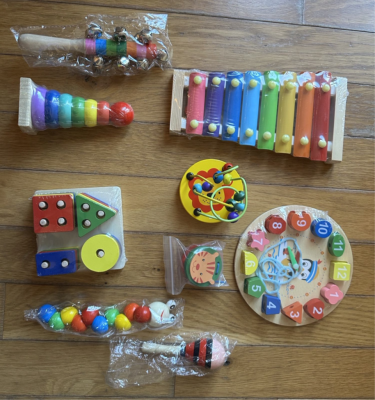
Shein toddler toy set flagged for choking

CPSC is warning consumers to stop using a 5-in-1 toddler musical instrument set sold online because small parts can create a deadly choking hazard for young children.

  • Specific hazard: Small parts and spherical-ended drumsticks can obstruct a childs airway; a long cord also poses a safety risk.
  • Scope/stats: About 380 units sold online at Shein.com from August 2025 through December 2025 for about $10 to $20.
  • Immediate action: Stop using the toys immediately and dispose of them; do not resell or donate.
Product

The U.S. Consumer Product Safety Commission issued a warning urging consumers to immediately stop using 5-IN-1 Toddler Musical Instruments sold online. The set includes items such as bell sticks, a xylophone, maracas and castanets, along with toys like stacking rings with a ball, a shape sorter, a clock puzzle and a fidget snake. CPSC said the product is intended for children under 3 and violates federal safety requirements.

The hazard

CPSC said the products violate the small parts and small ball bans, posing a deadly choking hazard. Regulators also said the drumsticks that come with the xylophone have spherical ends that can pose a choking hazard, and the cord included with the toy clock exceeds 12 inches in length, which violates safety requirements. CPSC urged consumers to report incidents through SaferProducts.gov.

What to do

CPSC urges consumers to stop using the toys immediately and dispose of them so children cannot access the parts. Do not sell or give away the toys. Consumers should report any incidents involving injury or product defect to CPSC at www.SaferProducts.gov.

Company contact

There is no company remedy listed in the CPSC warning; consumers can report incidents to CPSC at www.SaferProducts.gov.

Source


PandaEar hook-on chairs warned for fall risk

CPSC is warning families to stop using PandaEar portable hook-on chairs because a removable crotch restraint can allow a child to fall.

  • Specific hazard: Crotch restraint can be removed, increasing the risk of a child falling and suffering serious injury or death.
  • Scope/stats: About 8,950 units sold online at Amazon.com from February 2022 through November 2025 for about $25.
  • Immediate action: Stop using the chair immediately and dispose of it; do not resell or donate.

Product

The U.S. Consumer Product Safety Commission issued a warning urging consumers to stop using PandaEar childrens portable hook-on chairs. The chairs have a black or gray metal frame covered with black or gray polyester and cotton material, with two metal arms that anchor to a dining table so a child is suspended from the table. CPSC said the products violate the mandatory standard for portable hook-on chairs.

The hazard

CPSC said the crotch restraint can be removed, which can cause a child to slip or fall from the chair, posing a risk of serious injury or death. The products were sold online at Amazon.com and also on pandaear.com and through third-party sellers, according to the agency.

What to do

CPSC urges consumers to stop using the portable hook-on chairs immediately and dispose of them. Do not sell or give away the chairs. Consumers should report any incidents involving injury or product defect to CPSC at www.SaferProducts.gov.

Company contact

There is no company remedy listed in the CPSC warning; consumers can report incidents to CPSC at www.SaferProducts.gov.

Source


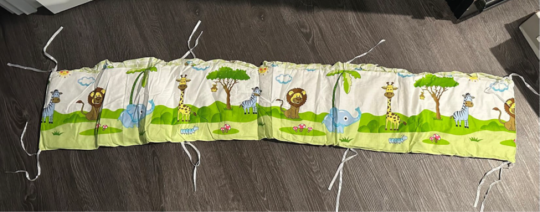
Muduo crib bumpers warned after federal ban

CPSC is warning caregivers to stop using Muduo crib bumper sets sold online because the padded bumpers violate the federal crib bumper ban and can cause suffocation.

  • Specific hazard: Padded crib bumpers can obstruct an infants breathing, posing a suffocation risk.
  • Scope/stats: Sold online at DHGate.com by the seller lilytoy1988.
  • Immediate action: Stop using the crib bumpers immediately and dispose of them; do not resell or donate.
Product

The U.S. Consumer Product Safety Commission issued a warning urging consumers to immediately stop using Muduo Crib Bumper Sets sold online. The agency said the padded crib bumpers included in the bedding sets violate the federal ban on crib bumpers. CPSC said the bumpers can obstruct an infants breathing.

The hazard

CPSC said the padded crib bumpers can obstruct an infants breathing, posing a risk of serious injury or death due to suffocation. The agency noted that the product violates the federal crib bumper ban.

What to do

CPSC urges consumers to stop using the crib bumpers immediately and dispose of them so they cannot be used again. Do not sell or give away the crib bumpers.

Company contact

No company contact information was provided in the CPSC warning.

Source


BJs salmon recalled for possible Listeria

Slade Gorton & Co. is recalling one lot of Wellsley Farms farm-raised Atlantic salmon sold at BJs Wholesale Club because it may be contaminated with Listeria monocytogenes.

  • Specific hazard: Potential Listeria monocytogenes contamination can cause severe illness, especially for pregnant people and other vulnerable groups.
  • Scope/stats: One lot (Lot 3896) with UPC 888670025963 sold in BJs stores across seven states.
  • Immediate action: Do not consume the product and contact the company for refund instructions.

Product

Slade Gorton & Co., Inc. announced a recall of one lot of Wellsley Farms Farm-Raised Atlantic Salmon sold at BJs Wholesale Club because the product has the potential to be contaminated with Listeria monocytogenes. The affected product is identified as Lot 3896 with UPC code 888670025963. Distribution was listed for BJs stores in Delaware, Maryland, New Jersey, New York, North Carolina, Pennsylvania and Virgina.

The hazard

Listeria infection can cause short-term symptoms such as high fever, severe headache, stiffness, nausea, abdominal pain and diarrhea, according to the FDA posting. The agency said Listeria infection can also cause miscarriages and stillbirths among pregnant women. Consumers should take extra precautions if they are pregnant, elderly, or have weakened immune systems.

What to do

Consumers should not eat the recalled salmon. Call the company for instructions on how to obtain a full refund and what to do with any remaining product.

Company contact

Consumers can call (888) 628-0730 at any time. Media can call (781) 366-9251 or email Annie.tselikis@sladegorton.com.

Source


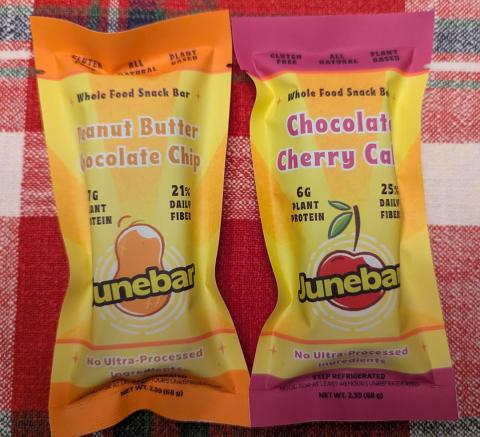
Junebar recalls bars for undeclared allergens

Junebar issued an allergy alert for Chocolate Cherry and Peanut Butter Chocolate Chip Junebars due to undeclared milk and soy.

  • Specific hazard: Undeclared milk and soy can trigger serious or life-threatening allergic reactions.
  • Scope/stats: Lots L1300, L1300A, L1300B, or L1301A distributed in New York State in January 2026.
  • Immediate action: People with milk or soy allergies should not eat the bars and should return them for a refund.
Product

Junebar issued an allergy alert for Chocolate Cherry and Peanut Butter Chocolate Chip Junebars because the products may contain undeclared milk and soy. The affected products were distributed in New York State in January 2026 through grocery retailers or direct deliveries from website orders. People with allergies or severe sensitivities to these ingredients are most at risk.

The hazard

The FDA notice warns that consumers with an allergy or severe sensitivity to milk or soy risk a serious or life-threatening allergic reaction if they consume the recalled products. Undeclared allergens are a leading cause of emergency reactions and can be especially dangerous for people with a history of anaphylaxis.

What to do

Consumers who have purchased the recalled Chocolate Cherry or Peanut Butter Chocolate Chip Junebars should not consume them if they have a milk or soy allergy or sensitivity. The company urges consumers to return the product to the place of purchase for a full refund.

Company contact

Call 315-226-3339 or email contact@junebars.com.

Source


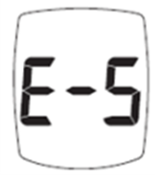
TRUE METRIX glucose systems get urgent label update

Trividia Health is issuing a labeling correction for TRUE METRIX blood glucose monitoring systems to stress that users with an E-5 error and symptoms of high glucose should seek immediate medical care.

  • Specific hazard: Inadequate instructions could delay treatment during dangerously high blood glucose, risking severe harm or death.
  • Scope/stats: All TRUE METRIX, TRUE METRIX AIR, TRUE METRIX GO, and TRUE METRIX PRO systems distributed in multiple countries.
  • Immediate action: Follow the updated instructions and seek medical attention immediately if E-5 occurs with high-glucose symptoms.
Product

Trividia Health, Inc. is initiating a labeling correction for all TRUE METRIX Blood Glucose Monitoring Systems, including TRUE METRIX, TRUE METRIX AIR, TRUE METRIX GO, and TRUE METRIX PRO. The FDA notice states that the Owners Booklets/System Instructions for Use do not sufficiently emphasize that users must seek medical attention immediately if they receive an E-5 error code and have symptoms of high glucose. The company said products are not being returned or replaced.

The hazard

Trividia said the lack of emphasis in the instructions could potentially lead to a delay in treatment if a user receives an E-5 error code and is experiencing symptoms of high glucose. The FDA notice warns that delayed treatment may result in serious adverse health consequences or death.

What to do

Consumers should not return the product, as this is a labeling correction rather than a removal from the market. Watch for and follow the companys Product Notice with updated instructions, and seek medical attention immediately if an E-5 error occurs and you have symptoms of high glucose.

Company contact

Contact Trividia Health Customer Care at 1-888-835-2723 or trividia0126CC@trividiahealth.com.

Source


Ground beef recalled over E. coli O145 risk

CS Beef Packers is recalling raw ground beef products that may be contaminated with E. coli O145, with distribution to foodservice locations in three states.

  • Specific hazard: Possible contamination with Shiga toxin-producing E. coli (STEC) O145 can cause severe illness and, rarely, kidney failure.
  • Scope/stats: FSIS recall 003-2026 for products with case codes 18601, 19583, 19563 and establishment number EST. 630 distributed in CA, ID and OR.
  • Immediate action: Foodservice operators should not serve the products and should throw them away or return them.

CS Beef Packers, LLC is recalling raw ground beef products that may be contaminated with E. coli O145, according to the U.S. Department of Agricultures Food Safety and Inspection Service. The affected items include product associated with case codes 18601, 19583 and 19563 and establishment number EST. 630, with distribution listed for California, Idaho and Oregon. FSIS said the products went to foodservice locations.

The hazard

E. coli O145 is a serovar of Shiga toxin-producing E. coli (STEC), FSIS said. Most people infected develop diarrhea (often bloody) and vomiting, and some cases can be more severe; hemolytic uremic syndrome (HUS), a type of kidney failure, is uncommon but can occur. Anyone who becomes ill after consuming ground beef should seek medical care, especially if symptoms are severe or persistent.

What to do

Foodservice locations should not serve the recalled ground beef products. FSIS said the products should be thrown away or returned to the place of purchase to prevent consumers from being exposed.

Company contact

Contact Roger Cooper, Operations Manager of CS Beef Packers, LLC, at 208-810-7510 ext 7531 or roger.cooper@csbeef.com.

Source


Posted: 2026-02-13 16:23:51

Get Full News Story On Consumer Affairs


Listen to this article. Speaker link opens in a new window.
Text To Speech BETA Test Version.


More News From This Category
Consumer News: Digital payment fraud is on the rise: Here's how to stay safe
Wed, 01 Jul 2026 22:07:07 +0000

Criminals are using new tactics to trick people into sending money and sharing personal information

By Kristen Dalli of ConsumerAffairs
July 1, 2026
  • Scammers are increasingly targeting digital payment methods like bank transfers, debit cards, digital wallets and peer-to-peer payment apps as consumers rely less on paper checks.

  • Artificial intelligence is making fraud more convincing, with criminals using fake websites, impersonation and AI-generated voices to pressure people into sending money or sharing personal information.

  • The best defense is to slow down and verify. Experts say pausing before sending money, confirming unexpected requests through trusted sources and using security tools like multifactor authentication can help prevent fraud.

Paying bills, sending money to friends, and shopping online has never been easier. But as more consumers move their financial lives into digital spaces, scammers are finding new ways to take advantage.

While traditional fraud involving checks and deposits is becoming less common, criminals are increasingly targeting digital payment methods such as bank transfers, debit cards, digital wallets, and peer-to-peer payment apps.

Adding to the challenge, artificial intelligence is making more convincing than ever. Fraudsters can now create realistic fake websites, impersonate trusted organizations, and even use AI-generated voices and identities to gain consumers' trust. The result is a rapidly evolving fraud landscape that can catch even cautious people off guard.

To better understand these emerging threats and how consumers can protect themselves, ConsumerAffairs spoke with Jen Martin, Head of Consumer Fraud and Claims at Citizens, who shared insights on the latest fraud trends, common warning signs and the simple steps people can take to keep their money and personal information safe.

What do these look like?

Digital payment are becoming more common because money moves quickly and can be harder to recover. Martin shared the details of what these typically look like.

These often involve impersonation, she said. Fraudsters pose as a trusted source, a bank, a government agency, a retailer, or even a friend or family member, and use urgency to push consumers to act. Fraudsters are contacting consumers via text, email, phone calls and even knocking on doors at homes posing as trusted sources.

Whats changed is the level of sophistication. Were seeing more advanced, AI-driven , including fraudulent websites that closely mimic legitimate ones and highly convincing outreach designed to build trust quickly. At the same time, were seeing more synthetic and quasi-synthetic identities being used to open accounts, adding another layer of complexity to the fraud landscape.

Know how to spot these

Martin shared the top red flags that consumers should be aware of to help spot these .

The biggest red flag is urgency: any message that pressures you to act quickly or creates a sense of panic, she said.

Other common warning signs include:

  • Texts, phone calls, emails from unknown sources, even if they look legitimate (like from a bank, UPS/USPS, or government agency)

  • Requests from unknown people to move money quickly through P2P apps, wires, or other instant payment methods

  • Unexpected payment requests or last-minute changes to payment instructions, especially for small businesses

  • Messages that appear to come from a trusted source but ask for personal or financial information

If something feels even slightly off, its important to pause and verify through a trusted source. Immediately disconnect from the call, website, or conversation.

Dos and donts

If you happen to find yourself involved in one of these , here are Martins top dos and donts to make the fallout as minimal as possible.

Do:

  • Pause and verify any unexpected request using a trusted source.

  • Contact your bank immediately if something doesnt seem right.

  • Use available security tools like alerts and multifactor authentication.

  • Monitor credit reports, credit scores, bank accounts regularly for suspicious activity.

  • Use Report Spam for unknown mobile calls and texts.

  • Talk to loved ones about how to spot and what to do if you might be a victim; our elderly and student-aged family members are most targeted and the fraud schemes are different.

Dont:

  • Click on links from a text/email, especially from a merchant or delivery company.

  • Dont act under pressure or urgency.

  • Dont share personal or banking information in response to unsolicited messages.

  • Dont send money to someone you havent independently verified.

Slow down

Martin says that the most important step is to slow down.

Fraud today is designed to create urgency and bypass critical thinking, so taking a moment to verify a request can make all the difference, she said.

One of the most powerful defenses is still awareness. The more informed consumers are about how these work, the better equipped they are to protect themselves. Taking a moment to pause and verify can prevent a significant loss.


Read More ...


Consumer News: Many parents are going into debt to protect their kids from missing out
Wed, 01 Jul 2026 22:07:07 +0000

New research reveals the emotional toll of borrowing for everyday expenses and the pressure families feel to keep up

By Kristen Dalli of ConsumerAffairs
July 1, 2026
  • Many parents are taking on debt to keep their children from feeling left out, with social pressures and rising costs driving many spending decisions.

  • Financial experts say hiding debt can increase stress, strain relationships and make it harder to get back on track financially.

  • Open conversations about money, realistic budgeting and teaching kids healthy financial habits early can help families break the cycle of debt.

Parents want to give their children every opportunity they can, whether that means signing them up for sports, paying for school activities, or simply making sure they don't feel different from their friends.

But for many families, keeping up with those expectations comes at a financial cost that's largely hidden from view.

A new survey from MoneyLion found that 40% of parents have gone into debt so their children wouldn't feel left out, highlighting the growing financial pressure many families are facing. While parents often shoulder that burden quietly, the emotional impact can be significant, with many feeling guilt, shame and worry about how their debt could affect their children's future.

ConsumerAffairs interviewed Certified Financial Health Counselor Rudri Patel who explained why so many parents feel compelled to make these sacrifices and how families can navigate financial stress without carrying it alone.

Survey highlights

Over 1,000 U.S. parents were surveyed about their finances. The findings suggest that financial stress is affecting far more than household budgets it's also shaping parents' decisions and emotional well-being.

Here are some of the key findings from the survey:

  • Four in 10 parents said they've gone into debt to make sure their children don't feel left out.

  • Among parents ages 25 to 34, that number rises to half.

  • More than half of respondents fear their debt could follow their children into adulthood.

  • Nearly four in 10 parents worry their financial situation could limit their children's future opportunities.

  • About 41% of Americans and half of those currently carrying debt said they've hidden how much they owe from someone close to them.

  • Nearly six in 10 respondents said they've borrowed money or relied on credit cards to pay for groceries and other household essentials

  • More than 40% reported delaying or skipping medication because of the cost.

  • More than 80% of respondents said they believe it's acceptable for parents to take on debt for their children, suggesting that many parents may judge themselves more harshly than others do.

FOMO fuels decisions

According to Patel, the fear of missing out (FOMO) is one of the biggest drivers of financial decisions.

With the influx of social media, parents and kids have multiple ways to compare themselves to orchestrated posts and highlight reels, he said. Parents feel the need to overspend on extracurricular activities, products, and vacations. This curated feed is financed through charging on high-interest credit cards and loans.

In addition to the comparison culture, if parents are working full-time and feel that they arent spending enough time with their kids, they may overspend to make up for the guilt.

The long-term risks of hidden debt

Hidden debt can also have physical and emotional weight for parents. Overspending is causing people to forego day-to-day expenses and health needs, which can carry long-term risks.

Secrecy about finances is a risk that may be overlooked but may do long-term damage, Patel said. Over 40% of those surveyed have not told loved ones about what they owe and 35% dont feel comfortable talking about money with close family members. Secrecy creates anxiety and delays which could lead to compounding financial problems. It makes it harder to stop poor finance behavior because there is little to no accountability involved.

Hidden debt can delay life milestones. Over 30% of Americans have put off getting married because of debt, and nearly 35% have delayed having children. The longer debt is not talked about, the more it can impede a familys entire life trajectory.

Budgeting strategies

For parents who want to take control of their finances and budget accordingly, Patel shared his best tips based on his experience as a financial expert:

  • Start small. You likely wont fix everything at once. One quick way to get a jump start is to call your credit card issuers and find out if they will lower interest rates. If youre a long-time customer and have been consistent about making timely payments, chances are the issuer will lower your interest rates.

  • Create an emergency fund. Having $500 to $1,000 in an emergency fund can make a difference. Youll want to prevent an unexpected expense from derailing your entire budget. Instead of charging on a high-interest credit card or getting a personal loan, you can withdraw from your emergency fund.

  • Be honest about your debt. Although these conversations may feel uncomfortable, youll need to have conversations with loved ones regarding your debt. Start by having monthly check-ins. Transparency is the key to reducing shame regarding debt.

  • Limit social media usage. If youve recognized that comparison tends to fuel unnecessary spending, limit your social media usage. Minimizing triggers that lead to comparison can help with having a grounded approach to spending.

  • Track your spending. Be ruthless with your budget. This means keeping track of every small or large expense.

Talk to your kids about money

The survey found that more than 50% of parents are worried about how their debt will impact their children as they grow into adulthood. But it doesnt have to!

Patel recommends that parents start talking to their kids about money early, as it can help them be more aware of finances from a young age.

Between ages 3 to 5, introduce the concept of money and let them choose one thing to buy at the store, Patel said. By ages 6 to 8, its a good idea to teach children about an allowance and let them decide how they want to spend, save, and donate.

As children get older and hit their early teens, give them a debit card so they can understand the concept of credit, debt, and interest. Introduce them to budgeting apps so they understand the different categories that will likely be relevant as they get older. As they hit their late teens, getting a checking account, credit card, and a part-time job can teach them practical basics about money. You can start by having conversations about personal loans and cars, how to pay for college, and taxes.


Read More ...


Consumer News: Think your vacation photos are harmless? They could be giving scammers an advantage
Wed, 01 Jul 2026 22:07:07 +0000

Even without location tags or captions, AI can identify where many travel photos were taken

By Kristen Dalli of ConsumerAffairs
July 1, 2026
  • Your vacation photos may reveal more than you think. AI can often identify where a photo was takeneven without location tags, captions, or metadata.

  • Scammers can use those details to make phishing attacks more convincing. They may impersonate airlines, hotels, or travel companies using information tied to your trip.

  • You don't have to stop sharing your travels. Being more mindful about what you post, when you post it, and who can see it can help reduce your risk.

Before you share those beach sunsets and vacation selfies, it's worth thinking about what your photos might be revealing.

Thanks to advances in artificial intelligence, a single travel picture can contain more clues than most people realize even if you've removed the location tag and skipped the caption.

According to new research from McAfee, AI tools can often identify where a photo was taken based on the image alone, potentially giving scammers the information they need to create highly personalized phishing emails, texts, and other .

ConsumerAffairs spoke with Steve Grobman, Chief Technology Officer at McAfee, about how this technology works, why it matters, and what travelers can do to better protect their privacy online.

Vacation photos reveal a lot

Groman explained that scammers don't need a specifics like a selfie in front of the Eiffel Tower or Times Square to know where you're traveling. They can use AI to quickly identify more subtle clues like hotel names, airline logos, restaurants, or even details in the background that reveal where you are.

Once they have that information, they can use it to make feel much more believable and targeted, he said. For example, you might receive a text claiming there's an issue with your hotel reservation, an email saying your flight has changed, or a message asking you to pay a tourist fee before you arrive. Because the scam is timed to your trip and the message includes specific details, people are much more likely to trust it.

How to spot these

One of the biggest things consumers should know is that these are designed to blend into the normal travel experience, while also taking advantage of moments when people are rushed, distracted, or on the go.

Groman shared some of the most popular ways these take shape:

  • A fake TripAdvisor alert

  • A text from your airline saying your flight has changed

  • An email asking you to confirm your hotel reservation

  • Fake customer support numbers that appear in search results

  • QR codes that lead to malicious websites instead of legitimate services

  • Messages soliciting fake tourist or exit fees designed to steal your information

Instead of relying on obvious mistakes like bad grammar, today's are designed to blend in with the confirmations, notifications, and updates travelers receive every day, he said.

Consumers should look for signs that a message is trying to rush them into acting. Urgency is always a red flag. If a message asks you to click a link, make a payment, or share personal information right away, take a moment to verify it through the company's official app or website before responding.

Reducing your risk

If youre about to embark on a trip and are now feeling skittish about sharing your photos, Groman has some advice to help reduce the risk of a scam.

His first piece of advice: you dont have to stop posting photos, but you may want to be more thoughtful about what you share and when.

Heres some more tips:

  • Take a quick look at your photos before you post them. Ask yourself whether they reveal more than you intended, such as a hotel name, a boarding pass, a room number, or other details that could help someone piece together where you are.

  • Consider waiting until you've returned home before posting in real time. Sharing your memories a day or two later can dramatically reduce the amount of context available to scammers while you're still traveling. Think about when you post it. Do you really need to post it while you're halfway around the world?

  • Remember that not every vacation photo needs to be public. Reviewing your privacy settings and limiting who can see your posts can go a long way toward reducing your exposure without taking away from the fun of sharing your trip.

What to do if youve been involved in one of these

If you think youve been attacked by a scammer, Groman encourages consumers to act as quickly as possible.

He shared some additional advice for scam victims:

  • Stop interacting with the message immediately. Don't click on any additional links or reply to it. Instead, contact the company that the scammer was impersonating using its official website or app to confirm whether there really is an issue.

  • If you've already clicked a link or downloaded something, run a security scan on your device to ensure everything is safe. McAfee can help identify malicious apps or malware that may have been installed without your knowledge. If you've shared personal or financial information, contact your bank or credit card company, change any affected passwords, and monitor your accounts for suspicious activity.

  • One of the biggest misconceptions is that once you've clicked, there's nothing you can do. That's rarely the case. Acting quickly can often prevent a bad situation from becoming much worse.


Read More ...


Consumer News: Thinking about going solar? Here's how to avoid any costly contract mistakes
Wed, 01 Jul 2026 22:07:06 +0000

How to spot the warning signs of a risky solar contract

By Kyle James of ConsumerAffairs
July 1, 2026
  • Don't trust high-pressure solar sales. Be skeptical of promises like "no electric bill" or "this deal ends today," and always get at least three quotes before signing.

  • Never sign a contract you can't keep. If everything is done on an iPad, insist on receiving a complete copy of the signed contract by email or in print before the salesperson leaves.

  • Do your homework first. Research the installer's reviews, licensing, and complaint history, and consider having ChatGPT review the contract for potential red flags before you commit.

Installing solar panels can be a smart long-term investment, but experts say homeowners should be careful before signing anything especially if the offer comes from a door-to-door salesperson.

The warning comes after financial personality Dave Ramsey discussed a caller's experience with a solar company that allegedly promised to eliminate his electric bill in exchange for monthly payments on a solar system. The homeowner later said the deal wasn't what he believed he had agreed to and wanted to know whether he could get out of the contract.

While every situation is different, consumer advocates say the story highlights several red flags that we should watch for before signing a home improvement contract.

Be skeptical of 'too good to be true' promises

One of the biggest warning signs is a salesperson making sweeping promises, such as:

  • "You'll never pay another electric bill."

  • "The system pays for itself."

  • "You can cancel anytime."

  • "This offer expires today."

Solar panels can definitely reduce your electricity costs, but savings depend on factors such as your home's energy use, local utility rates, available incentives, and the terms of your financing agreement. Always keep in mind that no salesperson can honestly guarantee identical savings for every homeowner.

If someone promises dramatic savings without reviewing your energy usage or utility bills, treat it as a red flag.

Never sign a contract you can't review later

According to Ramsey, one of the biggest warning signs in the caller's situation was that the entire transaction took place on a salesperson's iPad.

The homeowner said he reviewed the agreement electronically and signed it on the device, but afterward was told the company didn't provide a paper copy of the signed contract.

That's a major red flag.

Before signing any contract electronically, make sure you receive a complete copy either printed or emailed to you. Make sure this happens before the salesperson leaves your property.

Once you have the contract in your hands, be sure to review every page carefully, paying close attention to the total project cost, interest rate and financing terms, monthly payment amount, equipment warranties, and the transfer rules if you sell your home.

If you can't easily access the final signed contract, don't move forward.

Pro tip: Take the contract and copy and paste it into ChatGPT and ask if anything about it looks abnormal or out of the ordinary. ChatGPT will quickly inform of you any potential red flags or questions you need to ask the company before moving forward.

Get multiple quotes

One of the easiest ways to avoid overpaying is to compare offers.

Experts generally recommend getting at least three quotes from different installers. That gives you a better sense of pricing, financing options, equipment quality, and estimated energy production.

A salesperson who discourages comparison shopping or pressures you to sign immediately should raise concerns.

Research the company first

Before signing anything, spend a few minutes researching the installer.

Specifically, check out recent customer reviews on Google, Better Business Bureau complaints, state licensing information, and how long the company has been in business.

Spending a few minutes doing a little research can uncover warning signs before they become expensive problems.

If you think you've been misled

If you believe a solar company misrepresented the terms of your agreement, act quickly.

Start by gathering copies of your contract, emails, advertisements, and any text messages you received.

You can file a complaint with your state attorney general's office, your state's consumer protection agency, or the Federal Trade Commission. If significant money is involved, consulting an attorney who handles consumer protection or contract disputes may also be worthwhile.


Read More ...


Consumer News: Thinking about going solar? Here's how to avoid the costly contract mistakes
Wed, 01 Jul 2026 19:07:05 +0000

How to spot the warning signs of a risky solar contract

By Kyle James of ConsumerAffairs
July 1, 2026
  • Don't trust high-pressure solar sales. Be skeptical of promises like "no electric bill" or "this deal ends today," and always get at least three quotes before signing.

  • Never sign a contract you can't keep. If everything is done on an iPad, insist on receiving a complete copy of the signed contract by email or in print before the salesperson leaves.

  • Do your homework first. Research the installer's reviews, licensing, and complaint history, and consider having ChatGPT review the contract for potential red flags before you commit.

Installing solar panels can be a smart long-term investment, but experts say homeowners should be careful before signing anything especially if the offer comes from a door-to-door salesperson.

The warning comes after financial personality Dave Ramsey discussed a caller's experience with a solar company that allegedly promised to eliminate his electric bill in exchange for monthly payments on a solar system. The homeowner later said the deal wasn't what he believed he had agreed to and wanted to know whether he could get out of the contract.

While every situation is different, consumer advocates say the story highlights several red flags that we should watch for before signing a home improvement contract.

Be skeptical of 'too good to be true' promises

One of the biggest warning signs is a salesperson making sweeping promises, such as:

  • "You'll never pay another electric bill."

  • "The system pays for itself."

  • "You can cancel anytime."

  • "This offer expires today."

Solar panels can definitely reduce your electricity costs, but savings depend on factors such as your home's energy use, local utility rates, available incentives, and the terms of your financing agreement. Always keep in mind that no salesperson can honestly guarantee identical savings for every homeowner.

If someone promises dramatic savings without reviewing your energy usage or utility bills, treat it as a red flag.

Never sign a contract you can't review later

According to Ramsey, one of the biggest warning signs in the caller's situation was that the entire transaction took place on a salesperson's iPad.

The homeowner said he reviewed the agreement electronically and signed it on the device, but afterward was told the company didn't provide a paper copy of the signed contract.

That's a major red flag.

Before signing any contract electronically, make sure you receive a complete copy either printed or emailed to you. Make sure this happens before the salesperson leaves your property.

Once you have the contract in your hands, be sure to review every page carefully, paying close attention to the total project cost, interest rate and financing terms, monthly payment amount, equipment warranties, and the transfer rules if you sell your home.

If you can't easily access the final signed contract, don't move forward.

Pro tip: Take the contract and copy and paste it into ChatGPT and ask if anything about it looks abnormal or out of the ordinary. ChatGPT will quickly inform of you any potential red flags or questions you need to ask the company before moving forward.

Get multiple quotes

One of the easiest ways to avoid overpaying is to compare offers.

Experts generally recommend getting at least three quotes from different installers. That gives you a better sense of pricing, financing options, equipment quality, and estimated energy production.

A salesperson who discourages comparison shopping or pressures you to sign immediately should raise concerns.

Research the company first

Before signing anything, spend a few minutes researching the installer.

Specifically, check out recent customer reviews on Google, Better Business Bureau complaints, state licensing information, and how long the company has been in business.

Spending a few minutes doing a little research can uncover warning signs before they become expensive problems.

If you think you've been misled

If you believe a solar company misrepresented the terms of your agreement, act quickly.

Start by gathering copies of your contract, emails, advertisements, and any text messages you received.

You can file a complaint with your state attorney general's office, your state's consumer protection agency, or the Federal Trade Commission. If significant money is involved, consulting an attorney who handles consumer protection or contract disputes may also be worthwhile.


Read More ...


Related Bing News Results
Consumer Reports and Yuka Test 40 Popular U.S. Foods, Find 1 in 4 Exceed Daily Safety Levels for Additives
Mon, 08 Jun 2026 11:20:00 GMT
A joint investigation by Consumer Reports and Yuka has measured the levels of eight controversial additives in 40 widely consumed packaged food products in the United States. The results show that one ...

Consumer Reports retests protein powders, finds safer options
Wed, 18 Feb 2026 17:22:00 GMT
USES THESE SUPPLEMENTS. HERE’S MARISSA TANSINO. LAST FALL, CONSUMER REPORTS TESTED DOZENS OF PROTEIN POWDERS AND READY TO DRINK SHAKES. WHAT THE LAB FOUND RAISED RED FLAGS MORE THAN TWO THIRDS ...

How Much Lead Is in Protein Powder? Consumer Reports Shares Latest Findings
Mon, 12 Jan 2026 16:00:00 GMT
Consumer Reports released new findings after testing five reader-requested chocolate protein powders for lead and other heavy metals. The nonprofit organization previously revealed in late 2025 that ...

Your Daily Protein Shake Might Be Exposing You to Lead, Consumer Reports Finds
Mon, 13 Oct 2025 17:00:00 GMT
For many people, protein powder is a staple in their kitchen pantry because of its accessibility and versatility. However, not all protein supplements are created equal, as Consumer Reports’ (CR) ...


Blow Us A Whistle


Related Product Search/Búsqueda de productos relacionados

Amazon Logo

Visit Our New Print-On-Demand Stores On Printify and Zazzle
Printify Zazzle