An old scam is making a comeback
 of ConsumerAffairs
-
Criminals are increasingly stealing and altering paper checks in a scheme known as check washing, costing consumers and banks millions.
-
Simple chemicals can erase ink, allowing thieves to rewrite checks for much larger amounts.
-
Experts say a mix of safer payment habits and vigilance can dramatically reduce your risk.
With digital payments, fewer checks get written these days. But that hasnt stopped a decades-old fraud tactic from making a troubling comeback across the United States: check washing.
Law enforcement agencies and financial institutions are warning that criminals are targeting mailboxes, businesses, and even residential neighborhoods to steal paper checks, chemically erase the original ink, and rewrite them for higher amounts.
The scam is low-tech but highly effective. Using common household solvents such as acetone or bleach, thieves can remove ink from a check without damaging the paper. Once washed, the check is rewrittenoften payable to a different recipient and for a significantly larger sumthen deposited or cashed before the original account holder notices.
Banks report that check fraud losses have risen sharply in recent years, driven in part by this method. The U.S. Postal Inspection Service has also flagged an increase in mail theft tied to the scheme, with criminals sometimes targeting outgoing mail left in residential mailboxes overnight.
How the scam works
The process begins with access. Criminals may steal checks from:
-
Unsecured residential mailboxes
-
Blue USPS collection boxes (sometimes using stolen or counterfeit keys)
-
Business mailrooms or offices
Once a check is obtained, the original inkespecially if written with standard ballpoint pensis removed. The altered check is then rewritten with new payee information and a higher dollar amount, sometimes thousands more than originally intended.
While anyone who writes paper checks can be targeted, certain groups face higher exposure:
-
Small businesses that regularly issue checks
-
Individuals who pay bills by mail
-
Older adults who rely more heavily on traditional banking methods
Criminals also look for patterns, such as regularly scheduled payments, to make altered checks appear less suspicious.
How to protect yourself
Financial experts say prevention is the best defense. Key steps include:
1. Use more secure writing tools
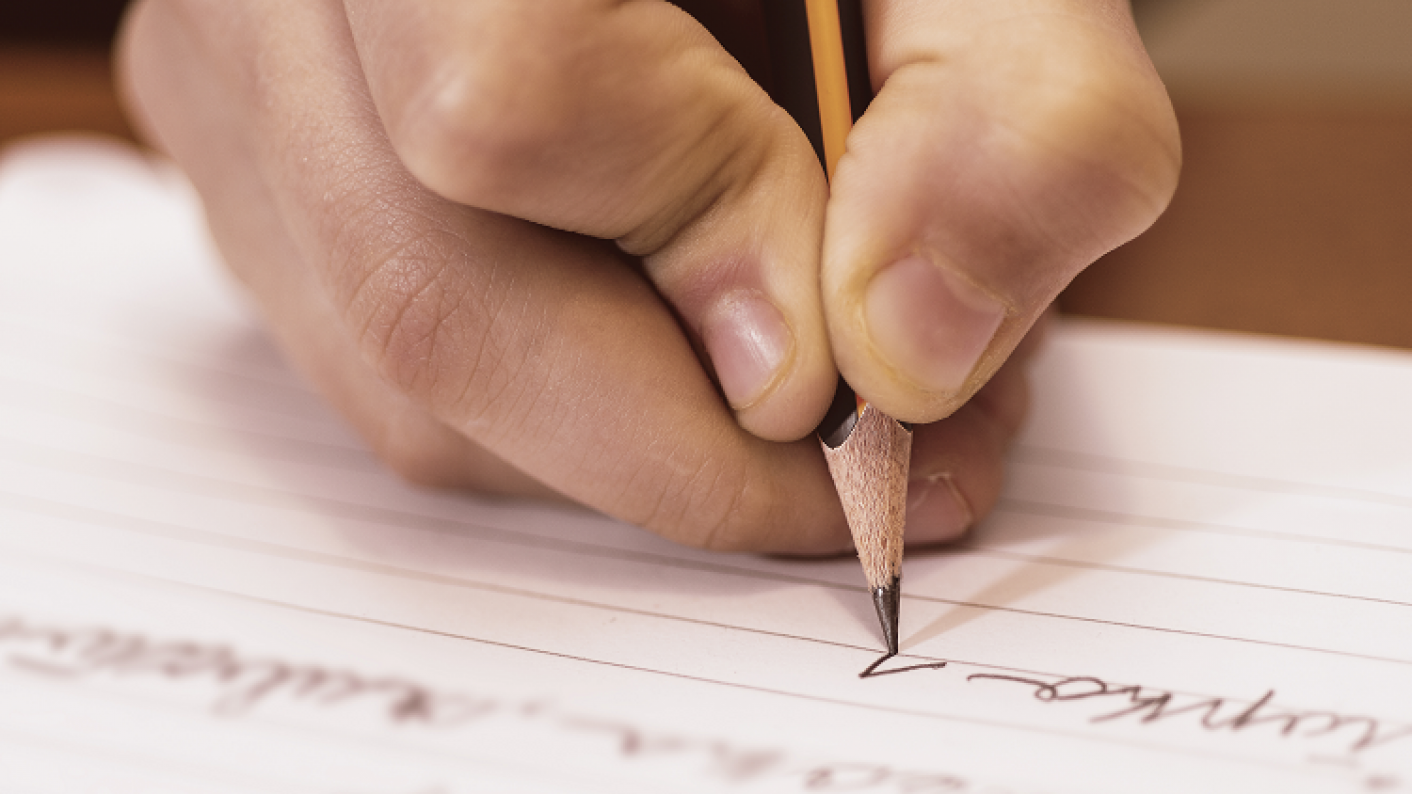
Gel pens with pigmented ink are harder to wash off than standard ballpoint pens.
2. Avoid leaving outgoing mail unattended
Deposit checks directly inside a post office or hand them to a postal worker. If using a mailbox, avoid leaving mail overnight.
3. Switch to electronic payments when possible
Online bill pay, ACH transfers, and digital wallets eliminate the risk of physical theft.
4. Monitor your accounts frequently
Check your bank activity regularly and set up alerts for unusual transactions.
5. Act quickly if something looks wrong
If you spot a suspicious transaction, contact your bank immediately. Federal law and banking policies often limit your liabilitybut timing matters.
Banks and law enforcement respond
Banks are investing in fraud detection systems, and postal inspectors are increasing enforcement efforts. Still, officials emphasize that consumer awareness remains a critical line of defense.
As digital payments become more common, experts say like check washing serve as a reminder: even old-school methods can create modern risks.
Posted: 2026-04-09 10:54:05