Baby items, lawn care tools, and bikes are part of this week's recall roundup
October 9, 2026
Recall Roundup: New safety alerts from CPSC, FDA and FSIS
This roundup covers newly announced recalls and safety warnings from the Consumer Product Safety Commission, the Food and Drug Administration and the U.S. Department of Agricultures Food Safety and Inspection Service.
ONTHEWEI baby bath seats pose drowning risk
More than 2,000 ONTHEWEI baby bath seats sold on Amazon are being recalled because they can become unstable and tip over during use.
- The bath seats violate the mandatory standard for infant bath seats because they are unstable and can tip over, creating a risk of serious injury or death from drowning.
- About 2,140 units were sold on Amazon.com in April 2026 for between $40 and $50.
- Consumers should stop using the bath seats immediately and contact ONTHEWEI for a full refund after destroying the product as directed.
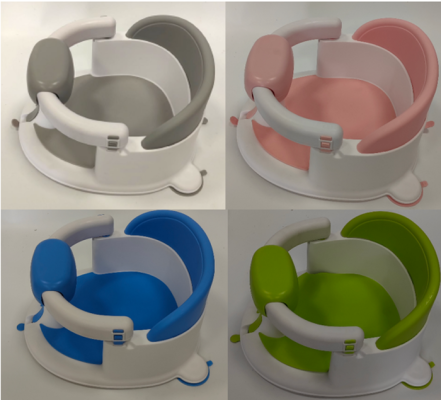
Hubei Youhong Trading Co., Ltd., doing business as ONTHEWEI, is recalling ONTHEWEI-branded baby bath seats sold in gray, pink, blue and mist green. The seats have detachable restraint arms and suction cups on the underside, and labels on the back show Model No: MY002 and Date of manufacturer: 2026/1/10. Federal regulators said the product can tip over while in use, creating a potentially deadly drowning hazard for children.
The hazard
The recalled bath seats fail to meet the mandatory federal safety standard for infant bath seats because they are unstable. If the seat tips while a child is in it, the child could be submerged and face a risk of serious injury or death from drowning. No incidents or injuries had been reported at the time of the recall notice.
What to do
Consumers should stop using the recalled bath seats immediately. To get a full refund, ONTHEWEI says consumers should write RECALLED in permanent marker on the front of the bath seat, disassemble it by removing the back rest and arm restraints, cut the three suction cups on the underside, and email a photo of the destroyed product to onthewei@outlook.com. After that, the product should be disposed of.
Company contact
ONTHEWEI by email at onthewei@outlook.com.
Source
DR trimmer mowers can catch fire
Generac is recalling tens of thousands of DR Power Equipment trimmer mowers after reports that grass and debris buildup can ignite.
- Grass and debris can accumulate inside the trimmer mowers and catch fire, creating serious burn and fire hazards.
- About 42,860 units were sold in the United States, and the company has received 19 fire reports, including two minor injuries.
- Consumers should stop using the mowers immediately and contact DR Power Equipment for a free repair kit or free dealer installation.
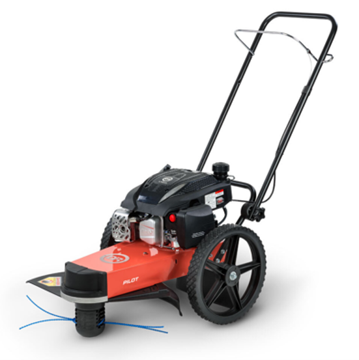
Generac Power Systems Inc., of Waukesha, Wisconsin, is recalling DR Power Equipment Pilot and Premier Trimmer Mowers sold at Ace, TSC, Bomgaars and other retailers nationwide. The recall covers machines sold from November 2022 through July 2026 for between $380 and $550. Regulators said grass and debris can build up inside the mowers and ignite.
The hazard
According to the recall notice, vegetation and debris can accumulate in the trimmer mowers and then catch fire during use. That creates a risk of serious injury or death from fire and burn hazards. The firm said it has received 19 reports of the trimmer mowers catching fire, including two reports of minor injuries such as blisters on hands and feet.
What to do
Consumers should stop using the recalled trimmer mowers immediately. DR Power Equipment is offering a free repair kit, and consumers who do not want to install the kit themselves can contact the company to schedule a free repair installation by an authorized dealer.
Company contact
DR Power Equipment toll-free at 800-854-3194 from 8:30 a.m. to 5 p.m. ET Monday through Friday, by email at recall@drpower.com, or online at http://drpower.com/recalls or www.drpower.com by clicking Product Recalls at the bottom of the page.
Source
Avengers medal recall warns of magnets
The Conqueror is recalling a Marvel-themed challenge medal because high-powered magnets can detach and create a deadly ingestion hazard for children.
- The medal violates the mandatory safety standard for magnets because detachable high-powered magnets can be swallowed and cause internal injuries or death.
- About 476 medals were sold online and through The Conqueror App, and the company received three reports of magnets detaching.
- Consumers should stop using the medal immediately, destroy it as directed, and contact The Conqueror for a refund or replacement.
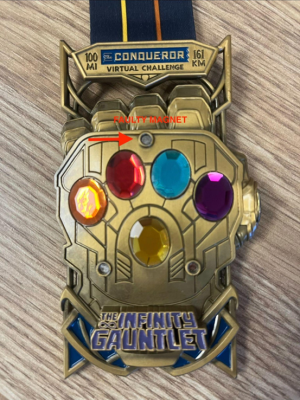
Actionary Limited, doing business as The Conqueror, is recalling its Avengers Infinity Gauntlet medal from the Avengers virtual challenge series. The gold medal features colorful gems on the front and was sold in black Marvel Avengers packaging to customers who completed the Infinity Gauntlet virtual challenge on the Conqueror App. Regulators said magnets in the medal can detach, making the product unsafe around children.
The hazard
The recall notice says the medal violates the mandatory federal standard for magnets because high-powered magnets may detach. If a child swallows more than one magnet, or swallows a magnet with another metal object, the items can attract inside the digestive system and cause perforations, twisting, blockages, blood poisoning and death. The company said it has received three reports of the magnets detaching, though no injuries were listed.
What to do
Consumers should stop using the Avengers Infinity Gauntlet medal immediately. The Conqueror says consumers should cut the ribbon from the medal, write RECALLED in permanent marker on both the medal and ribbon, throw the product away, and email a photo of the disposed medal and ribbon to support@theconqueror.events to receive instructions for a full refund or replacement medal.
Company contact
The Conqueror toll-free at 833-799-0368 from 9 a.m. to 5 p.m. ET Monday through Friday, by email at support@theconqueror.events, or online at www.theconqueror.events/recall-inf or www.theconqueror.events by clicking Recall at the bottom of the page.
Source
Van Rysel bicycles face crash hazard
Decathlon America is recalling four models of Van Rysel gravel bicycles because a front lock nut can loosen and let the front wheel dislodge.
- The bicycles can develop a loose front lock nut, which can allow the front wheel to loosen or come off and cause a crash.
- About 1,150 bicycles were sold at REI Co-op stores and online at REI.com for between $1,400 and $2,300.
- Consumers should stop riding the bicycles immediately and take them to REI for a free inspection and repair.
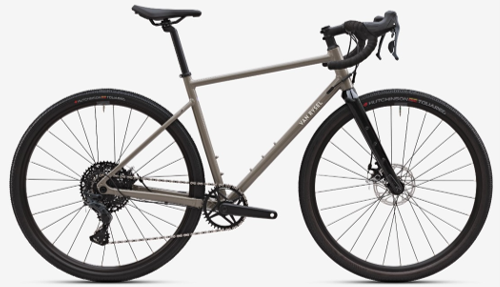
Decathlon America LLC is recalling adult multi-terrain gravel bicycles sold under the Van Rysel GRVL AF name. The recall includes the Sword Brown CN FR, Apex Beige CN FR, Sword Pink CN FR and GRX Black models sold from March 2025 through August 2026. The company and regulators warned that the front lock nut can loosen during use.
The hazard
If the front lock nut loosens, the front wheel can gradually loosen or dislodge altogether while the bicycle is being ridden. That creates a serious crash hazard that could lead to severe injury or death. No incidents or injuries had been reported at the time of the recall announcement.
What to do
Consumers should stop using the recalled bicycles immediately. Decathlon says riders should take the bicycles to the nearest REI Co-op location for a free inspection and repair of the front fork assembly; people who cannot get to an REI location should contact Decathlon customer service directly for help.
Company contact
Decathlon America at 415-408-5494 from 9 a.m. to 5 p.m. PT Monday through Friday, by email at support.america@decathlon.com, or online at https://www.decathlon.com/pages/product-safety-recalls or https://www.decathlon.com/ by clicking Recalls in the footer.
Source
Giant lock keys risk battery ingestion
Giant Bicycle is recalling LED-light keys included with certain SureLock bike lock sets because children can easily access the button batteries inside.
- The LED-light keys violate the mandatory standard for products with button cell batteries because the batteries are easily accessible and can be swallowed.
- About 3,630 units were sold in the United States, and regulators said the packaging and product also lack required Reeses Law warnings.
- Consumers should stop using the LED-light keys and contact Giant Bicycle for a refund.
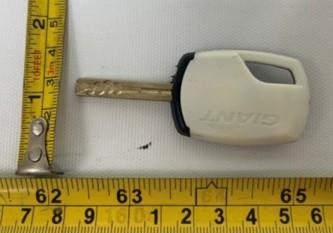
Giant Bicycle, Inc., of Newbury Park, California, is recalling LED-light bike lock keys that were included with certain SureLock Bicycle Lock sets. The products were sold at authorized Giant Bicycle stores nationwide and online from March 2023 through August 2026 for between $25 and $65. Regulators said the battery compartment can be accessed too easily by children.
The hazard
The recall notice says the LED-light key violates the mandatory safety standard for consumer products containing button cell or coin batteries. If a child swallows one of the batteries, it can cause internal chemical burns, serious injuries and death. The notice also says the packaging and product did not include the warnings required under Reeses Law. No incidents or injuries had been reported.
What to do
Consumers should stop using the recalled LED-light keys immediately and contact Giant Bicycle for a refund. Owners should keep the keys away from children while arranging the remedy.
Company contact
Giant Bicycle at 866 458-2555 from 8 a.m. to 5 p.m. PT Monday through Friday, by email at Recall@GiantBicycle.com, or online at https://www.giant-bicycles.com/us/recall-information or https://www.giant-bicycles.com/ by clicking Recall Information at the bottom of the page.
Source
Broccoli sprouting seeds recalled for Salmonella
Gardeners Basics has recalled Waltham 29 Broccoli Sprouting Seeds sold online nationwide because the product may be contaminated with Salmonella.
- The seeds may be contaminated with Salmonella, which can cause serious and sometimes fatal infections, especially in young children, older adults and people with weakened immune systems.
- The recall covers Gardeners Basics Waltham 29 Broccoli Sprouting Seeds with UPC 848137042889 and bags marked Packed for 2027.
- Consumers should stop using the seeds, avoid eating the seeds or any sprouts grown from them, and discard the product in a sealed bag.
Gardeners Basics is recalling its Waltham 29 Broccoli Sprouting Seeds after discovering a possible Salmonella contamination risk. The product was distributed nationwide through online sales, including Amazon, www.gardenersbasics.com, TikTok Shop, Walmart, eBay and Etsy, and shipped directly to consumers.
The hazard
Salmonella can cause serious and sometimes fatal infections, particularly in young children, frail or elderly people, and others with weakened immune systems. Healthy people infected with Salmonella often develop fever, diarrhea that may be bloody, nausea, vomiting and abdominal pain. In rarer cases, the organism can enter the bloodstream and lead to more severe illnesses such as infected aneurysms, endocarditis and arthritis.
What to do
Consumers should stop using the recalled seeds immediately and should not eat the seeds or any sprouts grown from them. The company says consumers should seal the recalled seeds and any sprouts in a bag and discard them; no return is required. Consumers can contact Gardeners Basics for recall assistance or a refund if their affected purchase has not already been refunded.
Company contact
Gardeners Basics at 801-769-6181 or info@gardenersbasics.com.
Source
Baby Sleep Gripe Water contains alcohols
Pacific Health Sciences has voluntarily recalled one lot of Babies' Magic Tea brand Baby Sleep Gripe Water because testing found undeclared ethanol, methanol and isopropanol.
- The dietary supplement contains undeclared alcohol compounds that can impair the central nervous system and pose particular risks to infants.
- The recall applies to lot 25122bw distributed to Secrets of Tea for online sales, including www.secretsoftea.com and Amazon.
- Consumers, parents and caregivers should stop using the product from the affected lot and either discard it or return it for a refund.
Pacific Health Sciences is recalling one lot of Babies' Magic Tea brand Baby Sleep Gripe Water, a dietary supplement marketed for infants. The affected lot, 25122bw, was distributed to Secrets of Tea and sold through online retailers. The company said the product contains undeclared ethanol, methanol and isopropanol.
The hazard
FDA said organic alcohols such as ethanol, methanol and isopropanol are known to impair normal functioning of the central nervous system. In infants, ethanol exposure has been linked to long-term developmental consequences. Exposure to the amounts recommended on the product label can cause drowsiness, incoordination, behavioral changes, nausea, vomiting and abdominal pain, while higher exposures can raise the risk of respiratory depression and other serious health effects.
What to do
Consumers, parents and caregivers should stop using any product from lot 25122bw immediately. The company says the product should either be discarded or returned to the place of purchase for a refund.
Company contact
Pacific Health Sciences at 310-457-1775 or myorder@pacifichealth.com.
Source
Frozen berry recall expands over E. coli
An expanded recall now covers additional lots of frozen organic berries sold under Great Value and Trader Joes brands because of potential E. coli O145 contamination.
- The recalled berries may be contaminated with Shiga toxin-producing E. coli O145, which can cause severe gastrointestinal illness and, in some cases, kidney complications.
- The expanded recall includes specified lots of Great Value Organic Triple Berry Blend, Great Value Organic Blueberries and Trader Joes Organic Mixed Berry Blend shipped to stores across multiple states and Washington, D.C.
- Consumers should not eat the products and should discard them or return them to Walmart or Trader Joes for a full refund.
Frutas y Hortalizas del Sur S.A. has expanded its recall to include additional lots of Great Value Frozen Organic Triple Berry Blend 10 OZ, Great Value Frozen Organic Blueberries 10 OZ and one lot of Trader Joes Frozen Organic Mixed Berry Blend 12 OZ. The products were shipped to select Walmart stores in 30 states and Puerto Rico and to select Trader Joes stores in 26 states and Washington, D.C.
The hazard
The concern is potential contamination with E. coli O145:H28, a Shiga toxin-producing E. coli known as STEC. FDA said infections can cause severe stomach cramps, diarrhea that may be bloody, and vomiting. While many healthy people recover within a week, some cases can progress to hemolytic uremic syndrome, or HUS, a serious complication that is especially dangerous for young children, older adults and people with weakened immune systems.
What to do
Consumers should not consume the recalled frozen berry products. The affected items should be thrown away or returned to Walmart or Trader Joes for a full refund. Consumers should check lot codes carefully against the recall notice: Great Value Organic Triple Berry Blend 10 OZ lots 6 031 01 and 6 041 01; Great Value Organic Blueberries 10 OZ lots 6 019 01, 6 040 01 and 6 163 01; and Trader Joes Organic Mixed Berry Blend 12 OZ lot 6 051 01.
Company contact
Joshua Weiss at Info.foodsafety@comfrut.com or 336-899-5612, Monday through Friday from 8 a.m. to 6 p.m. EST.
Source
WinCo dip tied to peperoncini recall
WinCo Foods is recalling certain salsa bean dip trays because they may contain recalled peperoncini linked to a potential pest inclusion issue.
- The dip trays may include recalled peperoncini associated with a potential pest inclusion concern that surfaced after a social media video from another grocery chain.
- The recall covers products with UPC 2-67173-##### and UPC 2-67240-##### and Best If Used By dates from Aug. 14, 2026 through Sept. 25, 2026.
- Consumers should avoid using affected product and check with WinCo because the company says all potentially affected items have been removed from stores.
WinCo Foods of Boise, Idaho, is recalling salsa bean dip trays sold in retail stores across Arizona, California, Idaho, Montana, Nevada, Oregon, Utah and Washington. The recall was issued because the trays may contain recalled peperoncini from G.L. Mezzetta.
The hazard
FDA said the reason for the recall is potential pest inclusion tied to recalled peperoncini, after a video from another grocery chain circulated on social media. The notice did not list any illnesses or injuries, but consumers are being alerted because some trays may have been made with the affected ingredient.
What to do
Consumers should check any salsa bean dip trays in their refrigerators for the listed UPCs and Best If Used By dates. WinCo said all product that may have been made using the recalled peperoncini was removed from retail stores, and consumers with questions should contact the company for guidance.
Company contact
WinCo Foods Customer Service Desk at 1-800-824-1706; CustomerSupport@Mezzetta.com.
Source
Imported pork cracklings deemed ineligible for sale
Inexport Logistics is recalling imported mixed chips containing pork cracklings because the meat component came from Colombia, which is not eligible to export meat products to the United States.
- The product is being recalled because it contains meat imported from a country not eligible to ship meat products into the U.S.
- The recall covers 60-gram foil bags of YUPI GOLPE CON TODO SABOR BBQ mixed chips shipped to distributors and stores in eight states.
- Consumers should not eat the product and should throw it away or return it to the place of purchase.
Inexport Logistics LLC is recalling 60-gram foil bags of YUPI GOLPE CON TODO SABOR BBQ mixed chips containing Clsicas, PLATANOS, and Chicharrn Fred. FSIS said the pork cracklings products were produced in the Republic of Colombia, a country that is not eligible to export meat products to the United States.
The hazard
FSIS classified the recall as High - Class I, though the notice said there have been no confirmed reports of illness or injury from consumption of the products. The issue is not a labeling technicality alone; it concerns imported meat entering U.S. commerce from a country not authorized to export such products to the United States.
What to do
Consumers who purchased these products should not consume them. FSIS says the products should be thrown away or returned to the place of purchase. The products were shipped to distributors and retail locations in Arizona, California, Colorado, Florida, Illinois, Kentucky, Minnesota and Texas.
Company contact
Mauricio Caro, Sales Manager of Inexport Logistics LLC, at (786) 670-4750 or sales@inexportlogistics.com.
Source
Photo By CNET



 of ConsumerAffairs






