Bikes, lamps, and mattresses are part of this week's recall roundup
October 2, 2026
Recall roundup: Bikes, lamps, toys and food products
Here is a look at newly announced recalls and safety warnings issued by the Consumer Product Safety Commission, Food and Drug Administration and USDAs Food Safety and Inspection Service.
Urban Arrow cargo e-bikes pose fall risk
Gazelle USA is recalling Urban Arrow cargo electric bikes because a seat post bolt can break and cause the seat to loosen during use.
- The front bolt in the seat post clamping mechanism can break, creating a fall hazard.
- About 1,032 bicycles were sold in the U.S., with another 134 sold in Canada, at specialty bike stores from 2016 through 2022 for about $9,000.
- Consumers should stop using the recalled bicycles immediately and request a free replacement seat post and saddle.
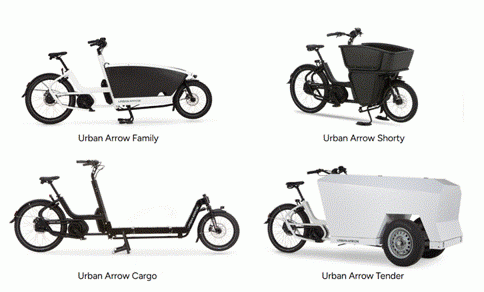
Gazelle USA LLC, of Santa Cruz, California, is recalling Urban Arrow cargo electric bikes sold as the Urban Arrow Family, Shorty, Cargo L/XL and Tender 1000/1500 models. The recalled bikes have aluminum frames, reinforced foam cargo boxes marked Urban Arrow, and seat posts with two silver bolts. Regulators said a bolt in the seat post clamp can fail and make the seat unstable while riding.
The hazard
The problem involves the front bolt in the seat post clamping mechanism. If that bolt breaks, the seat can become loose and shift unexpectedly, increasing the risk that a rider will fall. The firm has received nine reports of damage or wear to the saddle-seat post connection, though no injuries have been reported.
What to do
Consumers should stop using the recalled bicycles immediately. Gazelle USA is offering a free replacement seat post and saddle that owners can install themselves without special tools or have installed at no charge by an Urban Arrow dealer. Consumers will be asked to complete a recall registration form at https://forms.gle/1Nir9NrR7aJcpwRk8, and they can find the nearest dealer at https://urbanarrow.com/dealers.
Company contact
Gazelle USA can be reached toll-free at 800-838-5388 from 9 a.m. to 5 p.m. PT Monday through Friday, by email at recall.na@urbanarrow.com, or online at https://urbanarrow.com/en-na/recall or https://urbanarrow.com/en-na and clicking Product Recalls at the bottom of the page.
Source
Cupcakes and Cashmere lamps can ignite
Designs Direct is recalling Cupcakes and Cashmere three-light floor lamps sold at HomeGoods after reports of smoking, melting and burns.
- The lamp cord or internal wiring can smoke, melt, spark, overheat or ignite, creating fire and burn hazards.
- About 4,200 lamps were sold at HomeGoods stores from June 2025 through July 2026 for between $79 and $89, and the firm has received 11 incident reports including two shock and burn injuries.
- Consumers should turn the lamps off, unplug them immediately, destroy the cord as instructed and seek a full refund.
Designs Direct LLC, doing business as Designs Direct Creative Group, is recalling Cupcakes and Cashmere Brand Three-Light Floor Lamps, models 7927-OZ and 7927-OZ1. The 63-inch-tall lamps have three 6-inch glass globe shades and were sold in a gold finish with either multicolored or cream shades. The recall covers lamps identified by model numbers on a sticker under the base and, for HomeGoods shoppers, certain style numbers on the original hangtag.
The hazard
According to the CPSC, the lamp cord or internal wiring can fail when the lamp is plugged in or switched on. That defect can cause smoking, melting, sparking, overheating or ignition, posing a risk of serious injury from fire and burn hazards. The firm said it has received 11 reports of incidents, including two injuries involving shock and burns.
What to do
Consumers should stop using the recalled lamp immediately, switch it off and unplug it. To receive a full refund, consumers will be asked to cut the cord and provide a photograph showing the destroyed lamp, following the instructions at https://www.designsdirectllc.com/recalls/. Designs Direct said refunds will be issued within 15 days after it receives the photo proof of destruction.
Company contact
Designs Direct can be reached toll-free at 888-425-9692 between 9 a.m. and 5 p.m. ET Monday through Friday, by email at recall@designsdirectllc.com, or online at https://www.designsdirectllc.com/recalls/ or https://www.designsdirectllc.com and clicking Recalls at the top of the page.
Source
Expert Grill brushes pose ingestion hazard
Walmart is recalling more than 4.4 million Expert Grill wire-bristle grill brushes because loose metal bristles can end up in food.
- Small metal wire bristles can detach from the brush, stick to the grill or food, and cause serious internal injuries if swallowed.
- About 4,477,655 brushes were sold by Walmart and on Walmart.com from January 2021 through August 2026 for between $1 and $28.
- Consumers should stop using the brushes immediately and contact Walmart for a full refund or store credit.
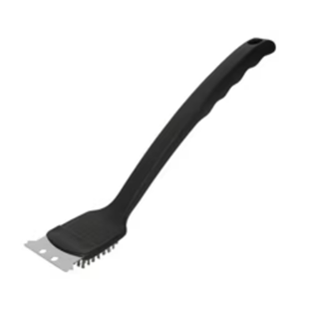
Walmart Inc., of Bentonville, Arkansas, is recalling Metal Wire Bristle Grill Brushes sold under the Expert Grill brand. The brushes were widely available in stores and online for several years. The concern is that small metal bristles can come loose during cleaning and later be swallowed with food.
The hazard
Wire-bristle grill brushes have long drawn scrutiny because detached bristles can embed in grilled food or remain on grill grates. If ingested, the bristles can puncture or injure the mouth, throat, stomach or intestines and may require surgery to remove. In this recall, no incidents or injuries had been reported at the time of the announcement.
What to do
Consumers should stop using the recalled grill brushes immediately. Walmart said customers can contact the company for a full refund or a credit that can be used at any Walmart store or on Walmart.com. Consumers will be asked either to return the recalled brushes to Walmart or discard them.
Company contact
Walmart can be reached toll-free at 800-925-6278 from 7 a.m. to 9 p.m. CT Monday through Friday, or online at www.walmart.com/help, https://corporate.walmart.com/recalls, or www.walmart.com and clicking Product Recalls at the bottom of the page.
Source
ZAREI camping showers can catch fire
Golden Resale is recalling portable camping showers because the immersion heater can ignite if it is not fully submerged in water.
- The immersion heater can quickly ignite when it is partially or completely out of water, creating a fire hazard that can cause serious injury or death.
- About 400 units were sold on Amazon.com and Walmart.com from February 2026 through August 2026 for about $60.
- Consumers should stop using the camping showers immediately and contact Golden Resale to begin the refund process.
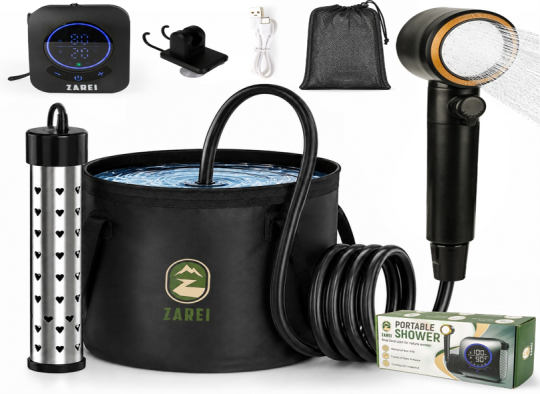
Golden Resale LLC, of Mesa, Arizona, is recalling Portable Camping Showers sold with a black rechargeable shower pump, black shower head with gold trim, black hose, collapsible 5-gallon bucket and 1500-watt metal immersion heater. The products carry the ZAREI name on the bucket and under the display of the shower pump. Regulators said the immersion heater, identifiable by heart-shaped openings in its metal housing, can ignite if used out of water.
The hazard
The main danger is the heater element. If the immersion heater is partially or fully out of water, it can heat up rapidly and ignite, creating a fire risk serious enough to cause severe injury or death. No incidents or injuries had been reported when the recall was announced.
What to do
Consumers should stop using the Portable Camping Showers immediately. Golden Resale is offering a full refund, with the refund process initiated through Amazon or Walmarts return systems. Consumers who continue with the refund process will be sent a free prepaid package to return the recalled camping shower, and the refund will be issued in the same form of payment used for the original purchase.
Company contact
Golden Resale can be reached toll-free at 855-927-3440 from 8 a.m. to 5 p.m. Monday through Friday and from 8 a.m. to 12 p.m. PT on Saturday and Sunday, or by email at golden.resale0624@gmail.com.
Source
Mystery dumpling toys contain dangerous water beads
LLK Trading is recalling Mochi Malrang Mystery Dumpling Toys because the water beads inside can expand and create deadly ingestion and obstruction hazards for children.
- The toys violate the mandatory safety standard for toys because the water beads inside expand larger than permitted and can cause choking, intestinal blockage and death if swallowed.
- About 480 toys were sold at Easy Wholesale in San Jose, California, in July 2026 for about $10.
- Consumers should stop using the toys immediately, mark them RECALLED, discard them and send a photo to the firm for a refund.
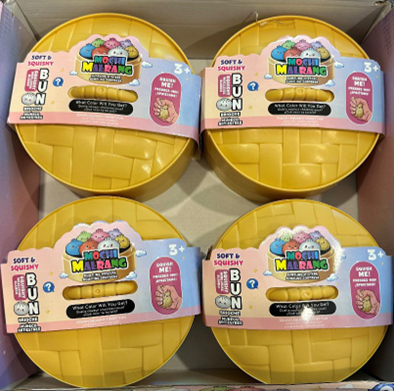
LLK Trading Inc. is recalling Mochi Malrang Mystery Dumpling Toys sold in tan plastic containers shaped like bamboo steamers. The translucent red squishy toys contain glitter and water beads and feature a cartoon face, with SOFT and SQUISHY and MOCHI MALRANG printed on the removable package labeling. The CPSC said the water beads inside can expand beyond the legal limit for childrens products.
The hazard
Water beads can be especially dangerous because they may look harmless but can swell after being swallowed. In this case, the agency said the beads inside the dumpling toys pose ingestion, choking and intestinal obstruction hazards, potentially causing severe discomfort, vomiting, dehydration and a risk of death to a child. No incidents or injuries had been reported.
What to do
Consumers should stop using the mystery dumpling toys immediately and keep them away from children. To obtain a full refund, LLK Trading said consumers should write RECALLED in permanent marker on the squishy dumpling and its tan plastic container, throw both items away, and email a photo showing the discarded products to llktradinginc@gmail.com.
Company contact
LLK Trading can be contacted by email at llktradinginc@gmail.com.
Source
Bonnlo bunk beds can collapse
The CPSC is warning consumers to stop using Bonnlo twin-over-twin bunk beds because failing slats can cause the upper bunk to collapse.
- The top bunk slats can fail, causing the frame and upper bunk to collapse and creating asphyxiation and injury hazards.
- The bunk beds were sold on Amazon.com, Abunda.com, eBay.com and Walmart.com from January 2019 through September 2026 for between $140 and $170.
- Consumers should immediately remove, replace and dispose of the bunk beds and should not sell or give them away.
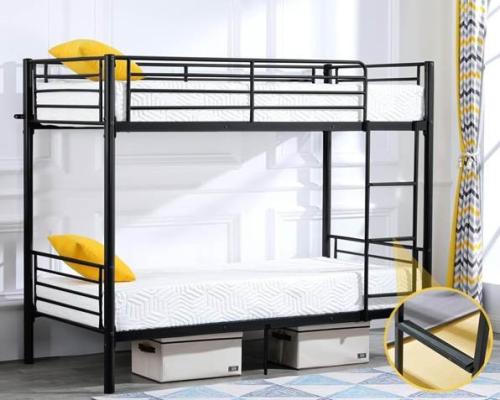
The CPSC issued a safety warning for Bonnlo-branded twin-over-twin bunk beds sold online in black, gray and white metal-frame versions. The beds measure about 78 inches wide, 41.5 inches deep and 65 inches high and include a ladder. The agency said the top bunk slats can fail, causing a dangerous collapse.
The hazard
When the upper slats give way, the top bunk and frame can collapse unexpectedly. That can trap or injure occupants and create a risk of serious injury or death, including asphyxiation. The CPSC warning urges consumers to treat the beds as hazardous products and get them out of use immediately.
What to do
Consumers should stop using the bunk beds right away. The CPSC said the beds should be removed, replaced and disposed of, and consumers should not sell them secondhand or give them away to others. Anyone who has experienced a product defect or injury involving the beds should file a report with the agency.
Company contact
The CPSC asks consumers to report incidents involving injury or product defects at www.SaferProducts.gov.
Source
Bettergoods Alfredo fettuccine recalled for listeria
Gias Foods is recalling Bettergoods Authentic Italian Lemon Alfredo Fettuccine sold at Walmart stores nationwide because of possible Listeria contamination.
- The pasta may be contaminated with Listeria monocytogenes, which can cause serious or sometimes fatal infections, especially in pregnant people, older adults and those with weakened immune systems.
- The recall covers all lot codes of Bettergoods Authentic Italian Lemon Alfredo Fettuccine with UPC 194346442706 distributed nationwide at Walmart stores.
- Consumers should not eat the product and should return it to the place of purchase for a full refund.
Gias Foods, Inc. is recalling Bettergoods Authentic Italian Lemon Alfredo Fettuccine after identifying a possible health risk tied to Listeria monocytogenes. The affected product was distributed nationwide through Walmart stores and the recall applies to all lot codes bearing UPC 194346442706. The FDA notice warns consumers not to consume the pasta.
The hazard
Listeria monocytogenes can cause serious and sometimes fatal infections in young children, older adults and people with weakened immune systems. Healthy people may experience shorter-term symptoms such as high fever, severe headache, stiffness, nausea, abdominal pain and diarrhea, while infections during pregnancy can lead to miscarriages or stillbirths. The FDA notice did not list reported illnesses in the information provided here.
What to do
Consumers who purchased Bettergoods Authentic Italian Lemon Alfredo Fettuccine should not eat it. Gias Foods said customers should return the product to the place of purchase for a full refund.
Company contact
Consumers can contact the company by email at sales@giasfoods.com.
Source
Sempio chicken stew recalled over import lapse
Sempio Food Services is recalling ready-to-eat chicken stew products because they were imported from South Korea without required U.S. import reinspection.
- The products were imported without the benefit of import reinspection, prompting a high-risk Class I recall tied to an import violation.
- The recall covers Sempio Korean Ginseng CHICKEN STEW CLASSIC and Sempio Korean Ginseng CHICKEN STEW RICH with a best-by date of Sept. 29, 2027, distributed in eight states.
- Consumers should not eat the products and should throw them away or return them to the place of purchase.
Sempio Food Services Inc. is recalling ready-to-eat chicken stew products sold as Sempio Korean Ginseng CHICKEN STEW CLASSIC and Sempio Korean Ginseng CHICKEN STEW RICH. The USDAs Food Safety and Inspection Service said the products were imported from the Republic of Korea without the benefit of import reinspection into the United States. The affected products were distributed to retailers and distributors in Florida, Georgia, Illinois, Maryland, New Jersey, New York, Pennsylvania and Virginia.
The hazard
FSIS classified the action as a high-risk Class I recall related to an import violation. The affected products bear a best-by date of Sept. 29, 2027, the Korean establishment number GIA15001 and shipping mark MK-2026-0422-01. Because the products did not receive the required import reinspection, consumers are being told not to consume them.
What to do
Consumers who bought these chicken stew products should not eat them. Retailers should not sell them, and consumers should either throw the products away or return them to the place of purchase.
Company contact
Daniel Park, president of Sempio Food Services, USA, can be reached at 562-207-9540, Ext. 101, or by email at dypark3438@sempiofs.net.
Source
Photo By CNET



 of ConsumerAffairs






