


Thermoses, baby toys, furniture, and more are part of this week's recalls
Recent notices from the CPSC, FDA and USDA FSIS cover everything from food containers and childrens products to medical fluids and salmonella-related food alerts.
Thermos jars and bottles can eject stoppers
Thermos is recalling about 8.2 million containers after reports that pressure can build inside and launch the stopper when opened.
-
If perishable food or drinks sit in the container too long, the stopper can forcefully eject and cause serious impact and laceration injuries.
- About 5.8 million Stainless King Food Jars and 2.3 million Sportsman Food & Beverage Bottles were sold nationwide and online between 2008 and 2024.
- Consumers should stop using the recalled containers immediately and contact Thermos for a replacement stopper or replacement bottle.
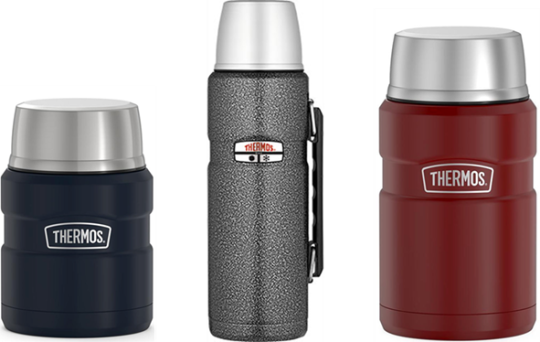
Thermos L.L.C., of Schaumburg, Illinois, is recalling Stainless King Food Jars with model numbers SK3000 and SK3020 made before July 2023, along with all Sportsman Food & Beverage Bottles with model number SK3010. The stainless containers were sold in multiple colors and sizes, and the Thermos trademark appears on the side while the model number is printed on the bottom. The company said the recalled stoppers do not have a pressure relief in the center.
The hazard
Pressure can build up if perishable food or beverages are stored in the container for an extended period. When the consumer opens it, the stopper can shoot out with force, creating serious impact and laceration hazards. Thermos has received 27 reports of consumers being struck by an ejected stopper, including injuries that required medical attention. Three consumers suffered permanent vision loss after being hit in the eye.
What to do
Consumers should stop using the recalled food jars and bottles immediately. Thermos is offering a free replacement pressure-relief stopper for the recalled SK3000 and SK3020 food jars and a replacement bottle for the recalled SK3010 bottles. For the food jars, consumers will be asked to throw away the stopper and send Thermos a photo of the disposed stopper. For the recalled bottle, consumers will be asked to return it using a prepaid shipping label.
Company contact
Thermos says consumers can get help online at https://support.thermos.com or through https://www.thermos.com by clicking Contact Us or Recall Info, or by calling 662-563-6822 from 7 a.m. to 3:30 p.m. CT Monday through Friday.
Stephan Baby toys can crack open
CBC Group is recalling Stephan Baby Boo Bunnie and Friends toys because a removable plastic cube can break into small, sharp pieces.
- The chilled comfort cube inside the plush toy can crack or break into small parts or sharp edges, creating choking and laceration hazards.
- About 227,500 toys were sold in the United States, with an additional 1,400 sold in Canada.
- Consumers should take the plastic cube away from children immediately and contact Stephan Baby for a refund or store credit.
CBC Group, Inc., of Phoenix, Arizona, is recalling all Stephan Baby-branded Boo Bunnie and Friends childrens toys. The products are small plush animals that contain a removable, water-filled plastic cube that can be chilled for comfort, and they were sold in various colors and animal shapes. Stephan BABY appears on a sewn-in label and on the packaging.
The hazard
The company and CPSC said the toys plastic cube can break apart, leaving small pieces or sharp edges that can seriously injure children. CPSC has received 20 reports of the cube cracking or breaking into pieces, including one report in which a child swallowed sharp pieces. The agency says the product presents both choking and laceration hazards.
What to do
Consumers should immediately stop using the recalled toys plastic cube and remove it from childrens reach. Stephan Baby is offering either a refund or store credit. Consumers with proof of purchase will receive a full refund; those without proof of purchase will receive a $10 check or a $20 stephanbaby.com store credit. Consumers will be asked to write Recalled in permanent marker on the cube, upload a photo of the toy and marked cube to the recall website, and use the prepaid shipping label to return the cube.
Company contact
CBC Group says consumers can call 877-725-5591 from 7 a.m. to 3 p.m. PT, email boobunnie@stephanbaby.com, or visit https://recall.stephanbaby.com/ or https://stephanbaby.com/ and click Safety Recalls for more information.
Bike lights expose dangerous button batteries
Qumeney bicycle light sets sold on Amazon are being recalled because children can easily access the button cell batteries inside.
- The lights violate button battery safety rules because the batteries are easily accessible and the packaging lacks the warnings required under Reeses Law.
- About 2,800 light sets were sold on Amazon.com from March 2024 through February 2026.
- Consumers should stop using the recalled lights, remove and properly dispose of the batteries, and contact Smfanlus for a full refund.
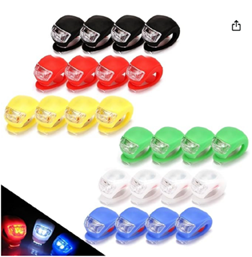
Xiamen Fanlu Technology Co., Ltd., doing business as Smfanlus, of China, is recalling Qumeney Bicycle Light Sets, models BL-01 and BL-02. The silicone-encased lights were sold in six colors and in six-packs and 24-packs, with each individual light containing two button cell batteries. QUMENEY is printed on the top package label.
The hazard
CPSC said the recalled bicycle lights violate the mandatory standard for consumer products with button cell and coin batteries because children can access the batteries too easily. The lights also lack the required warning labels. If swallowed, button cell or coin batteries can cause internal chemical burns, severe injuries and death. No incidents or injuries had been reported at the time of the recall.
What to do
Consumers should stop using the recalled bicycle lights immediately and contact Smfanlus for a full refund. The company says consumers will need to remove and properly dispose of the batteries, destroy the light components, and email a photo of the destroyed pieces to qumeneybicyclelightsrecall@outlook.com to receive the refund.
Company contact
Smfanlus says consumers can email qumeneybicyclelightsrecall@outlook.com or visit https://www.amazon.com/sp?seller=A1PBQ44FT8BEDW and click Recall for more information.
Travel-size Afrin bottles lack child resistance
Bayer is recalling certain 6 mL Afrin Original Nasal Spray bottles because the packaging is not child-resistant.
- The travel-size nasal spray contains an imidazoline and should be sold in child-resistant packaging or carry required warning language, but the recalled bottles do neither.
- About 786,100 bottles were sold at convenience stores, airports and other travel hubs from September 2024 through April 2026.
- Consumers should secure the product away from children and request a refund through Bayers recall webform.
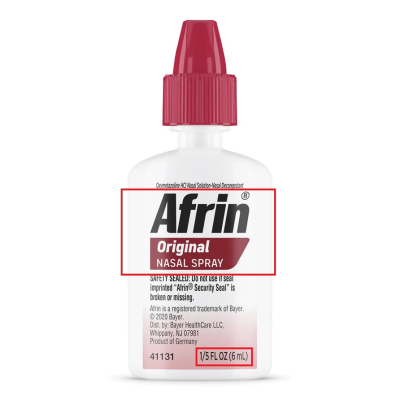
Bayer HealthCare LLC, of Whippany, New Jersey, is recalling unexpired travel-size Afrin Original Nasal Spray 6 mL bottles with lot numbers 230361, 240822, 241198, 250066, 250152, 250646 and 250831. The affected bottles are labeled Afrin Original Nasal Spray and 1/5 FL OZ (6 mL). No other sizes are included in the recall.
The hazard
CPSC said the 6 mL nasal sprays contain an imidazoline, a substance that must be packaged in child-resistant packaging or be sold with labeling required for noncomplying packaging under the Poison Prevention Packaging Act. The recalled bottles are not child-resistant and do not carry the required labeling statement. That creates a risk of serious injury or illness if young children swallow the contents. No incidents or injuries had been reported.
What to do
Consumers should immediately place the recalled bottles out of the sight and reach of children. Bayer says consumers can begin a refund request through the webform at www.livewell.bayer.com/afrin-original-spray-recall and will be asked to submit a photo of the product before disposing of it. Consumers can also reach the recall page through the Safety Recall Info button at www.afrin.com.
Company contact
Bayer says consumers can call 800 317-2165 Monday through Friday from 8 a.m. to 8 p.m. ET or use the recall refund webform available at www.livewell.bayer.com/afrin-original-spray-recall.
Kerosene containers raise fire and poisoning risks
Alliance Chemical is recalling 1-K Kerosene Heater Fuel containers because the bottles do not meet federal portable fuel container safety rules.
- The containers lack required flame mitigation devices and child-resistant closures, creating flash fire, burn and child poisoning hazards.
- About 30,155 containers were sold on Amazon.com and AllianceChemical.com from January 2023 through March 2026.
- Consumers should stop using the containers, keep them away from children and contact Alliance Chemical for a full refund.
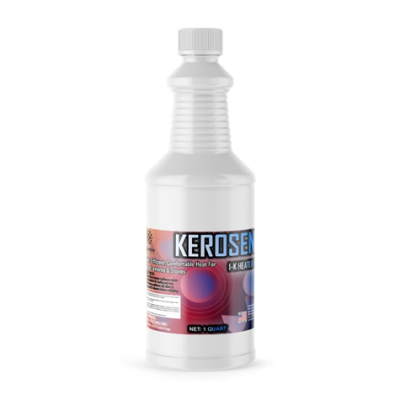
Alliance Chemical, of Taylor, Texas, is recalling bottles of 1-K Kerosene Heater Fuel sold in transparent plastic containers with white caps and a front label marked KEROSENE and 1-K HEATER FUEL. The recall covers pre-filled portable fuel containers sold in multiple sizes. The agency said the bottle design does not meet mandatory federal standards.
The hazard
CPSC said the fuel containers violate the Portable Fuel Container Safety Act because they do not include flame mitigation devices, which are intended to reduce the risk of flash fires. The containers also are not child-resistant, despite requirements under the Childrens Gasoline Burn Prevention Act for portable kerosene fuel containers. That combination creates a risk of serious injury or death from flash fire, burns and child poisoning. No incidents or injuries had been reported.
What to do
Consumers should stop using the recalled containers immediately, place them out of childrens reach, and contact Alliance Chemical for a full refund. The company says consumers will need to provide a dated photo of the product and dispose of the fuel in accordance with local hazardous waste procedures.
Company contact
Alliance Chemical says consumers can call 512-365-6838 from 8 a.m. to 5 p.m. CT Monday through Friday, email sales@alliancechemical.com, or visit alliancechemical.com/pages/recall or alliancechemical.com and click Recall for more information.
Segmart dressers can tip over
Segmart 4-drawer dressers sold on Walmart.com are being recalled because they can become unstable and tip if not anchored to a wall.
- The recalled dressers pose tip-over and entrapment hazards to children and violate the mandatory federal standard for clothing storage units.
- About 16,440 dressers were sold by Walmart from January 2025 through March 2026.
- Consumers should stop using the dressers if they are not anchored and contact SOFT for disposal instructions and a full refund.
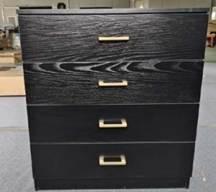
SOFT INC., of Denver, Colorado, is recalling Segmart 4-Drawer Dressers sold in black and white. The particle-board dressers have four drawers, measure about 15.7 inches by 26 inches by 28.5 inches, and weigh about 70 pounds. Model numbers FFLWM002BK and FFLWM002WE are printed on the packaging.
The hazard
CPSC said the dressers are unstable if they are not anchored to the wall, which can lead to tip-over and entrapment incidents involving children. The agency said the units violate the mandatory safety standard required by the STURDY Act. No incidents or injuries had been reported when the recall was announced.
What to do
Consumers should immediately stop using the recalled dressers if they are not anchored to the wall and move them to an area children cannot access. SOFT says consumers should contact the company for instructions on identifying affected units and disposing of the furniture to receive a full refund. Consumers will be asked to send a photo showing the dresser has been disposed of.
Company contact
SOFT says consumers can email segmartdresserecall@outlook.com or visit Segmart.com/recall-dresser or Segmart.com and click Recall for more information.
Pressure washers pose shock risk
DGIVOVO US is recalling electric pressure washers because the machines lack an integral ground-fault circuit-interrupter.
- The recalled pressure washers lack an integral GFCI, creating shock and electrocution hazards.
- Fifty units were sold on Amazon.com from October 2025 through January 2026.
- Consumers should stop using the pressure washers, destroy the power cord as directed and contact DGIVOVO US for a free replacement.
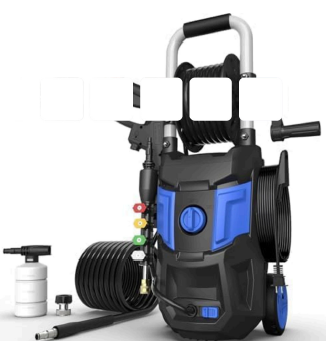
Ningbopingyao E-Commerce Ltd., doing business as DGIVOVO US, of China, is recalling DGIVOVO US-branded electric pressure washers. The recalled units came in red, green or blue with black accents and were sold with accessories including a foam cannon, connect nozzles, a 20-foot hose and rollers. The model number C4012PLUS-1500C is printed on a label on the back.
The hazard
The recall notice said the pressure washers lack an integral ground-fault circuit-interrupter, a key electrical safety feature intended to reduce shock risk. Without it, users face a serious risk of injury or death from shock and electrocution. No incidents or injuries had been reported at the time of the recall.
What to do
Consumers should stop using the recalled pressure washers immediately and contact DGIVOVO US for a free replacement pressure washer of at least equal value, including shipping. The company says consumers should unplug the unit, cut the power cord in half, send a photo of the destroyed pressure washer to dgivovo@163.com, and then dispose of the product.
Company contact
DGIVOVO US says consumers can email dgivovo@163.com for recall instructions and replacement information.
Weighted bears have detachable zipper part
Build-A-Bear Workshop is recalling Heartwarming Hugs Bears because the zipper slider on a side pouch can detach.
- A detached zipper slider can become a choking hazard for children and could cause serious injury or death.
- About 36,000 bears were sold in the United States, with an additional 520 sold in Canada, from January through March 2026.
- Consumers should stop using the bear and return it to a Build-A-Bear Workshop store or use a free shipping label to send it back for a refund.
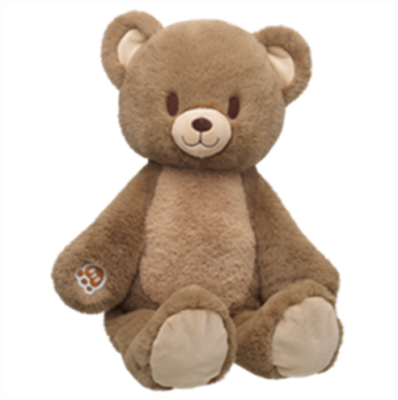
Build-A-Bear Workshop, Inc., of St. Louis, Missouri, is recalling its Heartwarming Hugs weighted plush bear, model number 034464. The bear contains a side pouch with a removable heart filled with 2.5 pounds of ceramic beads that can be heated or cooled for comfort. The model number is sewn into the back side of one leg.
The hazard
The zipper slider on the side pouch can detach during use, creating a choking hazard for children. The product is graded for ages 3 years and older and already carries a cautionary statement about adult supervision because of the heated and cooled element. Build-A-Bear said there has been one report in the United Kingdom of the zipper slider detaching while in use, but no U.S. reports and no injuries.
What to do
Consumers should immediately stop using the recalled Heartwarming Hugs Bear. Build-A-Bear says consumers can return it to a local store for a refund to the original payment method or a gift card for the original purchase price. If a consumer cannot return the item in person, the company says it will provide a free return shipping label and issue a refund check or digital gift card after the bear is returned.
Company contact
Build-A-Bear says consumers can call 844-541-0144 from 8 a.m. to 5 p.m. CT Monday through Saturday and 7 a.m. to 4:30 p.m. CT on Sunday, email ProductHotline@buildabear.com, or visit https://www.buildabear.com/recalls for more information.
Honda off-road bikes can crash
American Honda Motor is recalling certain 2025 and 2026 off-road motorcycles because the handlebar clamp can allow the bars to rotate unexpectedly.
- The handlebar clamp can unexpectedly cause the handlebar to rotate, creating a crash hazard.
- About 12,600 motorcycles were sold in the United States, with six additional units sold in Canada.
- Owners should stop using the motorcycles immediately and schedule a free inspection and repair with an authorized Honda Powersports dealer.
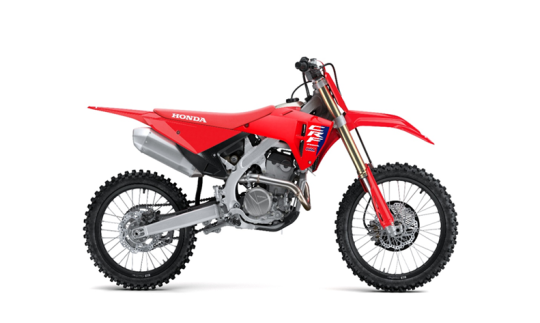
American Honda Motor Co. Inc., of Torrance, California, is recalling model year 2025-2026 CRF250R, CRF250RX, CRF250RWE, CRF450R, CRF450RX and CRF450RWE off-road motorcycles. The bikes were sold through authorized Honda Powersports dealers nationwide. Prices ranged from about $8,900 to $13,200.
The hazard
According to the recall notice, the handlebars clamp can unexpectedly allow the handlebar to rotate. That can reduce rider control and cause a crash, creating a risk of serious injury or death. The firm said it has received one report of a crash, though no injuries were reported.
What to do
Consumers should stop using the recalled off-road motorcycles immediately and contact an authorized Honda Powersports dealer to schedule an appointment. Dealers will inspect the motorcycle and, if needed, replace the handlebar clamp at no cost.
Company contact
Honda says consumers can call 866-784-1870 from 8:30 a.m. to 4:30 p.m. PT Monday through Friday or visit https://powersports.honda.com or https://powersports.honda.com/recalls for recall information.
Pool drain covers can trap swimmers
Earthtec pool drain covers sold on Amazon are being recalled because they do not comply with federal anti-entrapment requirements.
- The drain covers violate entrapment protection standards under the Virginia Graeme Baker Pool and Spa Safety Act and pose entrapment and drowning hazards.
- About 211 drain covers were sold on Amazon.com from October 2025 through April 2026.
- Pool owners and operators should stop using pools with the recalled covers, remove and destroy the covers, and contact Tonyidea for a refund.
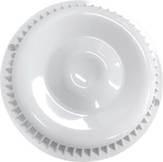
Shenzhen Qiangonghui Technology Co., Ltd., doing business as Tonyidea, is recalling Earthtec pool drain covers sold for swimming pool use. The white ABS plastic covers measure 7 3/8 inches in diameter and come with two screws. The units were sold online for about $15.
The hazard
CPSC said the recalled drain covers do not comply with the entrapment protection requirements of the Virginia Graeme Baker Pool and Spa Safety Act. Noncompliant drain covers can increase the risk that swimmers or bathers become trapped by suction, a hazard that can lead to drowning. No incidents or injuries had been reported.
What to do
Pool owners, pool operators and consumers should stop using pools with the recalled drain covers immediately. To obtain a refund, consumers should remove the cover, destroy it, take a photo of the removed cover, and email the image to earthtecrecall@outlook.com. CPSC also urged consumers to make sure pools and spas have VGBA-compliant drain covers and to teach children to stay away from drains.
Company contact
Tonyidea says consumers can email earthtecrecall@outlook.com for refund instructions.
CPSC warns about Eudaimonia drain covers
The CPSC is warning consumers to stop using Eudaimonia pool drain covers because the products do not bear required markings and may pose a deadly entrapment risk.
- The drain covers violate the Virginia Graeme Baker Pool and Spa Safety Act and pose entrapment and drowning hazards.
- The products were sold on Amazon.com from January 2026 through April 2026 for about $30.
- Consumers should remove, replace and dispose of the drain covers immediately and stop using pools with the covers until they are replaced.
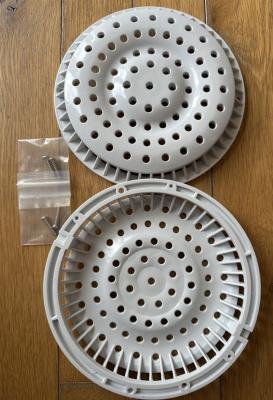
The U.S. Consumer Product Safety Commission issued a warning covering Eudaimonia pool drain covers sold online. The agency said the drain covers do not bear the required product markings under the mandatory safety standard. Unlike a recall with a cooperating company, the notice is a direct warning to consumers to stop using the product.
The hazard
CPSC said the lack of required markings means the drain covers violate the Virginia Graeme Baker Pool and Spa Safety Act. Noncompliant drain covers can pose a severe entrapment risk in pools and spas, which in turn can lead to drowning or other catastrophic injuries. The agency described the danger as a risk of serious injury or death.
What to do
Consumers should remove, replace and dispose of the drain covers immediately and stop using any pool equipped with them until compliant covers are installed. CPSC also said consumers should not sell or give away the products, should ensure all pools and spas have VGBA-compliant drain covers, and should teach children to stay away from drains.
Company contact
No company contact information was provided in the CPSC warning.
CPSC warns against Yemkezo baby carriers
The CPSC says consumers should stop using Yemkezo infant and toddler carriers because the products fail key fall-protection requirements.
- The carriers do not meet leg opening, fastener and strap retention requirements, creating a deadly fall hazard.
- The products were sold on Amazon.com from October 2024 through March 2026 for about $50.
- Consumers should stop using the carriers immediately, dispose of them and avoid selling or giving them away.
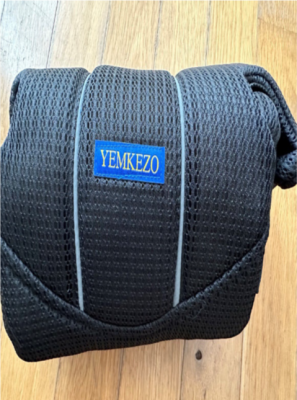
The CPSC warning covers Yemkezo-branded infant and toddler carriers sold in black and gray with matching or contrasting straps. The cotton carriers can be used for front- and back-facing wear, and the brand name is stitched on the front. The inside label lists Product model: JP0698.
The hazard
According to the agency, the carriers fail to meet the mandatory safety standard for soft infant and toddler carriers. Specifically, the products do not comply with leg opening, fastener and strap retention requirements. Those failures can allow a child to fall from the carrier, creating a risk of serious injury or death.
What to do
CPSC is urging consumers to stop using the infant and toddler carriers immediately and dispose of them. The agency also said consumers should not sell or give away the hazardous carriers.
Company contact
No company contact information was provided in the CPSC warning.
Heated insoles can overheat and ignite
The CPSC is warning consumers to stop using ZroeZroe heated insoles because the lithium-ion battery in the heel can catch fire.
- The internal lithium-ion battery can overheat and ignite while in use, creating burn and fire hazards.
- The heated insoles were sold on Amazon and eBay.
- Consumers should stop using the insoles immediately and dispose of them using local hazardous waste procedures.
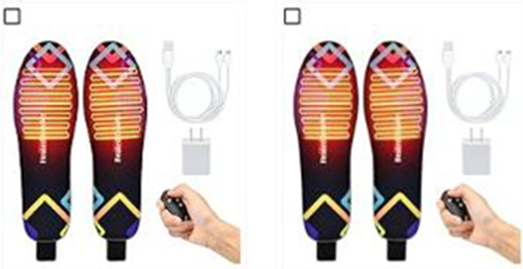
The warning applies to black-and-red ZroeZroe heated insoles operated by remote control. The insoles contain a lithium-ion battery in the heel area, and the brand name or seller name ZroeZroe can be found on the purchase receipt. CPSC issued a direct warning rather than a recall notice with a listed company remedy.
The hazard
CPSC said the internal lithium-ion battery can overheat and ignite during use. That can quickly lead to serious burn injuries and fire. Because the battery is built into an item worn on the body, the agency said consumers should stop using the product immediately.
What to do
Consumers should stop using the heated insoles at once and dispose of them. Because the product contains a lithium-ion battery, CPSC said consumers should follow local hazardous waste disposal procedures rather than throw the insoles away in a way that could create a fire risk.
Company contact
No company contact information was provided in the CPSC warning.
Portable bed rails can entrap adults
The CPSC is warning consumers to stop using Pletpet adult portable bed rails because users can become trapped in or around the rail.
- The bed rails can entrap users within the rail or between the rail and mattress, and they also fail stability and retention strap requirements.
- The rails were sold on Amazon.com from August 2023 through January 2026 for about $40.
- Consumers should stop using the bed rails immediately, dispose of them and avoid selling or giving them away.
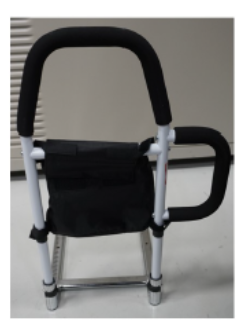
The CPSC warning covers Pletpet adult portable bed rails with a white and silver metal base, black foam hand grips and a storage pouch. The rails measure about 21.7 inches tall by 15.6 inches wide by 24 inches long. The brand name is listed on the products purchase order.
The hazard
According to CPSC, users can become entrapped within the bed rail itself or between the bed rail and the side of the mattress when the rail is attached to a bed. The agency also said the product fails structural stability and retention strap requirements, which creates a fall hazard as well. Entrapment and asphyxiation incidents involving bed rails can be fatal.
What to do
Consumers should stop using the bed rails immediately and dispose of them. CPSC also urged consumers not to sell or give away the hazardous adult portable bed rails.
Company contact
No company contact information was provided in the CPSC warning.
Children's pajamas fail burn safety rules
The CPSC says Agddjdfjy childrens pajama sets sold on SHEIN do not meet federal flammability standards for sleepwear.
- The pajama sets violate the mandatory flammability standard for childrens sleepwear and pose a serious burn hazard.
- The products were sold on SHEIN.com in January 2026 for about $15.
- Consumers should stop using the pajamas immediately, dispose of them and avoid selling or giving them away.
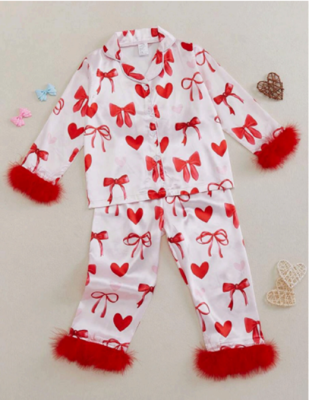
The warning covers Agddjdfjy-branded pink childrens pajama sets with a red bow and heart print. The sets include a long-sleeve button-up top with red faux feather trim at the cuffs and matching pants. They were sold in childrens sizes 80 through 210, roughly 2Y through 14Y, and model number 2442 appears on the side seam care label.
The hazard
CPSC said the pajamas violate the mandatory federal flammability standard for childrens sleepwear. Sleepwear that ignites too easily or burns too rapidly can lead to severe burn injuries or death. The agency issued a warning telling consumers to stop using the product immediately.
What to do
Consumers should stop using the childrens sleepwear at once and dispose of it. CPSC also said the pajamas should not be sold or given away because of the burn risk.
Company contact
No company contact information was provided in the CPSC warning.
Toddler bed rails pose entrapment risk
The CPSC is warning consumers to stop using Famill childrens portable bed rails because the products fail multiple safety requirements.
- The bed rails do not meet structural integrity, openings and hardware requirements, creating a deadly entrapment hazard.
- The rails were sold on Amazon.com from February 2024 through March 2026 for about $53 to $60 and may have been offered by other third-party sellers.
- Consumers should stop using the bed rails immediately, dispose of them and avoid selling or giving them away.
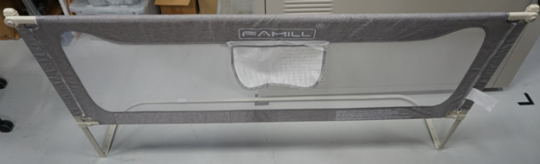
The warning applies to Famill childrens portable bed rails sold in gray and white with FAMILL printed on the fabric. The products came in multiple lengths and have Bed Rails for Toddlers and Model No.: 189 printed on the label. CPSC said the rails may have been sold by various third-party sellers in addition to Amazon.
The hazard
CPSC said the bed rails violate the mandatory safety standard for childrens portable bed rails because they fail requirements related to structural integrity, openings and hardware. Those defects can allow a child to become trapped, creating a deadly entrapment hazard. The agencys warning tells consumers to stop using the product immediately.
What to do
Consumers should stop using the bed rails at once and dispose of them. CPSC also said consumers should not sell or give away the hazardous bed rails.
Company contact
No company contact information was provided in the CPSC warning.
Lactated Ringer's bags may contain particles
B. Braun Medical has issued a voluntary nationwide recall of certain Lactated Ringers Injection bags after particulate matter was found in solution.
- Particulate matter in the IV solution can cause pulmonary emboli, blood vessel occlusion, phlebitis, immune activation, organ dysfunction and hemolysis.
- The recall covers Lactated Ringers Injection, 1L, product code E7500, lots J4P756 and J4S843, distributed nationwide to distributors, hospitals and healthcare facilities.
- Distributors and healthcare facilities should stop using the product and arrange for its return using the companys urgent pharmaceutical recall acknowledgment process.
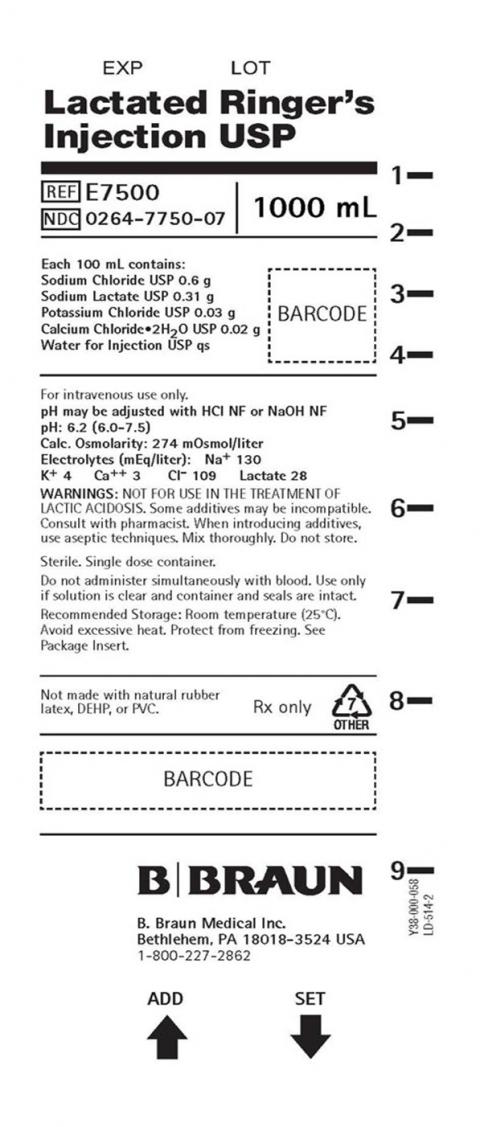
B. Braun Medical, Inc. announced a voluntary nationwide recall of Lactated Ringers Injection, 1L, product code E7500, NDC 0264-7750-07. The affected lots are J4P756 and J4S843. The IV fluid was distributed nationwide to distributors, hospitals and healthcare facilities.
The hazard
FDA said the recalled product was found to contain particulate matter in solution. If infused intravenously, foreign particles can block pulmonary blood vessels, occlude other blood vessels and damage tissue or organs. They can also cause phlebitis, immune system activation, organ dysfunction and hemolysis. Because the product is used in healthcare settings, the recall is aimed at the hospital and healthcare facility level.
What to do
Distributors and healthcare facilities that have the recalled product should stop using it immediately and arrange for its return. B. Braun said returns should be handled using the Urgent Pharmaceutical Recall Acknowledgement form provided by the company.
Company contact
B. Braun says its Recalls Department can be reached at 844-903-6417 or recalls@bbraunusa.com.
Ghirardelli mixes face salmonella recall
Ghirardelli Chocolate Company is recalling powdered beverage mixes because of possible salmonella contamination.
- The recalled beverage mixes may be contaminated with Salmonella, which can cause severe illness and, in some cases, life-threatening infections.
- The products were packaged in large formats for food service and institutional customers, though some may also have been sold to consumers through e-commerce platforms.
- Customers should check the FDA notice for the affected lot codes and contact Ghirardelli for questions or more information.
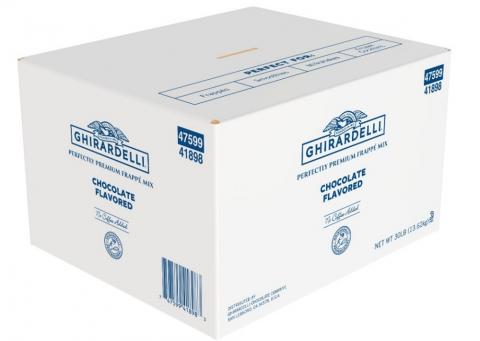
Ghirardelli Chocolate Company announced a voluntary recall of powdered beverage mixes after identifying a possible health risk from salmonella. The recall covers multiple lot numbers listed in the FDA notice and primarily affects large-format products intended for food service and institutional use. FDA said some of the recalled mixes may also have been available to consumers through online sales channels.
The hazard
Salmonella can cause serious and sometimes fatal infections, especially in young children, older adults and people with weakened immune systems. Healthy people may experience fever, diarrhea, nausea, vomiting and abdominal pain, while more severe cases can involve bloodstream infections and complications such as infected aneurysms, endocarditis or arthritis. The recall notice did not cite specific illnesses but warned of the possible contamination risk.
What to do
Food service operators, institutional users and any consumers who may have purchased the affected powdered beverage mixes should review the FDA notice for the long list of affected lot codes and separate those products from inventory. Ghirardelli said customers can contact the company directly with questions or for more information about the recall.
Company contact
Ghirardelli Chocolate Company says consumers can call 1-844-776-0419 at any time, seven days a week.
Bridge mix may hide allergens
We R Nuts has issued an allergy alert for Milk Chocolate Bridge Mix that may contain undeclared milk, soy and cashews.
- The product may contain undeclared milk, soy and cashews, posing a serious or life-threatening risk for people with those allergies.
- The bridge mix was distributed in New York and New Jersey through Uncle Giuseppes retail stores, with sell-by dates from 9/4/2026 through 11/6/2026.
- Consumers should throw the product away or return it to the store where it was purchased for a full refund.

We R Nuts issued an FDA-posted allergy alert covering Milk Chocolate Bridge Mix sold through Uncle Giuseppes retail stores in New York and New Jersey. The affected products carry sell-by dates located at the top left corner of the label ranging from 9/4/2026 to 11/6/2026. The issue is undeclared milk, soy and cashews in the packaged product.
The hazard
People who have an allergy or severe sensitivity to milk, soy or cashews could suffer a serious or life-threatening allergic reaction if they eat the bridge mix. Allergen recalls are especially urgent because even a small amount of an undeclared ingredient can trigger symptoms in highly sensitive consumers. The FDA notice focused on the risk to allergic individuals.
What to do
Consumers who bought the recalled Milk Chocolate Bridge Mix should not eat it. The company said customers should throw away any product they still have or return it to the store where it was purchased for a full refund.
Company contact
We R Nuts says consumers can call (516)705-0800 with questions.
Bonbons recalled for undeclared walnuts
French Broad Chocolates is recalling certain Bettes Bake Sale Bonbon collections because the products may contain undeclared walnuts.
- The bonbons may contain undeclared walnuts, creating a serious or life-threatening risk for people with walnut allergies.
- The recall covers 6-piece, 12-piece and 24-piece boxes from batch numbers 260414 and 260417 sold in Asheville stores and online to many states.
- Consumers should return the bonbons for a full refund or discard them.
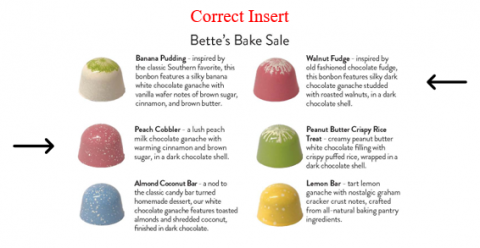
French Broad Chocolates PBC is recalling Bettes Bake Sale Bonbon Collection boxes in 6-piece, 12-piece and 24-piece sizes. The affected products come from batch numbers 260414 and 260417 and were sold in French Broad Chocolates retail stores in Asheville, North Carolina, and online through frenchbroadchocolates.com to dozens of states. The company said the problem is undeclared tree nuts, specifically walnuts.
The hazard
Consumers with a walnut allergy or severe sensitivity face the risk of a serious or life-threatening allergic reaction if they eat the recalled bonbons. Undeclared allergen recalls are treated seriously because labeling is a primary safety protection for allergic consumers. The FDA posting did not list reported illnesses in the summary provided here.
What to do
Consumers who purchased the affected bonbons should not eat them. French Broad Chocolates said customers can return the product to the place of purchase for a full refund or simply discard it.
Company contact
Customer service is available at support@frenchbroadchocolates.com or 828.252.4181.
FSIS alert covers salmonella-linked products
USDAs Food Safety and Inspection Service issued a public health alert for various meat and poultry products that may contain recalled dairy ingredients tied to salmonella concerns.
- The products may contain FDA-regulated dairy ingredients made with dry milk powder that was recalled because of possible Salmonella contamination.
- The alert covers products associated with Richelieu Foods, Inc., establishment ID M5699+P5699+V5699, distributed nationwide.
- Consumers should not eat the products, and retailers should not sell or serve them; the items should be thrown away or returned.
FSIS issued a public health alert, rather than a standard recall, for various meat and poultry products containing FDA-regulated dairy ingredients that had already been recalled. The products are associated with Richelieu Foods, Inc. and establishment ID M5699+P5699+V5699. The alert was issued because the products may no longer be available for sale, but consumers could still have them in refrigerators or freezers.
The hazard
The concern is possible Salmonella contamination linked to dry milk powder used in dairy ingredients incorporated into meat and poultry products. Salmonella can cause fever, diarrhea and abdominal cramps within six hours to six days after exposure. Older adults, infants and people with weakened immune systems are more likely to develop severe illness.
What to do
Consumers who purchased the affected products are urged not to consume them. Retailers are urged not to sell or serve them. FSIS said the products should be thrown away or returned to the place of purchase.
Company contact
For more information, FSIS listed ALDI Inc. contact Patricia Jones at (630) 761-2380 or Product.Recall@aldi.us, and Richelieu Foods Inc. contact Moazzam Chaudhry at (224) 434-5001 or consumer.quality@richelieufoods.com.
Posted: 2026-05-01 17:26:01







