


Bike helmets, baby bottles, and cameras are part of this week's recall roundup
Recall Roundup: Consumer products, food and medicine alerts
This roundup covers recent recalls and safety warnings from the CPSC, FDA, and FSIS.
Gudook bike helmets can fail in crashes
The CPSC says recalled Gudook bicycle helmets do not meet mandatory federal safety requirements and may not protect riders in a crash.
- The hazard is serious: the helmets failed impact attenuation and certification requirements, creating a risk of head injury or death.
- About 520 helmets were sold on Amazon.com from May 2025 through February 2026 for about $23.
- Consumers should stop using the helmet immediately, destroy it by cutting the straps and request a full refund from Gudook Outdoor Sports.
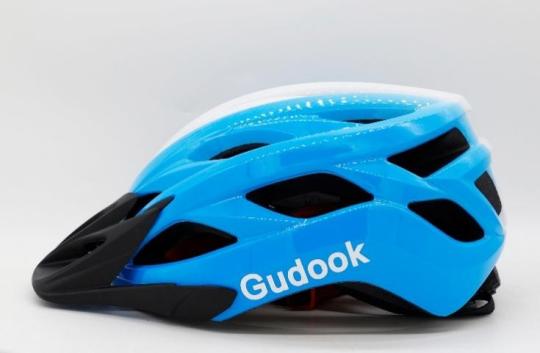
Dongguanshizhouhedianzishangwuyouxiangongsi, doing business as Gudook Outdoor Sports, is recalling Gudook-branded bicycle helmets, model KY-055, sold in blue with white in size medium. The helmets have red padding, black straps, a black-and-red buckle and a black fit-adjusting knob at the back. Only helmets with batch number 202503 and a manufacture date of March 2025 are included.
The hazard
The CPSC said the recalled helmets violate the mandatory safety standard for bicycle helmets because they do not comply with impact attenuation and certification requirements. In practical terms, that means the helmet can fail to protect a rider during a crash, posing a serious risk of head injury or death. No incidents or injuries had been reported at the time of the recall.
What to do
Consumers should stop using the helmet immediately and contact Gudook Outdoor Sports for a full refund. The company is asking buyers to destroy the helmet by cutting the straps and then email a photo of the destroyed helmet, with the batch number visible, to lexi_kuyou@163.com before disposing of it.
Company contact
Gudook Outdoor Sports can be reached by email at lexi_kuyou@163.com.
Boon baby bottles can peel and choke
TOMY is recalling certain Boon NURSH 8-ounce reusable baby bottles because pieces of the outer shell can come loose and pose a choking hazard.
- The hard plastic outer shell can bubble or partially peel, creating loose film-like plastic pieces that young children could choke on.
- About 40,000 bottle 3-packs were sold at Walmart stores and Walmart.com from November 2025 through May 2026 for about $20.
- Consumers should stop using the recalled bottles immediately and contact TOMY for a refund in store credit or a replacement set in a different color.
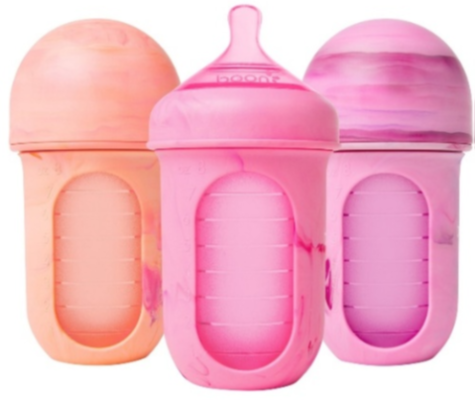
TOMY International is recalling Boon NURSH 8 oz Reusable Baby Bottles 3-Pack in pink tie dye. The recalled set contains three bottles with a hard outer plastic shell around a soft silicone pouch, and the Boon logo appears on the shell. The package is marked with item number B11654 and UPC 669028116546.
The hazard
According to the CPSC, the bottles' hard plastic outer shell can bubble or partially peel off, leaving loose pieces of film-like plastic. Those pieces can pose a choking hazard to young children. The company said it had received 135 reports of bubbling or peeling, though no injuries had been reported.
What to do
Consumers should stop using the recalled baby bottles right away. TOMY is offering either a $22 booninc.com store credit or a replacement set of three bottles in a different color. Buyers should contact the company to start the remedy process.
Company contact
TOMY can be reached toll-free at 866-725-4407 from 8 a.m. to 4 p.m. CT Monday through Friday, by email at cs@tomy.com, or online at https://recall.tomy.com/nursh and https://us.tomy.com under Product Recalls.
Wyze cameras can overheat, explode and burn
Wyze Labs is recalling Solar Cam Pan security cameras because incorrect assembly instructions can cause consumers to puncture the lithium-ion battery during installation.
- The hazard is tied to the lithium-ion battery, which can rapidly overheat if its metal casing is punctured, creating fire and burn risks.
- About 321,360 cameras were sold in the United States, with 13 overheating reports, six fires or explosions and six minor burn injuries reported.
- Consumers should stop using the camera immediately, check whether their device is affected and request a replacement, refund or gift card.
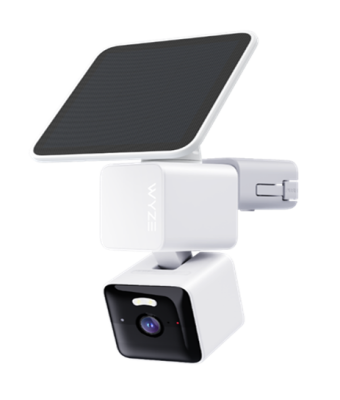
Wyze Labs is recalling its lithium-ion battery-operated Wyze Solar Cam Pan outdoor security cameras, model WYZESCPWH. The white wire-free cameras have motorized pan-and-tilt functionality and an integrated solar panel, and were sold through Home Depot, Micro Center and several online sellers including Wyze, Amazon, Best Buy and Temu.
The hazard
The recall centers on incorrect assembly instructions. The CPSC said those instructions can lead consumers to use the wrong screw and accidentally puncture the battery's metal casing while installing the solar panel on top of the camera. A punctured lithium-ion battery can rapidly overheat, catch fire or explode. Wyze said it received 13 reports of overheating and six reports of cameras exploding and catching fire, including six reports of minor burns.
What to do
Consumers should stop using the recalled camera immediately and visit Wyze's recall page to determine whether their device is affected. All consumers who used the long, flat-head screw to install the solar panel should participate in the recall. Wyze is offering a free replacement camera with solar panel accessory, a full refund or a gift card for the original purchase price. Consumers will need to attest that they disposed of the camera in accordance with local and state rules.
Company contact
Wyze Labs can be reached toll-free at 888-832-7226 from 8 a.m. to 6 p.m. CT Monday through Friday, by email at recall@wyze.com, or online at http://www.wyze.com/SCPrecall and https://www.wyze.com under Recalls.
Crenlux drain covers pose drowning danger
The CPSC says recalled Crenlux pool drain covers do not meet federal entrapment protection rules and can create a deadly hazard in pools and spas.
- The recalled covers violate the Virginia Graeme Baker Pool & Spa Safety Act and pose entrapment and drowning hazards.
- About 200 white plastic drain covers were sold on Amazon.com from June 2025 through March 2026 for about $20.
- Pool owners and operators should stop using pools with the recalled covers immediately and contact Eicong for a refund.
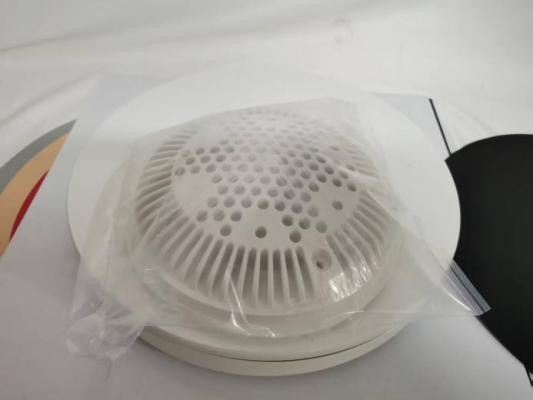
Guangzhou Yikang Cultural Communication Co., doing business as Eicong, is recalling Crenlux-branded pool drain covers sold on Amazon. The white plastic covers measure about 8 inches in diameter and weigh about 12.7 ounces, and Crenlux is printed on the packaging.
The hazard
The CPSC said the recalled covers violate entrapment protection standards under the Virginia Graeme Baker Pool & Spa Safety Act. Noncompliant drain covers can trap swimmers or bathers against the drain, creating a risk of drowning or other catastrophic injury. No incidents or injuries were reported.
What to do
Pool owners, pool operators and consumers should stop using pools fitted with the recalled drain covers immediately and contact Eicong for a full refund. The company is asking consumers to destroy the cover by writing Recalled on it with a permanent marker and send a photo of the marked cover to Crenlux_recall@outlook.com.
Company contact
Eicong can be reached by email at Crenlux_recall@outlook.com.
Tiny Land tent poles can irritate children
Tiny Land is recalling children's play tents because fiberglass poles can shed fibers that irritate skin and eyes.
- The recalled tents use fiberglass poles that can shed fibers, creating a risk of skin and eye irritation.
- About 7,500 tents were sold on Amazon.com and Tinylandus.com from November 2025 through March 2026 for between $54 and $70.
- Consumers should stop using the tents, disassemble them and request a free repair kit with plastic replacement poles.
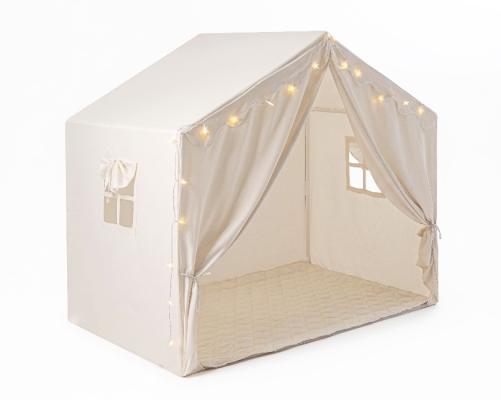
Tiny Land Inc. is recalling cream-colored children's play tents that include three windows, a closable fabric door, 34 poles, star-shaped lights and a quilted play mat. The label stitched inside the tent shows the Tiny Land logo and SKU TLTGTT003BG-XYF1506251.
The hazard
The fiberglass poles in the recalled tents can shed fibers during use. Those fibers can irritate children's skin and eyes and can also make cleanup difficult once they spread into the surrounding area. Tiny Land said it received eight reports of fiber shedding, resulting in skin or eye irritation.
What to do
Consumers should stop using the tents immediately, disassemble them and place the poles somewhere children cannot access. Tiny Land is offering a free repair kit that includes four plastic replacement poles with shipping included. The company says consumers should wear gloves and dispose of the fiberglass poles in line with state and local waste rules.
Company contact
Tiny Land can be reached toll-free at 833-556-5252 from 9 a.m. to 5 p.m. ET Monday through Friday, by email at customer_care@tinylandus.com, or online at https://www.tinylandus.com/pages/recalls and www.tinylandus.com under Recall.
Little Grape Land pillows pose suffocation risk
Little Grape Land is recalling nursing pillows because the products violate federal safety standards and can obstruct an infant's breathing.
- The nursing pillows can obstruct an infant's breathing, posing a serious risk of suffocation.
- About 1,430 pillows were sold on Amazon.com from August 2025 through April 2026 for between $28 and $30.
- Consumers should stop using the pillows immediately, destroy them as instructed and request a full refund.
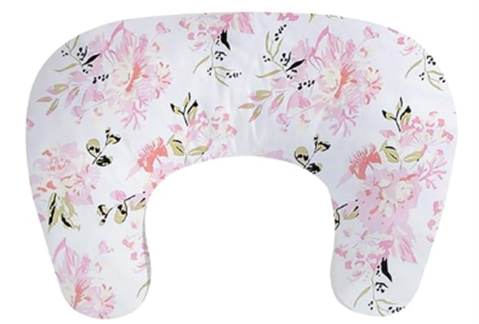
XJ Evermore LLC, doing business as Little Grape Land US, is recalling U-shaped nursing pillows sold in several patterns, including rose floral, alligator, bear, butterfly, cactus, construction truck and woodland animal prints. The pillows have no markings or labels on the product itself.
The hazard
The CPSC said the nursing pillows, which were advertised for infant feeding and tummy time, violate the mandatory standards for nursing pillows and infant support cushions. The design can obstruct an infant's breathing, creating a serious risk of suffocation and death. No incidents or injuries had been reported.
What to do
Consumers should stop using the recalled nursing pillows immediately and contact Little Grape Land for a full refund. The company is asking consumers to cut the pillow in half and email a photo of the destroyed pillow to recall@evermorepartner.com before discarding it.
Company contact
Little Grape Land can be reached by email at recall@evermorepartner.com, or online at https://littlegrapeland.com/recall and https://littlegrapeland.com/ under Recall.
Broqixin drain covers pose drowning danger
The CPSC says recalled Broqixin pool drain covers fail federal entrapment standards and can put swimmers and bathers at risk.
- The recalled drain covers violate the Virginia Graeme Baker Pool & Spa Safety Act and pose entrapment and drowning hazards.
- About 370 covers were sold on Amazon.com from January 2026 through April 2026 for about $16.
- Consumers should stop using pools with these covers immediately, remove the cover and contact Broqixin for a refund.
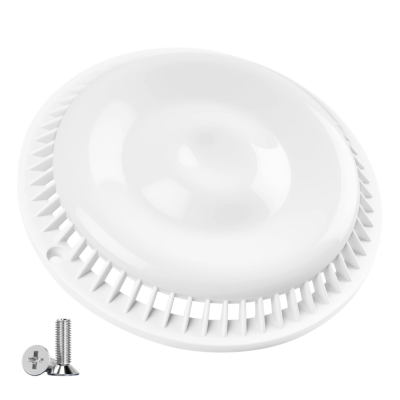
Weifang Dingshengxin Electric Technology Co., doing business as Broqixin, is recalling Broqixin-branded white plastic pool drain covers sold with two screws. The covers measure about 7.36 inches in diameter and weigh about 3.84 ounces, and Model 11064W is printed on the packaging.
The hazard
The CPSC said the covers do not comply with the entrapment protection standards required by the Virginia Graeme Baker Pool & Spa Safety Act. A noncompliant cover can create a deadly suction entrapment hazard for swimmers and bathers, especially children. No incidents or injuries were reported.
What to do
Pool owners, pool operators and consumers should stop using pools with the recalled covers immediately and contact Broqixin for a full refund. The company is asking consumers to remove the drain cover, write Recalled on it in permanent marker and email a photo of the marked cover to broqixinrecall@outlook.com. The CPSC also advised consumers to make sure all pools and spas have VGBA-compliant covers and to teach children to stay away from drains.
Company contact
Broqixin can be reached by email at broqixinrecall@outlook.com.
Residential elevator switches can leave doors unlocked
SUNS International is recalling certain residential elevator interlock switches because they can stick and allow an exterior door to remain unlocked.
- The affected interlock switches can become stuck in a retracted position, creating a fall and crushing hazard that can cause death or serious injury.
- About 7,000 switches were sold through SUNS International and authorized residential elevator dealers nationwide for about $200.
- Consumers should stop using any residential elevator with the affected switch and arrange for free professional replacement.
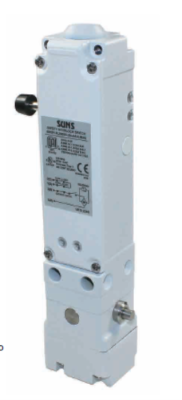
SUNS International is recalling all SS6291 Solenoid Interlock switches used in residential elevators produced from Aug. 20, 2024, through Nov. 6, 2025, with date codes 2431 through 2543. The switch measures about 10 inches by 2 inches, weighs about 2 pounds, and has SUNS, the model number and date code printed on a label on the side.
The hazard
According to the CPSC, the interlock switch can become stuck in a retracted position. If that happens, the exterior elevator door can stay unlocked even when the elevator cab is not behind it, creating a severe fall and crushing hazard. SUNS said it had received one report of a switch becoming stuck, though no injuries had been reported.
What to do
Consumers should stop using any residential elevator that contains the recalled SUNS switch immediately. They should contact SUNS or their elevator installer to schedule free professional installation of a replacement interlock switch. This is not a do-it-yourself repair.
Company contact
SUNS International can be reached toll-free at 978-349-2329 from 10 a.m. to 6 p.m. ET Monday through Friday, by email at recall@suns-usa.com, or online at www.suns-usa.com under Recall.
Vornado heaters can overheat and catch fire
Vornado is recalling SRTH small room tower heaters after reports of overheating, fire and one smoke inhalation injury.
- The heater's fan blade can detach from the motor shaft, causing overheating, melting and possible ignition.
- About 255,000 heaters were sold nationwide from August 2013 through May 2026, and the company has received 32 overheating reports.
- Consumers should stop using the recalled heater immediately and contact Vornado for a full refund.
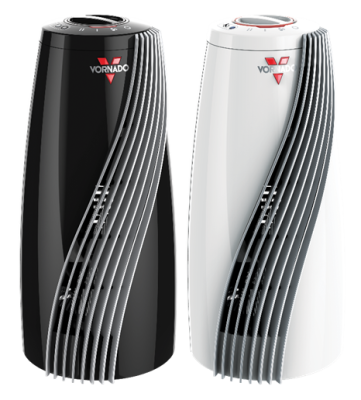
Vornado Air is recalling SRTH small room tower heaters sold in black and white. The heaters measure about 12.5 inches high by 6 inches in diameter, have low and high heat settings plus a fan-only mode, and are marked TYPE SRTH on the silver rating label on the bottom.
The hazard
The CPSC said the fan blade can detach from the motor shaft. When that happens, the fan can slow or stop, causing the heater to overheat and melt the enclosure and internal parts. If the thermal cutoff or fuse does not activate in time, the melted parts can ignite and break through the enclosure. Vornado said it had received 32 reports of overheating from fan displacement, including eight reports of fire and one report of smoke inhalation.
What to do
Consumers should stop using the recalled heaters immediately and contact Vornado for instructions on how to submit photos of the heater and proof of destruction. After completing that process, consumers can receive a full refund.
Company contact
Vornado can be reached toll-free at 844-205-7978 from 8 a.m. to 5 p.m. CT Monday through Friday, or online at recalls.vornado.com under SRTH Small Room Tower Heater Recall and at www.vornado.com under Product Recalls.
Heated insoles can explode even when off
The CPSC is warning consumers to stop using COOWALK and COOWALI heated insoles because their lithium-ion batteries can ignite even when the insoles are turned off.
- The internal lithium-ion battery can explode and ignite, posing serious burn and fire hazards.
- The insoles were sold on Amazon.com and GearTrade.com from August 2022 through May 2026.
- Consumers should stop using the insoles immediately and dispose of them under local hazardous-waste rules.
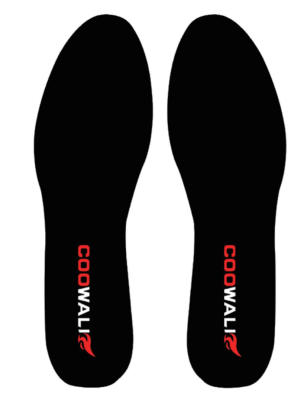
The CPSC issued a warning covering COOWALK and COOWALI heated insoles sold in black or red. The insoles contain a lithium-ion battery in the heel area, are operated by remote control, and have either COOWALK or COOWALI printed on the sole.
The hazard
According to the agency, the internal lithium-ion battery can explode and ignite, even when the insoles are switched off. That creates a risk of serious burn injury and fire. The warning did not list incident totals, but the agency urged consumers to act immediately because lithium-ion battery failures can escalate quickly.
What to do
Consumers should stop using the heated insoles right away and dispose of them immediately in accordance with local hazardous-waste disposal procedures. They should not throw lithium-ion battery products in regular household trash unless local rules specifically permit that.
Company contact
The CPSC warning did not list a manufacturer contact. Consumers can report product defects or injuries related to the insoles at www.SaferProducts.gov.
Crib bumpers violate ban and suffocate infants
The CPSC is warning consumers to stop using Hongmingzheng crib bumpers because padded bumpers are banned and can obstruct an infant's breathing.
- The padded crib bumpers can block an infant's breathing, creating a risk of suffocation and death.
- The product was sold on Amazon.com from April 2026 through May 2026 for about $26.
- Consumers should stop using the crib bumpers immediately, dispose of them and never resell or give them away.
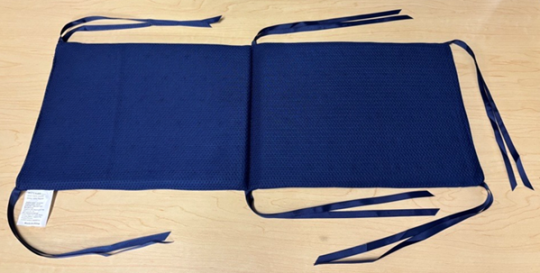
The CPSC warning covers Hongmingzheng crib bumpers, described as blue padded bumpers with six sets of tie strings. A label attached to the product says Product model: JP0128.
The hazard
The agency said crib bumpers can obstruct an infant's breathing and pose a risk of serious injury or death from suffocation. Padded crib bumpers are banned under the Safe Sleep for Babies Act, and the CPSC said consumers should treat the product as unsafe for infant sleep environments.
What to do
Consumers should stop using the crib bumpers immediately and dispose of them. The CPSC also warned consumers not to sell or give away the product, because passing it along could expose another child to the same suffocation hazard.
Company contact
No company contact information was provided in the CPSC warning.
Dried herring may carry botulism risk
Prime Food Processing is warning consumers about uneviscerated dried herring fish that may harbor C. botulinum spores.
- The fish was not adequately eviscerated, which can allow C. botulinum spores to grow and cause botulism poisoning.
- The affected product is Item AF4110, lot code 26020, expiration 06.12.28, distributed to Asian grocery stores in 17 states.
- Consumers should not eat the fish and should return the uneaten product and packaging to the place of purchase for a full refund.

Prime Food Processing LLC issued a safety warning involving Dried Herring Fish sold as Item AF4110. The concern involves uneviscerated fish, a well-known botulism risk because internal organs can create conditions that allow toxin-producing bacteria to develop if the product is not properly handled.
The hazard
The FDA said the product was not adequately eviscerated and may harbor C. botulinum spores. Uneviscerated fish have been linked to botulism outbreaks. Symptoms can include dizziness, blurred or double vision, trouble speaking or swallowing, difficulty breathing, muscle weakness, abdominal distension and constipation. The recalled product was distributed to Asian grocery stores in Arizona, California, Florida, Hawaii, Illinois, Kansas, Louisiana, Maryland, Missouri, North Carolina, New Hampshire, Nevada, New York, Oklahoma, Pennsylvania, Texas and Utah.
What to do
Consumers who purchased the affected dried herring should not eat it. They should return the uneaten fish and its packaging to the place of purchase for a full refund. Anyone who believes they may have symptoms of botulism should seek immediate medical attention.
Company contact
Prime Food Processing LLC can be reached at 718-963-2323, Monday through Friday, from 9 a.m. to 5 p.m. EST.
Gas-X softgels recalled over coolant contamination
Haleon is voluntarily recalling certain lots of Gas-X Extra Strength Softgels after a packaging-machine leak raised the possibility of chemical contamination.
- The softgels may have been contaminated with a diluted propylene glycol-based coolant, which could cause nausea, vomiting, abdominal pain and diarrhea.
- The recall covers Gas-X Extra Strength Softgels 125 mg in 120-count and 72-count packages from lots TL8K, YH9X, YH9Y and X78N.
- Consumers should stop taking the product immediately and contact Haleon to arrange a return and reimbursement.
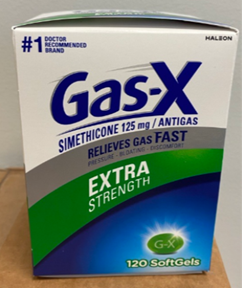
Haleon issued a voluntary nationwide recall of Gas-X Extra Strength Softgels 125 mg in 120-count and 72-count packages. The company said the issue stems from a machine leakage during the packaging process, which may have introduced a diluted propylene glycol-based coolant into some products distributed on or about April 13, 2026.
The hazard
The FDA notice said the potential contamination could cause adverse events including nausea, vomiting, abdominal pain and diarrhea if ingested. The recall applies to lot numbers TL8K, YH9X, YH9Y and X78N. Even though the notice did not list injuries, consumers are being urged to stop using the product because it is intended for ingestion and contamination may not be visible.
What to do
Consumers should stop taking the recalled softgels immediately and contact Haleon Consumer Relations to arrange for return of the product and reimbursement. If you feel ill after taking the product, contact a health care provider.
Company contact
Haleon Consumer Relations can be reached at 1-800-245-1040 or by email at mystory.us@haleon.com.
Moringa capsules may be contaminated with Salmonella
Total Nutrition has expanded its recall of TNVitamins and Doctor's Pride moringa capsules because of possible Salmonella contamination.
- The products may be contaminated with Salmonella, which can cause serious illness and can be especially dangerous for young children, older adults and people with weakened immune systems.
- The affected capsules were sold nationwide online through Amazon, Walmart, TikTok Shop, Target and the companies' websites.
- Consumers should stop using the affected capsules, dispose of them immediately and request a refund through the recall form.
Total Nutrition Inc. said it is expanding its recall of TNVitamins Ultra Potent Complete Green Superfood Moringa 10,000 mg capsules and Doctor's Pride Complete Green Superfood Ultra Potent Moringa 10,000 mg capsules. Newly added lots include TNVitamins lot 2748 with expiration 07/2027 and Doctor's Pride lot 2748 with expiration 07/2027, along with previously recalled lots 2507199, 2512-304 and 2793 where applicable.
The hazard
Salmonella can cause fever, diarrhea that may be bloody, nausea, vomiting and abdominal pain. In more severe cases, the infection can enter the bloodstream and lead to illnesses such as infected aneurysms, endocarditis and arthritis. The expanded recall affects products distributed nationally through online platforms and company websites, broadening the number of consumers who should check their bottles.
What to do
Customers who purchased the affected capsules should dispose of them immediately and should not eat, sell or serve the product. Total Nutrition said consumers can request a refund by completing the recall form at https://tnvitamins.com/recall.
Company contact
Total Nutrition Inc. can be reached by email at Customerservice@tnvitamins.com.
Motor City cheese bread faces Salmonella recall
Champion Foods is recalling some batches of Motor City Pizza Co. 5 Cheese Bread because of possible Salmonella contamination.
- The recalled bread may be contaminated with Salmonella, which can cause serious and sometimes fatal infections in vulnerable consumers.
- The affected single packs and 2-packs were sold nationwide at retailers including Costco, Walmart, Target, Kroger, Publix and Meijer.
- Consumers should check the UPC and sell-by date, avoid eating affected products and contact Champion Foods for more information.

Champion Foods is recalling certain Motor City Pizza Co. 5 Cheese Bread Single Packs and 2 Packs. The affected products carry UPC 8 70375 00511 1 for the single pack and UPC 8 70375 00509 8 for the 2-pack, with multiple sell-by dates ranging from early February through late April 2027.
The hazard
The FDA notice said the bread is being recalled because of possible Salmonella contamination. Salmonella can cause fever, diarrhea, nausea, vomiting and abdominal pain, and in rare cases can lead to more severe illnesses if it enters the bloodstream. The recalled lots were distributed and sold nationwide at a long list of retailers, including Costco, Walmart, Giant Landover, Grocery Outlet, Jewel, Kroger, Schnucks, Target, Meijer and Publix.
What to do
Consumers should check the package UPC and sell-by date against the recall list and should not eat affected products. Set the product aside and contact Champion Foods LLC for more information about the recall and next steps.
Company contact
Consumers can contact Champion Foods LLC at info@motorcitypizzacompany.com. Media inquiries can be sent to media@championfoods.com.
Dexcom G7 sensors may be unsafe to use
Dexcom says some scrapped Dexcom G7 sensors were stolen, diverted into commerce and may create infection or device-failure risks.
- One affected lot may not be properly sterilized, increasing skin infection risk, while another lot has an elevated failure rate that can lead to missing sensor readings.
- The issue involves Dexcom G7 lots 1725204004 and 1725069002 sold through third-party channels supplied by Pharmsource, LLC.
- Users should not use sensors from the affected lots and should call Dexcom for replacements.
Dexcom announced that sensors identified internally as scrap were diverted and sold by a third party instead of being destroyed. The company said the affected product involves Dexcom G7 sensors from lot 1725204004 and lot 1725069002, which may have reached some independent pharmacies and durable medical equipment distributors in the United States through Pharmsource, LLC, an unauthorized distributor.
The hazard
According to the company announcement posted by the FDA, lot 1725204004 includes sensors that were not properly sterilized and therefore carry an increased risk of skin infection. Lot 1725069002 includes sensors from a lot with an elevated internal testing failure rate, raising the chance that no sensor readings will be available. For people relying on continuous glucose monitoring, either problem can interfere with safe diabetes management.
What to do
Users who have Dexcom G7 sensors from lots 1725204004 or 1725069002 should not use them. Consumers should call Dexcom Customer Support in the United States to request replacements and should check any remaining boxes or packaging carefully for the lot numbers before use.
Company contact
Dexcom Customer Support can be reached at 1-844-478-1600. Media contact is James McIntosh at 959-716-6698 or james.mcintosh@dexcom.com.
Soup dumplings recalled for undeclared peanut
Synear Foods USA is recalling frozen pork and crab soup dumplings because they may contain peanut that is not declared on the label.
- The products are misbranded and contain undeclared peanut, a potentially life-threatening allergen for sensitive consumers.
- The Class I recall affects products with several best-by dates shipped to retail locations in California, New Jersey and Washington, and exported to Canada.
- Consumers should not eat the dumplings and should throw them away or return them to the place of purchase.
Synear Foods USA, LLC is recalling frozen pork and crab soup dumpling products because of misbranding and undeclared allergens. The FSIS said the affected packages bear establishment number EST. 45942 and include best-by dates 15 OCT 2026, 10 NOV 2026, 23 DEC 2026, 26 JAN 2027 or 23 FEB 2027, along with alternate date formats 2026 OC 15 or 2027 JA 26.
The hazard
The issue is undeclared peanut, one of the major food allergens. For consumers with a peanut allergy, even a small amount can trigger a severe or life-threatening reaction. FSIS classified the recall as High - Class I, its most serious category. The agency said there had been no confirmed reports of adverse reactions tied to the products at the time of the notice.
What to do
Consumers who purchased the recalled dumplings should not consume them. FSIS said the products should be thrown away or returned to the place of purchase. Anyone with a peanut allergy who believes they may have eaten the product and feels ill should seek medical care promptly.
Company contact
Judy Zhu, CEO of Synear Foods USA, LLC, can be reached at 818-341-3588 ext. 101 or by email at judyz@synearfoodsusa.com.
Posted: 2026-06-05 17:29:28






