Furniture, baby products, and pool devices are part of this week's recall roundup
Recall Roundup: Consumer product and food safety notices
This roundup includes recent recalls and safety warnings from the U.S. Consumer Product Safety Commission and the Food and Drug Administration. Consumers should check model details, lot codes and sale dates closely, then stop using or eating affected products right away.
Amazon dresser recall over tip-over risk
More than 10,000 Romorgniz fabric dressers sold on Amazon are being recalled because they can tip over if they are not anchored to a wall.
- The dressers are unstable and can tip over or trap a child, creating a risk of serious injury or death.
- About 10,040 units were sold on Amazon.com from May 2025 through March 2026 for about $90.
- Consumers should stop using the dresser immediately if it is not anchored to the wall and seek refund instructions from Romorgniz.
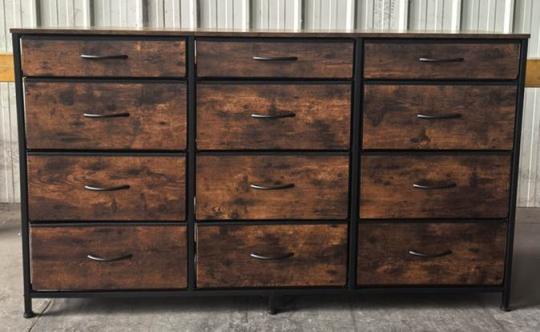
The CPSC said Changzhou Jiaxuan Intelligence Furniture Co., Ltd., of China, is recalling Romorgniz 12-Drawer Fabric Dressers sold on Amazon. The dressers come in white, brown and black, have 12 fabric drawers and a metal frame, and measure about 11.8 inches wide by 31.7 inches tall by 55 inches long. Only orders placed before April 1, 2026, are included in the recall.
The hazard
According to the CPSC, the recalled dressers are unstable if they are not anchored to the wall. That creates tip-over and entrapment hazards that can cause serious injuries or death to children. The agency said the units violate the mandatory clothing storage unit safety standards required by the STURDY Act. No incidents or injuries were reported.
What to do
Consumers should stop using the recalled dressers immediately if they are not anchored to the wall and move them to an area children cannot access. Romorgniz is offering a full refund and will provide instructions to help consumers identify affected units and dispose of them. Consumers will be asked to submit a photo showing the product has been disposed of.
Company contact
Romorgniz by email at Romorgnizrecall@outlook.com, or online at https://www.romorgniz.store/recall.html or https://www.romorgniz.store/ and click Recall at the top of the page for more information.
Teething toy set poses choking risk
CuddleCubs Creations teething toy sets sold on Amazon are being recalled because pull strings can reach the back of a childs throat and become lodged.
- The toys silicone strings are too small and too long under federal toy standards, creating a deadly choking hazard.
- About 106 sets were sold on Amazon.com from December 2024 through April 2026 for between $15 and $19.
- Consumers should take the toy away from children immediately, destroy it as directed and request a full refund.
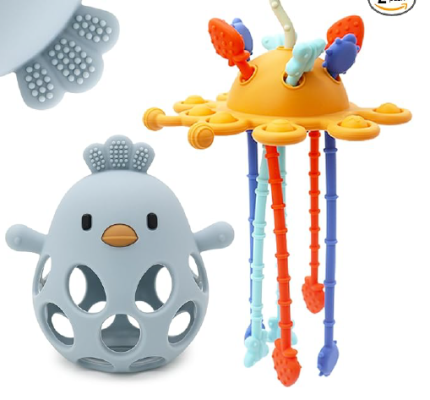
The CPSC said Foshanshi Kaijinying Dianzishangmao Youxiangongsi, doing business as YouRfocus, of China, is recalling CuddleCubs Creations highchair teething toy sets in the colors BlueOrange and YellowOrange. The sets include a suction-cup pull-string teether with a chick-shaped teether and a pull-string toy with an orange bug-shaped center ball and six long silicone strings.
The hazard
The agency said the recalled pull-string teething toy violates the mandatory standard for toys because the silicone strings are smaller and longer than permitted. Those strings can reach the back of a childs throat and become lodged, creating a risk of respiratory distress and deadly choking. No incidents or injuries were reported.
What to do
Consumers should stop using the pull-string teething toy immediately and take it away from children. YouRfocus is offering a full refund. To get that refund, consumers should cut all silicone strings, write DESTROYED in permanent marker on the main body of the toy, email a photo of the destroyed product to the company, and then dispose of it.
Company contact
YouRfocus by email at cuddlecubscreation@126.com.
Personalized baby items recalled over snaps
Peony Design is recalling handmade baby bibs and stroller bags after reports that snaps can break off and create a choking hazard.
- The snap can detach from the bibs and stroller bags, posing a choking hazard that can cause serious injury or death to young children.
- About 52 items were sold on Etsy.com from October 2025 through July 2026 for between $15 and $45.
- Consumers should remove the products from children immediately, stop using them and contact Peony Design for a full refund.
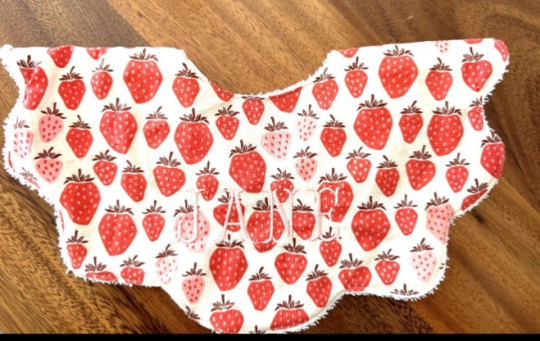
Peony Design Co., of Howell, Michigan, is recalling personalized handmade baby bibs and stroller bags sold through Etsy. The bibs have scalloped edges, snap closures and embroidered names, while the stroller bags were sold in coordinating prints and include straps with snaps and a ruffled top edge.
The hazard
The recall notice says the snap can detach from the bibs and stroller bags, creating a choking hazard for young children. The firm received three reports involving broken snaps, including one on a bib and two on stroller bags. No injuries were reported.
What to do
Consumers should take the recalled bibs and stroller bags away from children immediately and stop using them. Peony Design is offering a full refund. Consumers will be asked to discard the recalled products rather than return them.
Company contact
Peony Design by email at peonydesigncoshoppe@gmail.com for more information.
Pool drain cover recall warns of drowning
Sviyatp replacement pool drain covers sold on Amazon are being recalled because they do not meet federal entrapment protection standards.
- The drain covers violate the Virginia Graeme Baker Pool & Spa Safety Act, creating deadly entrapment and drowning hazards.
- About 670 units were sold on Amazon.com from March 2026 through June 2026 for about $18.
- Pool owners should stop using pools with these drain covers immediately, remove the cover and request a refund.
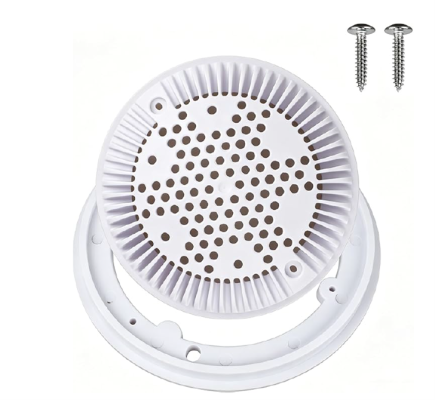
The CPSC said Shenzhen Meilanxiang Trading Co., Ltd., doing business as Sviyatp, of China, is recalling a white replacement pool drain cover sold for swimming pools. The product itself has no labeling, but the clear packaging is marked with X0050114ZZ, SV-SP1030-001, Sviyatp Dual Suction Outlet, and MADE IN CHINA, and the cover was packaged with two stainless steel screws.
The hazard
The agency said the recalled drain covers violate the entrapment protection standards of the Virginia Graeme Baker Pool and Spa Safety Act. Noncompliant drain covers can create dangerous suction and entrapment conditions, raising the risk of drowning. No incidents or injuries were reported.
What to do
Pool owners, operators and consumers should stop using pools with the recalled drain covers immediately. To obtain a full refund, consumers should remove the drain cover, write RECALL on it with a marker, take a photo, and email the image to the company. If feasible, the firm says consumers should disable the cover by cutting the perimeter structure to prevent reinstallation, then dispose of it. The CPSC also urges consumers to make sure all pools and spas have VGBA-compliant drain covers and to teach children to stay away from drains.
Company contact
Sviyatp by email at SviyatpRecall@qq.com.
Pull-string teether recalled after gagging report
Aojieni Silicone is recalling Sili Factory pull-string teething toys after one report that a toys strings reached the back of a childs throat.
- The long, narrow silicone strings can lodge in a childs throat, causing respiratory distress and a choking hazard.
- About 5,918 toys were sold on Amazon.com from May 2025 through April 2026 for between $11 and $15.
- Consumers should stop using the toy immediately, destroy it as directed and contact Aojieni Silicone for a full refund.
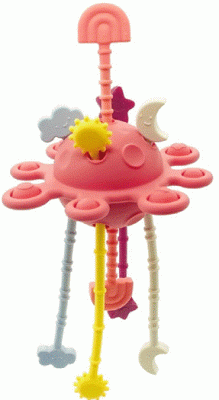
The CPSC said Shenzhen Aojieni Silicone Technology Co. Ltd., of China, is recalling Aojieni Silicone pull-string teething toys. The toy is a pink disc with seven soft push buttons, a pink center ball and five multicolored silicone pull strings. Packaging is printed with the brand name and Pulling Toy, and batch number DS250238 appears on the back.
The hazard
The recall notice says the product violates the mandatory standard for toys because the silicone strings are smaller and longer than allowed. Those strings can reach the back of a childs throat and become lodged, posing a serious choking hazard and risk of respiratory distress. The CPSC is aware of one report of the strings reaching the back of a childs throat and causing gagging. No injuries were reported.
What to do
Consumers should stop using the teething toy immediately and take it away from children. Aojieni Silicone is offering a full refund. To receive that refund, consumers should cut all silicone strings, write RECALLED on the main body with a permanent marker, send a photo of the destroyed toy to the company, and then dispose of the product.
Company contact
Aojieni Silicone by email at info@silifactory.com.
Another pool drain cover poses entrapment
OeyUoc replacement pool drain covers sold on Amazon are being recalled because they fail federal safety standards meant to prevent entrapment and drowning.
- The covers violate the Virginia Graeme Baker Pool & Spa Safety Act and can create deadly entrapment and drowning hazards.
- About 404 units were sold on Amazon.com from April 2026 through June 2026 for about $18.
- Consumers should stop using pools with these drain covers immediately, remove the cover and seek a refund from Yuanxinxiang.
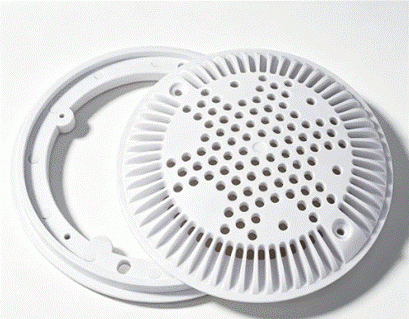
The CPSC said Shenzhen Yuanxinxiang Trade Co., Ltd., doing business as Yuanxinxiang, of China, is recalling white OeyUoc replacement pool drain covers sold exclusively on Amazon. The drain cover itself has no product identification, but the clear package is labeled X00501CQ7P, OY-WG1048E-1P, OeyUoc WG1048...Skimmer Lid SP1030 and MADE IN CHINA, and the package included two stainless steel screws.
The hazard
The recalled drain covers do not comply with the entrapment protection standards of the Virginia Graeme Baker Pool and Spa Safety Act, according to the CPSC. That means the covers may not provide the protection required to help prevent dangerous suction entrapment incidents that can lead to drowning. No incidents or injuries were reported.
What to do
Pool owners, operators and consumers should stop using pools with the recalled drain cover immediately. To get a full refund, consumers should remove the cover, write RECALL on it with a permanent marker, take a photo of the marked cover and email it to the firm. If feasible, consumers should also disable the cover by cutting the perimeter structure so it cannot be reinstalled, then dispose of it. The agency also advises consumers to make sure all pools and spas use VGBA-compliant drain covers and to teach children to stay away from drains.
Company contact
Yuanxinxiang by email at OeyUocChina@163.com.
Walmart dresser recall cites child tip-over hazard
More than 16,000 EnHomee fabric dressers sold on Walmart.com are being recalled because they can tip over and trap children if not anchored.
- The recalled dressers are unstable without wall anchoring, creating tip-over and entrapment hazards for children.
- About 16,809 units were sold on Walmart.com from September 2023 through March 2026 for about $80.
- Consumers should stop using unanchored dressers immediately, move them away from children and seek disposal instructions for a refund.
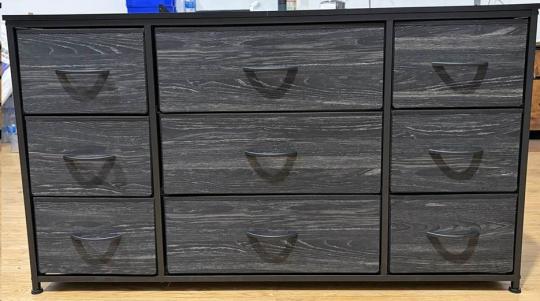
The CPSC said Xuzhou Mingquanhe Household Co., Ltd., of China, is recalling EnHomee 9-Drawer Fabric Dressers sold on Walmart.com by Raybee-Direct. The dressers come in white, brown, gray and black, have nine fabric drawers and a metal frame, and measure about 15.3 inches wide by 27.5 inches tall by 47.2 inches long. Only orders placed before March 30, 2026, are covered by the recall.
The hazard
According to the CPSC, the dressers are unstable if they are not anchored to the wall, creating tip-over and entrapment hazards that can result in serious injuries or death to children. The units violate the mandatory safety standard for clothing storage units under the STURDY Act. No incidents or injuries were reported.
What to do
Consumers should stop using the recalled dresser immediately if it is not anchored to the wall and place it in an area that children cannot access. Raybee-Direct is offering a full refund and will provide instructions on how to identify affected units and dispose of them. Consumers will need to submit a photo showing the dresser has been disposed of.
Company contact
Contact Raybee-Direct by email at RaybeeRecall@outlook.com.
CPSC warns on flammable TRWZINY mattresses
The CPSC is warning consumers to stop using TRWZINY 12-inch mattresses because they fail mandatory flammability standards.
- The mattresses violate the federal flammability standard for mattress sets, creating a fire risk that can cause serious injury or death.
- The mattresses were sold on Amazon.com from January 2026 through April 2026 for about $236.
- Consumers should stop using the mattresses immediately, dispose of them and not sell or give them away.
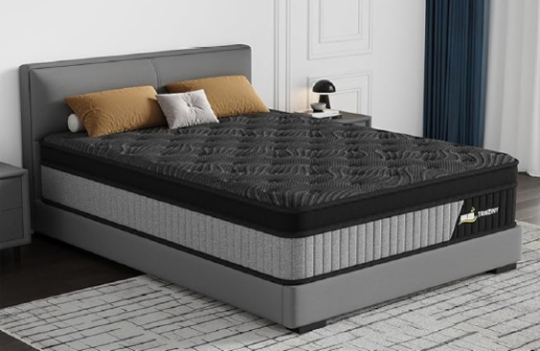
The CPSC issued a consumer warning covering TRWZINY 12-inch mattresses sold in queen size. The mattresses have a gray knit top panel, black and gray side panels, and stacked side-seam labels listing size, material and care instructions, along with the statement that the mattress may be used without a foundation or with a foundation.
The hazard
The agency said the mattresses violate the mandatory flammability standard for mattress sets. Products that fail that standard can ignite more readily or burn in ways that increase the risk of serious injury or death in a fire. The notice did not list incident or injury reports.
What to do
CPSC is urging consumers to stop using the mattresses immediately and dispose of them. Consumers also should not resell the mattresses or give them away to others because the fire risk remains with the product.
Company contact
The CPSC warning did not provide direct firm contact information.
Childrens pajamas fail burn safety standard
The CPSC is warning families to stop using Mikrdoo childrens pajama sets because they do not meet federal flammability rules for sleepwear.
- The pajama sets violate the mandatory standard for childrens sleepwear, creating a burn risk that can lead to serious injury or death.
- The products were sold on Amazon.com from August 2025 through May 2026 for between $18 and $20.
- Consumers should stop using the pajamas immediately, dispose of them and avoid reselling or donating them.
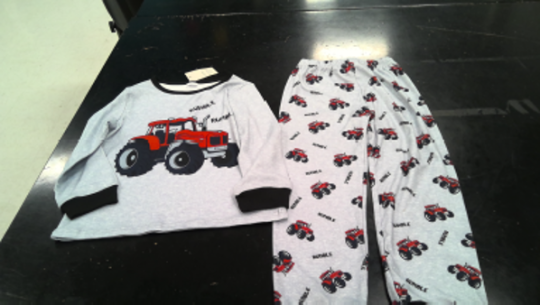
The CPSC warning covers Mikrdoo Childrens Pajama Sets sold online through Amazon. The agency did not identify a specific recalling firm in the warning notice, but said the sleepwear fails a mandatory federal safety standard designed to reduce burn injuries in children.
The hazard
Childrens sleepwear is subject to strict flammability requirements because garments worn to bed can catch fire quickly and burn intensely. The CPSC said these pajama sets violate that standard, posing a risk of burn injury or death to children. The warning did not cite incident or injury reports.
What to do
Consumers should stop using the pajama sets immediately and dispose of them. The CPSC also says consumers should not sell or give away the hazardous sleepwear. Any incidents involving injury or product defects can be reported through SaferProducts.gov.
Company contact
Report any incidents involving injury or product defect to CPSC at www.SaferProducts.gov.
Immersion water heaters can ignite quickly
The CPSC is urging consumers to stop using Lakkzoom immersion water heaters because they can catch fire within minutes if they are not fully submerged.
- The heaters can ignite when partially or completely out of water, creating a serious fire hazard.
- The products were sold on Amazon.com and eBay.com from September 2022 through July 2026.
- Consumers should stop using the heaters immediately, dispose of them and report fires or defects to the CPSC.
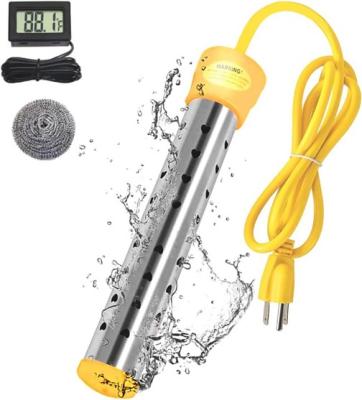
The CPSC issued a safety warning covering Lakkzoom immersion water heaters sold online through Amazon and eBay. Unlike a formal recall, the agencys notice urges consumers to act immediately because of the fire risk tied to the heaters use outside of water.
The hazard
According to the CPSC, the heaters can quickly ignite within minutes when they are partially or completely out of water. That means a consumer could face a fast-moving fire if the unit is energized and not fully submerged as intended. The warning did not list incident totals.
What to do
Consumers should stop using the immersion water heaters immediately and dispose of them. The agency also asks consumers to report any incidents involving fire, injury or product defects through SaferProducts.gov so regulators can track the hazard.
Company contact
Report any incidents involving fire, injury, or product defects, to CPSC at www.SaferProducts.gov.
Breakfast burritos recalled for undeclared soy
Fresh & Ready Foods LLC is recalling Spicy Breakfast Burritos because sausage was mistakenly placed in burritos labeled as vegetarian, leaving soy undeclared.
- The mislabeled burritos contain undeclared soy, which can trigger a serious or life-threatening allergic reaction.
- The affected product is identified by UPC 1 00001 00029 7 and Fresh Thru date 07/20/26 and was distributed in eight states through grab-and-go markets and vending machines.
- Consumers with the recalled burritos should not eat them, should discard any remaining product and may request a full refund.

Fresh & Ready Foods LLC is recalling Spicy Breakfast Burritos after discovering that sausage was inadvertently included in products labeled as vegetarian. The FDA notice says the labeling error means soy is not declared on the package, creating an immediate concern for people with soy allergies or severe sensitivities.
The hazard
Undeclared allergens remain one of the most common causes of food recalls because consumers often rely entirely on package labeling. In this case, people who have an allergy or severe sensitivity to soy face the risk of a serious or life-threatening allergic reaction if they eat the burritos. The notice did not list illness reports.
What to do
Consumers who purchased the affected burritos should not consume them and should discard any remaining product immediately. The company says consumers with questions, or those seeking a full refund, can contact Fresh & Ready Foods directly. The affected burritos were distributed in Alabama, Georgia, Kentucky, North Carolina, South Carolina, Tennessee, Virginia and West Virginia through grab-and-go markets and vending machines.
Company contact
Consumers: (855) 424-8390, RecallConcern@HotLineGlobal.com.
Shell eggs recalled over salmonella risk
Midwest Poultry Services L.P. is recalling certain shell eggs because they may be contaminated with Salmonella Enteritidis.
- The eggs may contain Salmonella Enteritidis, which can cause severe infections, especially in young children, older adults and people with weakened immune systems.
- The recall covers cartons marked with codes P-1950 or 0840962 and a Julian Date between 157 and 184, sold through retail and foodservice channels in multiple states.
- Consumers should avoid eating the eggs and return them to the place of purchase for a full refund.

Midwest Poultry Services L.P. has issued a voluntary recall for white shell eggs and brown cage free shell eggs because of possible Salmonella Enteritidis contamination. The FDA said the eggs were shipped to foodservice and retail customers in Texas, Oklahoma and Louisiana, and also reached Kroger and Brookshire Grocery stores in several states.
The hazard
Salmonella can cause serious and sometimes fatal infections in young children, frail or elderly people, and others with weakened immune systems. Healthy people infected with the bacteria often develop fever, diarrhea, nausea, vomiting and abdominal pain, and in rare cases the infection can move into the bloodstream and cause more severe illnesses such as infected aneurysms, endocarditis and arthritis. The recall notice did not state whether illnesses had been reported.
What to do
Consumers who purchased the recalled eggs should not eat them. The company says affected products should be returned to the original place of purchase for a full refund. Shoppers should check for only the listed carton codes, P-1950 or 0840962, along with a Julian Date between 157 and 184 printed on the side of the carton.
Company contact
Consumers: 574.405.9531, recallassistance@mpseggs.com. Media: info@mpseggs.com.
Fruit puree pouches may contain plastic
PT Organics Limited is recalling select Peter Rabbit Organics banana and strawberry puree pouches because a packaging defect may leave soft plastic in the food.
- An internal packaging defect may allow a strand of soft food-grade plastic to enter the finished product.
- The recall covers 4-ounce Pumpkin Tree Peter Rabbit Organics Banana & Strawberry Fruit Puree Pouches sold nationwide at Kroger, Meijer and Target between March 6 and July 13, 2026.
- Consumers and caregivers should not eat or feed the pouches to anyone and should return them or dispose of them.
PT Organics Limited is recalling select Pumpkin Tree Peter Rabbit Organics Banana & Strawberry Fruit Puree Pouches, 4 ounces, after identifying a packaging problem. The affected pouches were sold exclusively through Kroger, Meijer and Target stores nationwide and are identified by barcode 8 15367 01078 0, lane number 4, and several listed best-before dates.
The hazard
The FDA said an internal packaging defect may result in a strand of soft, food-grade plastic being present in the finished product. While the notice does not describe confirmed injuries, foreign material in food creates an obvious risk for consumers and especially for caregivers feeding young children. The affected best-before dates are 01/19/2027, 01/20/2027, 03/17/2027, 03/18/2027, 05/14/2027 and 05/15/2027.
What to do
Consumers should not eat the affected puree pouches or feed them to another person. The company says consumers should either dispose of the product or return it to the place of purchase. Checking both the barcode and the best-before date is the fastest way to determine whether a pouch is included.
Company contact
Consumer Support Desk at 888-566-2363, Monday through Friday, 8:00 a.m. to 5:00 p.m. E.T., or www.pumpkintreesnacks.com.
Moringa capsules recalled for salmonella risk
Relay Peak Research LLC is recalling Zen Principle Moringa Capsules because the product may be contaminated with Salmonella.
- Possible Salmonella contamination can cause severe illness, especially in young children, older adults and people with weakened immune systems.
- The recall covers lot A6FF4 with best-by date 11/2028 and Amazon FNSKU codes X000ZJJ4FT and X00159YJXP, sold nationwide online.
- Consumers should stop using the capsules, dispose of them and contact the company for a refund.
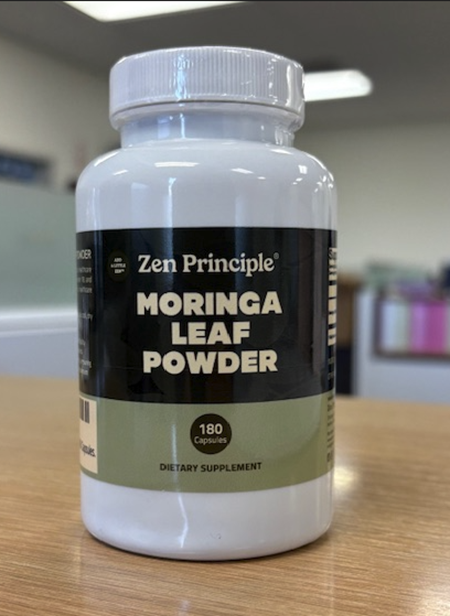
Relay Peak Research LLC is recalling Zen Principle Moringa Capsules because of possible Salmonella contamination. The FDA said the product was distributed nationwide from December 2025 through July 2026 and sold mostly online through Amazon.com and zenprinciple.com, with one unit each also sold on eBay and Etsy.
The hazard
Salmonella can cause serious and sometimes fatal infections in young children, frail or elderly people, and others with weakened immune systems. In otherwise healthy people, symptoms often include fever, diarrhea, nausea, vomiting and abdominal pain, and rare complications can involve bloodstream infections and other severe illnesses. The lot covered by this recall is A6FF4 with a best-by date of 11/2028.
What to do
Consumers should stop using the product and dispose of it. The company says consumers do not need to return the capsules to receive a full refund, which simplifies the remedy for online buyers. Consumers should check the lot number and the listed Amazon FNSKU codes if they purchased through Amazon.
Company contact
775-451-6171 from 9 a.m. to 5 p.m. Pacific Time, or by email at info@zenprinciple.com.
Iceberg lettuce recall cites Cyclospora risk
Taylor Fresh Foods is recalling iceberg lettuce from Central Mexico because it may be contaminated with Cyclospora.
- Possible Cyclospora contamination can cause diarrheal illness that may relapse and can be more severe in immunocompromised people.
- The lettuce was distributed from June 29 through July 16 in more than two dozen states to foodservice and retail customers.
- Consumers should discard the recalled lettuce immediately and may seek a full refund at the place of purchase.
Taylor Fresh Foods has issued a voluntary recall for iceberg lettuce sourced from Central Mexico because of a possible health risk tied to Cyclospora. The FDA said the product was distributed to retail and foodservice customers in a wide swath of states, including Alabama, Florida, Illinois, Texas, Virginia and Wisconsin.
The hazard
Cyclospora infection typically causes diarrhea and frequent bowel movements, but can also bring loss of appetite, weight loss, stomach cramps, bloating, gas, nausea and fatigue. Some people develop vomiting, body aches, headache or fever, and some infected people may have no symptoms at all. If not treated, the illness can lead to dehydration and severe complications that last days to a month or longer, with symptoms that may appear to resolve and then return.
What to do
Consumers who purchased the recalled iceberg lettuce should discard it immediately and not eat it. Taylor Fresh Foods says full refunds are available at the location of purchase. Because lettuce is often removed from original packaging in homes and foodservice operations, consumers and kitchen staff should check recent purchases and inventory carefully.
Company contact
Consumers: 855-455-0098. Media: press@taylorfarms.com.
Pounded yam recall expands over milk
Fayus Inc., doing business as Yusol International Foods, has expanded its recall of OLA-OLA POUNDED YAM because some packages may contain undeclared milk.
- The product may contain sodium caseinate, a milk ingredient not declared on the label, creating a potentially life-threatening allergy risk.
- The recall covers Ola-Ola Pounded Yam in 2-pound, 4-pound, 5-pound and 10-pound sizes with expiration dates between November 2028 and May 2029.
- Consumers with a milk allergy or severe sensitivity should not eat the product and should contact the distributor about exchange or relabeled product options.

Fayus Inc., doing business as Yusol International Foods, has expanded a recall involving Ola-Ola Pounded Yam sold in several package sizes. The FDA said the affected product was distributed through African and Caribbean market outlets between December 2025 and May 2026 in Canada, Australia and the U.S. states of California, Georgia, Illinois, New Jersey, New York and Texas.
The hazard
The product may contain undeclared milk in the form of sodium caseinate. For people with a milk allergy or severe milk sensitivity, eating the affected product can trigger a serious or life-threatening allergic reaction. The recall covers products with expiration dates between November 2028 and May 2029.
What to do
Consumers who have a milk allergy or severe sensitivity to milk should not consume the affected pounded yam. The company said distribution outlets may exchange the affected product for correctly packaged and labeled product, or for a relabeled or reconditioned package of the product. Consumers should check the package size and expiration date range before using the item.
Company contact
916-383-1124 or info@yusolfood.com.
Posted: 2026-07-24 14:09:50