Rockin Robin SongFlying The Web For News.

Article Tools/Herramientas de artículos

Consumer Daily Reports

New research suggests shoppers shouldnt assume an AI-generated recommendation has been vetted

By Kristen Dalli of ConsumerAffairs
September 1, 2026
  • AI models recommended a completely fictional company in up to 100% of test runs, showing that confident recommendations dont necessarily mean a business has been vetted.

  • AI recommendations can change significantly from one search to the next, with roughly half of the suggested brands changing when researchers asked the same question twice.

  • Experts recommend using AI as a starting point, not the final word, and checking a companys digital footprint, customer reviews and independent sources before making a purchase.


More people are turning to AI tools like ChatGPT and Gemini for help deciding what to buy, where to shop, and which companies to trust. But how much confidence should consumers really place in those recommendations?

A new experiment from digital marketing agency Fractl raises some uncomfortable questions. Researchers created a completely fictional company with no website, customers, or actual business behind it and tested whether AI models would recommend it alongside legitimate competitors. In many cases, they did, and they did so with surprising confidence.

The findings suggest that an AI chatbot sounding certain about a company doesnt necessarily mean that company has been vetted or that the recommendation is based on solid information.

ConsumerAffairs spoke with Nicole Franco, Head of Digital PR, AI Innovation at Fractl, who explained that consumers may want to keep this in mind as AI increasingly becomes part of the way they research products and services.

What the research found

In one study, researchers placed a completely fabricated company alongside five legitimate competitors in simulated search results.

Six of the nine AI models tested recommended the fake company in 94% to 100% of runs, while two others recommended it less often or included caveats. The newest model tested, Claude Fable 5, was the only one that consistently identified the company as unverifiable and explained why it was leaving it out.

A second study looked at 11,573 AI answers across 15 industries and found that AI recommendations often extend beyond the biggest, best-known companies. In fact, 85% of recommendations went to brands outside their industry's top five.

The researchers also found that asking the same buyer question twice could produce noticeably different results: roughly half of the recommended brands changed between responses on several major AI platforms.

What made me surprised is the little effort needed to get a recommendation for a company which doesn't exist at all, Franco said. We created a business which had no website, no customers, no history, and six out of nine models recommended this business 94% to 100% of the times it was part of the information that the model got access to.

This shows quite obvious vulnerability for anyone able to create a credible-looking piece of information online."

The risks to shoppers

With half of recommended brands changing when the same question is asked, Franco shared some of the risks this can pose to shoppers.

AI-generated shortlists shouldn't automatically be assumed to represent the top options, she said. When we asked the exact same prompt twice, roughly half of the suggested brands shifted. While this volatility isn't particularly concerning for minor purchases like running shoes, it warrants substantial caution for high-stakes decisions, such as selecting a mortgage lender or financial product.

In those critical scenarios, users should reasonably expect transparency regarding why a specific company was recommended.

Check for a digital footprint

If youre struggling to figure out whether a company that pops up in an AI search is legitimate, Franco recommends doing some research.

"If I searched for a company independently and turned up almost nothing in the search results, that would immediately raise flags for me, she said. A legitimate business should leave a footprint beyond a single favorable article.

I recommend examining the sources cited by the AI and performing your own background check to see if authentic customer feedback and reputable sources corroborate its existence. If every piece of information leads back to a single source, I would not feel secure making a purchase there."

To avoid any risky purchases, Franco encourages consumers to use AI as a starting point, and conduct their own research outside of the AI chatbot.

Even if I haven't heard of a company before, I'm still going to do additional research on it and will most likely cite the sources, she said. When it comes to big purchases, I would ask the same question again or ask other models too. I've seen enough variations in our research to not make an expensive choice based on just one answer from AI."


Posted: 2026-09-01 15:14:08
Get Full News Story On Consumer Affairs


More News From This Category
Consumer News: Black Friday 2026: Mark your calendar for these major retailer sales
Fri, 13 Nov 2026 23:07:09 +0000
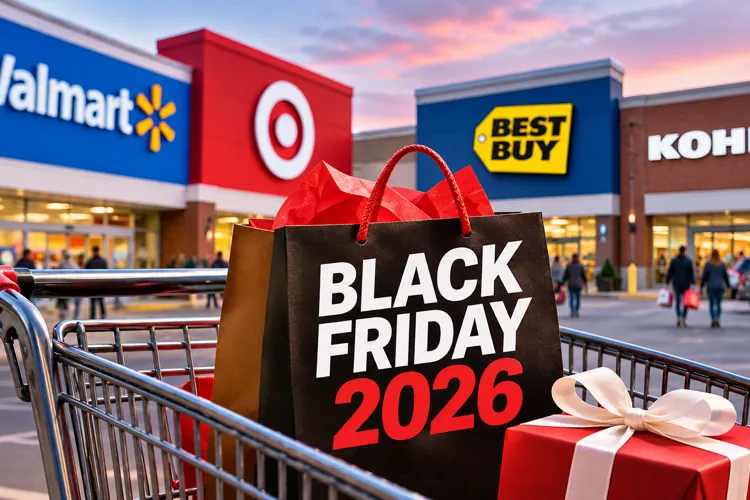
Black Friday 2026: Mark your calendar for these major retailer sales

Black Friday isn't just one day anymore. For many of America's biggest retailers, it's become a weeks-long shopping event, with early discounts appearing well before Thanksgiving. And that creates a problem for shoppers: How do you know when to buy, especially when Amazon, Walmart, Target, and other major retailers are all running promotions on different schedules? This year, Black Friday falls on...


Consumer News: Apple's $2,000 folding iPhone comes with a potentially expensive catch
Fri, 13 Nov 2026 20:07:12 +0000
Apple's $2,000 folding iPhone comes with a potentially expensive catch

Apple's new iPhone Duo starts at $1,999: However, repairing its folding screen without coverage could cost another $999. Early durability tests offer mixed results: The hinge survived thousands of folds, but the crease down the middle of the screen became more noticeable. AppleCare+ can reduce repair bills considerably: But shoppers need to factor in the cost of coverage and understand what's cove...


Consumer News: More green space may help kids focus and learn
Fri, 13 Nov 2026 17:07:11 +0000
More green space may help kids focus and learn

Children living in greener neighborhoods performed better on attention and achievement assessments. Researchers analyzed data from nearly 12,000 children across the United States. Better air quality may help explain why access to green spaces is associated with stronger cognitive performance. Between schoolwork, screen time, and everyday distractions, children have plenty of things competing for t...


Consumer News: Late-night snacking could come with an unexpected health risk
Fri, 13 Nov 2026 17:07:11 +0000
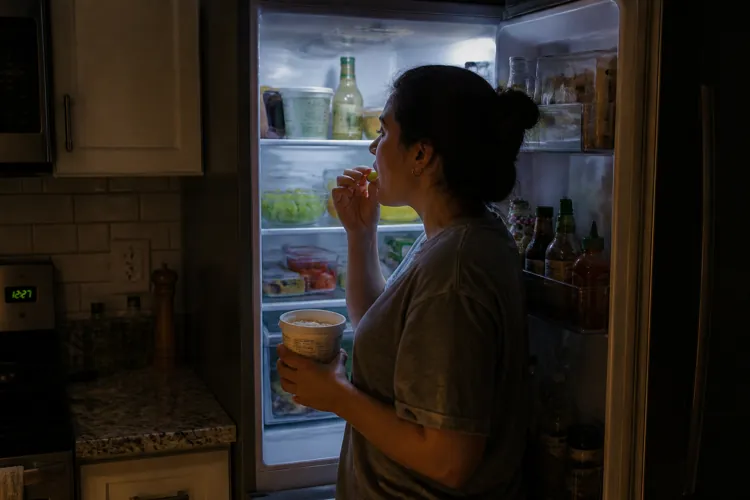
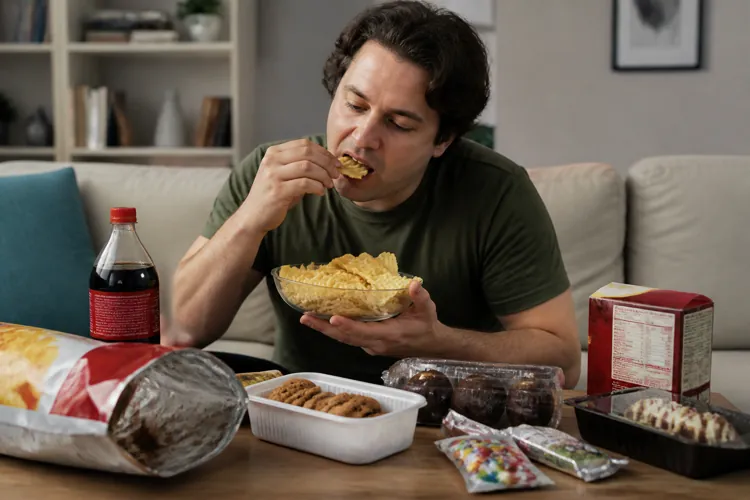
Late-night snacking could come with an unexpected health risk

Researchers found that people who reported eating late at night had a 20% to 30% higher rate of liver disease. The study examined health and lifestyle information from nearly 200,000 participants across three long-running research projects. Researchers say finishing meals several hours before bedtime may support liver health, although more research is needed to confirm the connection. Late-night s...


Consumer News: Are all ultra-processed foods bad for you? A major study offers a surprising answer
Fri, 13 Nov 2026 17:07:11 +0000
Are all ultra-processed foods bad for you? A major study offers a surprising answer

Researchers found no overall association between eating more ultra-processed foods and developing colorectal cancer. Ultra-processed whole grains and dairy products were associated with lower cancer rates, while processed meats were associated with higher rates. The findings suggest that a food's nutritional content may matter more than its level of processing when considering colorectal cancer ri...


Related Bing News Results
Consumer Reports tests kids vitamins for heavy metals, label accuracy
Sat, 14 Nov 2026 07:02:22 GMT
Approximately 1 in 3 kids under age 19 regularly take a dietary supplement, according to the Centers for Disease Control and Prevention. But do kids’ vitamins actually contain what they say on the ...
Consumer Reports investigation: Do kids' vitamins contain what they say on the label?
Thu, 12 Nov 2026 08:04:00 GMT
Here’s what parents need to know before giving their child a daily vitamin.
Consumer Reports finds some kids’ vitamins contain up to 5 times the nutrients listed on labels
Wed, 11 Nov 2026 01:31:00 GMT
Consumer Reports tested 21 children’s vitamins and found each had at least one nutrient level that differed from its label—sometimes by as much as 500%. All products were considered safe, with heavy ...
Consumer Reports Labels, Explained: Recommended, Top Pick, Best Brand, Best of, Smart Buy, and #1 in Brand Reliability
Thu, 15 Oct 2026 03:00:00 GMT
Consumer Reports (CR) uses several designations to help shoppers quickly identify products and services that perform well in our independent evaluations. When data is available, these designations ...
Consumer Reports retests protein powders, finds safer options
Wed, 18 Feb 2026 17:22:00 GMT
Last year, Consumer Reports tested dozens of popular protein powders and ready-to-drink shakes and found more than two-thirds contained concerning levels of lead. The investigation raised questions ...

Blow Us A Whistle


RobinsPost Print On Demand Refund Policy With Printify
Printify

Related Product Search/Búsqueda de productos relacionados

Amazon Logo