Rockin Robin SongFlying The Web For News.

Article Tools/Herramientas de artículos

Consumer Daily Reports

Scammers are selling nonexistent tax credits with promises of lower tax bills and big refunds

By Mark Huffman Consumer News: IRS warns taxpayers about fake ‘Tribal Tax Credit’ of ConsumerAffairs
September 30, 2026
  • The IRS is warning taxpayers about promoters selling nonexistent Tribal Tax Credits that supposedly reduce federal taxes or produce large refunds.

  • Promoters may claim the credits are backed by tribal governments or federal agreements, but the IRS says no such federal tax credits exist.

  • Taxpayers who put the bogus credits on their returns can be liable for unpaid taxes, interest and penalties and, in serious cases, could face criminal prosecution.


The Internal Revenue Service is warning consumers about a tax scheme that uses the names of Native American tribes and legitimate federal programs to make nonexistent tax credits appear real.

In a taxpayer alert, the IRS said promoters are marketing what they call Tribal Tax Credits, Native American Tax Credits or Sovereign Tribal Tax Credits. Despite the official-sounding names, the agency says there is no federal tax credit fitting those descriptions.

The promoters typically encourage taxpayers to buy the purported credits from an organization they claim is connected with a tribal community. The credits are then promoted as a way to reduce an existing federal tax bill or generate a refund.

In some cases, promoters promise taxpayers a substantial return on their investment and use high-pressure sales tactics to persuade them to act quickly, the IRS said.

The danger for consumers is that even if a promoter prepares the paperwork, taxpayers remain responsible for what's on their tax returns.

The IRS said a return claiming a nonexistent Tribal Tax Credit contains a false claim even if the agency initially processes the return and issues a refund. Participating in an abusive tax scheme can result in taxpayers having to repay taxes, along with interest and penalties. More serious cases can potentially result in fines or imprisonment.

Making a fake credit look legitimate

The schemes can be convincing because promoters may mix legitimate provisions of tax law with false claims.

For example, some promoters reportedly claim there is an agreement involving the Treasury Department, Department of the Interior or tribal governments that allows tribal trust fund payments to be converted into federal tax credits. The IRS says no such agreement exists.

Others point to legitimate transferable tax credits. Federal law does allow certain clean-energy tax credits to be transferred between taxpayers, but the IRS says those provisions don't create a Tribal Tax Credit.

Promoters may also invoke the New Markets Tax Credit, executive orders or the sovereign status of tribal entities. The IRS says none of those provisions create the tax credit being marketed.

Another sales pitch is that other taxpayers have successfully claimed the credit and had their returns accepted by the IRS. But the agency warns that simply accepting and processing a return doesn't mean the IRS has determined that every credit claimed on it is legitimate.

Red flags to watch for

The IRS says consumers should be especially skeptical when someone offers to sell a tax credit for substantially less than its supposed face value.

Other warning signs include claims that only a limited number of credits are available, pressure to act immediately, references to secret or unavailable government agreements and legal opinions that can't be independently verified with the attorney or law firm supposedly providing them.

A request to sign a nondisclosure agreement before receiving basic information about the tax credit is another warning sign. Promoters may also charge fees for arranging the supposed purchase or preparing documentation to support the claim.

The warning fits a broader pattern of tax in which promoters and social media posts promise unusually large refunds based on credits or deductions for which taxpayers aren't eligible. The IRS advises consumers to be suspicious of unsolicited messages promising refunds or tax breaks and of anyone pressuring them for personal or financial information.


Consumer News: IRS warns taxpayers about fake ‘Tribal Tax Credit’

Photo By CNET


Posted: 2026-09-30 11:53:39
Get Full News Story On Consumer Affairs


More News From This Category
Consumer News: Black Friday 2026: Mark your calendar for these major retailer sales
Fri, 13 Nov 2026 23:07:09 +0000
Black Friday 2026: Mark your calendar for these major retailer sales

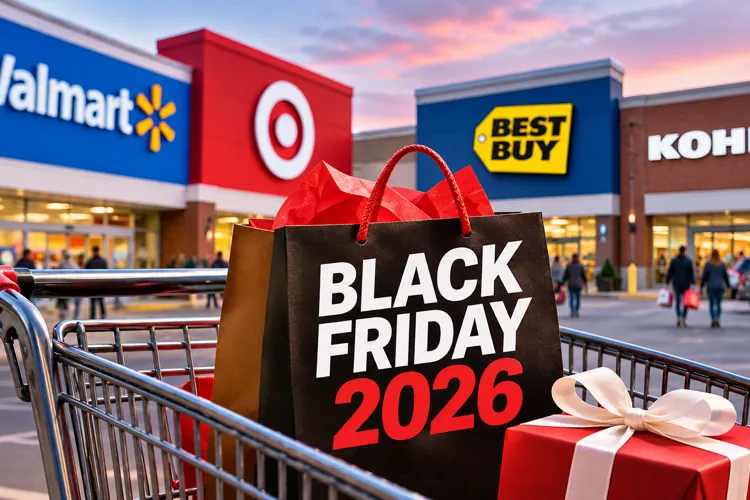
Black Friday isn't just one day anymore. For many of America's biggest retailers, it's become a weeks-long shopping event, with early discounts appearing well before Thanksgiving. And that creates a problem for shoppers: How do you know when to buy, especially when Amazon, Walmart, Target, and other major retailers are all running promotions on different schedules? This year, Black Friday falls on...


Consumer News: Apple's $2,000 folding iPhone comes with a potentially expensive catch
Fri, 13 Nov 2026 20:07:12 +0000
Apple's $2,000 folding iPhone comes with a potentially expensive catch

Apple's new iPhone Duo starts at $1,999: However, repairing its folding screen without coverage could cost another $999. Early durability tests offer mixed results: The hinge survived thousands of folds, but the crease down the middle of the screen became more noticeable. AppleCare+ can reduce repair bills considerably: But shoppers need to factor in the cost of coverage and understand what's cove...


Consumer News: More green space may help kids focus and learn
Fri, 13 Nov 2026 17:07:11 +0000
More green space may help kids focus and learn

Children living in greener neighborhoods performed better on attention and achievement assessments. Researchers analyzed data from nearly 12,000 children across the United States. Better air quality may help explain why access to green spaces is associated with stronger cognitive performance. Between schoolwork, screen time, and everyday distractions, children have plenty of things competing for t...


Consumer News: Late-night snacking could come with an unexpected health risk
Fri, 13 Nov 2026 17:07:11 +0000
Late-night snacking could come with an unexpected health risk

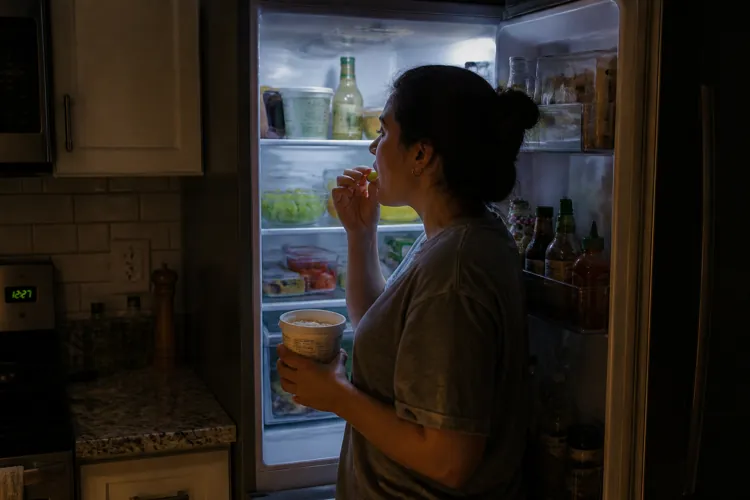
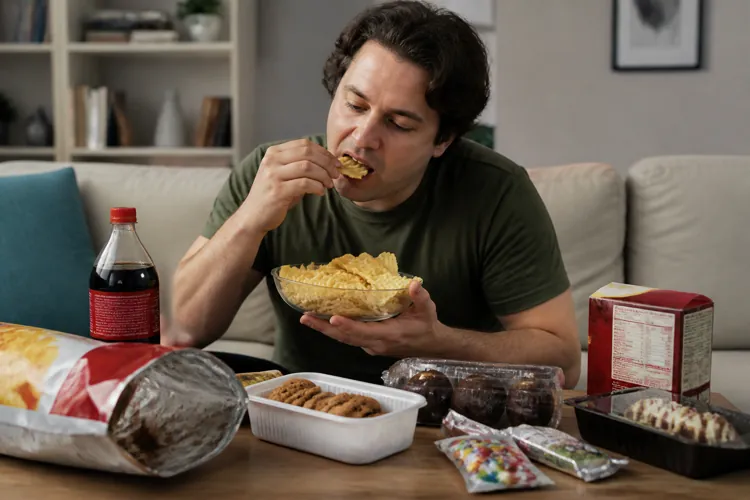
Researchers found that people who reported eating late at night had a 20% to 30% higher rate of liver disease. The study examined health and lifestyle information from nearly 200,000 participants across three long-running research projects. Researchers say finishing meals several hours before bedtime may support liver health, although more research is needed to confirm the connection. Late-night s...


Consumer News: Are all ultra-processed foods bad for you? A major study offers a surprising answer
Fri, 13 Nov 2026 17:07:11 +0000
Are all ultra-processed foods bad for you? A major study offers a surprising answer

Researchers found no overall association between eating more ultra-processed foods and developing colorectal cancer. Ultra-processed whole grains and dairy products were associated with lower cancer rates, while processed meats were associated with higher rates. The findings suggest that a food's nutritional content may matter more than its level of processing when considering colorectal cancer ri...


Related Bing News Results
Consumer Reports tests kids vitamins for heavy metals, label accuracy
Sat, 14 Nov 2026 07:02:22 GMT
Approximately 1 in 3 kids under age 19 regularly take a dietary supplement, according to the Centers for Disease Control and Prevention. But do kids’ vitamins actually contain what they say on the ...
Consumer Reports investigation: Do kids' vitamins contain what they say on the label?
Thu, 12 Nov 2026 08:04:00 GMT
Here’s what parents need to know before giving their child a daily vitamin.
Consumer Reports finds some kids’ vitamins contain up to 5 times the nutrients listed on labels
Wed, 11 Nov 2026 01:31:00 GMT
Consumer Reports tested 21 children’s vitamins and found each had at least one nutrient level that differed from its label—sometimes by as much as 500%. All products were considered safe, with heavy ...
Consumer Reports Labels, Explained: Recommended, Top Pick, Best Brand, Best of, Smart Buy, and #1 in Brand Reliability
Thu, 15 Oct 2026 03:00:00 GMT
Consumer Reports (CR) uses several designations to help shoppers quickly identify products and services that perform well in our independent evaluations. When data is available, these designations ...
Consumer Reports retests protein powders, finds safer options
Wed, 18 Feb 2026 17:22:00 GMT
Last year, Consumer Reports tested dozens of popular protein powders and ready-to-drink shakes and found more than two-thirds contained concerning levels of lead. The investigation raised questions ...

Blow Us A Whistle


RobinsPost Print On Demand Refund Policy With Printify
Printify

Related Product Search/Búsqueda de productos relacionados

Amazon Logo