Rockin Robin SongFlying The Web For News.

Article Tools/Herramientas de artículos

Consumer Daily Reports

New national data project will examine how neighborhood conditions change and affect older adults

By Kristen Dalli of ConsumerAffairs
September 30, 2026
  • Researchers are expanding a national database that tracks neighborhood conditions across the U.S.

  • The project will examine factors including access to healthcare, food, parks, and environmental hazards.

  • The new data could help researchers and communities better understand the local factors connected to healthy aging.


When people think about healthy aging, things like diet, exercise, and medical care often come to mind. But researchers at the University of Michigan are taking a closer look at another factor: where people live.

With an $11 million award from the National Institute on Aging, University of Michigan researchers are expanding the National Neighborhood Data Archive, or NaNDA. The goal is to create and share national data showing how neighborhood conditions change over time and how those conditions may affect the health of older adults.

The existing database connects information about things such as access to parks, healthy food stores, healthcare, and other community resources with health outcomes including hospitalization, chronic disease, and disability.

Neighborhoods shape access to services, exposure to environmental hazards, and levels of social support, affecting cognitive function, mobility, and social interaction, Grace Noppert, a social and infectious disease epidemiologist at U-M and NaNDA deputy director, said in a news release.

Policymakers, community organizations, and researchers across fields use our data. Were creating a public resource that serves many people. Now, we can expand it and work toward becoming a one-stop shop for neighborhood data.

How researchers will map neighborhood health

The project isn't simply creating a map of where people live. Researchers will combine information from multiple sources to build a more detailed picture of neighborhoods across the country.

NaNDA's collection will grow by about 30%, adding information about the physical, economic, demographic and social characteristics of communities. The data will be available at several geographic levels, including census tracts, ZIP code areas, and counties.

Researchers also plan to use a 20% national sample of Medicare and Medicaid claims to identify communities with high rates of hospitalizations and emergency department visits for respiratory illnesses such as flu, RSV, and COVID.

Another part of the project will track exposure to environmental hazards, including wildfire smoke and high temperatures. Researchers will also develop methods for handling the challenges that come with combining different types of neighborhood data and examining changes over time.

What this could mean for consumers

The researchers aren't saying that a particular neighborhood automatically determines someone's health. Instead, the project is designed to give scientists a better way to examine the relationship between local environments and healthy aging.

That could eventually help researchers identify patterns in communities and give public health departments and community organizations more information about where resources may be needed. For example, the planned respiratory illness dashboard could help communities identify areas experiencing higher rates of hospitalizations and emergency care visits.

For consumers, the biggest takeaway is that healthy aging may be studied in a broader context than individual health choices alone. By making neighborhood data publicly available, researchers hope to give scientists and communities a clearer picture of how local conditions may connect with health as people get older.

The lack of a national, publicly available data infrastructure that includes comprehensive, longitudinal measures of the neighborhood environment has limited our ability to measure and track the dynamic nature of local-level environmental exposures and their impact on healthy aging, NaNDA director Philippa Clarke said in a news release.

Most research remains siloed within specific observational or clinical studies, where neighborhood data are not consistently shared, restricting transparency, reproducibility, and comparability of findings. NaNDA was designed to address this gap by creating and sharing data on the physical, economic, demographic, and social environment at multiple spatial scales, including block group, census tract, ZIP code tabulation area, and county.


Posted: 2026-09-30 18:39:48

Get Full News Story On Consumer Affairs


More News From This Category
Consumer News: Black Friday 2026: Mark your calendar for these major retailer sales
Fri, 13 Nov 2026 23:07:09 +0000
Black Friday 2026: Mark your calendar for these major retailer sales

Black Friday isn't just one day anymore. For many of America's biggest retailers, it's become a weeks-long shopping event, with early discounts appearing well before Thanksgiving. And that creates a problem for shoppers: How do you know when to buy, especially when Amazon, Walmart, Target, and other major retailers are all running promotions on different schedules? This year, Black Friday falls on...


Consumer News: Apple's $2,000 folding iPhone comes with a potentially expensive catch
Fri, 13 Nov 2026 20:07:12 +0000
Apple's $2,000 folding iPhone comes with a potentially expensive catch

Apple's new iPhone Duo starts at $1,999: However, repairing its folding screen without coverage could cost another $999. Early durability tests offer mixed results: The hinge survived thousands of folds, but the crease down the middle of the screen became more noticeable. AppleCare+ can reduce repair bills considerably: But shoppers need to factor in the cost of coverage and understand what's cove...


Consumer News: More green space may help kids focus and learn
Fri, 13 Nov 2026 17:07:11 +0000
More green space may help kids focus and learn

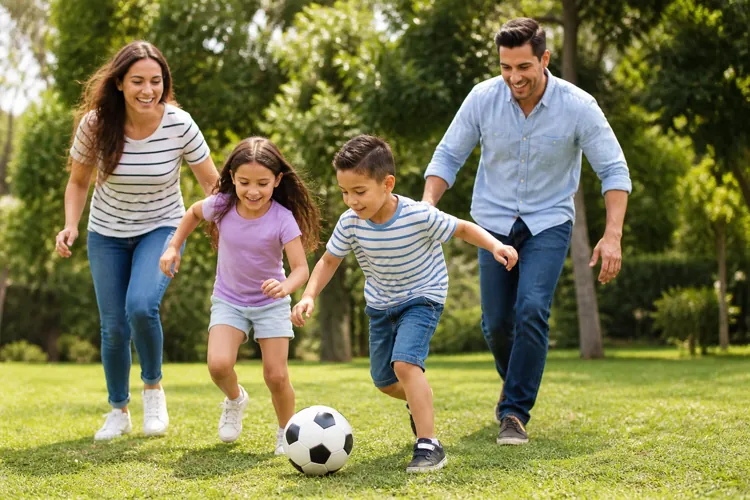
Children living in greener neighborhoods performed better on attention and achievement assessments. Researchers analyzed data from nearly 12,000 children across the United States. Better air quality may help explain why access to green spaces is associated with stronger cognitive performance. Between schoolwork, screen time, and everyday distractions, children have plenty of things competing for t...


Consumer News: Late-night snacking could come with an unexpected health risk
Fri, 13 Nov 2026 17:07:11 +0000
Late-night snacking could come with an unexpected health risk

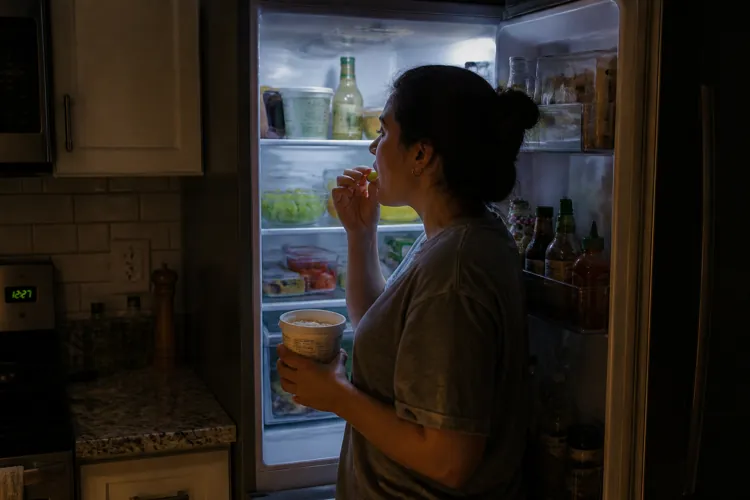
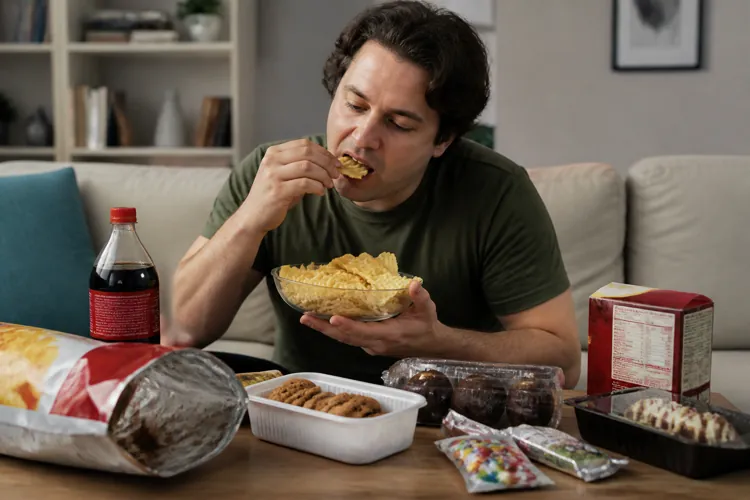
Researchers found that people who reported eating late at night had a 20% to 30% higher rate of liver disease. The study examined health and lifestyle information from nearly 200,000 participants across three long-running research projects. Researchers say finishing meals several hours before bedtime may support liver health, although more research is needed to confirm the connection. Late-night s...


Consumer News: Are all ultra-processed foods bad for you? A major study offers a surprising answer
Fri, 13 Nov 2026 17:07:11 +0000
Are all ultra-processed foods bad for you? A major study offers a surprising answer

Researchers found no overall association between eating more ultra-processed foods and developing colorectal cancer. Ultra-processed whole grains and dairy products were associated with lower cancer rates, while processed meats were associated with higher rates. The findings suggest that a food's nutritional content may matter more than its level of processing when considering colorectal cancer ri...


Related Bing News Results
Consumer Reports tests kids vitamins for heavy metals, label accuracy
Sat, 14 Nov 2026 07:02:22 GMT
Approximately 1 in 3 kids under age 19 regularly take a dietary supplement, according to the Centers for Disease Control and Prevention. But do kids’ vitamins actually contain what they say on the ...
Consumer Reports investigation: Do kids' vitamins contain what they say on the label?
Thu, 12 Nov 2026 08:04:00 GMT
Here’s what parents need to know before giving their child a daily vitamin.
Consumer Reports finds some kids’ vitamins contain up to 5 times the nutrients listed on labels
Wed, 11 Nov 2026 01:31:00 GMT
Consumer Reports tested 21 children’s vitamins and found each had at least one nutrient level that differed from its label—sometimes by as much as 500%. All products were considered safe, with heavy ...
Consumer Reports Labels, Explained: Recommended, Top Pick, Best Brand, Best of, Smart Buy, and #1 in Brand Reliability
Thu, 15 Oct 2026 03:00:00 GMT
Consumer Reports (CR) uses several designations to help shoppers quickly identify products and services that perform well in our independent evaluations. When data is available, these designations ...
Consumer Reports retests protein powders, finds safer options
Wed, 18 Feb 2026 17:22:00 GMT
Last year, Consumer Reports tested dozens of popular protein powders and ready-to-drink shakes and found more than two-thirds contained concerning levels of lead. The investigation raised questions ...

Blow Us A Whistle


RobinsPost Print On Demand Refund Policy With Printify
Printify

Related Product Search/Búsqueda de productos relacionados

Amazon Logo