


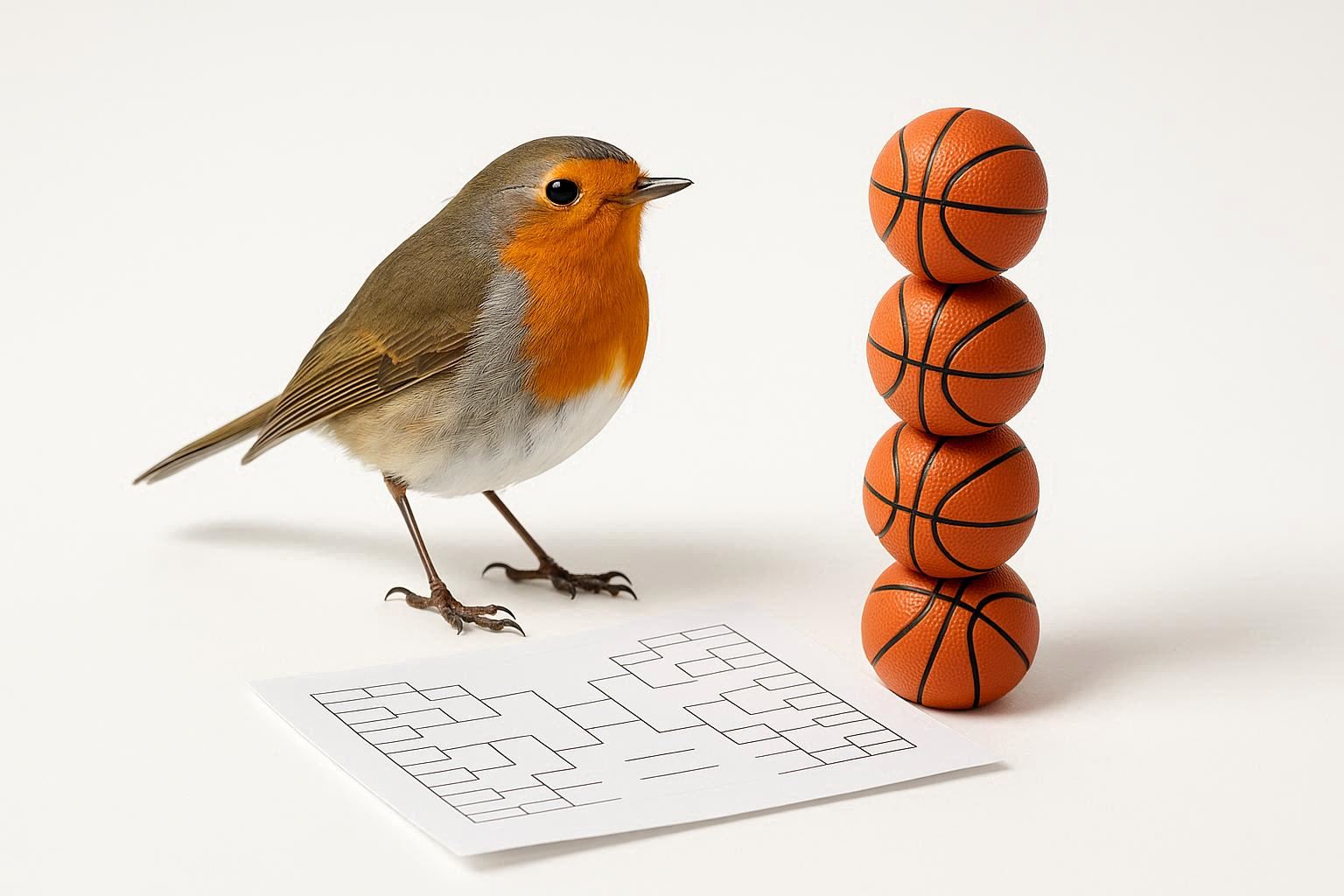
March Madness returns this week with the full force of its traditions: bracket drama, rising stars, powerhouse programs, and the unpredictable magic that has defined the NCAA tournaments for generations. Both the men’s and women’s fields enter 2026 with new contenders, familiar giants, and a growing sense of parity that makes this year’s brackets harder and more exciting than ever.
The 2026 Field: Who’s Playing and Where They Stand
Selection Sunday delivered a balanced, competitive field across both tournaments. Here’s a look at the top seeds and early matchups shaping the week ahead.
Men’s No. 1 Seeds
- Duke – Overall No. 1 seed with elite defense and depth.
- Florida – Fast-paced offense and strong NET ranking.
- Michigan – Efficient, disciplined, and battle-tested.
- Arizona – High-scoring, athletic, and dangerous in transition.
Women’s Projected No. 1 Seeds
- UConn – A dynasty with renewed momentum.
- UCLA – Balanced roster with elite perimeter shooting.
- Texas – Physical, defensive-minded, and consistent.
- South Carolina – Deep, dominant, and tournament-proven.
Early-round matchups feature classic 5–12 upset potential, strong mid-majors, and several teams entering on hot streaks that could disrupt the bracket by the weekend.
How to Fill Out Your Bracket: A Simple, Smart Guide
Bracket-making is part strategy, part intuition, and part acceptance of the fact that chaos is inevitable. Here’s how to build a bracket that balances logic with the unpredictability of March.
1. Understand the Seeds
- No. 1 seeds almost always reach the Sweet 16.
- No. 2 and No. 3 seeds are strong Final Four candidates.
- No. 12 seeds upset No. 5 seeds nearly every year.
- No. 7 vs. No. 10 is a historically close pick based on matchups, not seed.
2. Look at Efficiency Metrics
Teams with top-20 offensive and defensive efficiency (based on NET-style analytics) are the most reliable Final Four picks. Balance wins tournaments.
3. Identify “Cinderella” Traits
- Experienced guard play
- High three-point percentage
- Strong turnover margin
- Momentum from winning their conference tournament
4. Don’t Overthink the Final Four
Analysts often favor one or two No. 1 seeds, one No. 2 or No. 3 seed, and one wild-card team with elite shooting or defense. It’s a mix of stability and risk.
What Analysts Expect in April
Sports outlets and bracket analysts highlight several programs as strong contenders based on depth, efficiency, and consistency. While no predictions are certain, early models point to:
- Duke and Michigan as top men’s contenders.
- UConn and South Carolina as leading women’s programs.
- Multiple mid-majors flagged as upset threats in the first two rounds.
These insights reflect public analysis and statistical modeling, not betting advice, and help frame the storylines heading into April.
A Brief History of March Madness
The NCAA men’s tournament began in 1939 with just eight teams. Over the decades, it grew into a 68-team spectacle defined by buzzer-beaters, Cinderella runs, and unforgettable champions.
The women’s tournament launched in 1982, quickly establishing its own legends and dynasties. Programs like UConn, Tennessee, and Stanford shaped the sport, while recent years have brought unprecedented parity and rising stars.
Today, March Madness is more than a tournament; it’s a cultural event that blends tradition, unpredictability, and national unity.
Glossary
- Bracket
- A structured chart showing all tournament matchups and paths to the championship.
- Seed
- A ranking assigned to each team to determine matchups and regional placement.
- NET Ranking
- A metric used by the NCAA to evaluate team performance based on efficiency, strength of schedule, and game results.
- Cinderella Team
- A lower-seeded team that makes an unexpected deep run in the tournament.
- Selection Sunday
- The day the NCAA reveals the full tournament bracket and seedings.






