


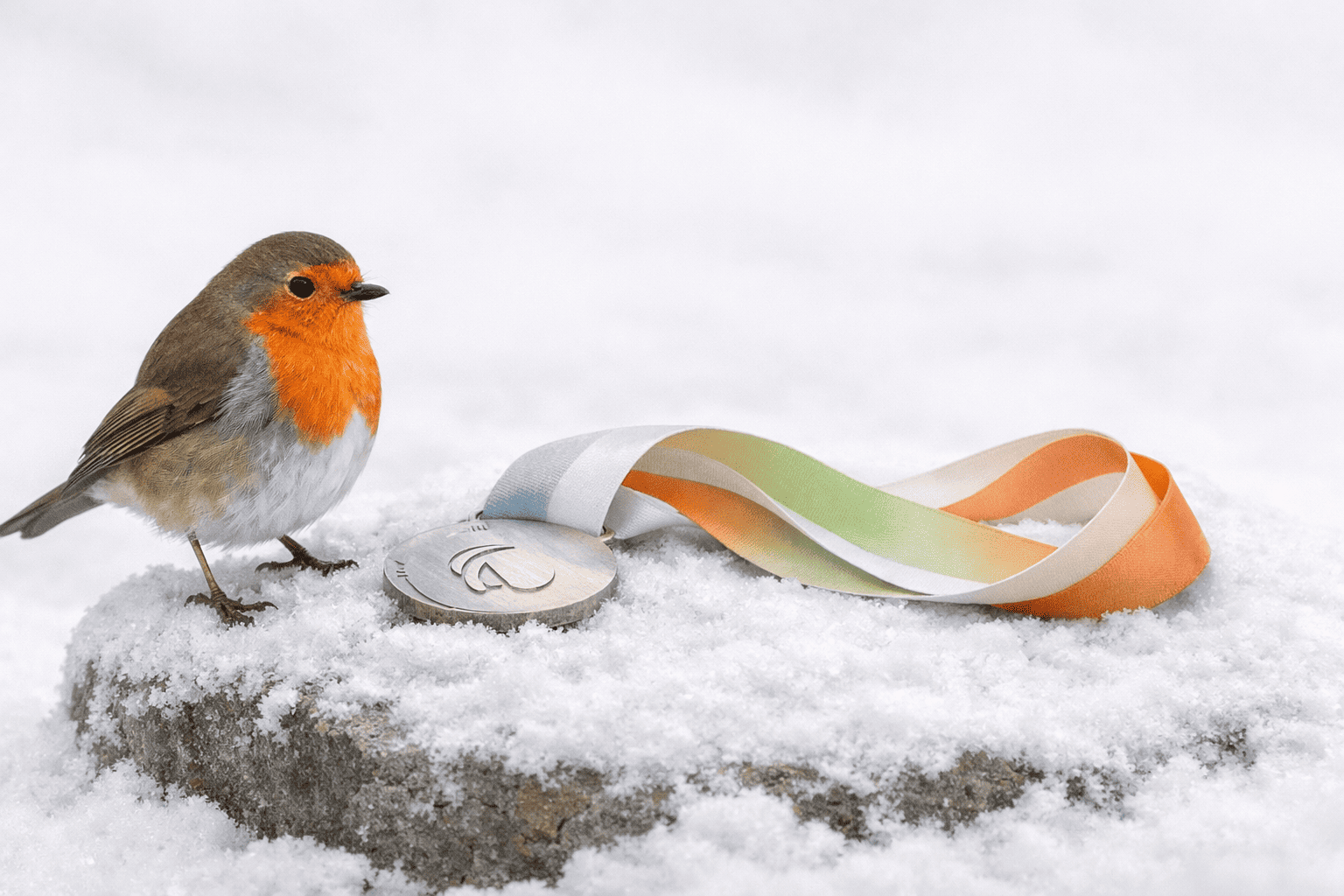
The 2026 Winter Paralympics in Milano–Cortina offered a powerful reminder of what human potential looks like when barriers fall, and opportunity expands. Across 79 medal events and more than 660 athletes, the Games celebrated the 50th anniversary of the Winter Paralympics with record-breaking performances, new nations entering the podium conversation, and a renewed global commitment to accessibility in sport.
Breakthrough moments on the snow and ice
Team USA’s golden surge
American athletes delivered standout performances across Para Alpine Skiing, Para Snowboarding, and Para Ice Hockey. The Para Ice Hockey team, long a global powerhouse, continued its dominance with a fast, disciplined style that blended veteran leadership with rising stars.
New nations rising
Countries such as Brazil, Kazakhstan, and Estonia made historic strides, earning their first Winter Paralympic medals or reaching finals for the first time. Their presence signaled a shift: winter adaptive sport is no longer confined to traditional cold‑weather nations.
Athletes who defined the Games
Across the venues, athletes pushed the limits of speed, precision, and control:
- Sit‑skiers attacking downhill courses redesigned for safety and fairness while still allowing elite speed.
- Vision‑impaired skiers and their guides navigate high‑speed slalom runs with near‑telepathic communication.
- Para Snowboarders are landing more technical runs than ever, thanks to improved prosthetic design and board customization.
These stories were not only athletic triumphs. They were also engineering breakthroughs, training milestones, and powerful examples of global inclusion.
How Paralympians train: The science of adaptive excellence
Elite disabled athletes train with a level of precision that rivals their Olympic counterparts. Their preparation blends biomechanics, prosthetic engineering, and sport‑specific conditioning, all tailored to individual bodies and classifications.
Prosthetic and equipment optimization
Many athletes work closely with engineers, prosthetists, and technicians to fine‑tune their equipment. Small changes can have a big impact on performance and safety. Common areas of focus include:
- Carbon‑fiber prosthetic stiffness and weight distribution.
- Sit‑ski suspension systems and seat positioning.
- Grip and balance adaptations for visually impaired athletes.
- Custom‑molded sockets to reduce pressure injuries and improve comfort.
Neuromuscular and physical conditioning
Because many athletes rely on compensatory muscle groups, training programs are highly targeted. Coaches often emphasize:
- Core stability and trunk control.
- Balance under asymmetric load.
- Reaction‑time drills for high‑speed decision‑making.
- Endurance and altitude conditioning for Nordic and biathlon events.
Mental preparation and communication
Mental resilience is a defining feature of Paralympic sport. Athletes frequently work with sports psychologists and performance coaches to develop:
- Spatial awareness with limited or altered sensory input.
- Strategies to manage fear and risk on steep, icy courses.
- Split‑second communication routines between athletes and guides.
The result is a blend of physical and psychological preparation that allows athletes to perform at the very edge of what is possible.
The future of Paralympic winter sports
As technology advances and participation grows, the Paralympic movement continues to explore new disciplines and formats. Several ideas have gained momentum in recent years.
Para ski mountaineering
Inspired by ski mountaineering’s Olympic debut, adaptive versions are being tested. Concepts include:
- Assisted climbing systems for sit‑ski users.
- Adaptive crampon and binding designs for athletes with limb differences.
- Safety protocols for mixed‑ability teams in alpine terrain.
Para bobsleigh and monobob
Pilot programs in Para bobsleigh and monobob are exploring how to bring high‑speed ice track racing to a wider field of athletes. Key questions include classification, safety standards, and sled design for different impairment types.
Expanded Para Snowboard classes
As prosthetic and orthotic technology evolves, new classification categories may allow more athletes with limb differences to compete fairly, especially in banked slalom and snowboard cross.
Mixed‑gender relay formats
There is growing interest in mixed‑gender relay events in Para Nordic skiing and biathlon. These formats highlight teamwork, strategy, and the diversity of the athlete field in a single race.
A legacy beyond medals
Milano–Cortina 2026 was more than a medal table. It served as a blueprint for future Games, with a strong focus on accessibility, sustainability, and athlete well‑being.
Accessibility innovations
Organizers invested in infrastructure and services designed to remove barriers for athletes, staff, and fans. Highlights included:
- Barrier‑free athlete villages and transport routes.
- Real‑time audio‑described broadcasts for key events.
- Digital navigation tools for visually impaired athletes and visitors.
- Inclusive volunteer training programs focused on disability awareness and respect.
Climate‑resilient course design
With winter sports facing shorter and less predictable snow seasons, the Games tested:
- Hybrid snowmaking systems to stabilize course conditions.
- Energy‑efficient refrigeration for ice venues.
- Course layouts designed to reduce environmental impact while maintaining competitive integrity.
These innovations will influence future Winter Paralympics, including the planned 2030 Games in the French Alps, where accessibility and sustainability are expected to remain central themes.
Why this Paralympics mattered
The 2026 Winter Paralympics marked a turning point not only for adaptive sport but for global culture. The Games showed that disability is not a limitation, but a dimension of human diversity that enriches sports, storytelling, and community.
The athletes did more than compete. They redefined what is possible and invited the world to rethink who gets to be seen as a champion.
Glossary
- Adaptive sport
- Competitive or recreational sport that has been modified or created to meet the needs of people with disabilities, often through rule changes, equipment adaptations, or classification systems.
- Classification
- A system used in Paralympic sport to group athletes based on how their impairment affects performance in a specific sport, to create fair and meaningful competition.
- Para Alpine Skiing
- A Paralympic sport that includes downhill, super‑G, giant slalom, slalom, and super combined events for athletes with physical or visual impairments, using equipment such as sit‑skis, outriggers, or guides.
- Para Nordic Skiing
- An umbrella term that includes Para Cross‑Country Skiing and Para Biathlon, featuring athletes with physical or visual impairments who compete using sit‑skis, prosthetics, or guides.
- Para Snowboarding
- A Paralympic sport in which athletes with lower‑limb impairments compete in events such as banked slalom and snowboard cross, often using specialized prosthetics and board setups.
- Prosthetic
- An artificial limb or body part used to replace a missing or non‑functional limb, often customized for specific sports to improve performance, comfort, and safety.
- Sit‑ski
- A piece of adaptive equipment that allows athletes with lower‑limb impairments to ski while seated, using a molded seat mounted on one or two skis, often with shock absorption and outriggers for balance.
- Vision‑impaired guide
- A trained skier or snowboarder who competes alongside a vision‑impaired athlete, providing real‑time verbal directions and pacing to help navigate the course safely and quickly.
Reference Links
- International Paralympic Committee – Official Website
- Milano–Cortina 2026 Winter Paralympics Overview
- Team USA Paralympics – Athlete Profiles and Results
- Paralympic Sports and Classifications Guide
- IPC News – Latest Updates and Global Coverage
- Milano–Cortina 2026 Organizing Committee
- World Anti‑Doping Agency – Adaptive Sport Resources
- Engineering for Change – Adaptive Equipment Innovations
- ResearchGate – Studies on Paralympic Training and Biomechanics






