Whether you’re new to investment properties or you’ve been at it for a while, it’s critical to have someone in your court helping you make the best decisions. A Realtor often fills this role to great effect—after all, they have the qualifications!
However, a negative experience with an agent may make you rethink the whole thing. Don’t neglect this crucial step due to one bad sale—instead, read on to learn how to find a great Realtor for investment properties.
The Difference Between Agents and Realtors
Contrary to popular belief, real estate agents and Realtors are not interchangeable terms. A real estate agent has a real estate license and helps people buy and sell properties.
A Realtor does the same thing, holds the same license, but is also a member of the National Association of Realtors. This group has a strict code when dealing with customers and working on property sales. Essentially, all Realtors are agents, but not all agents are Realtors.
Find Someone Honest
If you describe an impossible-to-find, out-of-this-world investment property and your agent says, “No problem,” there’s a problem. Ideally, you want to find a Realtor who will tell you when something isn’t feasible. Look for an agent who deals more in numbers and figures than in hyperbole—they can actually deliver.
Communication Is Key
Our previous tip is meaningless if you don’t like the agent. You’re going to spend a lot of time with them when discussing what you’re looking for and analyzing the offers that come in—you need to enjoy their company. Good communication means a little more than being “an effective conversationalist.”
The best agents are easy to talk to and easy to get in touch with. A major red flag to look out for is a Realtor who goes a few days without returning your message. Who knows if they’ll go quiet again when the big offer comes in?
Once you’ve purchased the property, you need to decide whether it’s better for you to manage it yourself or if you should hire a management team. Property managers can save you time and money, so consider this option if you want to find more investment opportunities!
Now that you know how to find a great Realtor for investment properties, start your search and find an agent that gives you confidence!
Explore the vibrant journey through Ireland’s patron saint, Irish Heritage Month, and the traditions that bring
the world together in green. St. Patrick’s Day falls on March 17 every year. It honors St. Patrick, celebrates Irish culture,
and brings people together worldwide. Today, the holiday blends faith, history, and joyful traditions
that millions enjoy. 💚
A red robin overlooking the Sydney Opera House, glowing green for St. Patrick’s Day.
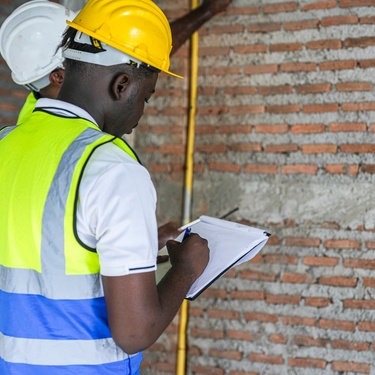
Any contractor who has opened up a wall knows the feeling. You expect a straightforward job, and instead you find a mess of old wiring, a surprise pipe, or something that definitely was not in the plans. That’s why understanding the hidden dangers behind walls is part of what contractors should know before they ever pick up a saw or drill.
Why We Change the Clocks: Daylight Saving Time Explained
Reminder: Daylight Saving Time begins this Sunday. Most regions will move clocks one hour forward at 2:00 a.m.
What Is Daylight Saving Time?
Daylight Saving Time (DST) is the practice of moving clocks forward by one hour during the warmer months
to extend evening daylight and then moving them back again in the cooler months. The original idea was to
conserve energy by aligning human activity with natural daylight, reducing the need for artificial lighting.
Today, DST is also justified by some as a way to support retail, tourism, and outdoor activities in the evening,
though its benefits and drawbacks are increasingly debated.
Thoughtful home features often determine whether a property commands premium offers or lingers without serious interest. Investors who recognize the link between design and financial performance position themselves for superior appreciation. Every element within a residence should contribute to elegance, efficiency, and experiential richness.
Growth creates opportunity, but growth also creates pressure. Many business owners reach a point where revenue increases, demand rises, and operations stretch thin. At that moment, hesitation can limit progress more than risk ever could. Scaling does not simply mean increasing output. Scaling means building capacity, strengthening systems, and preparing your company to handle higher demand without losing control.