Canada Day lands on Wednesday, July 1 in 2026, and that midweek timing could shape how people celebrate from coast to coast. Some cities will lean into all-day programming, while others may spread activity across the surrounding weekend to capture bigger crowds, more tourism, and easier family travel. For readers tracking canada day 2026 celebrations early, the main story is not just where the biggest fireworks will be, but how communities are likely to blend national tradition with local identity, public safety planning, and live event coverage.
This is one of those calendar dates that works on several levels at once. It is a national holiday, a tourism driver, a civic branding moment, and for many families, a simple reason to be outside in summer. That mix matters because it means the strongest Canada Day coverage usually comes from looking at the full event picture - official ceremonies, neighborhood festivals, concerts, food vendors, transit changes, and the practical details that decide whether the day feels easy or chaotic.
What to expect from Canada Day 2026 celebrations
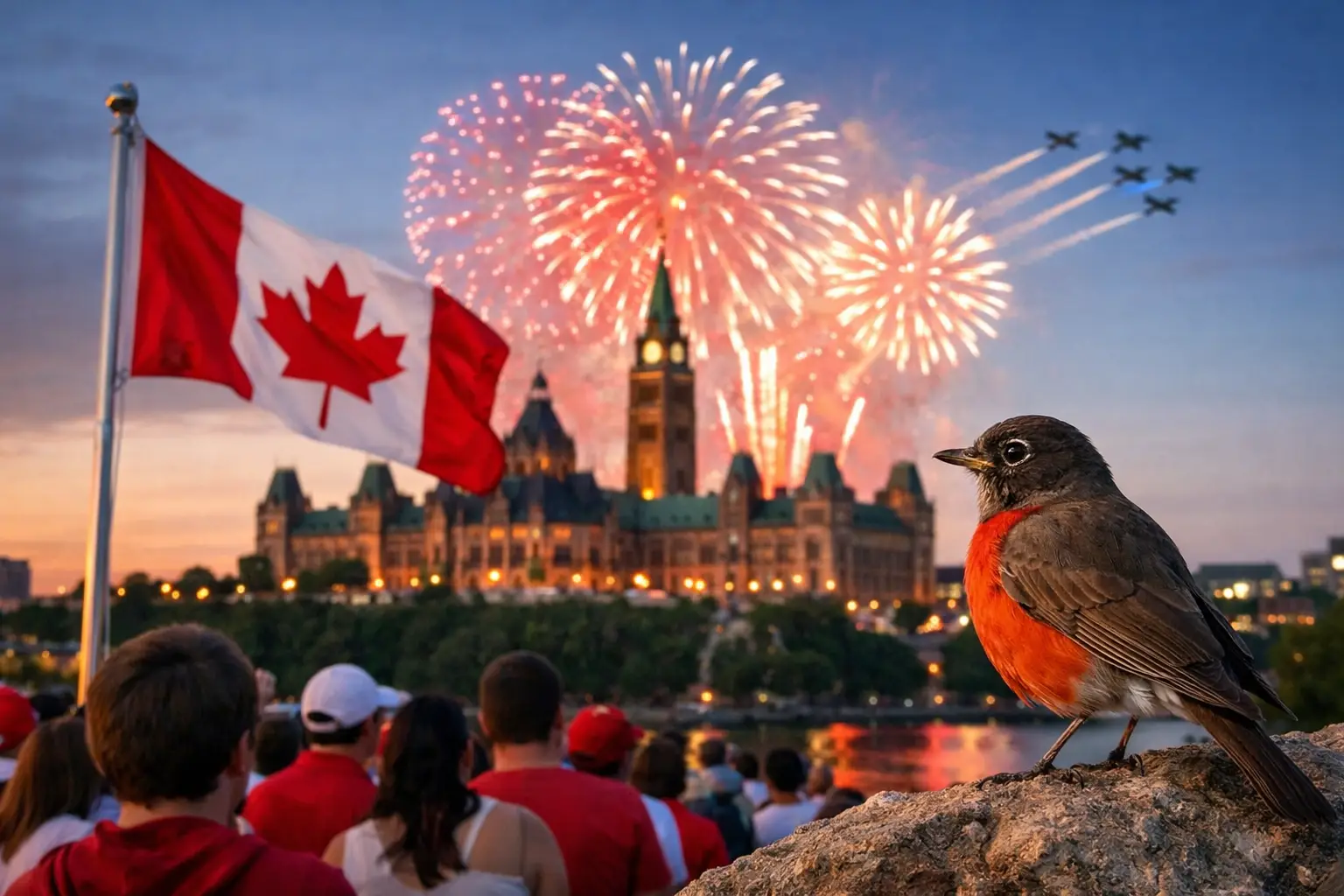
Across Canada, the familiar elements should return: flag-raising ceremonies, public performances, fireworks after dark, and community events built around parks, waterfronts, downtown squares, and cultural centers. Major cities typically stage headline concerts and large public gatherings, while smaller towns often deliver the more relaxed version many people actually prefer - shorter lines, easier parking, and a stronger local feel.
In 2026, expect organizers to keep balancing spectacle with logistics. Big public events draw attention, but they also bring crowd management, road closures, and weather risk into the picture. That means more advance announcements around event zones, family areas, accessibility, bag rules, and transportation. For travelers and day-trippers, that practical information can matter as much as the entertainment schedule.
The strongest local programs will likely reflect regional character rather than copy a single national template. In one place, that may mean waterfront live music and food stalls. In another, it may center on Indigenous performances, heritage programming, museum access, multicultural showcases, or daytime sports and family activities before the evening fireworks.
Why the 2026 calendar matters
A Wednesday holiday creates a split audience. Some people will celebrate on the day itself with city-center events and evening fireworks. Others will look for weekend festivals before or after July 1, especially if they are traveling with children or trying to avoid the busiest crowds.
That can influence how canada day 2026 celebrations are programmed. Municipalities and tourism groups may stretch their schedules into multi-day event windows instead of relying on a single packed Wednesday. From a visitor perspective, that is good news. It usually means more chances to catch concerts, cultural exhibitions, and local vendor markets without trying to fit everything into one afternoon.
The trade-off is that not every listing you see in June will technically happen on Canada Day. Some communities will market a Canada Day week, while others will stay very strict with July 1 scheduling. If you are planning around a specific parade, fireworks display, or televised ceremony, exact dates and start times will matter.
Major city patterns to watch
Canada’s largest urban centers tend to set the national tone, especially when broadcasters, livestream producers, and tourism boards build coverage around them. Ottawa will almost certainly remain a focal point because national ceremonies, political symbolism, and federal programming naturally draw attention there. Expect official speeches, live performances, and heavy security planning.
Toronto, Vancouver, Montreal, Calgary, and Edmonton usually bring their own style. Some prioritize music-heavy programming and waterfront events. Others distribute celebrations across multiple neighborhoods instead of one central gathering point. That can be better for residents, but it also means visitors need to decide whether they want a giant flagship event or a more local community atmosphere.
If you are following event coverage as it develops, the most useful signals are usually these: whether a city has announced one main fireworks site or several, whether transit agencies are extending service, and whether family programming runs through the afternoon. Those three details often tell you how serious the city is about building a full-day destination event rather than a simple evening show.
Smaller communities may offer the best experience
The biggest events get the headlines, but smaller towns and suburban districts often deliver the most comfortable holiday experience. Local parades, community barbecues, lakeside fireworks, artisan markets, and recreation-center events can be easier to enjoy than a crowded downtown core.
There is also less pressure to build the day around one perfect viewing spot. Families with young kids, older adults, and anyone who prefers a quieter schedule may find that smaller community celebrations feel more manageable. You might give up a major concert stage, but in return you often get easier seating, shorter food lines, and a better chance to actually enjoy the setting.
For readers using an aggregation-style approach to plan, it makes sense to scan both major city listings and nearby municipal calendars. The event with the most publicity is not always the one that best fits your day.
Fireworks, weather, and the reality of summer planning
Fireworks remain the emotional anchor of Canada Day for many people, but they are also the part of the schedule most vulnerable to disruption. Weather, air quality concerns, local fire risk, and municipal budget decisions can all affect whether fireworks happen as planned, are delayed, or are replaced by other programming.
That does not mean the day loses its value. In some places, drone shows, live music finales, or illuminated public art can fill the same role for crowds that want a shared evening experience. Still, if fireworks are your priority, wait for official confirmation before locking in travel or hotel plans.
It also pays to think beyond the sky. A great Canada Day outing usually depends on shade, hydration, bathrooms, parking or transit access, and knowing when to arrive. Midday family events and late-night fireworks can make for a very long schedule, especially if weather turns hot. The best planners build in breaks rather than assuming the whole day will run smoothly on energy alone.
Travel, tourism, and local business impact
Canada Day is not just a cultural event. It is also a useful pulse check on summer tourism. Hotels, restaurants, attractions, ride services, and local retailers often benefit from the extra traffic, particularly in cities that package the holiday as a broader visitor experience.
That creates an interesting split. Some destinations aim for national-scale visibility with concerts and major public programming. Others focus on regional tourism, encouraging visitors to turn the holiday into a longer summer stay built around parks, waterfronts, museums, and food scenes. Both approaches can work, depending on budget, location, and transport access.
For travelers from the U.S., 2026 could be an especially appealing year to plan ahead if they want a short international holiday with familiar summer festival energy. The key is to watch border travel conditions, lodging demand, and the timing of nearby weekend events. A Wednesday holiday can either simplify a short trip or complicate it, depending on how much flexibility you have.
How to follow Canada Day 2026 celebrations efficiently
For a broad audience, the smartest approach is to treat Canada Day as a rolling event story rather than a one-day search. Early coverage usually starts with city announcements, performer reveals, and tourism previews. Closer to July 1, the useful updates shift to maps, closures, weather alerts, livestream schedules, and last-minute changes.
That is where a broad discovery platform can help. Readers who already use RobinsPost to track headlines, videos, and event-related updates across categories will likely recognize the pattern - the best planning rarely comes from a single source or a single announcement. It comes from combining official schedules with ongoing live coverage and practical local details.
If you are planning for a group, one small tactic helps more than people expect: decide early whether your day is built around ceremony, entertainment, or convenience. Trying to maximize all three usually leads to too much rushing and too much waiting. A family picnic with easy fireworks access is one kind of success. An all-day downtown event with live music and transit access is another. They are not the same plan.
What readers should watch as July 1 approaches
The most reliable indicators of a strong event are simple: clear official schedules, published transit guidance, accessibility details, weather contingencies, and a visible plan for both daytime and evening programming. If those elements are in place, the event is usually ready for crowds. If they are missing, expect confusion even if the headline entertainment looks impressive.
Canada Day 2026 celebrations will likely offer something for every kind of attendee - national ceremony viewers, local families, road-trip travelers, concert fans, and people who just want a good summer evening outdoors. The best move is to choose the version of the holiday that fits how you actually like to spend a public celebration, then follow the updates that make the day easier, not just louder.
As plans roll out, keep an eye on the details that shape the experience after the posters and promos fade - because the best holiday coverage is the kind that helps you show up informed, flexible, and ready to enjoy the moment.